
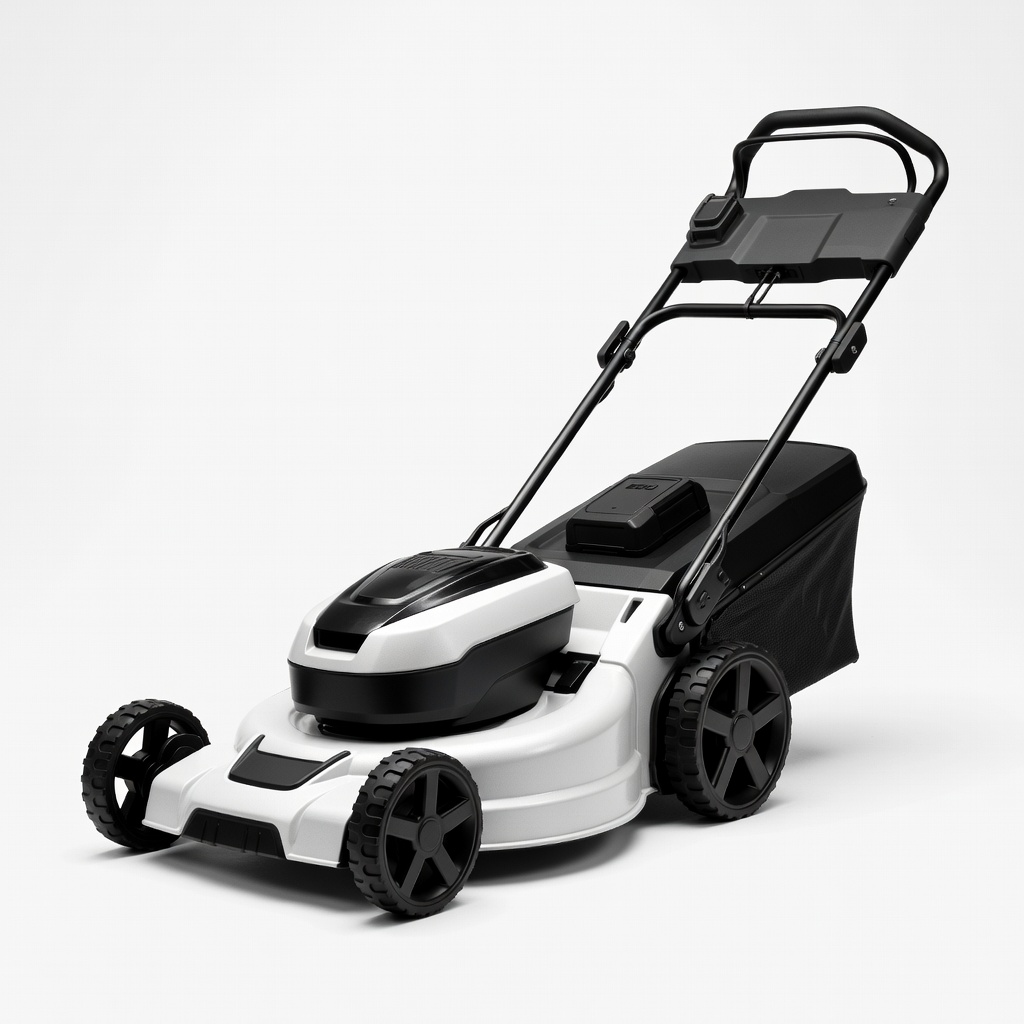
EGO Power+ LM2135SP 21" Self-Propelled Mower
Main mowing step on medium lawns; no gas hassle.
$500-$600
EGO Power+ LM2135SP 21" Self-Propelled Mower Battery-powered for easy start, powerful cut, mulching capability ideal for intermediate users.
Get the App
Better experience on mobile
Master step-by-step grounds maintenance using agricultural tools to achieve a lush, professional landscape in just 2-4 hours.
Neglected grounds can lead to overgrown weeds, uneven turf, soil compaction, and pest issues, costing time and money in the long run. For intermediate users like property managers, farmers, or homeowners with larger lots, proper maintenance with ag tools ensures healthy soil, vibrant grass, and curb appeal. This guide tackles common pain points like tool inefficiency and inconsistent results.
You'll learn a complete routine: from inspection to tool storage, using reliable agricultural tools. Expect crisp edges, weed-free beds, and nourished soil—what success looks like is a manicured property ready for any season.
This process takes 2-4 hours for a 1/4-acre lot, depending on conditions. Intermediate difficulty assumes basic tool handling experience.
Estimated Time: 2-4 hours for 1/4 acre Difficulty: intermediate
Begin with a thorough walk-through of your grounds. Note areas of heavy growth, bare patches, weeds, debris, and drainage issues. Sketch a quick map prioritizing high-traffic zones like pathways and lawns.
This step matters because it prevents wasted effort—mowing over wet grass clogs tools, and missing weeds lets them spread. Expect to spend 15-20 minutes; success is a clear action plan.
Mark obstacles like rocks or sprinklers to avoid damage.
💡 Tips:
⚠️ Warnings:
Put on all safety gear: gloves, goggles, ear protection, long pants, and steel-toe boots. Check tools for damage—sharp blades, fueled/oiled, no loose parts.
Safety first prevents injuries from flying debris or vibrations. Expect a 5-minute check; success is tools ready without hazards.
Test-start engines away from people/pets.
💡 Tips:
⚠️ Warnings:
Set mower height to 2.5-3.5 inches for most grasses. Mow in straight lines, overlapping 1/3 of blade width, alternating directions each time.
Even mowing promotes root health and thick turf. Why it matters: Scalping weakens grass. Expect clippings to mulch naturally; success is uniform height, no clumps.
Empty catcher bags regularly.
💡 Tips:
⚠️ Warnings:
Use string trimmer for edges along sidewalks, beds, and trees. Tilt at 45 degrees for clean cuts; then edger for hard lines.
This defines your landscape professionally. Matters for aesthetics and preventing grass invasion. Expect 20-30 minutes; success is sharp, straight borders.
Advance slowly to avoid scalping.
💡 Tips:
⚠️ Warnings:
Pull weeds by hand or use a weeder tool. Rake debris into piles, load into wheelbarrow. Spot-treat with herbicide if needed.
Weeds compete for nutrients; removal keeps grounds healthy. Expect 30-45 minutes; success is clear beds, piled debris ready for compost.
Prioritize invasives first.
💡 Tips:
⚠️ Warnings:
Use a core aerator if soil is compacted (every 6 months). Then, calibrate spreader and apply balanced fertilizer evenly.
Aeration improves water/air flow; fertilizer feeds roots. Matters for long-term health. Expect 30 minutes; success is small soil plugs, even granule coverage.
Water lightly after.
💡 Tips:
⚠️ Warnings:
Prune overgrown shrubs/trees with shears. Spread 2-3 inches mulch in beds. Deep water to 1 inch penetration.
This retains moisture, suppresses weeds. Expect 20 minutes; success is tidy plants, moist soil.
Mulch away from stems.
💡 Tips:
⚠️ Warnings:
Hose off dirt, sharpen blades, oil moving parts. Store in dry shed, hung or on racks.
Clean tools last longer, start easier next time. Expect 15 minutes; success is shiny, functional gear.
Drain fuel from gas tools.
💡 Tips:
⚠️ Warnings:
Problem: Uneven mower cuts
Solution: Sharpen blades and level deck; check tire pressure. Mow slower.
Problem: Trimmer string breaks often
Solution: Use correct diameter string; avoid rocks. Bump-feed properly.
Problem: Yellowing grass post-fertilizer
Solution: Flush with water; wrong type used. Test soil pH next time.
Problem: Tool won't start
Solution: Check fuel/spark plug/air filter. Seek pro if engine issue.
Battery-powered for easy start, powerful cut, mulching capability ideal for intermediate users.
Best for: Main mowing step on medium lawns; no gas hassle.
Price Range: $500-$600
Lightweight, cordless with auto-feed for precise edging/trimming.
Best for: Border work; interchangeable battery with other tools.
Price Range: $100-$130
Accurate broadcast for even fertilizer/weed control distribution.
Best for: Fertilizing step; blocks side spill.
Price Range: $50-$60
Leverage design removes roots easily without bending.
Best for: Weed control; saves back strain.
Price Range: $25-$35
Durable steel for heavy debris loads.
Best for: Cleanup; never-tip design.
Price Range: $60-$80
Main mowing step on medium lawns; no gas hassle.
EGO Power+ LM2135SP 21" Self-Propelled Mower Battery-powered for easy start, powerful cut, mulching capability ideal for intermediate users.
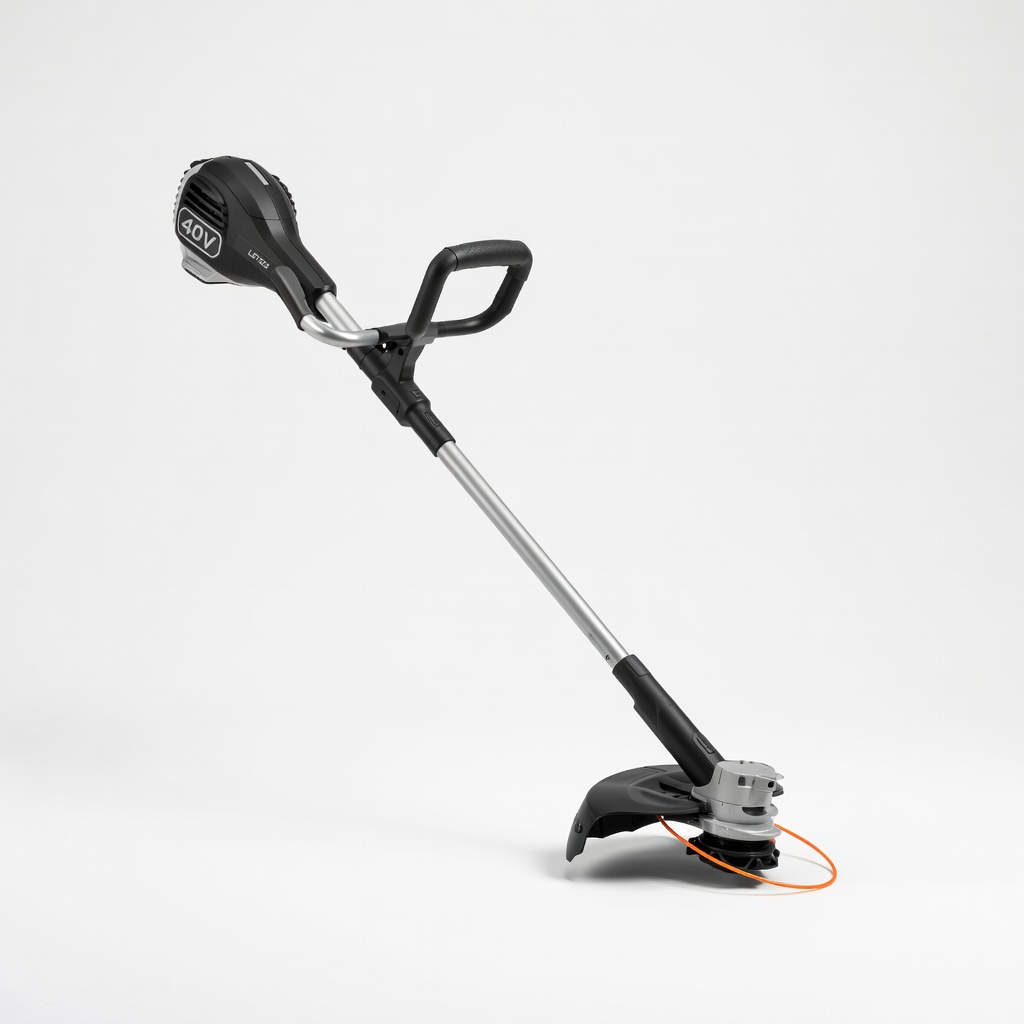
Border work; interchangeable battery with other tools.
BLACK+DECKER LST522 40V String Trimmer Lightweight, cordless with auto-feed for precise edging/trimming.
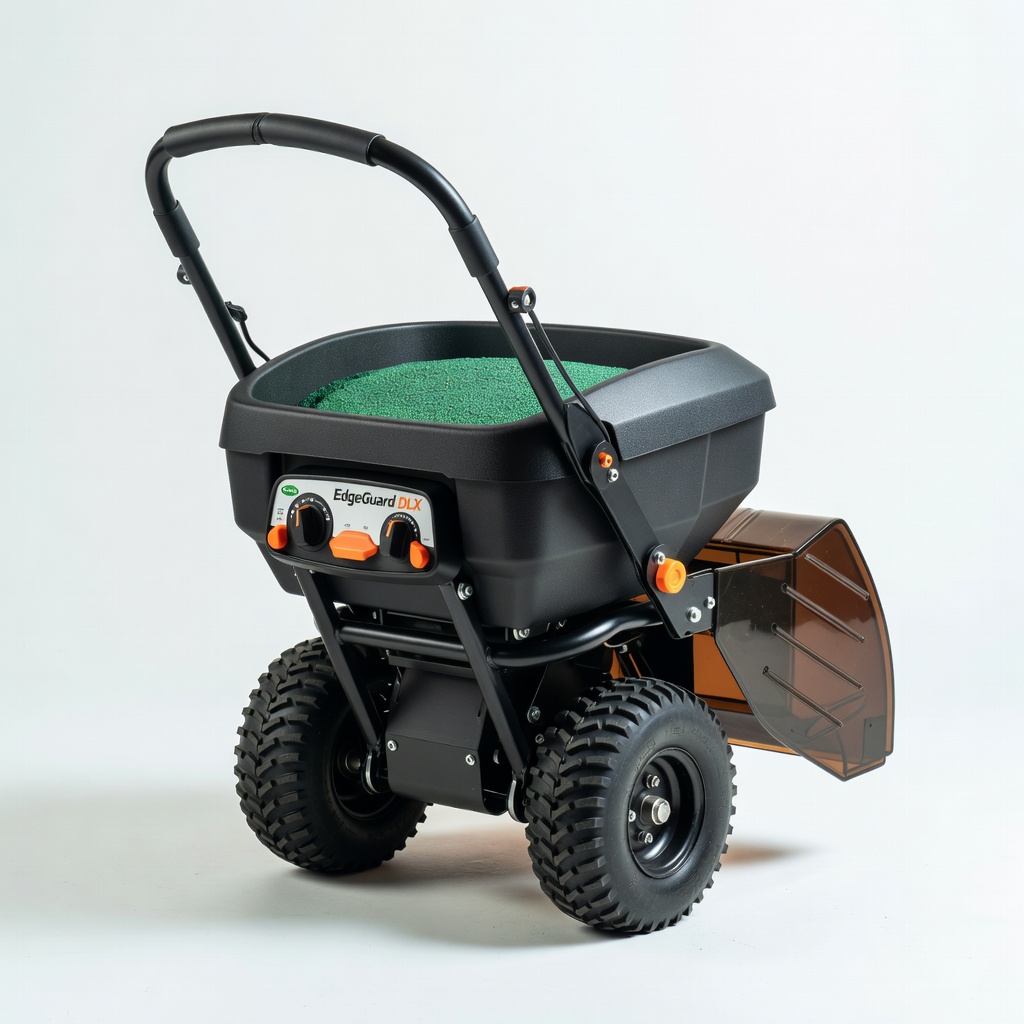
Fertilizing step; blocks side spill.
Scotts Turf Builder EdgeGuard DLX Spreader Accurate broadcast for even fertilizer/weed control distribution.

Weed control; saves back strain.
Fiskars 4-Claw Stand-Up Weeder Leverage design removes roots easily without bending.
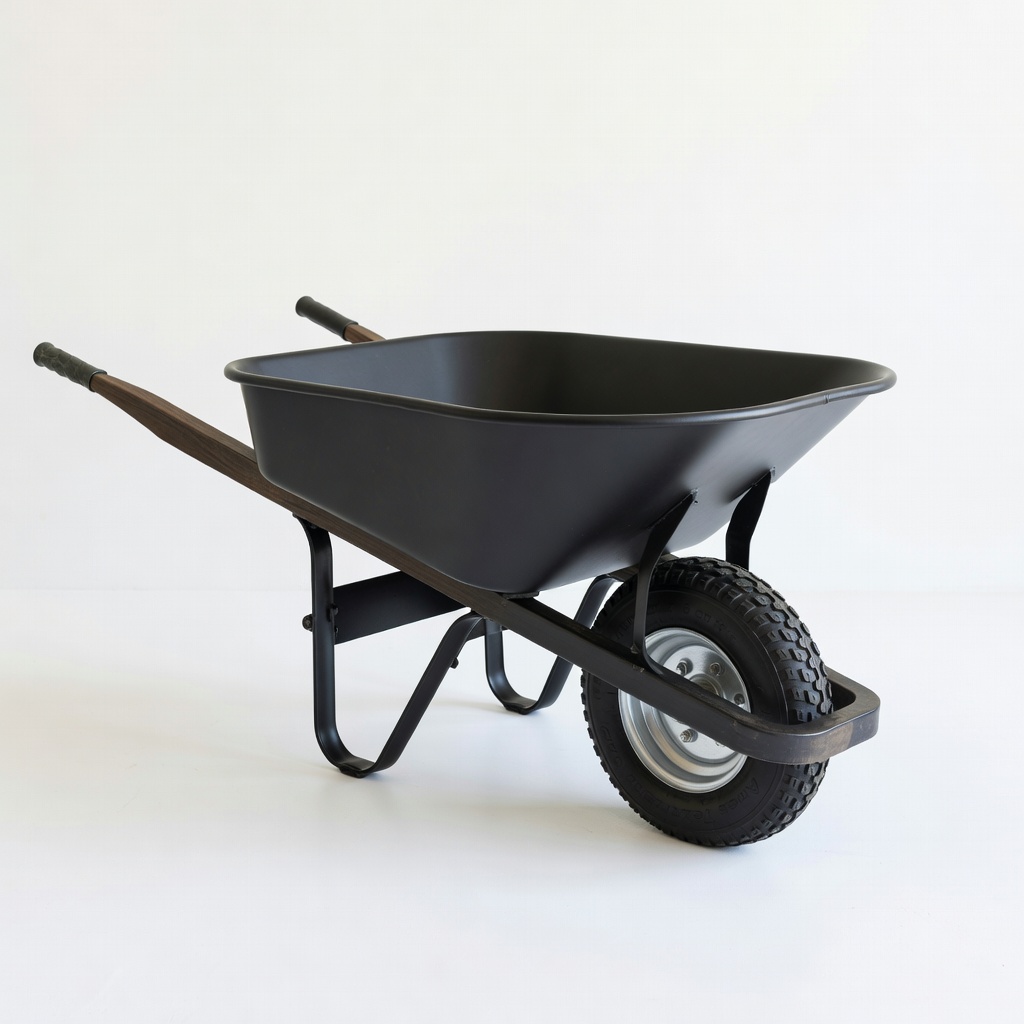
Cleanup; never-tip design.
Ames True Temper 6 cu ft Wheelbarrow Durable steel for heavy debris loads.