
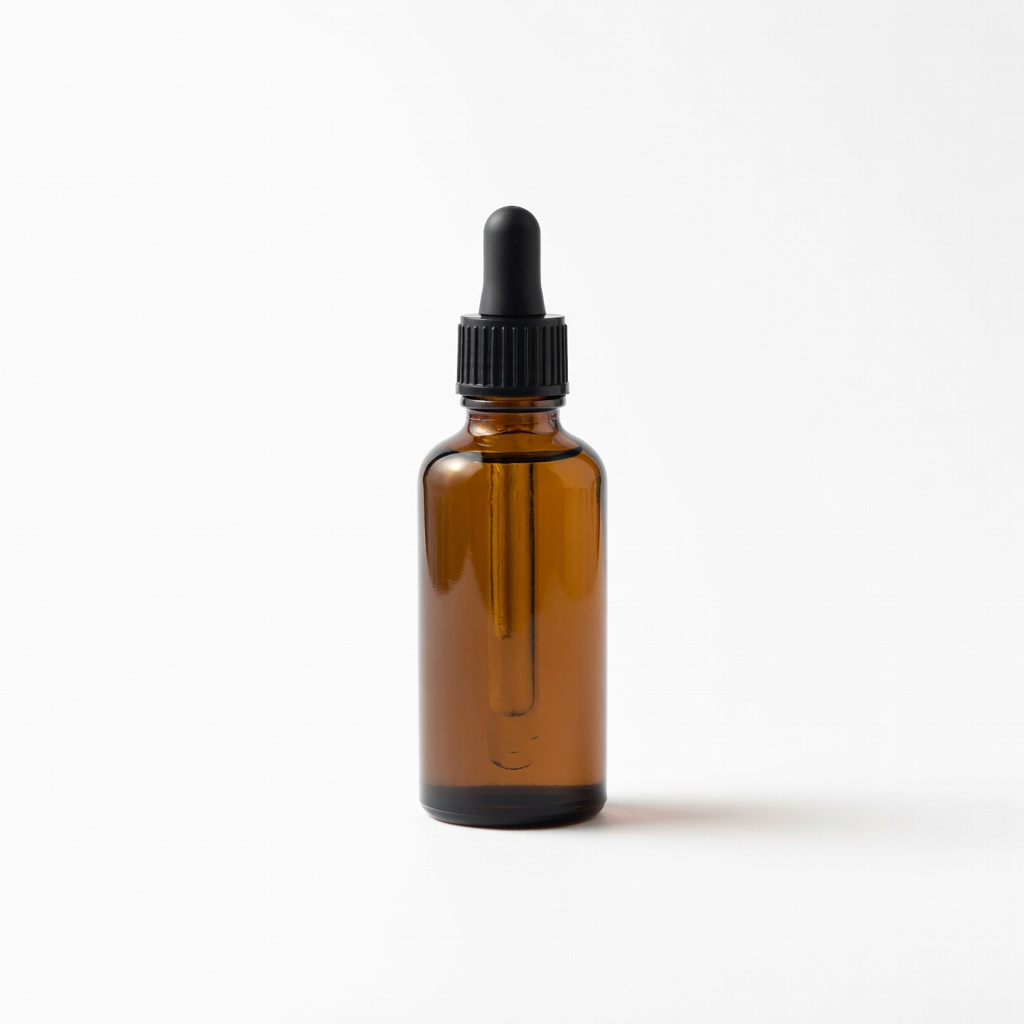
Hohner 941 Accordion Oil
Apply to valves and reeds during steps 5-6.
$9.49
Hohner 941 Accordion Oil Premium valve oil prevents sticking and ensures smooth airflow for clear tone.
Get the App
Better experience on mobile
Master advanced accordion maintenance techniques to ensure crystal-clear tone, responsive keys, and longevity for professional performance.
As an advanced accordion player, you know that even the finest instruments like piano or button accordions lose their sparkle without regular upkeep. Neglected maintenance leads to sticky keys, muffled reeds, and bellows leaks, robbing your music of its vibrant sound. This guide empowers you to perform pro-level servicing at home, saving hundreds on repairs while keeping your accordion in concert-ready condition.
You'll learn a complete routine covering cleaning, lubrication, reed inspection, and tuning basics, tailored for intermediate to expert players. Expect to spend 1-2 hours initially, then 20-30 minutes monthly. No prior repair experience needed beyond basic music knowledge, but precision is key.
Follow these steps sequentially for best results, using high-quality tools to avoid damage. By the end, your accordion will respond effortlessly with rich, balanced sound.
Estimated Time: 1-2 hours for full maintenance; 20-30 minutes monthly Difficulty: advanced
Set up a clean, well-lit table covered with a soft cloth to prevent scratches. Remove the accordion from its case and detach straps for easier access. For piano accordions, open the keyboard cover; for button models, expose the buttons.
Why it matters: A stable setup prevents dust contamination and accidental damage. Expect to see built-up grime immediately, signaling the need for care.
Gently shake out loose dust from crevices.
💡 Tips:
⚠️ Warnings:
Wipe the body, grill, and bellows with a microfiber cloth lightly dampened with water (no soap). Use a soft brush for folds. For stubborn dirt, add a drop of isopropyl alcohol.
Bellows integrity affects airtightness and sound projection. Clean folds prevent leaks that cause weak tones.
Dry thoroughly; success is a dust-free, gleaming finish.
💡 Tips:
⚠️ Warnings:
Brush keys/buttons with compressed air or soft brush to remove debris. Dip a cloth in isopropyl alcohol and gently clean each key, avoiding excess liquid.
Grime causes sticking, muting notes. Keys should move smoothly post-clean.
For advanced: Remove key covers if possible (check model manual).
💡 Tips:
⚠️ Warnings:
Apply 1-2 drops of key oil to each key pivot and bushing felt. Work the keys 10-20 times to distribute.
Proper lube ensures fast, quiet action for optimal phrasing. Over time, dried oil hardens, slowing response.
Wipe excess; keys feel silky smooth.
💡 Tips:
⚠️ Warnings:
Open the reed block access (remove grille screws carefully). Check pallet valves for wear or sticking. Apply valve oil sparingly to valve cloth/foam.
Valves control airflow for clear attacks/decays. Stiff valves muffle highs.
Reassemble loosely for testing.
💡 Tips:
⚠️ Warnings:
Examine reeds for corrosion, bending, or wax buildup. Gently scrape rust with a reed tool; re-wax if loose.
Clean tongues with alcohol swab. Reeds dictate tone—dirty ones buzz or flatten.
Success: Reeds vibrate freely without tongues touching plates.
💡 Tips:
⚠️ Warnings:
Play scales across registers, listening for sour notes. Use a tuner app for pitch (A=440Hz). Lightly file high reeds if sharp.
Tuning ensures intonation for ensemble play.
Full play-through confirms balanced volume and response.
💡 Tips:
⚠️ Warnings:
Secure all parts, reattach straps. Store in case upright in stable environment.
Proper storage prevents future issues. Note dates for monthly repeats.
Your accordion now sings with optimal clarity.
💡 Tips:
⚠️ Warnings:
Problem: Sticky keys after oiling
Solution: Wipe excess oil, cycle keys 50x, wait 24h. If persists, clean and re-oil sparingly.
Problem: Muffled or buzzing reeds
Solution: Clean tongues, check alignment. Re-wax bases if loose. Seek pro for severe bends.
Problem: Bellows air leaks
Solution: Apply bellows tape to folds or conditioner. Test pump; replace leather if cracked.
Problem: Uneven volume across registers
Solution: Oil valves evenly, check reed set heights. Full tune professionally.
Premium valve oil prevents sticking and ensures smooth airflow for clear tone.
Best for: Apply to valves and reeds during steps 5-6.
Price Range: $9.49
Fast-drying formula lubricates bushes without gumming up, ideal for advanced key work.
Best for: Key lubrication in step 4 for responsive action.
Price Range: $11.99
Lint-free and highly absorbent for streak-free cleaning without scratching finishes.
Best for: Exterior, keys, and reeds in steps 2-3.
Price Range: $12.99
Precision tools for safe reed cleaning and adjustment, essential for advanced users.
Best for: Reed inspection and minor tuning in step 6.
Price Range: $24.99
Self-adhesive tape seals minor leaks quickly for airtight performance.
Best for: Bellows repairs during troubleshooting.
Price Range: $14.99
Apply to valves and reeds during steps 5-6.
Hohner 941 Accordion Oil Premium valve oil prevents sticking and ensures smooth airflow for clear tone.
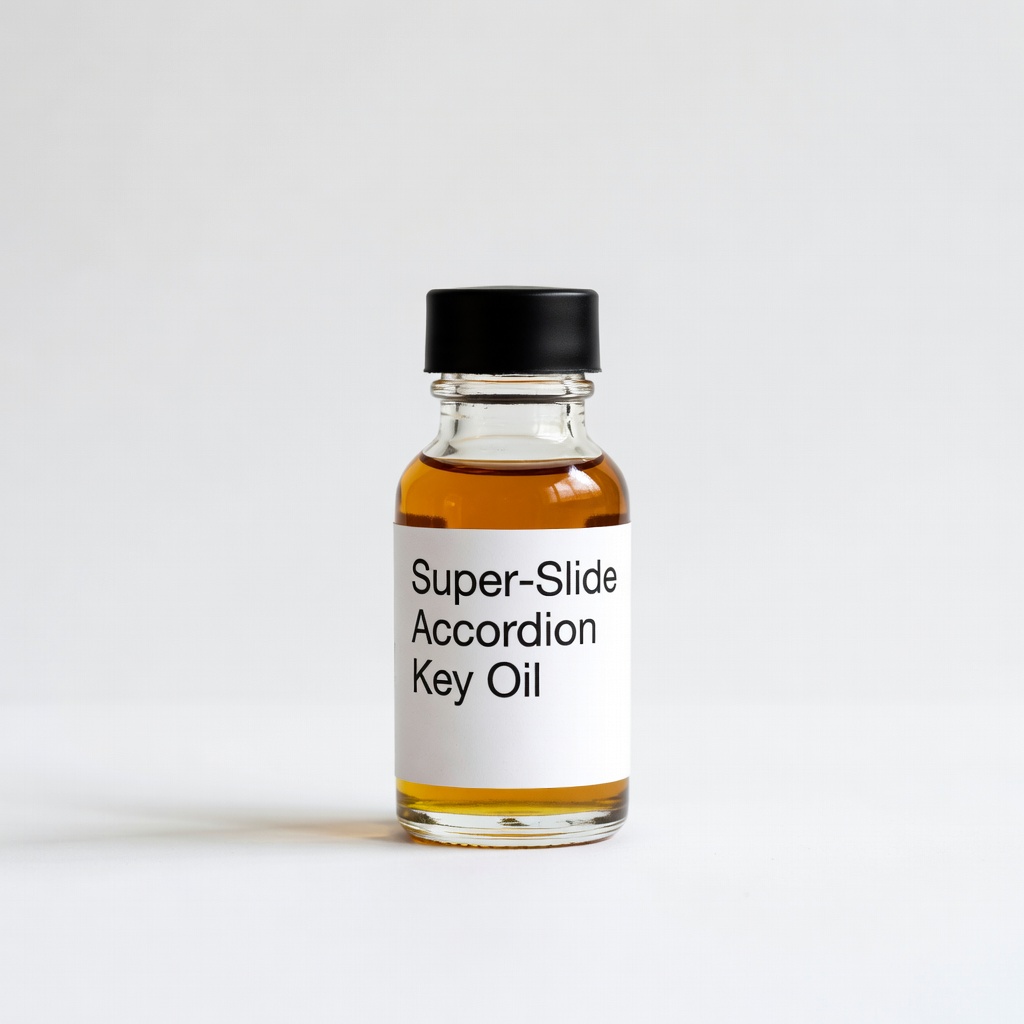
Key lubrication in step 4 for responsive action.
Super-Slide Accordion Key Oil Fast-drying formula lubricates bushes without gumming up, ideal for advanced key work.
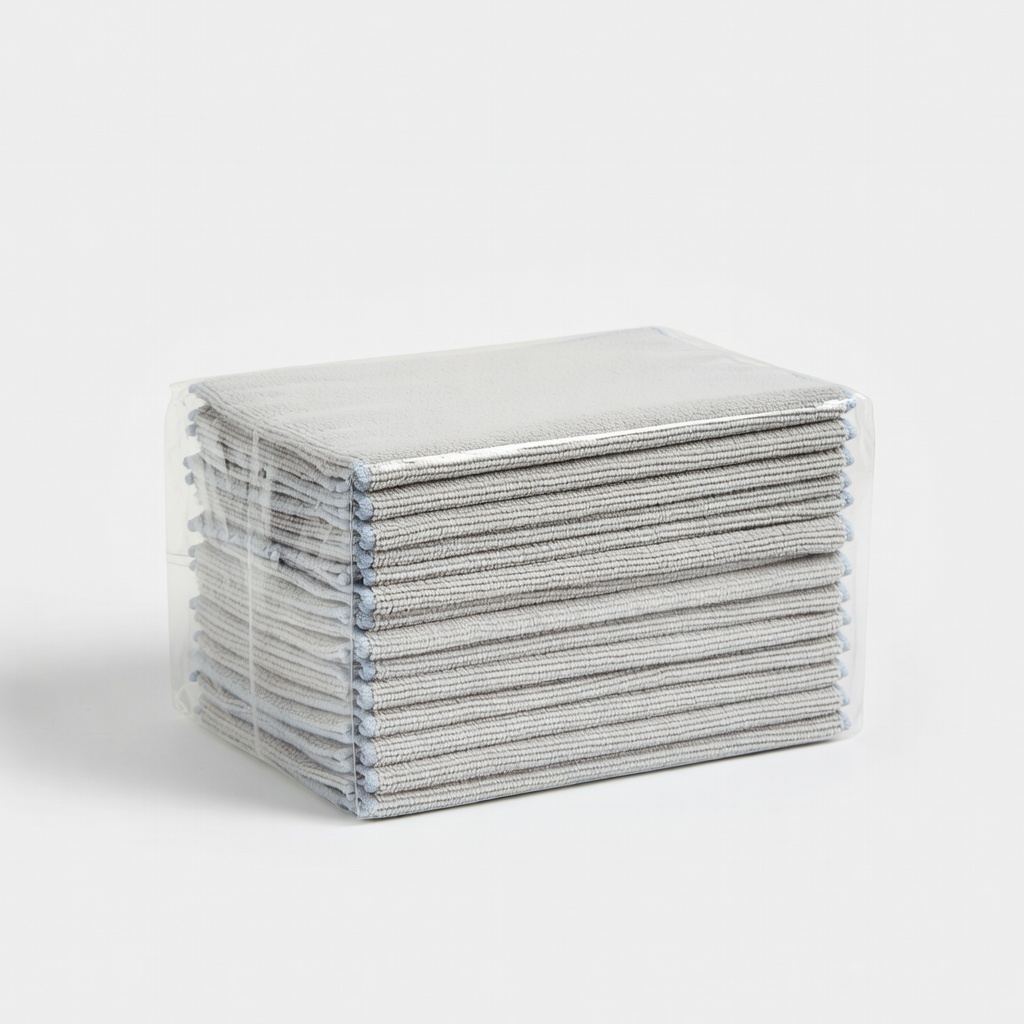
Exterior, keys, and reeds in steps 2-3.
Amazon Basics Microfiber Cleaning Cloths (24-pack) Lint-free and highly absorbent for streak-free cleaning without scratching finishes.
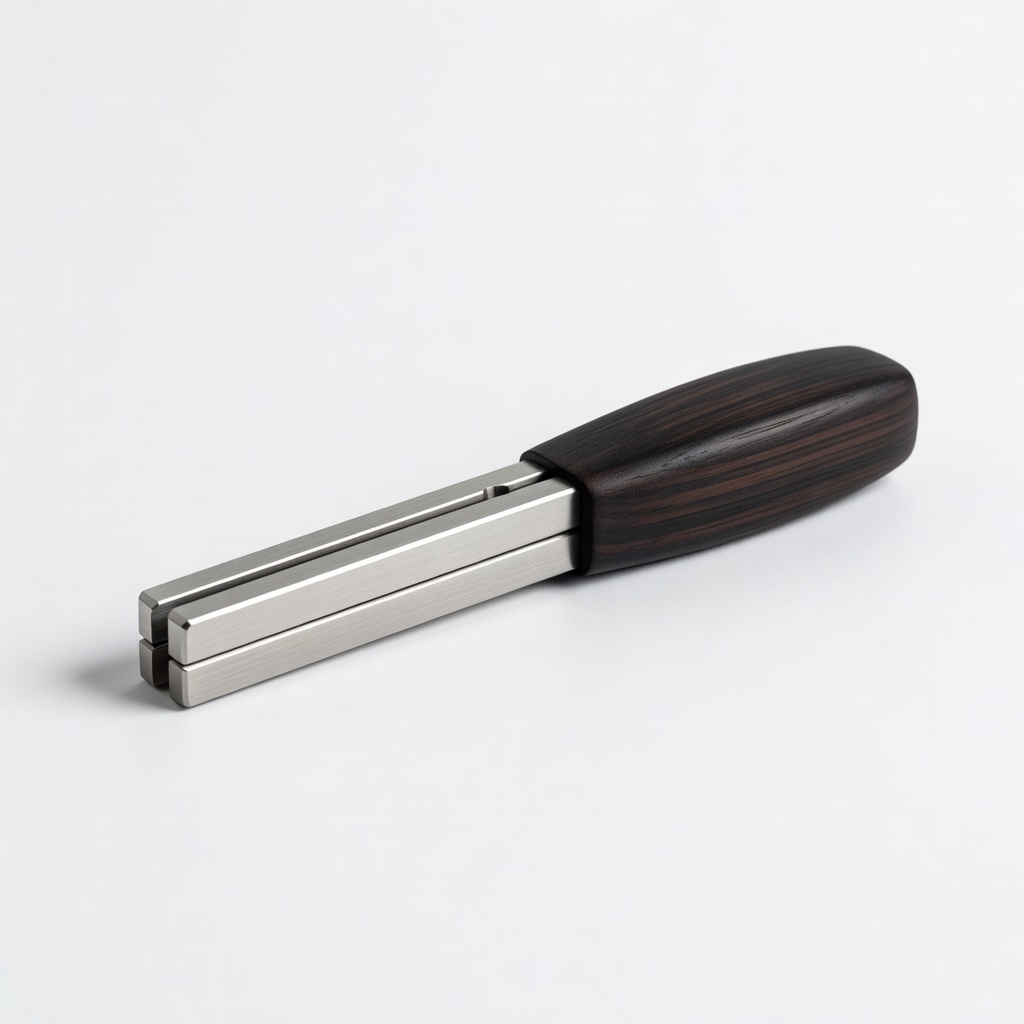
Reed inspection and minor tuning in step 6.
Testrite Accordion Reed Tool Precision tools for safe reed cleaning and adjustment, essential for advanced users.
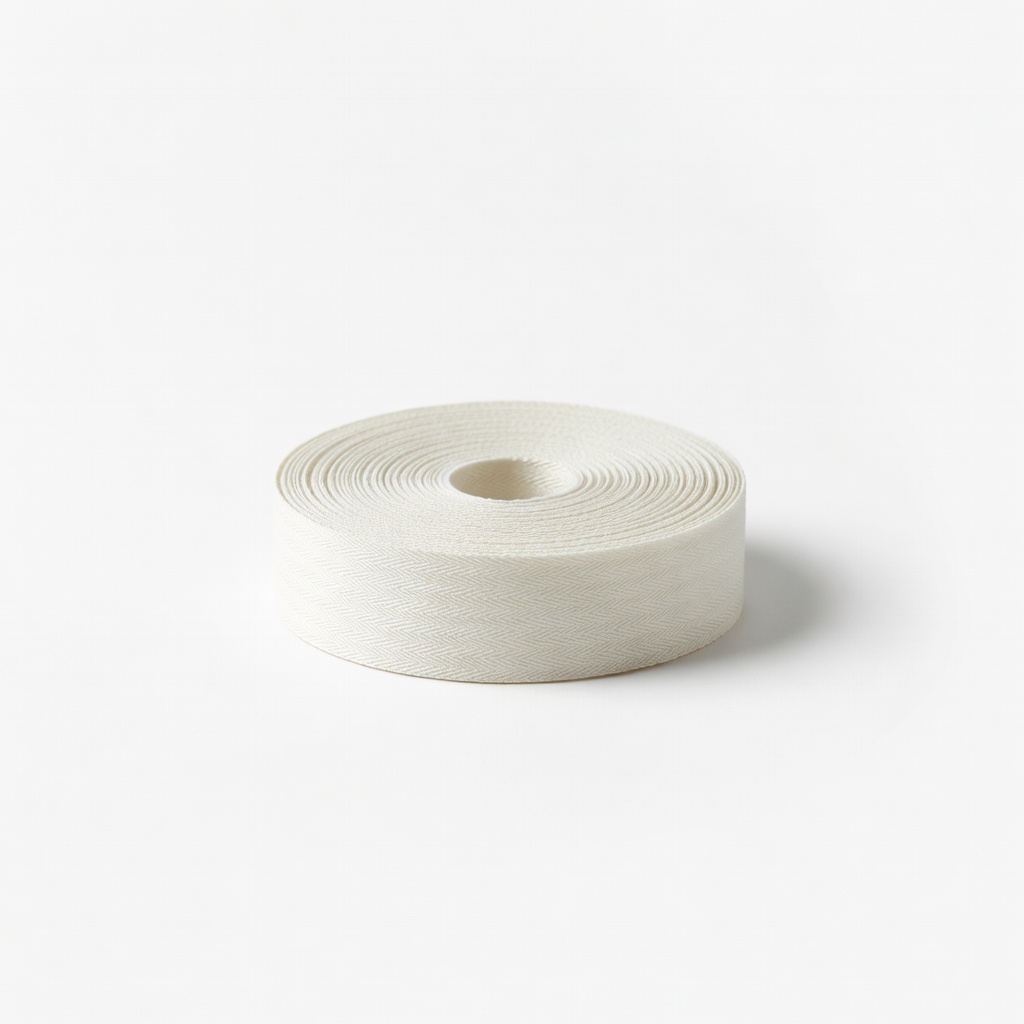
Bellows repairs during troubleshooting.
Hohner Bellows Tape Self-adhesive tape seals minor leaks quickly for airtight performance.