
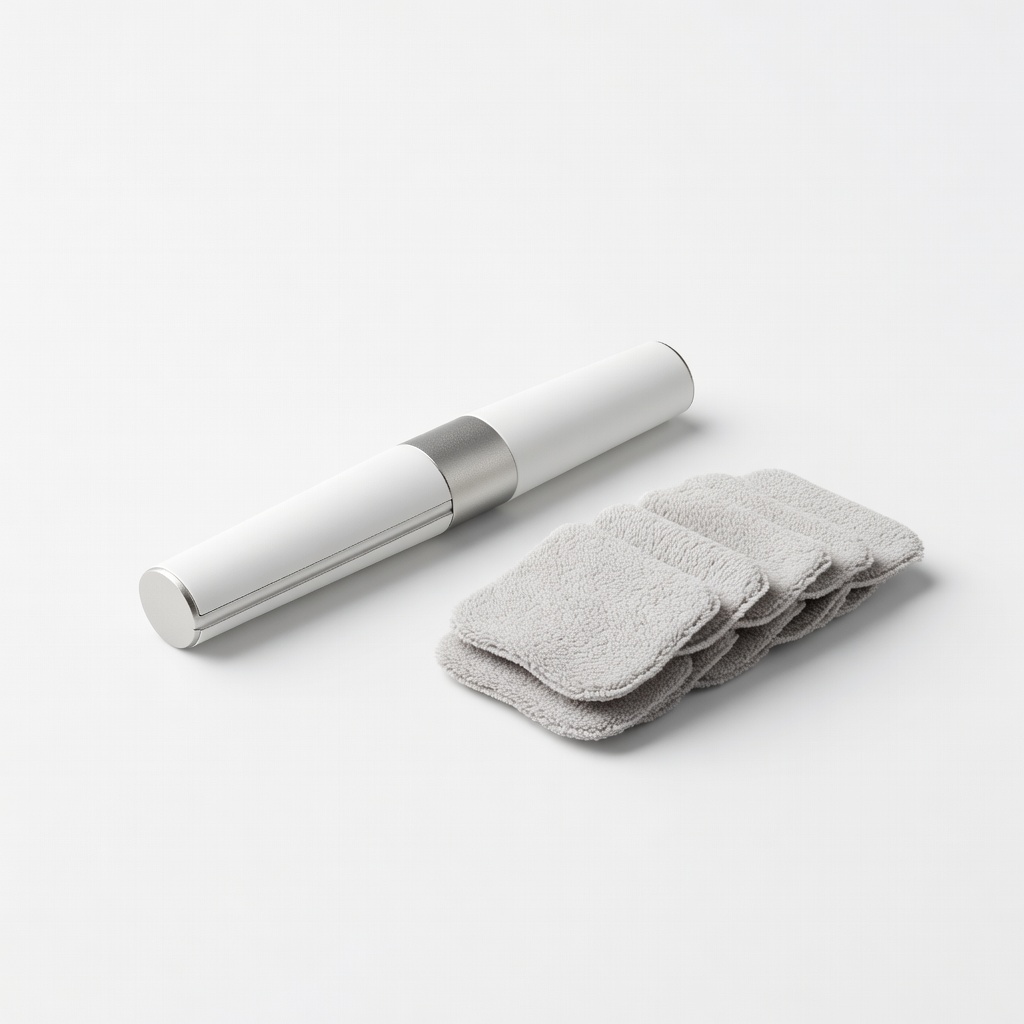
MandoViva Professional Reed Cleaner
Deep cleaning step 6—safe on brass and steel.
$19.99
MandoViva Professional Reed Cleaner Formulated for accordion reeds, removes grime without residue or damage.
Get the App
Better experience on mobile
Master step-by-step maintenance to keep your accordion reeds clean, responsive, and sounding their best for years.
Neglected accordion reeds accumulate dust, grime, and moisture, leading to sluggish response, off-pitch notes, and reduced volume—ruining your playing experience. As an intermediate player, you can prevent costly repairs by performing regular maintenance yourself, saving hundreds on professional servicing.
In this guide, you'll learn proven techniques to inspect, clean, and optimize your reeds for peak performance. We'll cover everything from preparation to testing, using safe methods that avoid damage. Expect to spend 45-90 minutes per session, depending on your accordion's condition—perfect for monthly upkeep.
By the end, your accordion will play smoother, louder, and more accurately, extending its life significantly.
Estimated Time: 45-90 minutes Difficulty: intermediate
Choose a clean, well-lit, dust-free area like a table covered with a soft cloth. Lay out all tools and wear gloves to prevent transferring skin oils to reeds. Disconnect the accordion from any straps and ensure it's at room temperature (avoid cold or humid spots).
Why it matters: Contaminants from your environment can worsen reed issues. Success looks like a organized setup ready to go—no loose parts.
💡 Tips:
⚠️ Warnings:
Gently open the accordion's treble and bass sides. Shine a light into the reed blocks and look for dust buildup, rust spots, bent tongues, or sticky valves. Note any reeds that don't vibrate freely when blown softly.
Why it matters: Early detection prevents major problems. Expect to find surface dust (normal) vs. corrosion (needs attention). Mark problem areas with painter's tape.
💡 Tips:
⚠️ Warnings:
Wipe the exterior, keys, and bellows folds with a microfiber cloth slightly dampened with isopropyl solution. Use compressed air to blow out dust from crevices and bellows corners. Vacuum gently over grilles.
Why it matters: Dust enters reeds from here. Success: Surfaces shine without residue; bellows fold smoothly.
💡 Tips:
⚠️ Warnings:
Unscrew the reed block covers or pallets using the precision screwdriver (note screw positions). Carefully lift out reed blocks, placing them on a soft cloth in order.
Why it matters: Direct access for deep clean. Expect 10-20 blocks; handle gently to avoid misalignment.
💡 Tips:
⚠️ Warnings:
Use the soft nylon brush to gently sweep each reed tongue and plate. Follow with compressed air blasts at 45-degree angles to dislodge particles. Avoid touching reeds directly.
Why it matters: Removes 90% of performance-robbing debris. Reeds should gleam and move freely.
💡 Tips:
⚠️ Warnings:
Dip a microfiber cloth in diluted isopropyl, wring dry, and wipe reed plates. For stubborn grime, use reed-specific cleaner sparingly. Dry immediately and polish.
Why it matters: Ensures corrosion resistance. Success: No visible residue, reeds swing 1-2mm freely.
💡 Tips:
⚠️ Warnings:
Use feeler gauge to verify reed-to-frame gap (0.3-0.5mm). If binding, gently adjust. Melt reed wax thinly on block joints for stability.
Why it matters: Optimizes vibration. Expect crisp response post-wax.
💡 Tips:
⚠️ Warnings:
Replace blocks, secure screws evenly. Play scales across registers, listening for even tone and response.
Why it matters: Verifies success. Sound should be bright and immediate.
💡 Tips:
⚠️ Warnings:
Problem: Reeds still sluggish after cleaning
Solution: Check for bent tongues or worn valves; apply light wax or seek tuner.
Problem: Buzzing or rattling
Solution: Tighten loose screws; inspect for debris or misalignment.
Problem: Uneven volume across notes
Solution: Recheck gaps with feeler; may need professional profiling.
Problem: Moisture buildup
Solution: Use drier reeds or dehumidify storage; avoid rainy gigs.
Formulated for accordion reeds, removes grime without residue or damage.
Best for: Deep cleaning step 6—safe on brass and steel.
Price Range: $19.99
High-quality wax seals blocks and prevents dust entry.
Best for: Step 7 for stabilization—melts evenly.
Price Range: $12.50
Lint-free and anti-static, perfect for polishing without scratches.
Best for: All wiping steps—reusable for years.
Price Range: $9.99
Precision drivers won't strip tiny accordion screws.
Best for: Disassembly/reassembly—magnetic tips prevent loss.
Price Range: $24.99-$49.99
Thins without gumming reeds.
Best for: Valves near reeds—apply post-clean.
Price Range: $7.99
Deep cleaning step 6—safe on brass and steel.
MandoViva Professional Reed Cleaner Formulated for accordion reeds, removes grime without residue or damage.
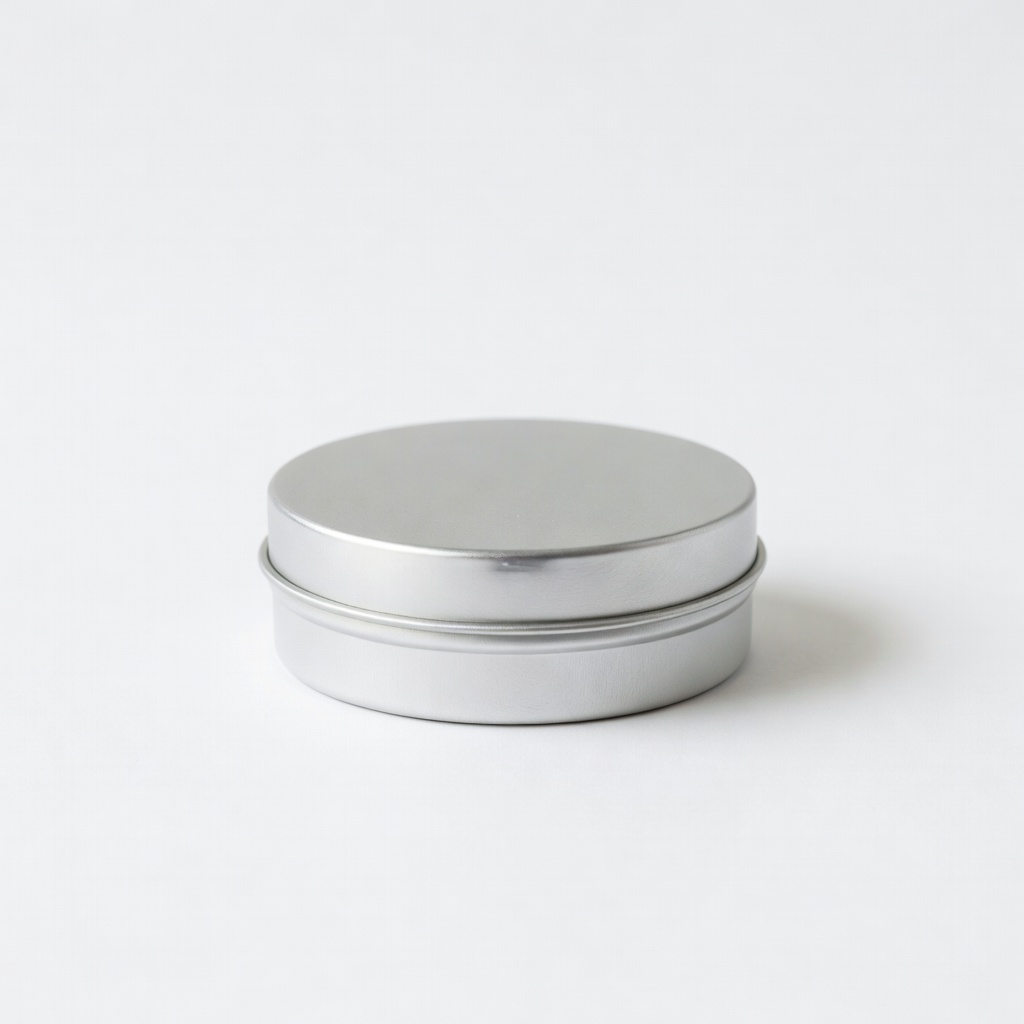
Step 7 for stabilization—melts evenly.
Pitt Reed Wax for Accordions High-quality wax seals blocks and prevents dust entry.
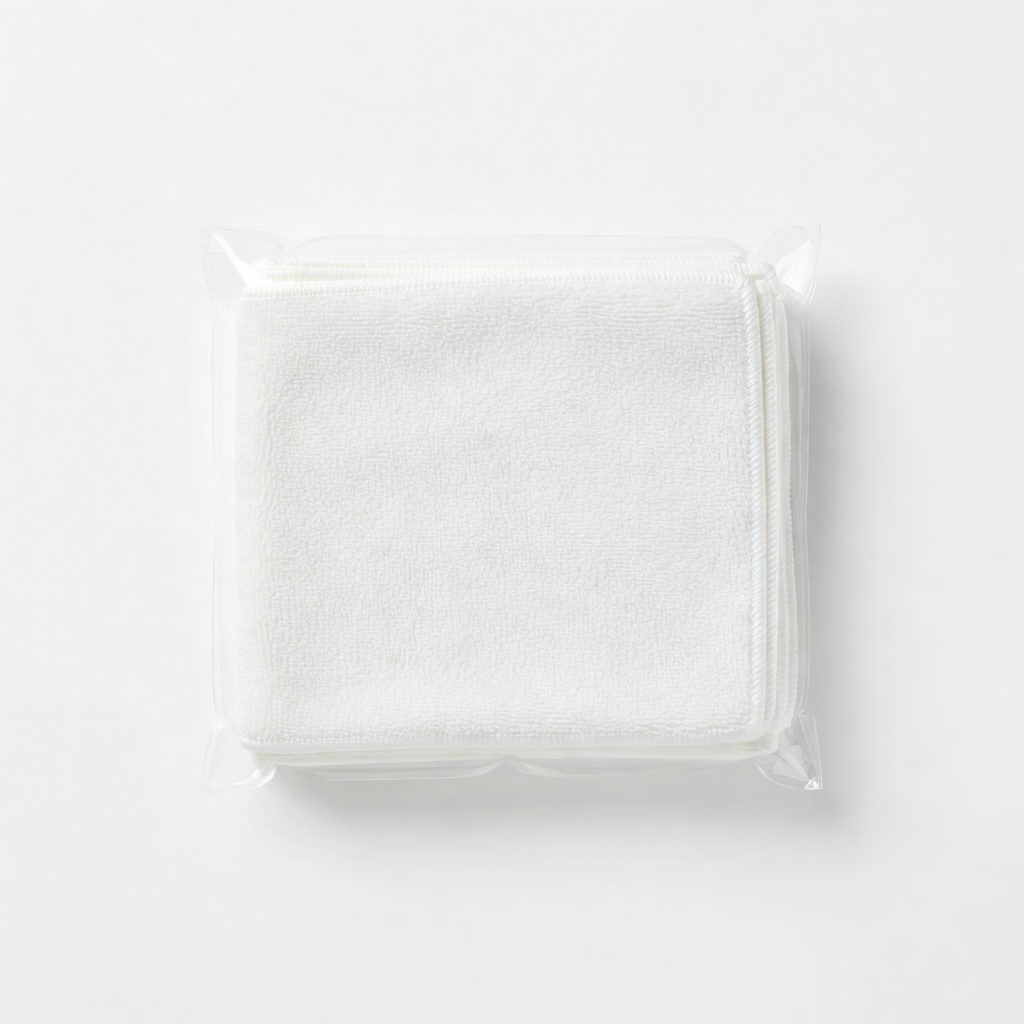
All wiping steps—reusable for years.
D'Addario Microfiber Polishing Cloth Pack Lint-free and anti-static, perfect for polishing without scratches.
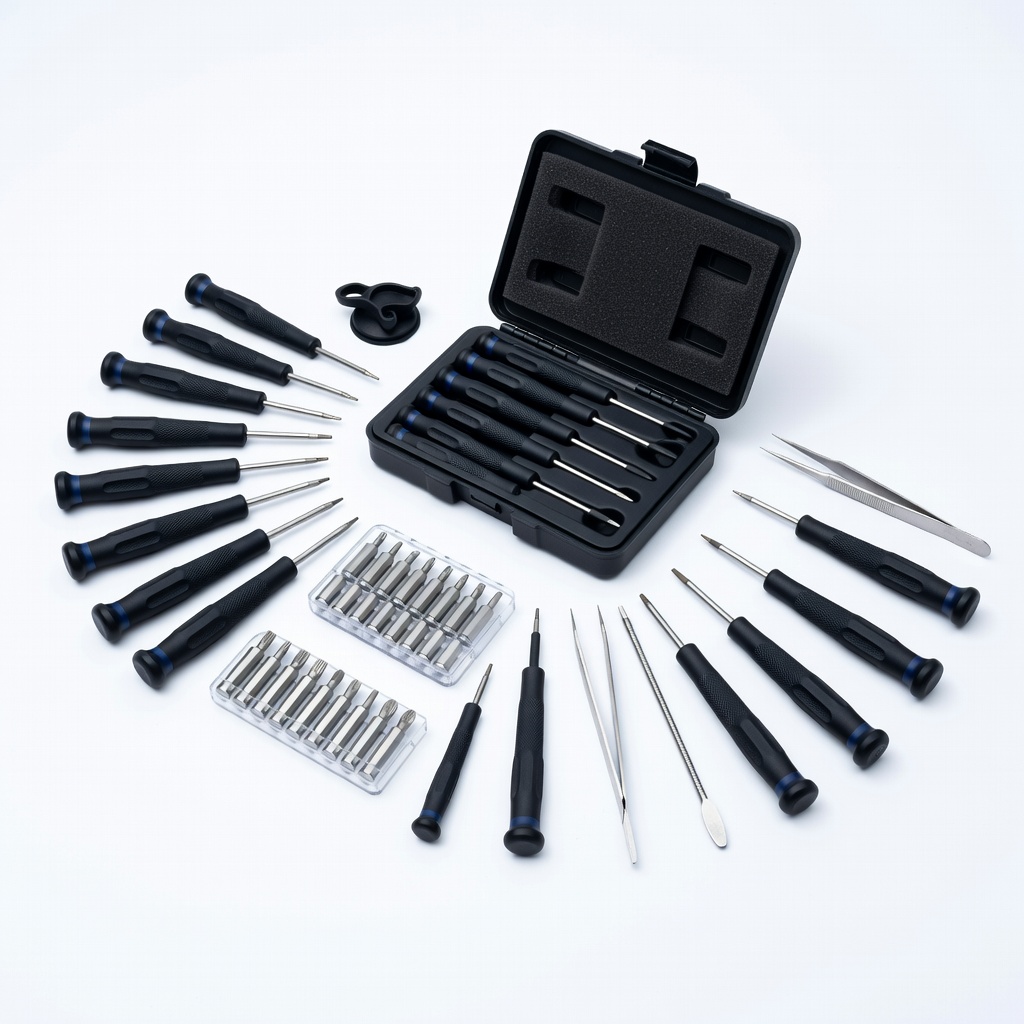
Disassembly/reassembly—magnetic tips prevent loss.
iFixit Pro Tech Toolkit Precision drivers won't strip tiny accordion screws.

Valves near reeds—apply post-clean.
Superslick Professional Valve Oil Thins without gumming reeds.