
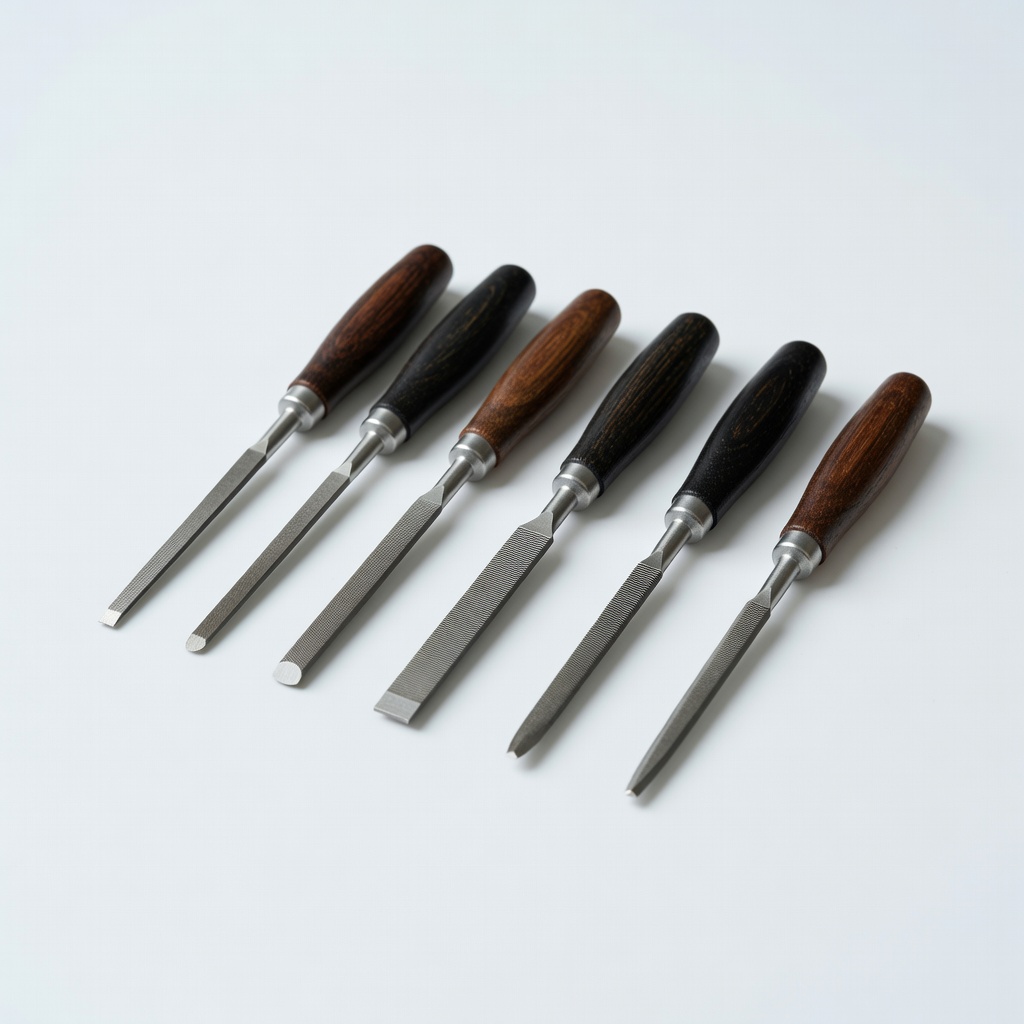
G. Pinelli Needle File Set (6-piece)
Filing worn reed tips during step 6.
$25-$35
G. Pinelli Needle File Set (6-piece) Precision files essential for shaping without over-removal; Swiss-made quality for advanced users.
Get the App
Better experience on mobile
Master advanced reed care techniques to restore tone, responsiveness, and longevity to your accordion's sound.
Accordion reeds are the heart of your instrument's voice, but dust, moisture, and wear can dull their brilliance over time. Neglected reeds lead to sluggish response, off-pitch notes, and costly repairs. As an advanced player, you know the value of DIY maintenance to keep your accordion in concert-ready condition without shipping it to a technician.
In this guide, you'll learn precise steps to clean, adjust, file, and tune reeds safely. Expect to spend 2-4 hours per reed block set, depending on your accordion's size (e.g., piano or button accordion). This advanced process assumes familiarity with disassembly and basic tuning.
By the end, your reeds will vibrate freely, producing clear, vibrant tones. We'll cover tools, pitfalls, and pro tips for pro-level results.
Estimated Time: 2-4 hours per reed block set (e.g., 1-2 hours for small 8-bass, longer for full-size) Difficulty: advanced
Set up a clean, static-free workspace with good lighting and a soft mat to avoid scratching reeds. Wear cotton gloves to prevent oils from your skin transferring to the delicate metal tongues.
Remove the accordion's top and bottom panels using JIS screwdrivers. Carefully detach reed blocks from the reed plates—label each block (treble/bass, register) with tape to avoid mix-ups. Success: Reed blocks out without bending tongues or breaking wax seals.
Why it matters: Proper disassembly prevents damage that could require reed replacement ($50+ per reed).
💡 Tips:
⚠️ Warnings:
Examine each reed tongue under magnification for bends, chips, rust, or uneven wear. Check the gap between tongue tip and frame (should be 0.3-0.5mm for most Italian reeds).
Note any reeds that don't vibrate freely when plucked. Success: A list of problem reeds prioritized for cleaning vs. repair.
Why it matters: Early detection saves 80% of repair time; ignored issues compound into dead notes.
💡 Tips:
⚠️ Warnings:
Use compressed air to blow out loose dust from reed plates. Gently brush each reed with a horsehair brush, stroking from base to tip.
Dip a microfiber cloth in 99% isopropyl alcohol (diluted 1:1 with water) and wipe frames—avoid soaking tongues. Dry thoroughly. Success: Reeds shine without residue; tongues move freely.
Why it matters: Dust buildup mutes volume by 20-30%; cleaning restores full projection.
💡 Tips:
⚠️ Warnings:
For light rust, apply isopropyl alcohol with a cotton swab and scrub gently with a brass reed brush. For heavier spots, use fine (#0000) steel wool sparingly.
Polish with a dry microfiber cloth. Success: Metal surfaces bright and uniform; no pitting.
Why it matters: Rust disrupts vibration, causing wolf tones or pitch instability.
💡 Tips:
⚠️ Warnings:
Measure gaps with digital caliper. Use reed tongs to gently bend tongues: squeeze for wider gap, pry for narrower (target 0.35mm average).
Test by blowing through the block. Success: Consistent airflow and prompt response on all reeds.
Why it matters: Incorrect gaps cause air leaks or sluggish attack, ruining dynamics.
💡 Tips:
⚠️ Warnings:
For uneven tips or curls, use a fine needle file (1mm width) held at 10° angle. File from tip back 1/3 length, maintaining curve.
Check pitch after each pass. Success: Smooth, even profile matching factory specs.
Why it matters: Shaping restores timbre; pros do this quarterly for vintage instruments.
💡 Tips:
⚠️ Warnings:
Melt reed wax (low heat gun) and reseat loose reeds if needed. Reinstall blocks, torquing screws evenly (1-2 Nm).
Success: Secure fit with no rattles.
Why it matters: Loose reeds shift pitch under pressure.
💡 Tips:
⚠️ Warnings:
Reassemble accordion. Play scales using tuning bellows or strobe tuner—adjust cents as needed (±5 cents tolerance).
Success: Even response, stable pitch across bellows pressure.
Why it matters: Maintenance without tuning wastes effort.
💡 Tips:
⚠️ Warnings:
Problem: Reed won't vibrate after cleaning
Solution: Check for oil residue; re-clean with IPA and dry 24 hours. Adjust gap wider.
Problem: Pitch drifts with bellows pressure
Solution: Tighten reed screws evenly; recheck wax seal.
Problem: Dead notes persist
Solution: Inspect for cracks; replace reed if broken (seek pro if unsure).
Problem: Reeds stick in humid climates
Solution: Use dehumidifier; apply thin graphite powder to tongues.
Precision files essential for shaping without over-removal; Swiss-made quality for advanced users.
Best for: Filing worn reed tips during step 6.
Price Range: $25-$35
Accurate clip-on strobe for precise gap and tuning checks; vibration-resistant.
Best for: Final tuning in step 8 and ongoing maintenance.
Price Range: $18-$22
0.01mm accuracy critical for gap adjustments; durable for workshop use.
Best for: Measuring tongue gaps in steps 2 and 5.
Price Range: $30-$40
Gentle on tongues, removes dust without scratching; pro accordionist favorite.
Best for: Daily/periodic cleaning in step 3.
Price Range: $10-$15
Pure beeswax blend melts evenly, ideal for reseating without residue.
Best for: Rewaxing loose reeds in step 7.
Price Range: $12-$18
Filing worn reed tips during step 6.
G. Pinelli Needle File Set (6-piece) Precision files essential for shaping without over-removal; Swiss-made quality for advanced users.

Final tuning in step 8 and ongoing maintenance.
Korg PC2 Pitchclip 2 Tuner Accurate clip-on strobe for precise gap and tuning checks; vibration-resistant.
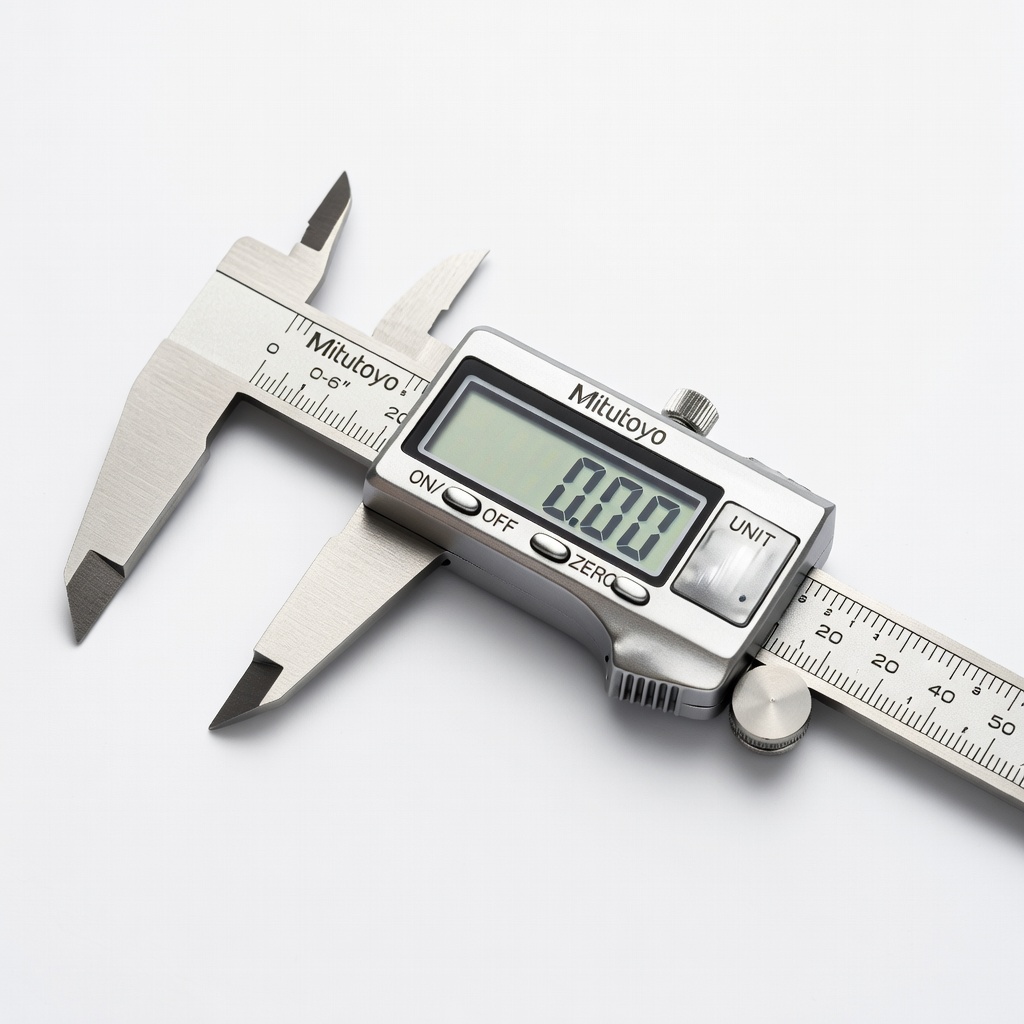
Measuring tongue gaps in steps 2 and 5.
Mitutoyo Digital Caliper 0-6" (152mm) 0.01mm accuracy critical for gap adjustments; durable for workshop use.
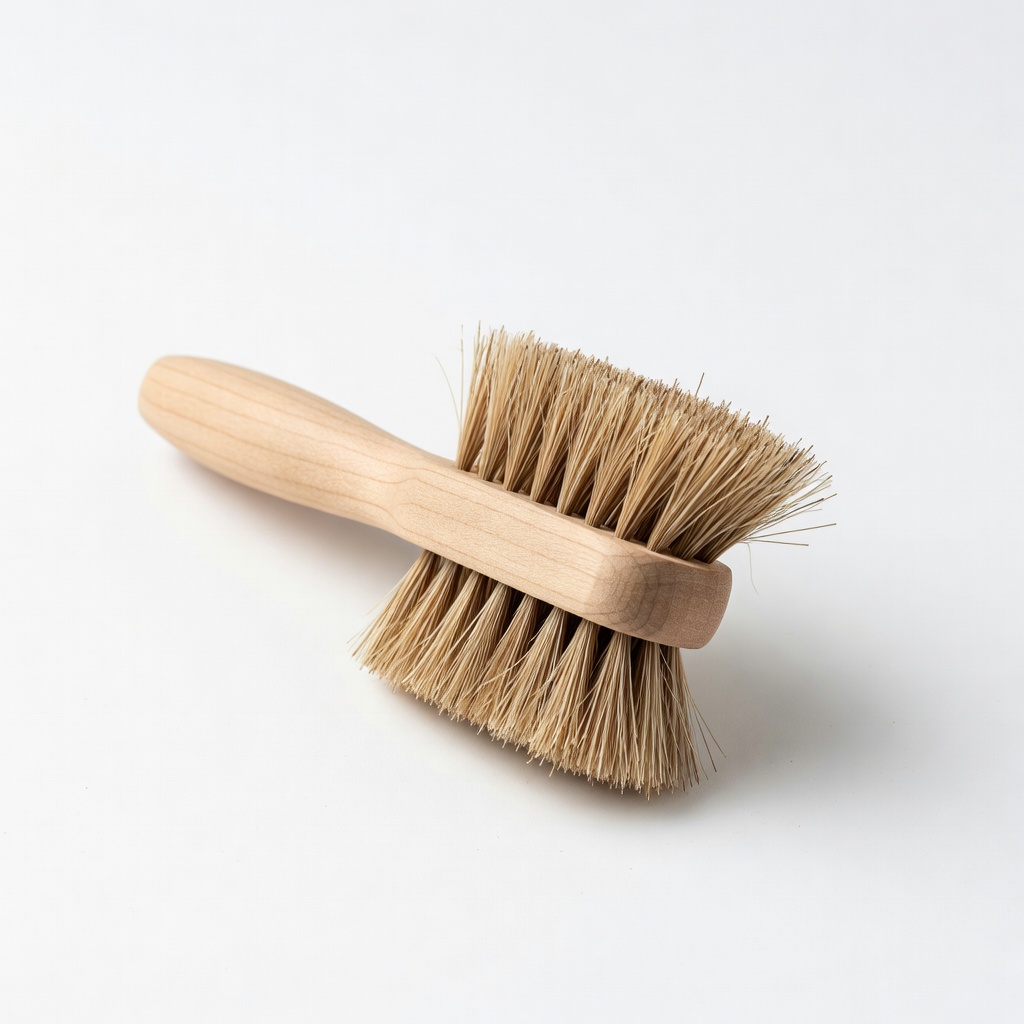
Daily/periodic cleaning in step 3.
Horsehair Reed Cleaning Brush Gentle on tongues, removes dust without scratching; pro accordionist favorite.
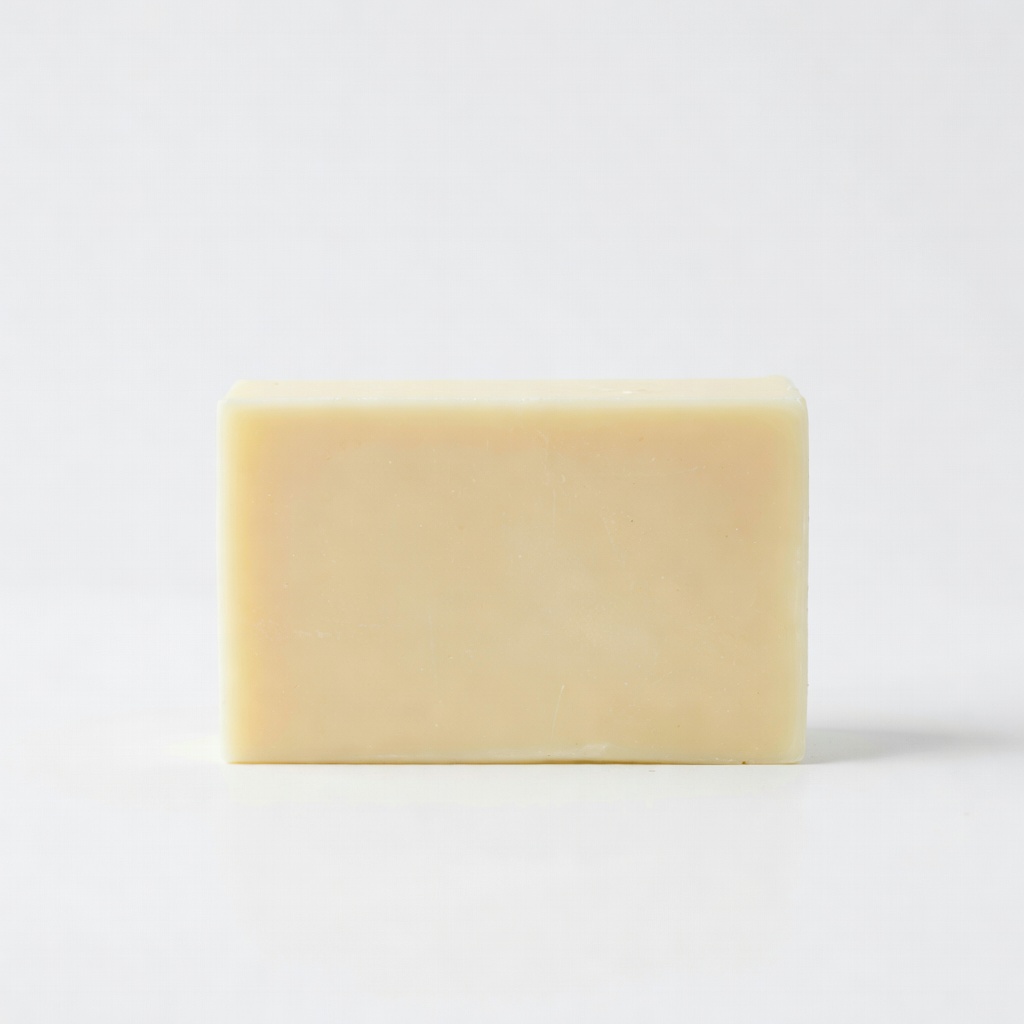
Rewaxing loose reeds in step 7.
Reed Block Wax (1 lb) Pure beeswax blend melts evenly, ideal for reseating without residue.