Smoke detectors save lives, but they only work if their 9V batteries are fresh and properly maintained. A chirping detector or dead battery can mean disaster during a fire—don't let neglect put your family at risk. This guide teaches beginners everything needed to keep detectors beeping loud and clear.
You'll learn to identify low batteries, safely replace them, test functionality, and set up a maintenance routine. The process is straightforward, requiring no special skills or tools beyond basics. Expect 10-20 minutes per detector, perfect for monthly checks.
By the end, your smoke alarms will be reliable sentinels, giving peace of mind and potentially complying with fire safety codes.
▸What You'll Need
- •Fresh 9V alkaline or lithium batteries (at least one per detector)
- •Stepladder (required if detectors are mounted high)
- •Phillips or flathead screwdriver (if cover is screwed)
- •Dry microfiber cloth or soft brush for cleaning
- •Optional: Digital battery tester
- •Optional: Smoke detector test spray
Estimated Time: 10-20 minutes per smoke detector
Difficulty: beginner
▸Step-by-Step Instructions
Step 1: Prepare Your Workspace and Safety Gear
Before touching any detector, gather all materials in one spot. Work during daylight or with good lighting to avoid mistakes. If detectors are on ceilings, position your ladder stably on flat ground—never overreach.
Why it matters: Safety first prevents falls or improper handling. Expect a quick 2-minute setup. Turn off the main breaker if your detectors have hardwired backups to silence alarms during work.
Pro tip: Have a helper nearby for high mounts.
💡 Tips:
- •Label a box for old batteries to recycle later.
⚠️ Warnings:
- •Avoid working alone on ladders over 6 feet.
Step 2: Locate All Smoke Detectors in Your Home
Walk through your home, checking every floor, hallway, bedroom, and near kitchens. Most homes need one per bedroom, outside sleeping areas, and on each level.
Why? Comprehensive coverage ensures no detector is overlooked. Expect to find 4-8 units. Note locations on paper for future reference.
Success looks like: A complete list of all detectors ready for inspection.
💡 Tips:
- •Use a home map app to mark spots.
⚠️ Warnings:
- •Don't forget basement or attic detectors.
Step 3: Listen for Low Battery Chirps
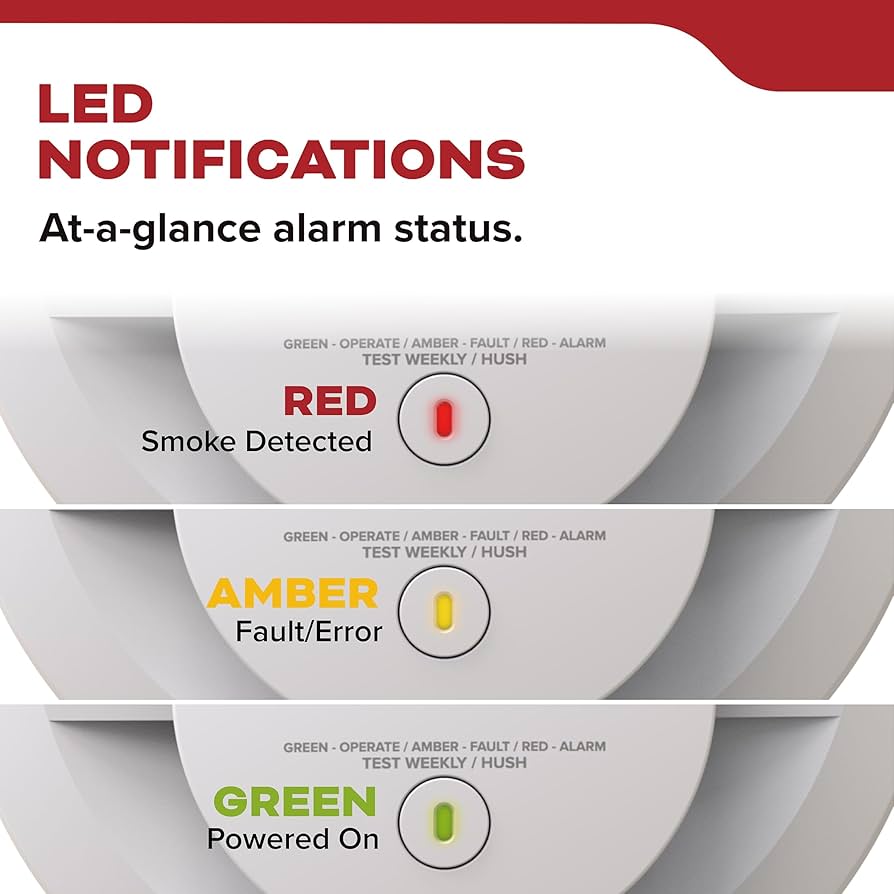
Stand quietly under each detector for 30 seconds. A single chirp every 30-60 seconds signals low battery.
This is the easiest alert—address it immediately to avoid false alarm fatigue. If chirping, proceed to replacement; if silent, still test monthly.
What to expect: Peace or a telltale 'beep' prompting action.
💡 Tips:
- •Silence temporarily by pressing the test button if needed.
⚠️ Warnings:
- •Ignore chirps at your peril—they mean imminent failure.
Step 4: Test the Current Battery and Alarm
Press and hold the test button (usually center or side) for 3-5 seconds. Listen for a loud 85dB alarm lasting 5-10 seconds, then silence.
Why? Confirms battery power and alarm function. No beep? Battery likely dead.
Success: Piercing alarm proves readiness; repeat if weak.
💡 Tips:
- •Test monthly, per NFPA guidelines.
Step 5: Remove the Old Battery Safely
Twist or unscrew the detector cover counterclockwise. Gently pull out the 9V battery from its clip—note orientation (positive/negative).
Handle carefully to avoid shorts. Dispose of old batteries properly (not trash—recycle).
Expect: Easy clip release; some resistance if corroded.
⚠️ Warnings:
- •Wear gloves if corrosion visible to avoid skin contact.
Step 6: Clean the Battery Compartment
Wipe contacts with a dry cloth or brush away dust/corrosion. For mild corrosion, use a cotton swab with vinegar (rinse dry after).
Why matters: Clean contacts ensure good connection, preventing future chirps.
Success: Shiny, dust-free terminals ready for new battery.
💡 Tips:
- •Vinegar neutralizes alkaline leaks effectively.
⚠️ Warnings:
- •Never use water—risks shorting internals.
Step 7: Install the New 9V Battery
Match polarity (+ to +, - to -) and snap into clip firmly. Replace cover securely.
Why: Proper install powers reliable detection. Lithium lasts 2x longer than alkaline.
Test immediately—alarm should sound strong.
💡 Tips:
- •Write install date on battery with marker.
Step 8: Final Test and Label for Tracking
Retest alarm, then label detector with new battery date (tape or marker). Restore power if hardwired.
Schedule next check in 6-12 months. Success: No chirps, strong test beep.
Done! Your detector is maintenance-ready.
💡 Tips:
- •Set phone reminder for annual replacement.
▸Pro Tips
- •Opt for lithium 9V batteries—they last up to 10 years and resist leaks.
- •Test all detectors on the 1st of each month for consistency.
- •Keep extra batteries in a cool, dry drawer away from heat.
- •Use a battery tester before install to confirm voltage (above 8V good).
- •Clean detectors fully during daylight changes (spring/fall).
- •Buy in bulk for multi-detector homes to save time.
- •Record maintenance in a home log for insurance proof.
▸Common Mistakes to Avoid
- •Using rechargeable NiMH 9V batteries—they lack sustained power for alarms.
- •Forgetting to test after replacement—leads to false security.
- •Ignoring chirps thinking it's 'dirt'—always check battery first.
- •Mounting back crooked—cover won't latch, exposing internals.
- •Storing batteries in humid spots—causes premature corrosion.
▸Troubleshooting
Problem: Detector chirps continuously after new battery
Solution: Double-check polarity and clean contacts again. If persists, replace detector (10+ years old).
Problem: Test button doesn't trigger alarm
Solution: Verify battery voltage with tester. If good, use test spray or replace unit.
Problem: Corrosion in compartment
Solution: Clean with vinegar swab, dry fully, install new battery. Monitor closely.
Problem: Alarm won't stop after install
Solution: Hold test button 15 seconds to reset. If hardwired, check mains power.
Energizer Ultimate Lithium 9V Batteries (ASIN: B00006JPY0)
Superior longevity (up to 20x alkaline life) and leak-proof design ideal for infrequent-use devices like smoke detectors.
Best for: Primary replacement for all household smoke detectors.
Price Range: $12-15 for 2-pack
Duracell Coppertop 9V Alkaline Batteries (ASIN: B0035BF038)
Reliable, affordable everyday option with Duralock power preserve technology for steady performance.
Best for: Budget-friendly bulk buys for multiple detectors.
Price Range: $10-12 for 4-pack
Amazon Basics Digital Battery Tester (ASIN: B07G5J6Q5L)
Quickly verifies 9V voltage/load without wasting batteries—essential for confirming old/new status.
Best for: Pre-install check to avoid faulty batteries.
Price Range: $8-10
Kidde Smoke Detector Tester Spray (ASIN: B07D7J6K3S)
Simulates smoke for thorough testing beyond button press, ensuring full functionality.
Best for: When test button fails or for professional-level verification.
Price Range: $15-20