

Blaster 8-GS Graphite Dry Lube
Ideal for household door locks and padlocks; mess-free application.
$5.99
Blaster 8-GS Graphite Dry Lube Pure graphite powder excels at reducing friction in locks without attracting dirt.
Get the App
Better experience on mobile
Learn simple steps to fix sticking locks and prevent rust with beginner-friendly lock lubes in under 15 minutes.
Sticking or squeaky locks can be frustrating, turning a simple door unlock into a daily struggle. Whether it's your front door, garage, or mailbox, unlubricated locks accumulate dirt, rust, and grime over time, making keys hard to turn. This guide teaches you how to lubricate them properly using safe, dry lubricants to restore smooth operation without attracting more dirt.
You'll follow an easy 8-step process: cleaning first, applying the right lube, and testing for success. No special skills needed—just basic tools and a good lock lubricant. Expect smooth-turning keys and quieter operation right away.
Total time: 10-15 minutes per lock. Perfect for beginners, with tips to avoid common pitfalls.
Estimated Time: 10-15 minutes per lock Difficulty: beginner
Start by examining the lock closely. Look for visible dirt, rust, or debris around the keyhole and mechanism. Test the key by inserting and turning it—if it sticks, grinds, or requires excessive force, lubrication is needed.
This step matters because cleaning alone won't fix dry locks; it identifies if deeper issues like broken keys exist. Success looks like confirming the problem is friction or buildup, not damage.
Tip: Do this in good light to spot hidden gunk.
💡 Tips:
⚠️ Warnings:
Wipe the key thoroughly with a dry rag to remove oils and dirt. Then, use compressed air or a small brush to blow or brush out debris from the keyhole. Avoid water or wet cleaners, as they promote rust.
Cleaning first ensures the lubricant penetrates effectively without mixing into sludge. Expect some dust to come out—success is a cleaner keyhole ready for lube.
If accessible, shine a light inside to check progress.
💡 Tips:
⚠️ Warnings:
Select a dry lubricant like graphite powder or silicone/PTFE spray designed for locks. Shake the can if it's aerosol, or ready the powder applicator.
Dry lubes coat without stickiness, repelling water and dirt. Why it matters: Oil-based lubes gum up locks over time. Success: Lubricant ready to apply without clumping.
💡 Tips:
Dust or spray a light coating of lubricant onto the key's teeth and barrel. Hold it over a rag to catch drips. Let it sit for 30 seconds to absorb.
This method lubricates from inside out as you turn. Expect a thin, even film—too much causes mess.
💡 Tips:
⚠️ Warnings:
Insert the lubed key fully and turn it back and forth 10-15 times slowly. This distributes lube deep into the mechanism.
Repetition works the lube into pins and springs. Success: Smoother turning with each cycle, no grinding.
💡 Tips:
Remove the key and spray/dust lubricant directly into the keyhole for 2-3 seconds. Insert key again and repeat turns.
Direct application reaches hidden areas. Expect slight overflow—wipe immediately.
💡 Tips:
⚠️ Warnings:
Use a rag to wipe away any visible lube around the keyhole. Let the lock sit 1-2 minutes for drying if using spray.
This prevents drips and dirt buildup. Success: Clean exterior, smooth interior action.
💡 Tips:
Test by locking/unlocking several times over the next day. Reapply every 6-12 months or after rain exposure.
Confirms longevity. Success: Effortless operation for months.
💡 Tips:
⚠️ Warnings:
Problem: Lock still sticks after lubing
Solution: Clean deeper with air, reapply, or check for bent key. If persists, consult locksmith.
Problem: Lube attracts more dirt
Solution: Wrong product—switch to dry graphite/PTFE. Wipe excess immediately.
Problem: Key slips or won't catch
Solution: Too much lube—clean out with rag/air and reapply lightly.
Problem: Rust inside lock
Solution: Use rust-inhibiting lube; for severe cases, disassemble or pro help.
Pure graphite powder excels at reducing friction in locks without attracting dirt.
Best for: Ideal for household door locks and padlocks; mess-free application.
Price Range: $5.99
PTFE formula provides long-lasting dry lubrication and water resistance.
Best for: Quick spray for garage or exterior locks exposed to weather.
Price Range: $9.98
Fast-acting, non-gumming formula penetrates deep into tight lock mechanisms.
Best for: Perfect for sticky mailbox or file cabinet locks.
Price Range: $6.49
Affordable graphite-based powder with precision applicator for easy use.
Best for: Budget option for multiple indoor locks.
Price Range: $4.47
Ideal for household door locks and padlocks; mess-free application.
Blaster 8-GS Graphite Dry Lube Pure graphite powder excels at reducing friction in locks without attracting dirt.
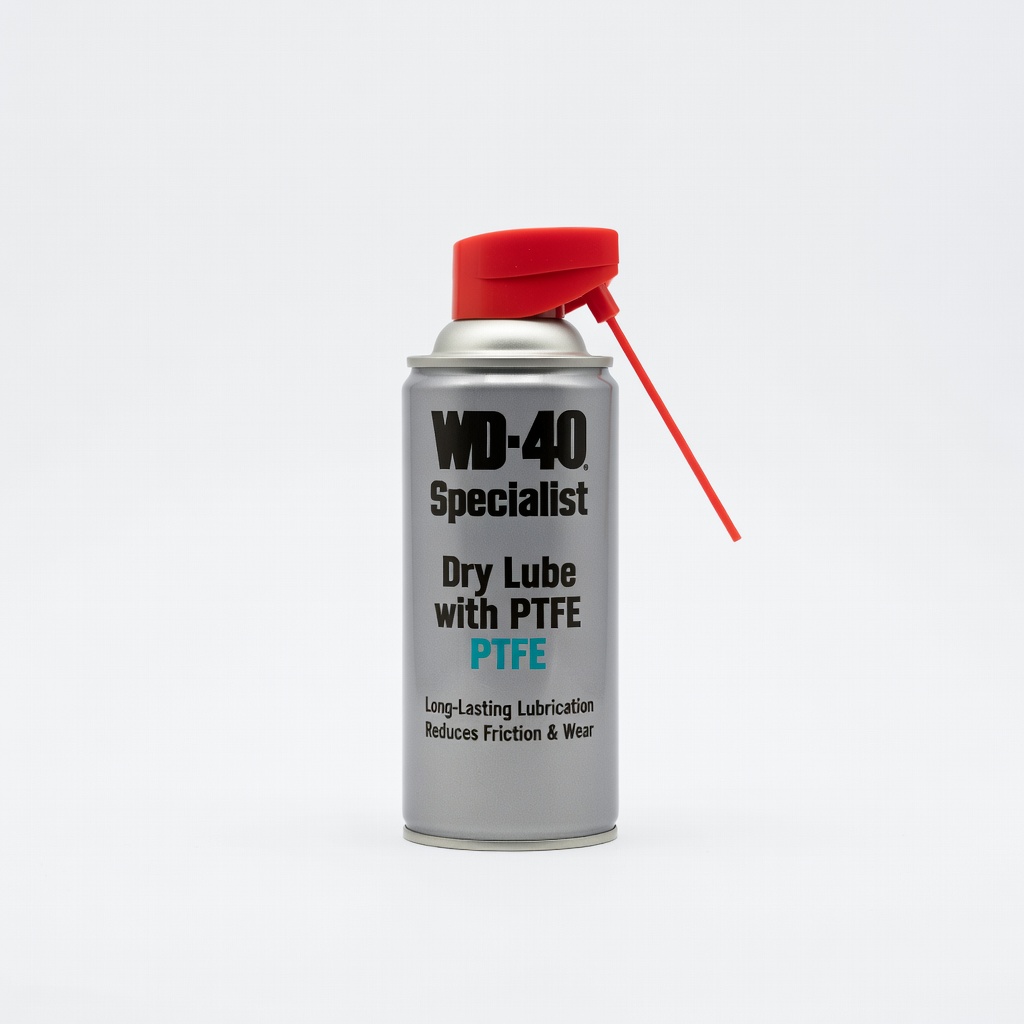
Quick spray for garage or exterior locks exposed to weather.
WD-40 Specialist Dry Lube with PTFE PTFE formula provides long-lasting dry lubrication and water resistance.
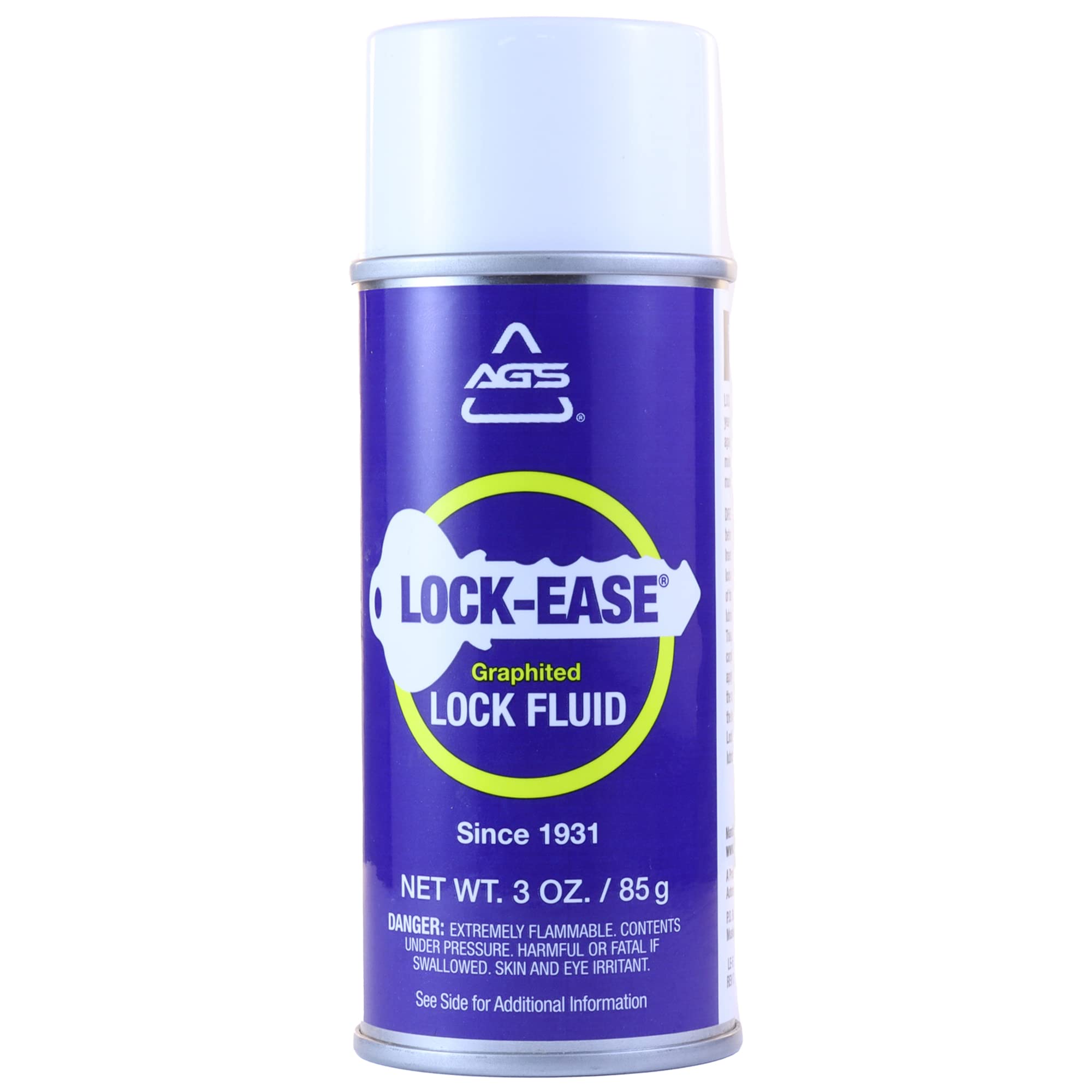
Perfect for sticky mailbox or file cabinet locks.
CRC Lock-Ease Lubricant Fast-acting, non-gumming formula penetrates deep into tight lock mechanisms.
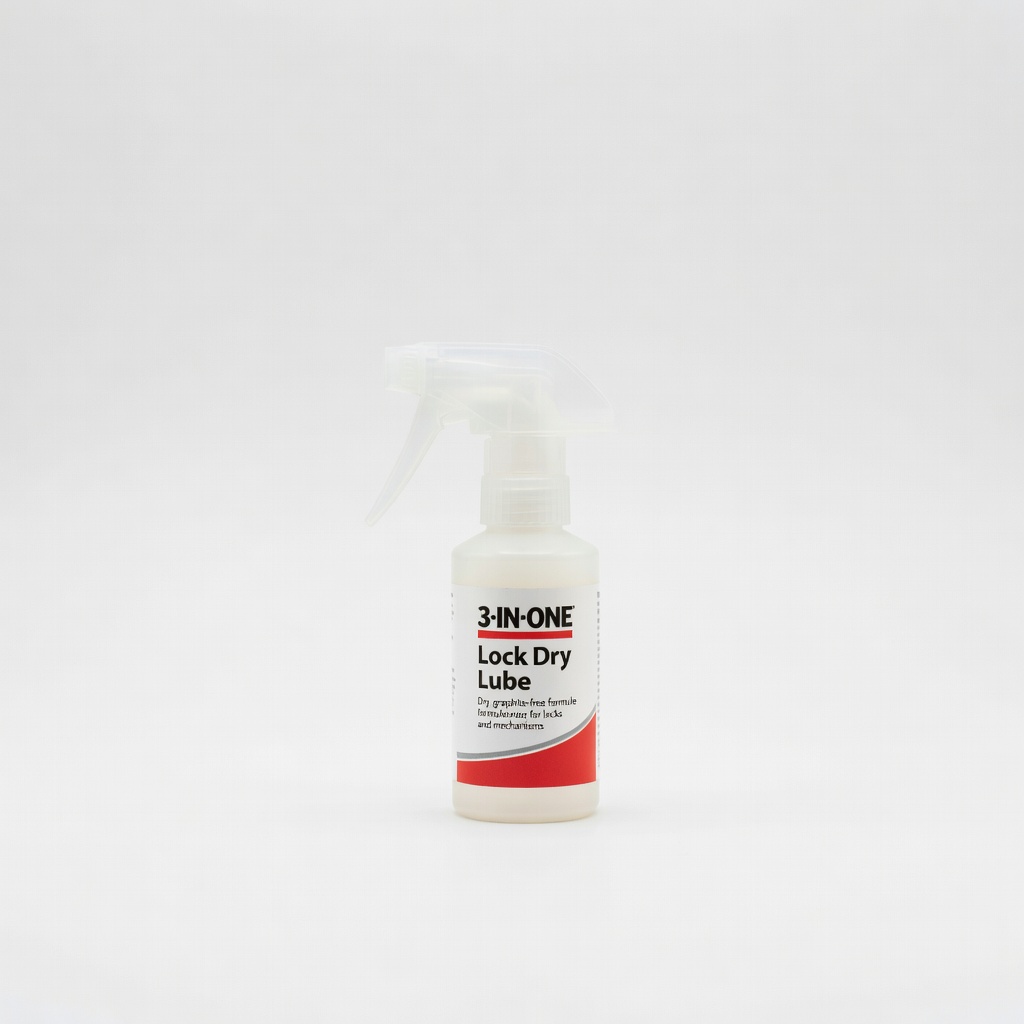
Budget option for multiple indoor locks.
3-IN-ONE Lock Dry Lube Affordable graphite-based powder with precision applicator for easy use.