
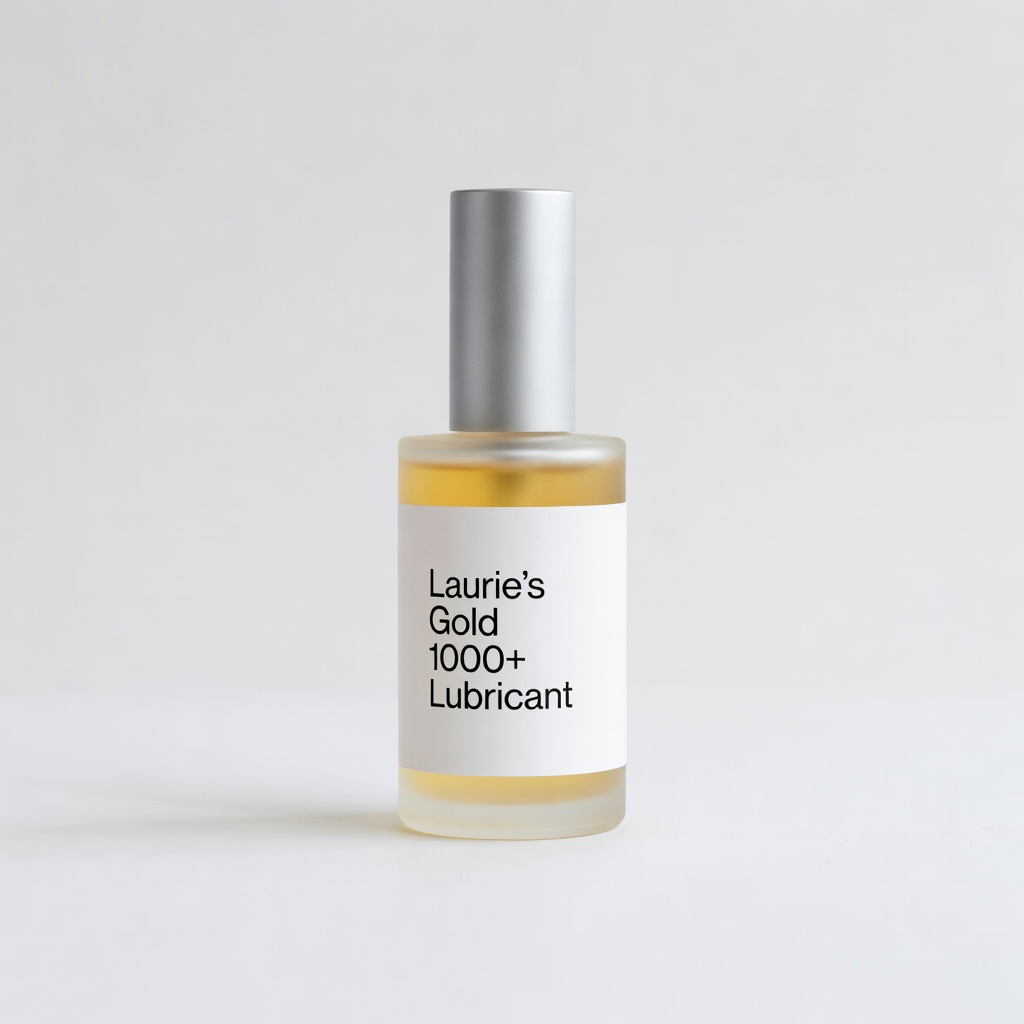
Laurie’s Gold 1000+ Lubricant
Ideal for precise pivot application on accordion reeds.
$14.99
Laurie’s Gold 1000+ Lubricant Ultra-thin synthetic formula designed for reed instruments; won't gum up or attract dust over time.
Get the App
Better experience on mobile
Restore smooth action and brighter tone to your accordion with this intermediate step-by-step guide to safely lubricating reed plates.
Sticky or sluggish reed plates can make your accordion feel unresponsive, cause uneven tone, and lead to frustrating buzzing sounds during play. Regular lubrication reduces friction on the reed pivots, ensuring faster response and clearer notes—essential maintenance for intermediate players who want their instrument to perform at its best.
In this guide, you'll learn how to disassemble key parts, clean, apply lubricant precisely, and reassemble without damage. The process focuses on piano accordions but applies similarly to button models. Expect 45-90 minutes total, depending on your accordion's size and condition. No prior repair experience needed beyond basic tool handling.
By the end, your reeds will swing freely, improving playability and extending your instrument's life. Always work in a dust-free area to avoid contamination.
Estimated Time: 45-90 minutes Difficulty: intermediate
Set up a clean, well-lit table with a soft towel or mat to prevent scratches on your accordion's finish. Remove straps and accessories. Lay the accordion flat with the treble side up.
Why it matters: A stable, protected setup minimizes accidents like dents or lost parts. Expect a tidy area ready for delicate work—no rushing.
Wipe exterior dust off with a dry microfiber cloth.
💡 Tips:
⚠️ Warnings:
Locate the grille screws on the top (treble) and bottom (bass) panels—typically 6-10 small Phillips screws per side. Use #00 screwdriver to gently unscrew counterclockwise. Lift off the grilles carefully, setting them aside face-up.
Success looks like: Panels free without bent screws or scratches. This exposes the reed blocks inside.
Why: Covers protect reeds; removing them grants access without forcing internals.
💡 Tips:
⚠️ Warnings:
Identify wooden reed blocks (rows holding metal reed plates). Unscrew 2-4 screws per block using #0 screwdriver. Grip block edges firmly (wear gloves if lacquered) and pull straight out—may need gentle wiggling.
What to expect: Blocks slide out intact, with reed plates attached. Number them (e.g., M1, M2) for reinstall order.
Why it matters: Precise removal prevents reed bending or block cracking.
💡 Tips:
⚠️ Warnings:
Blow compressed air over blocks to remove dust. Dip swab in isopropyl alcohol (damp, not wet), gently wipe reed plates and pivot rivets. Let air-dry 5 minutes. Inspect for debris.
Success: Plates shiny, no visible dirt or old gunk. Dry thoroughly.
Why: Dirt traps lubricant, causing buildup and poor action.
💡 Tips:
⚠️ Warnings:
Load needle oiler with 1-2 drops lubricant. Touch applicator to each reed's pivot rivet hole/base (where tongue meets plate)—one tiny dot per reed, 200-500 total depending on size. Wipe excess immediately.
Expect: Oil spreads thinly; reeds feel slick when nudged (test gently).
Why it matters: Precise application reduces friction without gumming valves.
💡 Tips:
⚠️ Warnings:
Align blocks in original positions (numbered side). Insert screws finger-tight, then snug with screwdriver—do not overtighten. Replace grilles, screwing clockwise evenly.
Success: All secure, no wobble; accordion closes smoothly.
Why: Proper torque ensures airtight seal for bellows.
💡 Tips:
⚠️ Warnings:
Reattach straps, play scales across registers. Listen for clear, quick response—no sticking. Play 10-15 minutes to work in lubricant.
Success: Smoother action, brighter tone.
Why: Verifies work; initial stiffness normalizes.
💡 Tips:
⚠️ Warnings:
Problem: Reeds still sticky after lubing
Solution: Wipe excess oil, reclean with alcohol, reapply minimally. Play 30 min.
Problem: Screws won't catch on reinstall
Solution: Check threads for debris; use matching screwdriver. Seek pro if stripped.
Problem: Buzzing or weak notes
Solution: Inspect for bent reeds or loose screws. Professional tuning if persists.
Problem: Oil leaking onto valves
Solution: Wipe immediately; use thinner synthetic next time.
Ultra-thin synthetic formula designed for reed instruments; won't gum up or attract dust over time.
Best for: Ideal for precise pivot application on accordion reeds.
Price Range: $14.99
High-quality bits prevent stripping tiny accordion screws; includes #00/#0 Phillips.
Best for: Essential for grille and block removal without damage.
Price Range: $24.95
Lint-free and absorbent for dust/alcohol wiping without scratching metal.
Best for: Cleaning reed plates and wiping excess oil.
Price Range: $13.99
Powerful yet safe blast removes dust from hard-to-reach reed gaps.
Best for: Pre-cleaning before alcohol wipe.
Price Range: $9.99
Precision tip delivers one drop exactly where needed on rivets.
Best for: Applying lubricant without waste or spill.
Price Range: $8.99
Ideal for precise pivot application on accordion reeds.
Laurie’s Gold 1000+ Lubricant Ultra-thin synthetic formula designed for reed instruments; won't gum up or attract dust over time.
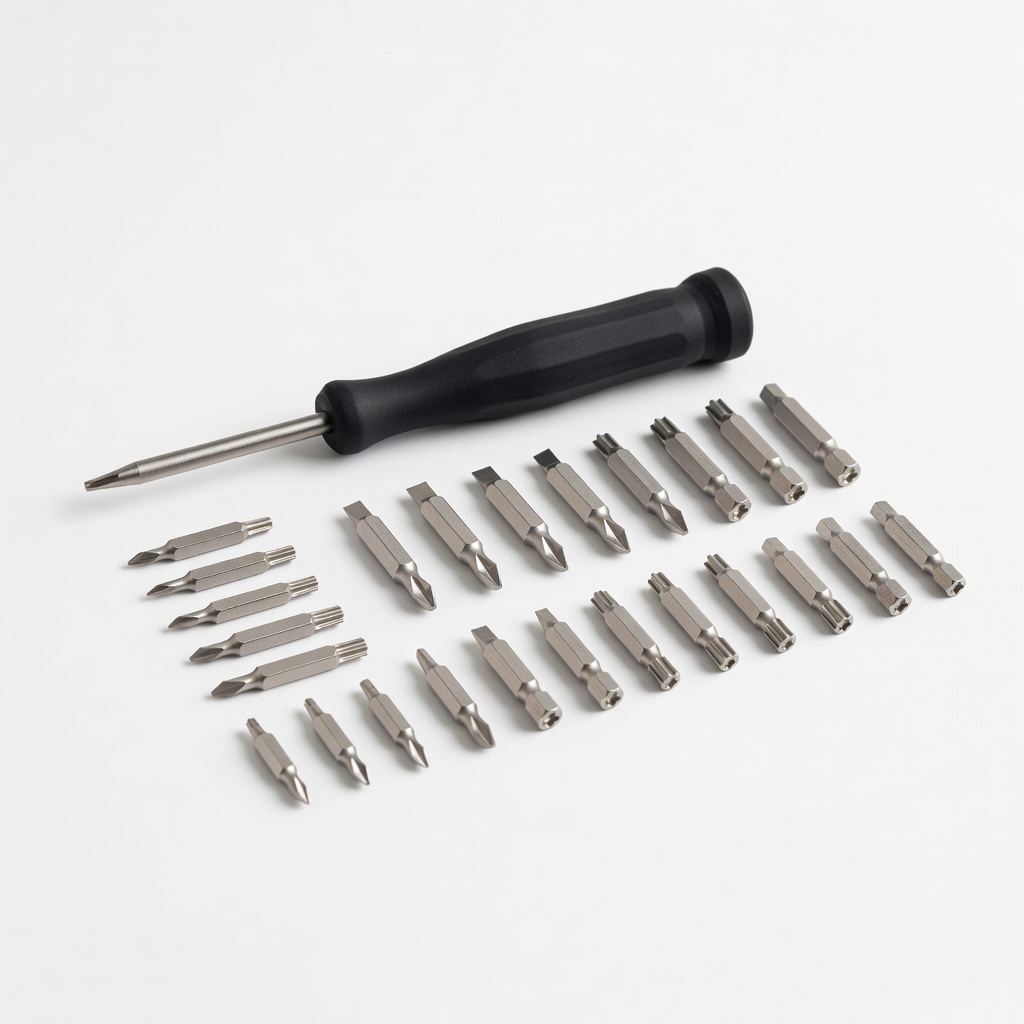
Essential for grille and block removal without damage.
iFixit Precision Screwdriver Set High-quality bits prevent stripping tiny accordion screws; includes #00/#0 Phillips.
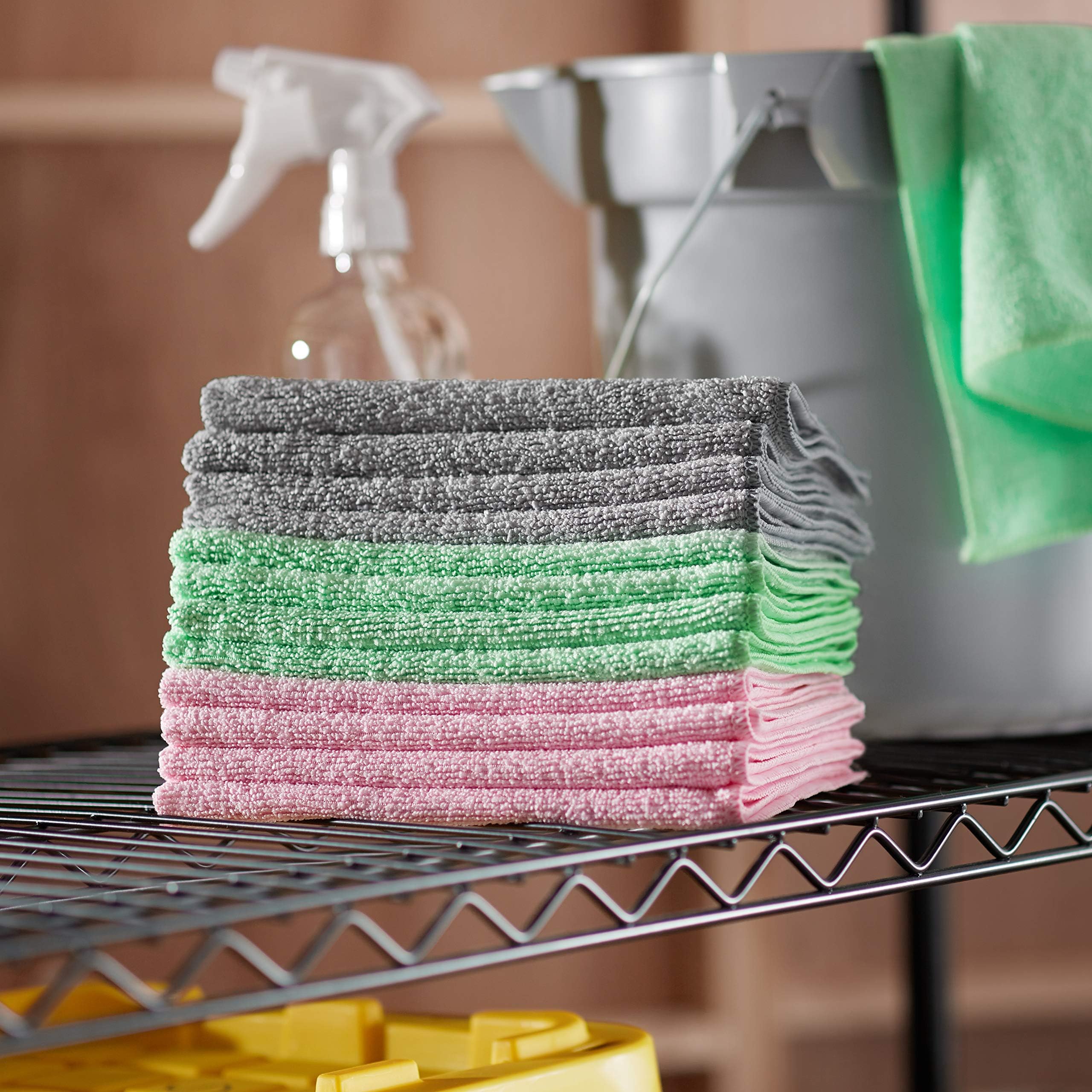
Cleaning reed plates and wiping excess oil.
Amazon Basics Microfiber Cleaning Cloths Lint-free and absorbent for dust/alcohol wiping without scratching metal.
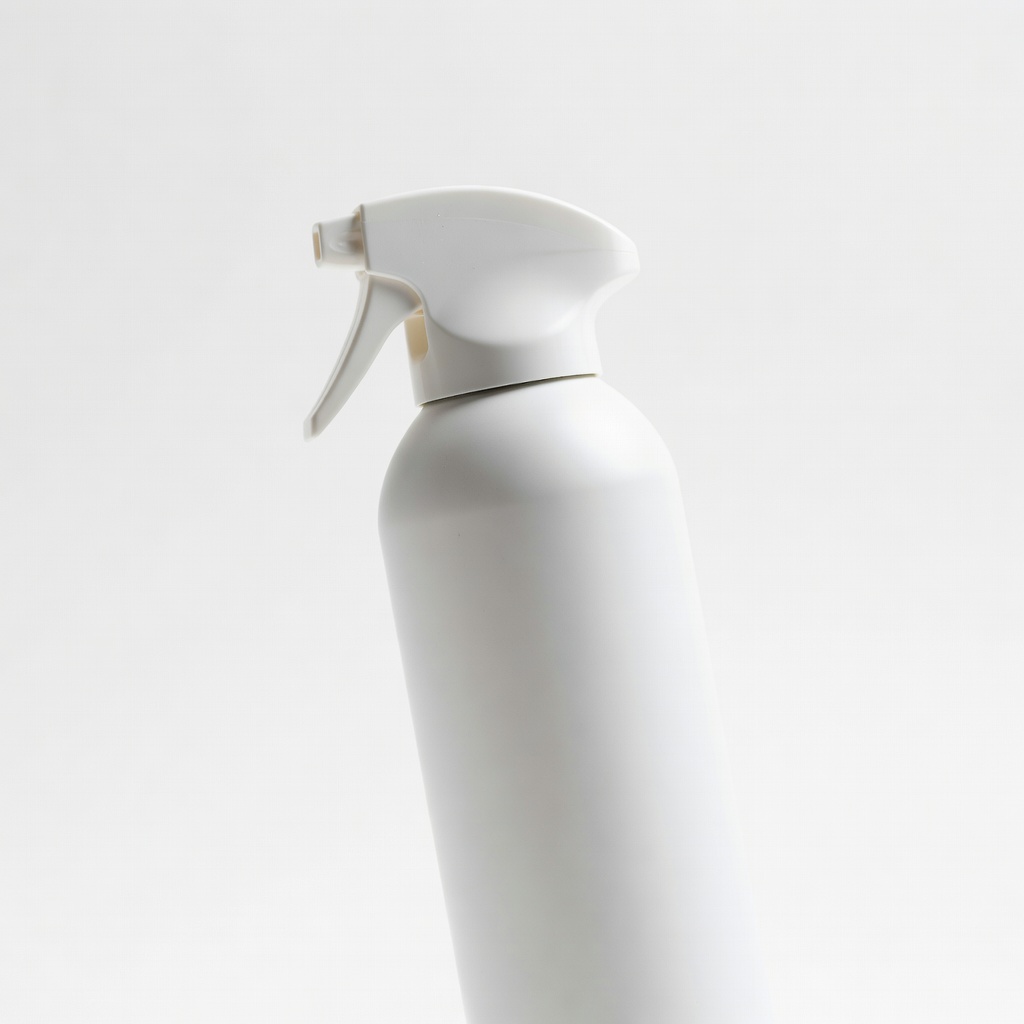
Pre-cleaning before alcohol wipe.
Dust-Off Compressed Air Duster Powerful yet safe blast removes dust from hard-to-reach reed gaps.
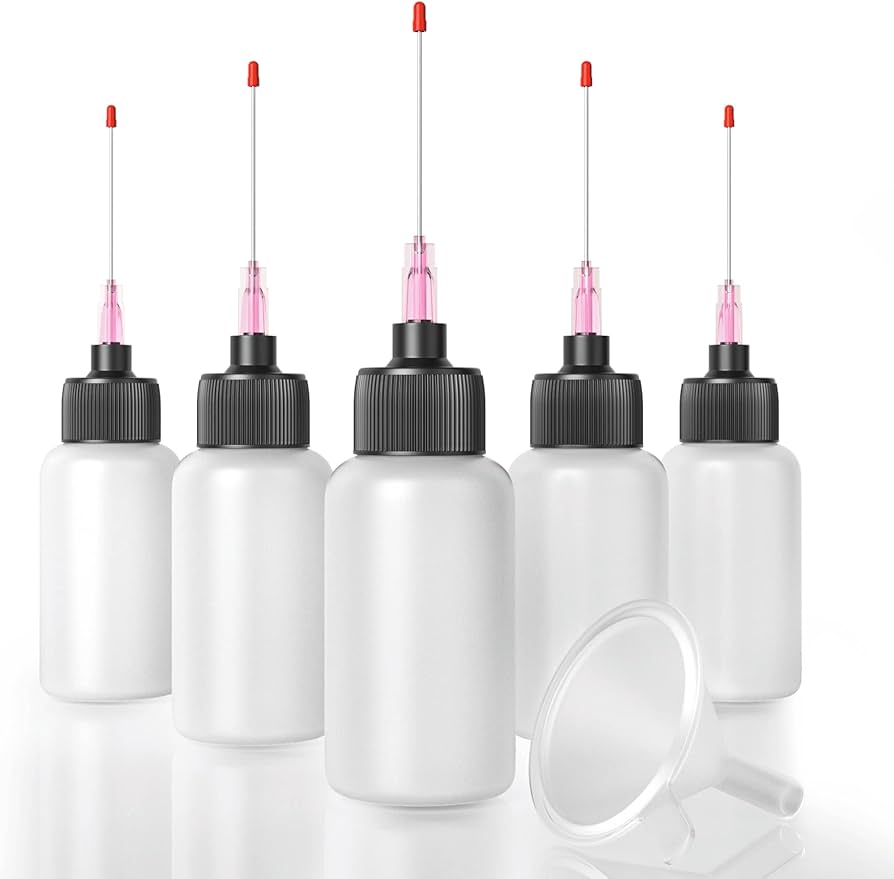
Applying lubricant without waste or spill.
Needle Oiler Applicator Precision tip delivers one drop exactly where needed on rivets.