Ever dreamed of playing lively polkas or folk tunes on accordion but felt overwhelmed by the buttons? You're not alone—many beginners stare at the left-hand bass system like it's a puzzle from another planet. The good news? You can learn essential chords quickly without years of lessons.
In this guide, you'll learn the three most common beginner chords (C major, G major, F major) using the standard Stradella bass system on a piano accordion. We'll cover posture, button locations, and practice drills to get you playing smooth chord progressions right away. No prior music knowledge needed.
Expect to spend 30-60 minutes total. By the end, you'll play a simple I-IV-V progression (common in thousands of songs) and feel confident to jam along with basic tunes. Let's squeezebox!
▸What You'll Need
- •Piano accordion with Stradella bass system (26- or 34-key beginner model, required)
- •Clip-on tuner (required for tuning bellows)
- •Printed accordion chord chart (optional, download free online)
- •Metronome (app or physical, optional but recommended)
- •Comfortable chair and space to practice
Estimated Time: 30-60 minutes
Difficulty: beginner
▸Step-by-Step Instructions
Step 1: Set Up Proper Posture and Holding Position
Sit comfortably on a sturdy chair with your accordion on your lap. Strap it over both shoulders—the right strap higher than the left for balance. Hold the bass side (left) steady with your left hand palm up, thumb on the grille, fingers ready for buttons. Right hand over the keyboard, elbow relaxed.
Why it matters: Bad posture causes fatigue and sloppy chords. Success looks like: Bellows open/close smoothly without slipping.
Practice pumping the bellows 10 times slowly.
💡 Tips:
- •Keep shoulders down to avoid tension.
- •Adjust straps so weight is even.
⚠️ Warnings:
- •Don't slouch—leads to back pain over time.
Step 2: Understand the Left-Hand Bass Layout
The Stradella bass has 120 buttons in 4 rows. Focus on the outer row (majors): Columns labeled C, D, E, etc., up to B. Each column has a root bass (lowest button) and major chord (above it).
Visualize: Row 1 (closest to bellows): Major chords. Row 4: Counter-bass. Ignore minors/sevenths for now.
Success: Locate C major button (2nd from left in row 1). Press it while opening bellows—hear a full C chord (C-E-G).
💡 Tips:
- •Print a labeled diagram—tape it nearby.
- •Practice with eyes closed after memorizing.
Step 3: Tune Your Accordion
Clip a tuner to the grille. Open bellows fully and play each bass note singly (row 4). Match to standard tuning: C=261Hz (middle C pitch).
Why? Out-of-tune chords sound muddy. Spend 5 mins tweaking bellows pressure for steady pitch.
Success: Tuner shows green light on C, G, F bass notes.
💡 Tips:
- •Use free app like Guitar Tuna if no clip-on.
⚠️ Warnings:
- •Don't force buttons—can bend reeds.
Step 4: Master C Major Chord
Key step: Press C major button (row 1, column 2) with ring finger while opening bellows. Add C bass (row 4, same column) with pinky for fuller sound.
Practice: 10x slow bellows open (chord), close (silence). Speed up to 60 BPM.
Expect: Bright, happy sound. Feels natural after 2 mins.
💡 Tips:
- •Breathe with bellows motion for rhythm.
Step 5: Learn G Major Chord
G major: Row 1, column 6 (index/middle finger). Bass: Row 4, column 6 (thumb).
Play C to G: Open on C, close/pause, open on G. Why? This I-V progression is in 80% of folk songs.
Success: Smooth switch without looking.
💡 Tips:
- •Finger numbers: Assign consistently (e.g., ring for C, index for G).
⚠️ Warnings:
- •Rush transitions—practice deliberately slow.
Step 6: Add F Major Chord
F major: Row 1, column 5 (middle finger). Bass optional.
Sequence: C (4 beats), F (4), G (4), C (4). Use metronome at 50 BPM.
Milestone: Play full progression fluidly.
💡 Tips:
- •Record yourself—hear improvements.
Step 7: Practice Right-Hand Melody Basics
While left hand chords, play single notes on right keyboard: C-D-E for C chord.
Combine: Chord + simple melody line from 'Twinkle Twinkle'.
Success: Full hands coordination without stopping.
💡 Tips:
- •Start bellows with left pinky on air valve for clean starts.
Step 8: Play a Simple Song Progression
Try 'When the Saints Go Marching In': C-F-C-G pattern.
Loop 5 mins. Victory: Play from memory at 80 BPM.
▸Pro Tips
- •Practice 10 mins daily—consistency beats marathon sessions.
- •Use mirror to check posture.
- •Warm up fingers with spider exercises on table.
- •Record progress weekly for motivation.
- •Join free YouTube channels like Accordion Life for visuals.
- •Bellows pressure: Firmer for chords, lighter for melody.
- •Memorize via songs, not drills.
▸Common Mistakes to Avoid
- •Incorrect posture: Causes slipping—fix with strap adjustments.
- •Pressing too hard: Muffles sound—use light touch.
- •Ignoring tuning: Chords clash—always check before practice.
- •Skipping slow practice: Builds bad habits—start at half speed.
- •Over-relying on right hand: Balance with left chord focus.
▸Troubleshooting
Problem: Buttons stick or squeak
Solution: Dust with compressed air; lubricate lightly with key oil. If persists, professional servicing.
Problem: Chords sound off-pitch
Solution: Re-tune bellows fully open/closed. Humidity affects reeds—store in case.
Problem: Hand cramps
Solution: Shorten sessions, stretch fingers. Check strap height.
Problem: Bellows leak air
Solution: Tighten screws gently. Pro repair if gasket worn.
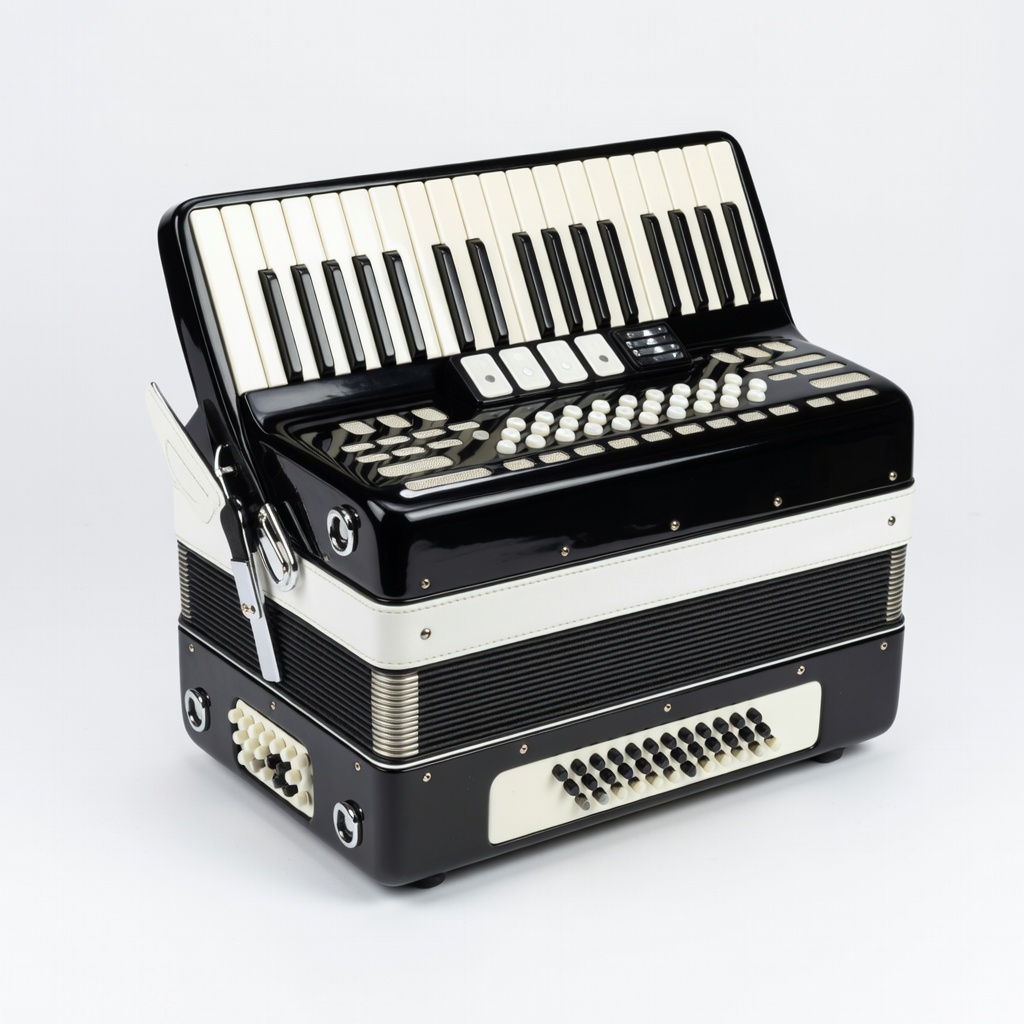
Hohner 1204BB Black and White 26-Key Piano Accordion
Perfect beginner size with Stradella bass—lightweight, reliable reeds for clear chords.
Best for: Daily practice of basic chords without fatigue.
Price Range: $250-$300
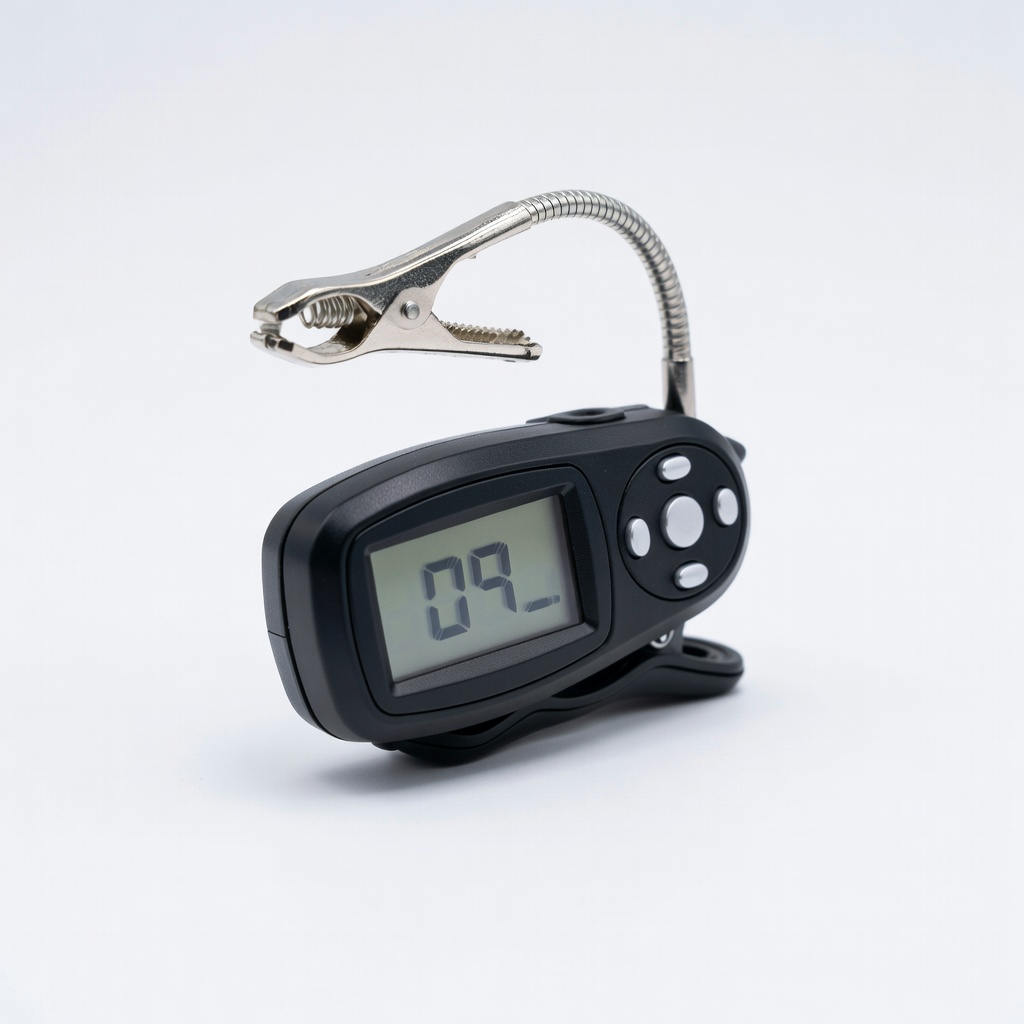
Snark ST-8HZ Clip-On Tuner
Accurate vibration tuning for accordion bellows variations.
Best for: Quick tuning before every session.
Price Range: $14.99
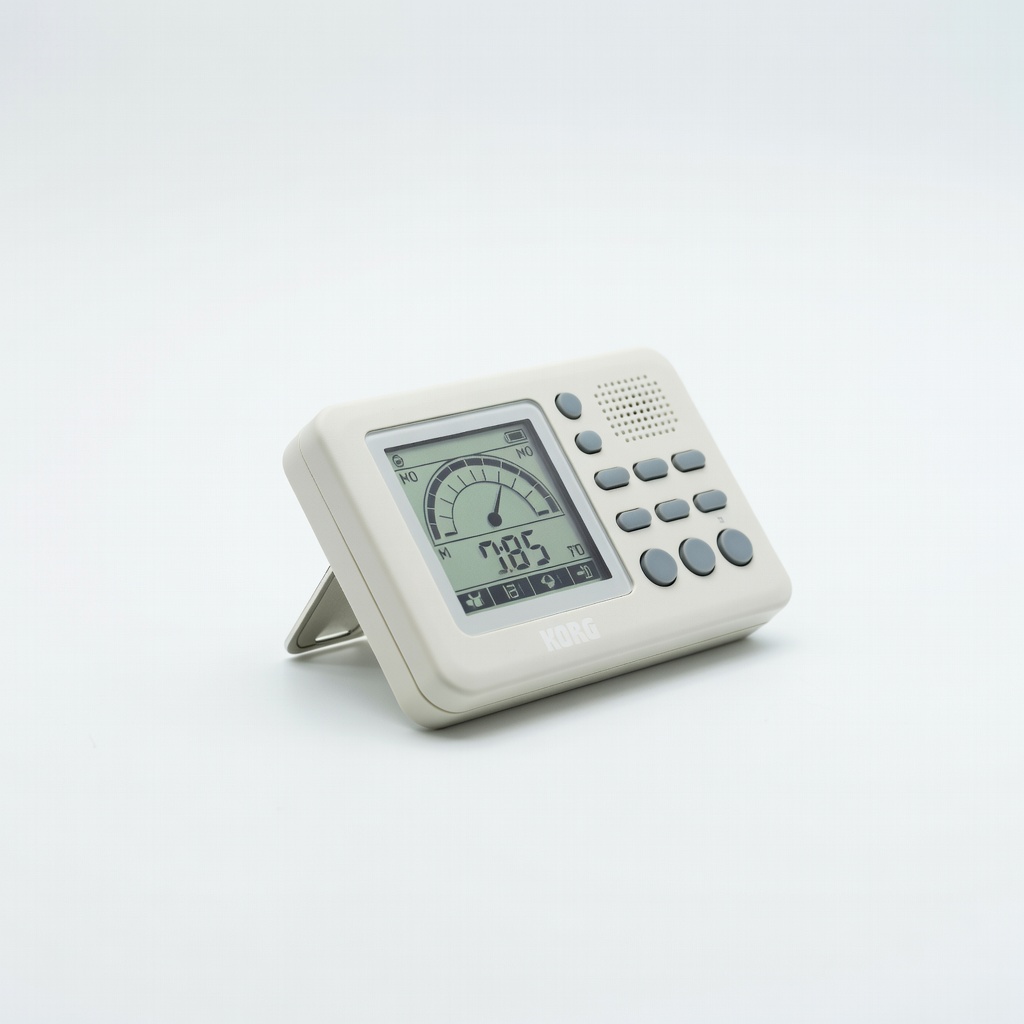
Korg TM-60 Combo Tuner Metronome
Built-in rhythm helps perfect chord timing.
Best for: Drills and song practice.
Price Range: $45-$50
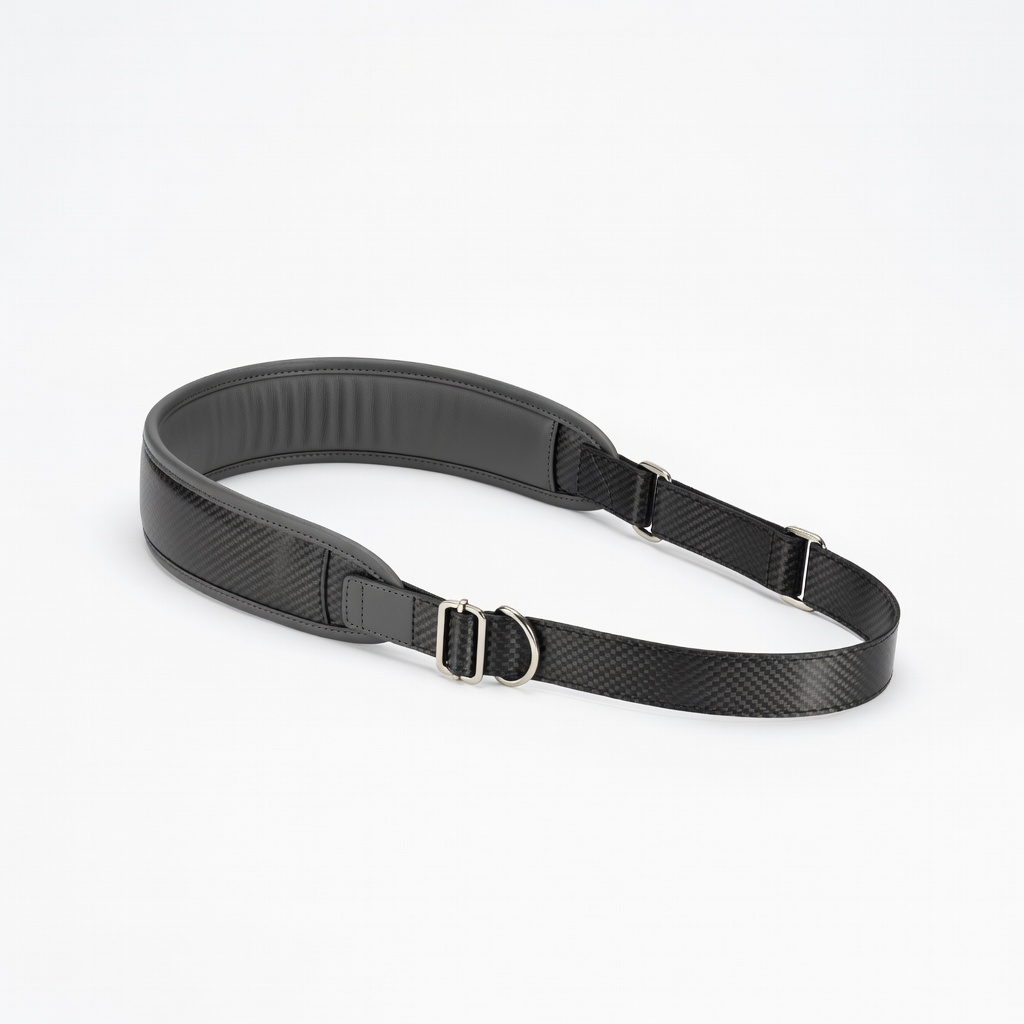
Neotech Master Carbon Fiber Accordion Strap
Adjustable, comfortable—prevents slipping during chord changes.
Best for: Long practice sessions.
Price Range: $70-$80
Accordion Chords Book by Ronald Herder
Visual charts for all chords—great reference.
Best for: Beyond basics, expand repertoire.
Price Range: $10-$15