
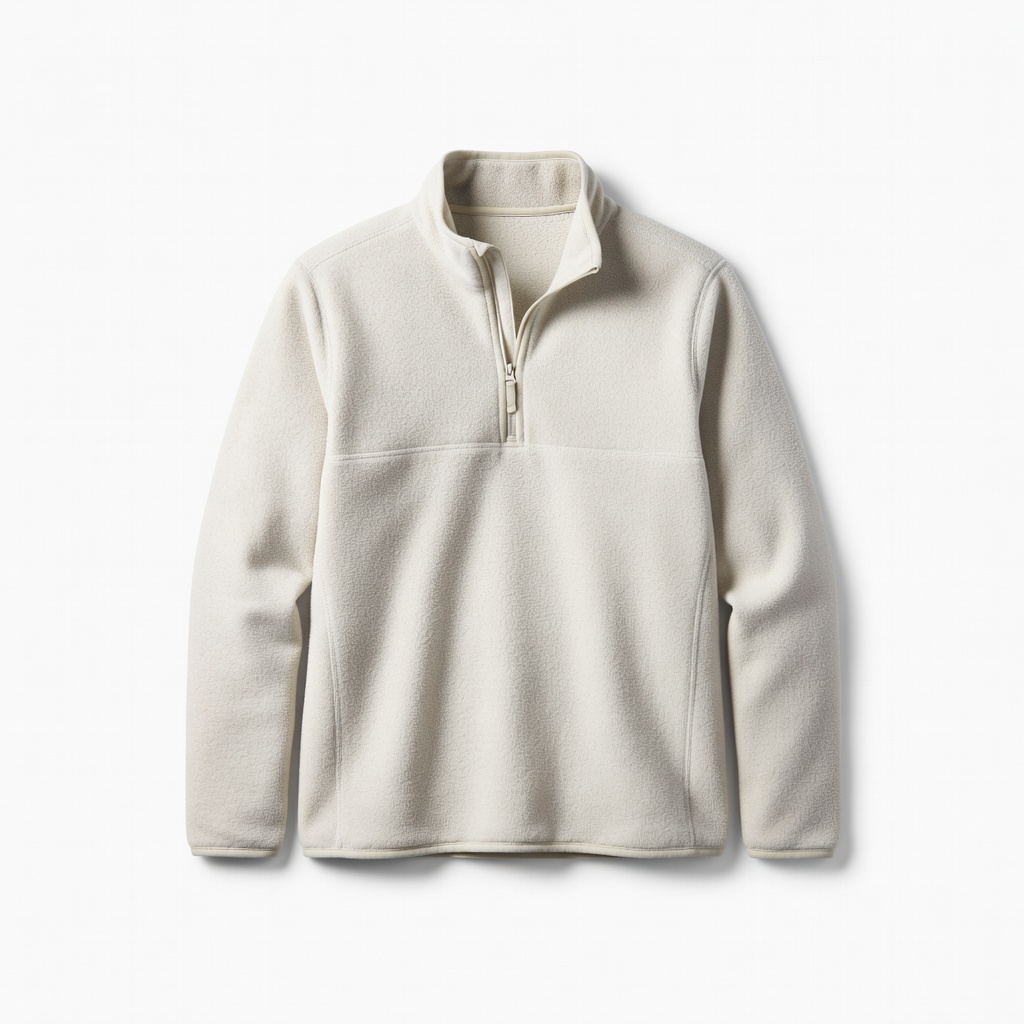
Patagonia Better Sweater 1/4-Zip Fleece
Core insulation for 20-40°F runs; vents easily.
$139-$169
Patagonia Better Sweater 1/4-Zip Fleece Lightweight, breathable fleece perfect mid-layer; high collar blocks drafts.
Get the App
Better experience on mobile
Master layering active sweatshirts to stay warm, dry, and mobile on winter runs without bulk or overheating.
Cold weather running can be brutal—chilly starts turn sweaty mid-run, or layers trap moisture leading to chills. Many intermediate runners struggle with bulky outfits that restrict movement or cause overheating. Proper layering with active sweatshirts solves this by trapping heat while wicking sweat.
In this guide, you'll learn a foolproof system: base, mid (sweatshirt), and outer layers tailored for runs below 40°F (4°C). Expect to assemble and test in 10 minutes—perfect for pre-run prep. No more guesswork; just comfortable miles.
We'll cover assessing weather, selecting gear, layering sequence, and testing for success.
Estimated Time: 10-15 minutes to assemble and test Difficulty: intermediate
Check the forecast for temperature, wind speed, humidity, and precipitation. Use apps like Weather Underground or Runkeeper. Note start vs. end temps—runs warm you up, so overdress slightly.
Why? Layering is temp-specific; 30°F (0°C) with wind needs more protection than calm 40°F (4°C). Expect a temp chart: Base layer for 40°F+, add sweatshirt at 30°F, shell below 25°F (-4°C).
Success looks like: Personalized plan, e.g., '32°F, 10mph wind: base + sweatshirt + light shell.'
💡 Tips:
⚠️ Warnings:
Start with a synthetic or merino wool long-sleeve top that wicks moisture. Avoid cotton—it holds sweat and chills you.
Put it on skin-tight but not restrictive. Why? Base pulls sweat off skin to keep you dry, preventing hypothermia.
Success: Feels smooth, no bunching; arms move freely.
💡 Tips:
Pick a lightweight, breathable fleece or tech sweatshirt (quarter-zip ideal for venting). Layer over base, snug but allowing air circulation.
Why? Traps body heat while mid-weight fleece (200-300g) balances warmth/mobility for runs. Zips enable quick temp adjustments.
Success: Warmth without bulk; zip up for start, unzip mid-run.
💡 Tips:
⚠️ Warnings:
Pair with thermal tights. If sub-20°F (-7°C), add thin vest under sweatshirt for core warmth.
Why? Legs generate heat; balanced system prevents top-heavy bulk.
Success: Full lower body covered, no exposed skin.
💡 Tips:
Add lightweight, packable windbreaker or softshell jacket over sweatshirt. Hood optional if wearing hat.
Why? Blocks wind/rain while breathable to vent sweat. Pit zips bonus.
Success: Secure fit, no flapping; packs small for mid-run ditch.
⚠️ Warnings:
Add beanie, lightweight gloves, buff. Tuck buff into shell collar.
Why? 40% heat loss from head/neck/hands; these seal gaps.
Success: No cold spots; hands/neck cozy.
💡 Tips:
Do jumping jacks, arm circles, short jog. Adjust: unzip sweatshirt if hot, add shell if drafty.
Why? Static layering fails in motion—test mimics run.
Success: Full ROM, neutral temp (slightly cool start ideal).
⚠️ Warnings:
Problem: Overheating mid-run
Solution: Unzip sweatshirt/shell vents; strip to base if >45°F. Stow layers in pack.
Problem: Chafing from layers
Solution: Apply anti-chafe balm; ensure smooth fabrics, no seams rubbing.
Problem: Too cold at start
Solution: Warm up indoors first or add disposable trash bag layer temporarily.
Problem: Bulk restricts stride
Solution: Swap to lighter sweatshirt; prioritize fitted active cuts.
Lightweight, breathable fleece perfect mid-layer; high collar blocks drafts.
Best for: Core insulation for 20-40°F runs; vents easily.
Price Range: $139-$169
Affordable, loose fit for layering; brushed interior traps heat.
Best for: Budget mid-layer for windy 30°F runs.
Price Range: $40-$60
Superior wicking/odor resistance; temp regulates naturally.
Best for: Base layer for sweaty cold runs.
Price Range: $90-$110
Ultralight, packable shell; breathable for active use.
Best for: Outer layer for wet/windy conditions.
Price Range: $150-$170
Versatile accessory seals neck gaps; merino stays dry.
Best for: Neck/head protection in sub-30°F.
Price Range: $25-$35
Core insulation for 20-40°F runs; vents easily.
Patagonia Better Sweater 1/4-Zip Fleece Lightweight, breathable fleece perfect mid-layer; high collar blocks drafts.
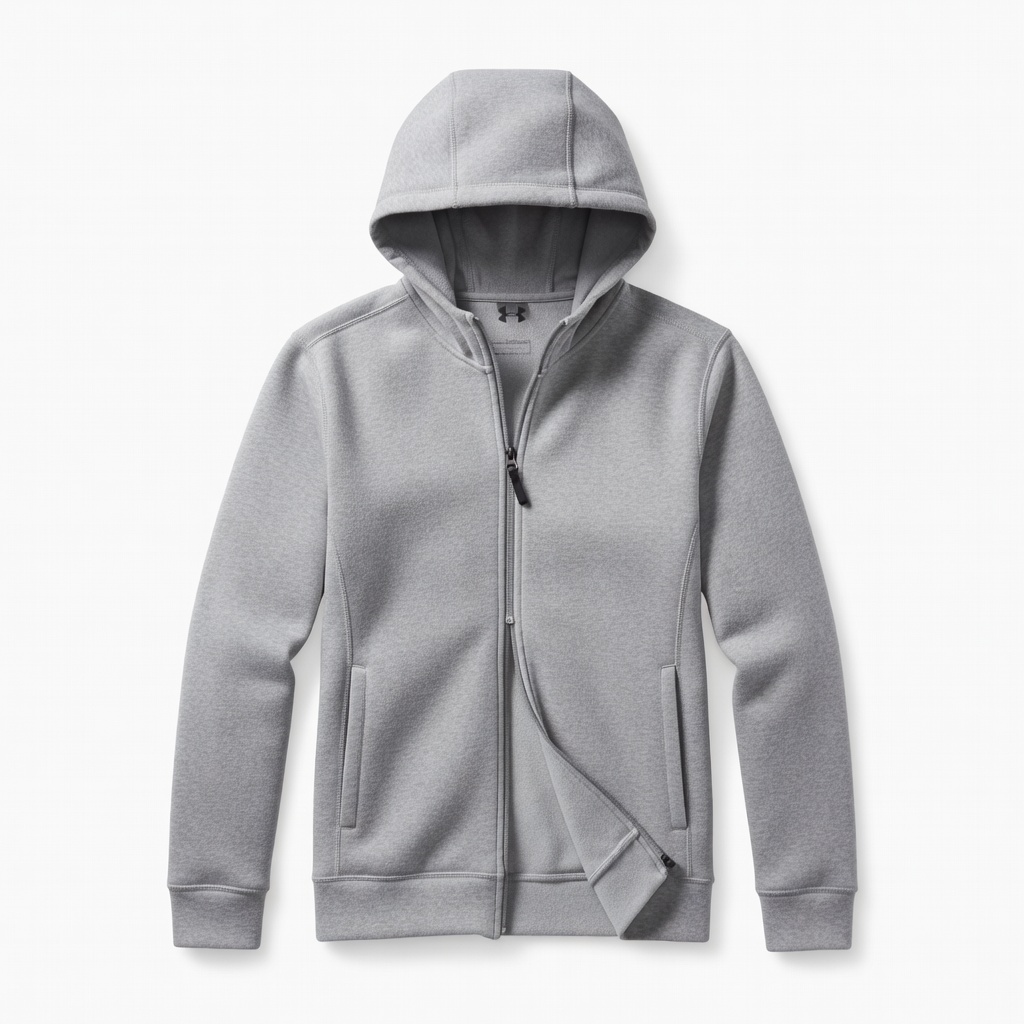
Budget mid-layer for windy 30°F runs.
Under Armour Rival Fleece Full-Zip Hoodie Affordable, loose fit for layering; brushed interior traps heat.
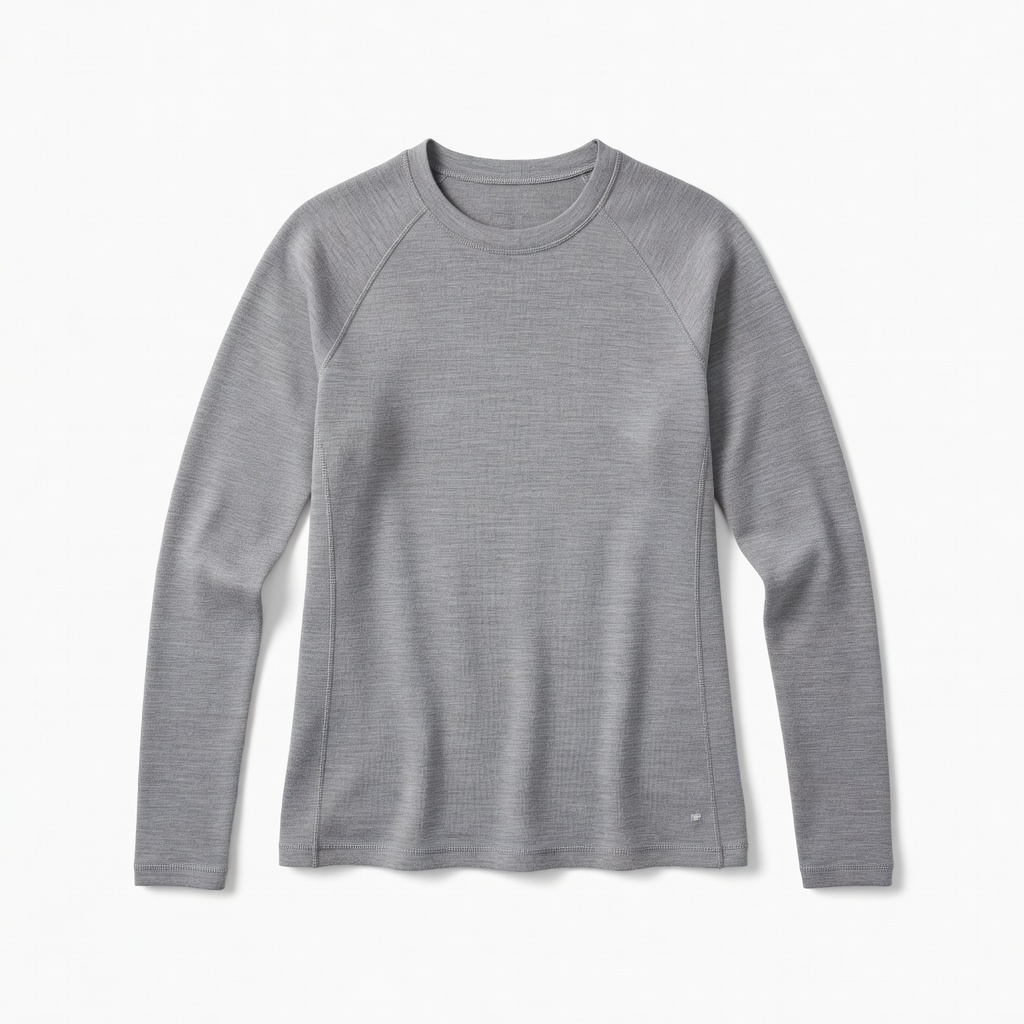
Base layer for sweaty cold runs.
Smartwool Merino 250 Baselayer Top Superior wicking/odor resistance; temp regulates naturally.
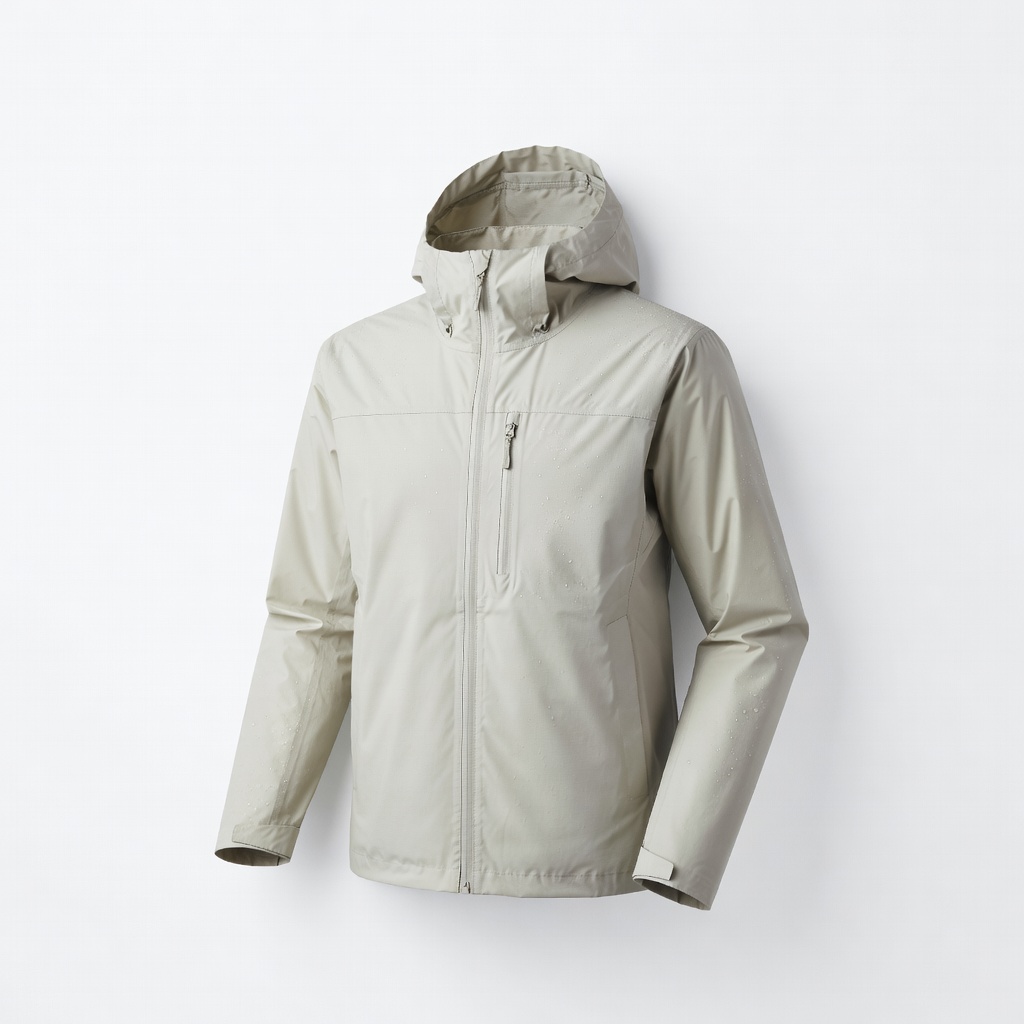
Outer layer for wet/windy conditions.
Outdoor Research Helium Rain Jacket Ultralight, packable shell; breathable for active use.
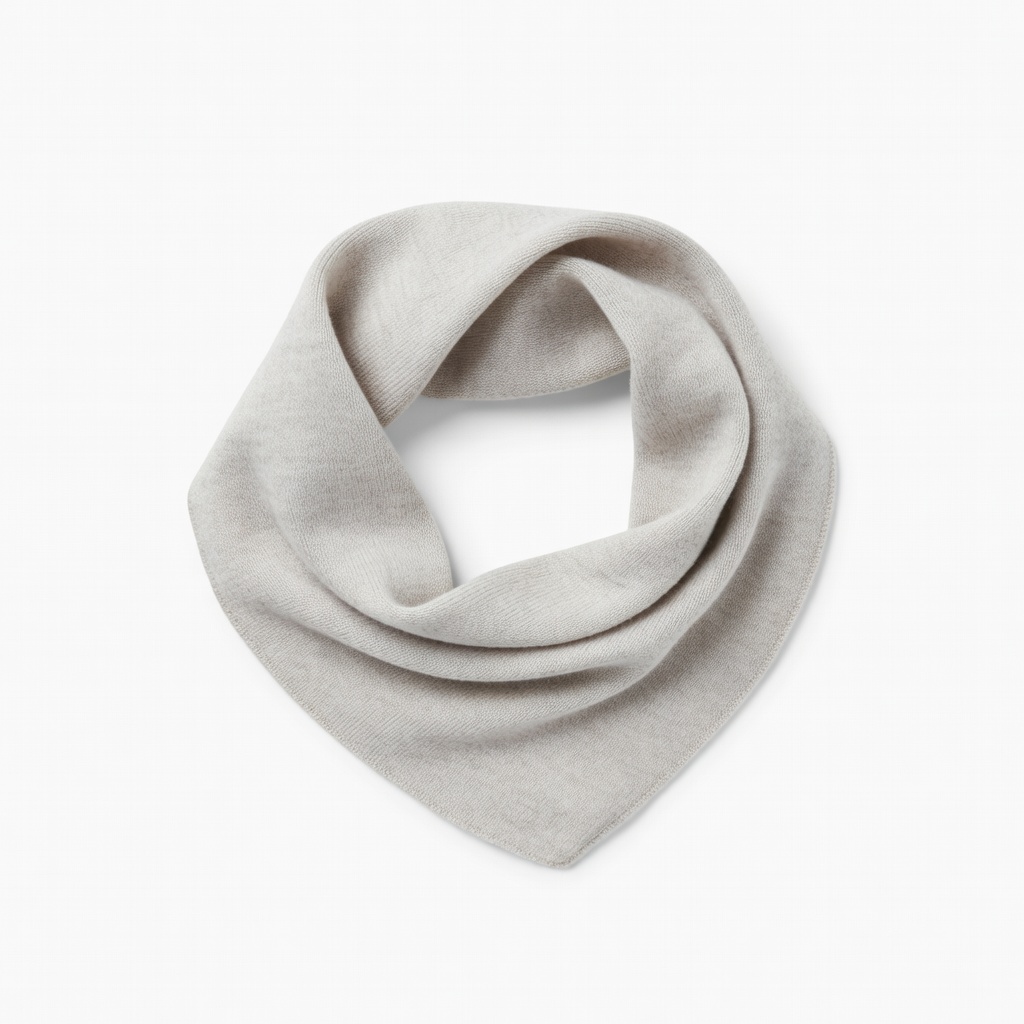
Neck/head protection in sub-30°F.
Buff Original Merino Wool Neckwarmer Versatile accessory seals neck gaps; merino stays dry.