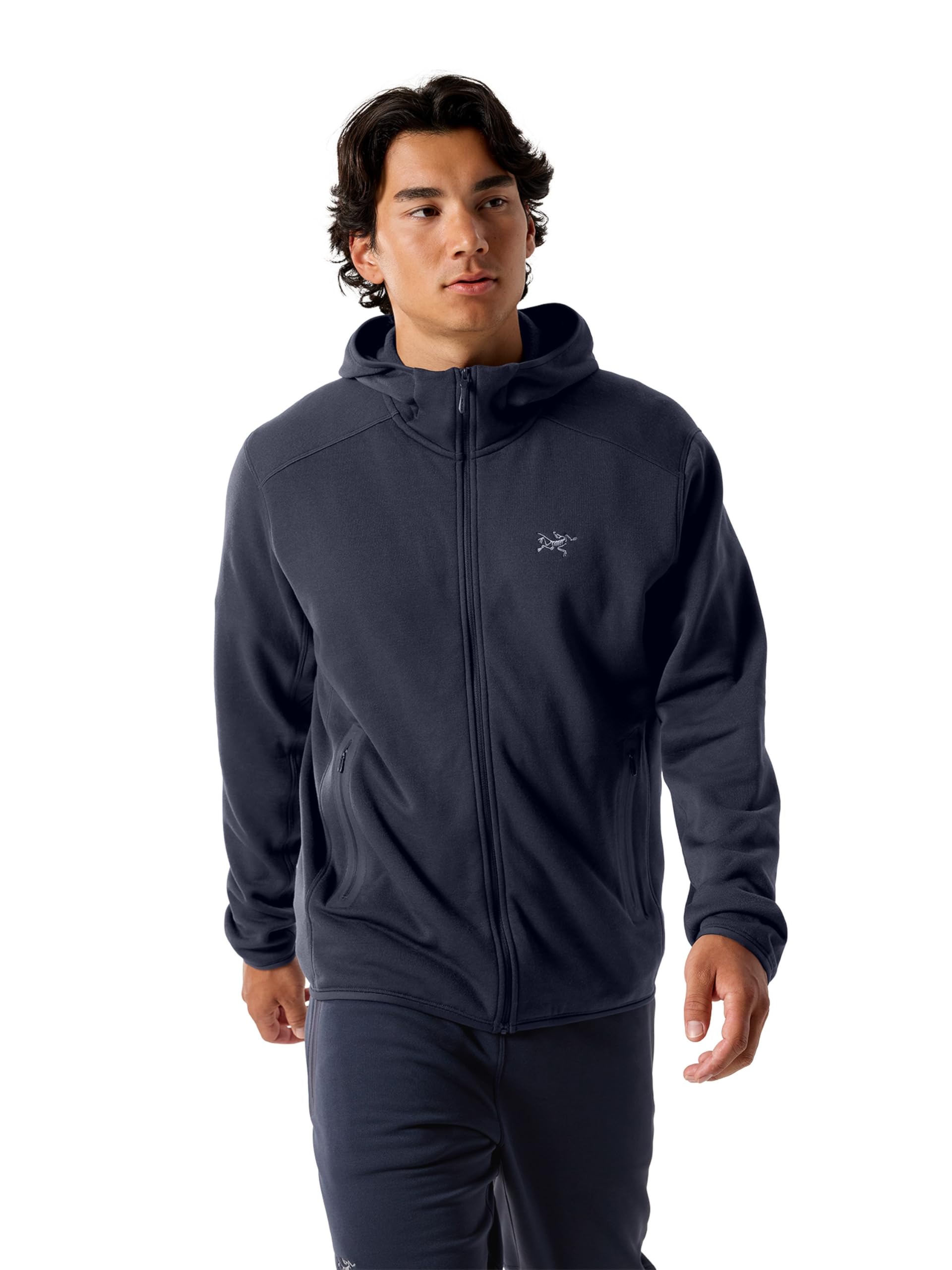
Braving cold weather workouts without the right layers means risking hypothermia, chafing, or overheating once you warm up. Many athletes bundle up too much, leading to sweat-soaked discomfort, or skimp and shiver through sessions. This guide solves that by teaching you how to layer active hoodies effectively.
You'll learn to build a breathable, adjustable system using base, mid, and outer layers centered around performance hoodies. Expect to spend 10-15 minutes planning your outfit, with intermediate skills like understanding fabric properties (moisture-wicking synthetics vs. wool). The result? Comfortable, sweat-free workouts down to 20°F (-7°C).
Whether trail running or HIIT outdoors, proper layering traps heat while dumping moisture—key for safety and enjoyment.
▸What You'll Need
- •Moisture-wicking base layer top and bottom (merino wool or synthetic, fitted)
- •Insulating mid-layer (light fleece or puffy synthetic hoodie)
- •Active hoodie (breathable fleece or grid fleece with hood)
- •Windproof/water-resistant shell jacket (optional for harsh weather)
- •Accessories: Buff/neck gaiter, gloves, beanie, compression socks
Estimated Time: 10-15 minutes to plan and layer up
Difficulty: intermediate
▸Step-by-Step Instructions
Step 1: Assess Weather and Workout Intensity
Start by checking the forecast: temperature, wind chill, precipitation, and duration/intensity of your workout (e.g., steady run vs. intervals). Use apps like Weather Underground or AccuWeather for hyper-local data.
Why it matters: Layering is dynamic—too many for a 30-min jog leads to overheating; too few for 2 hours risks cold exposure. Success looks like a plan: e.g., '25°F, windy, 45-min run' = 3 layers.
Expect a baseline: Base for all, mid + hoodie for 30-40°F, shell for below 20°F.
💡 Tips:
- •Factor in 'feels like' temp over actual.
- •Test sweat rate from past workouts.
⚠️ Warnings:
- •Ignore wind chill and you'll feel 10-15°F colder.
Step 2: Choose Your Base Layer
Pick a fitted, moisture-wicking top and bottom (e.g., long-sleeve crew or zip-neck). Merino wool (like Smartwool 150) regulates temp better; synthetics (polyester/nylon) dry faster.
Why: Base pulls sweat off skin to prevent clamminess. Success: Fabric feels smooth, no bunching, next-to-skin dry even after jumping jacks.
Layer it first—naked skin under base only.
💡 Tips:
- •Size snug but not compressive.
- •Avoid cotton—it holds moisture.
⚠️ Warnings:
- •Baggy base traps air poorly.
Step 3: Add Insulating Mid-Layer
Select a lightweight synthetic insulator like grid fleece or puffy (e.g., 60-100g/m²). This traps body heat without bulk.
Why: Bridges base to hoodie for warmth. Success: You feel toasty indoors but can unzip if needed; arms move freely.
Zip-up for ventilation control.
💡 Tips:
- •Hood optional here for neck warmth.
- •Synthetic over fleece for faster dry.
⚠️ Warnings:
- •Heavy wool mid bulks you up too much.
Step 4: Select and Wear Your Active Hoodie
Core piece: Breathable active hoodie with grid fleece interior, DWR finish, and articulated sleeves (e.g., full-zip for easy on/off). Pull it over mid-layer.
Why: Provides main warmth + mobility; hood protects head/neck. Success: Hood cinches snug, zip glides smoothly, no restriction in dynamic stretches.
Adjust hood drawcords loosely at first.
💡 Tips:
- •Thumb loops for glove compatibility.
- •Reflective details for night runs.
⚠️ Warnings:
- •Club hoodies too baggy—opt for athletic fit.
Step 5: Top with Shell if Needed
For wind/rain, add a packable hardshell (Gore-Tex or Pertex Shield, 10-20D nylon). Pit zips essential for venting.
Why: Blocks elements without trapping sweat. Success: Shell packs into its pocket, full range of motion, no flapping.
Wear open initially.
💡 Tips:
- •20D fabric for light weight.
- •Skip for dry/calm conditions.
⚠️ Warnings:
- •Non-breathable raincoat = instant swamp.
Step 6: Accessorize for Complete Protection
Add neck gaiter (merino), lightweight gloves, beanie, and tall socks. Secure hood under/in shell hood.
Why: Extremities lose heat fast. Success: No cold spots, easy to remove as you heat up.
💡 Tips:
- •Layered gloves: liner + shell.
- •Buff doubles as hat.
⚠️ Warnings:
- •Over-tight accessories cut circulation.
Step 7: Test and Adjust Layers
Do 5-min warm-up: jumping jacks, arm circles. Feel for hot spots, bulk, breathability.
Why: Simulates workout; tweak now. Success: Warm but not sweaty, full ROM, layers vent easily.
Strip mid if too warm; add shell if drafty.
💡 Tips:
- •Mirror check for even layering.
- •Carry backpack for spares.
⚠️ Warnings:
- •Skip test = mid-run misery.
▸Pro Tips
- •Use the 'rule of 3': base (wick), mid (warm), shell (protect).
- •Layer loose over tight for easy removal.
- •Merino base lasts longer, less odor.
- •Pack layers in a 10L vest for adjustments.
- •Dry layers post-workout ASAP with microfiber towel.
- •Test combo in cooler house first.
- •Thumbholes align layers seamlessly.
▸Common Mistakes to Avoid
- •Wearing cotton anywhere—holds sweat, chills you.
- •Too many layers: Overheat after 10 mins, can't shed fast.
- •Ignoring fit: Baggy = cold air pockets; tight = restricted blood flow.
- •Static outfit: No vents/zips = trapped moisture.
- •Forgetting extremities: Hands/feet freeze first.
▸Troubleshooting
Problem: Overheating mid-workout
Solution: Unzip everything from chest up; remove mid-layer into backpack. Start with fewer layers next time.
Problem: Too bulky, restricted movement
Solution: Swap to lighter-weight fabrics (e.g., 40D shell); size down non-stretch layers.
Problem: Chafing or clamminess
Solution: Replace cotton; apply anti-chafe balm to base layer contact points.
Problem: Wind sneaking in
Solution: Add gaiter; tuck base into pants; cinch all cords.
Patagonia Men's Capilene Cool Daily Graphic Shirt (Base Layer)
Exceptional moisture-wicking and odor control for base; lightweight for layering without bulk.
Best for: Inner layer for all cold workouts; pairs perfectly under hoodies.
Price Range: $45-$55
Arc'teryx Atom LT Hoody (Mid-Layer Hoodie)
Synthetic insulation that's breathable and packable; ideal bridge layer under active hoodies.
Best for: Moderate cold (20-40°F); vents heat during high effort.
Price Range: $250-$300
The North Face Men's Summit Series FutureFleece Hoodie (Active Hoodie)
Grid fleece for superior breathability and warmth; athletic fit for unrestricted movement.
Best for: Core hoodie for runs/HIIT; full-zip for quick adjustments.
Price Range: $150-$180
Outdoor Research Helium Rain Jacket (Shell)
Ultralight, fully seam-taped Pertex Shield; packs tiny for on-the-go layering.
Best for: Windy/rainy conditions over hoodie; pit zips prevent swamp.
Price Range: $170-$200
Under Armour Men's ColdGear Infrared Fleece Hoodie (Budget Active Hoodie)
Affordable, infrared tech boosts warmth; great entry-level layering hoodie.
Best for: Gym or mild cold; everyday training without breaking bank.
Price Range: $50-$70