Few things upset a dog more than the sudden, unpredictable cracks and booms of fireworks. What seems like a fun celebration to us can feel like an attack to a dog's sensitive ears. You may notice your pup panting, pacing, trembling, hiding, or trying to escape. The good news is that with a little preparation, you can dramatically reduce your dog's stress and keep them safe.
This guide walks you through a complete, beginner-friendly plan to calm your dog during fireworks. You'll learn how to build a safe indoor haven, how to desensitize your dog to loud sounds ahead of time, and what to do on the night of the event. We'll also cover calming products, common mistakes to avoid, and when it's time to call your veterinarian. By following these steps, you can transform a scary night into a manageable one—for both of you.
▸What You'll Need
- •Safe room (closet, bathroom, or crate)
- •Comfortable bed and familiar blankets
- •Long-lasting treats (e.g., frozen KONG with peanut butter)
- •Puzzle toys or lick mats
- •White noise machine, fan, or TV/music streaming
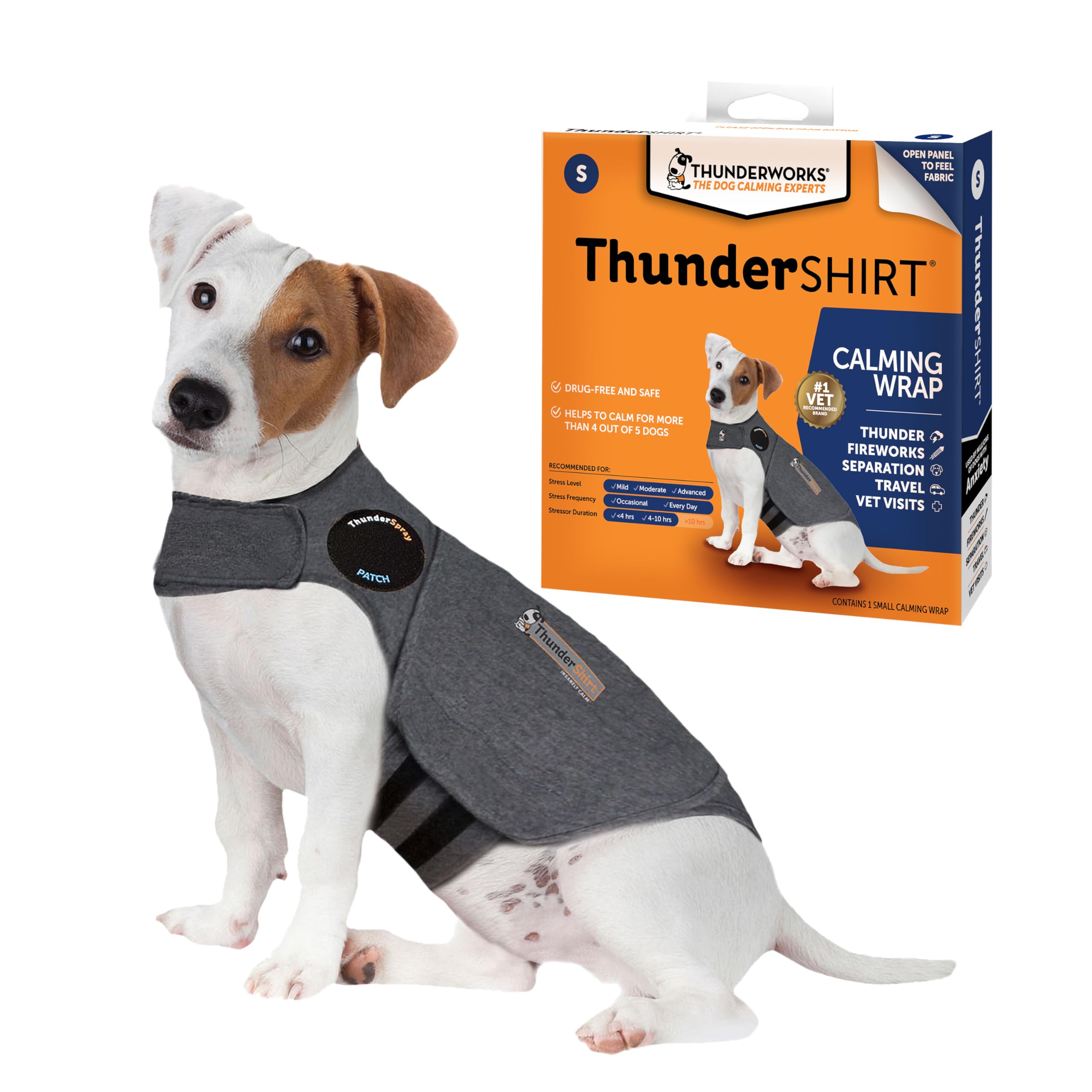
- •Anxiety wrap (e.g., ThunderShirt) – optional but helpful
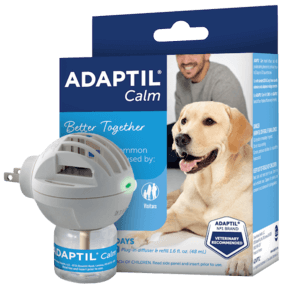
- •Synthetic pheromone diffuser (e.g., Adaptil) – optional
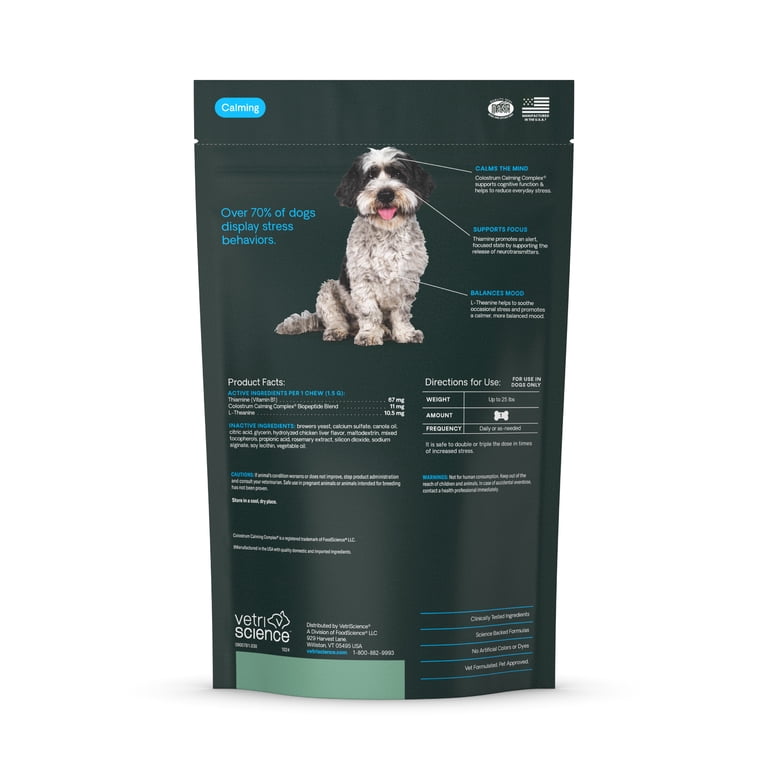
- •Calming supplement recommended by your vet – optional
- •Your dog's ID tags and microchip details (in case of escape)
Estimated Time: 1-2 hours to prepare the environment; plus 2-4 weeks if you want to do sound training
Difficulty: beginner
▸Step-by-Step Instructions
Step 1: Identify Your Dog's Fear Level
Before fireworks season begins, spend a few minutes observing how your dog reacts to loud noises. Common signs of stress include panting, pacing, whining, drooling, hiding, trembling, or getting clingy. Dogs that are already afraid of thunder or lawn noises are much more likely to be set off by fireworks.
Determine whether your dog's anxiety is mild (a little nervous but still eating treats) or severe (panicking, attempting to escape, or reactive). For severe anxiety, call your veterinarian before the big event. They can prescribe short-term anti-anxiety medication that works alongside your behavioral plan. If your dog is only mildly nervous, the steps below can usually be enough.
💡 Tips:
- •Keep a diary of triggers and behaviors so you know what to prioritize.
- •If your dog drools or loses bowel control, that's a sign of panic, not just excitement.
⚠️ Warnings:
- •Never assume a normally stoic dog is fine; panic can appear suddenly.
Step 2: Build a Safe Haven in Advance
Set up a quiet zone that feels like a cave. This can be a crate, a closet, a bathroom, or the laundry room. The best spots are interior rooms without windows, because they block sound and light flashes. Make it cozy with your dog's bed, a soft blanket, a shirt you've worn, and a sturdy chew toy.
Introduce the space at least a week ahead (or even a month if you can). Put treats inside, feed meals there, and let your dog nap there. Closing the door should never be a punishment. If your dog was crate-trained as a puppy, the crate can be the perfect hideout—just leave the door open so it doesn't feel trapped.
💡 Tips:
- •Use a baby gate to keep your dog in the safe room while allowing them to come and go.
- •Leave a bowl of water and some long-lasting frozen treats.
⚠️ Warnings:
- •Do not lock a dog inside a crate they aren't comfortable in; this can make panic worse.
Step 3: Desensitize Your Dog to Firework Sounds Early
Start desensitization about two to four weeks before fireworks are expected. Find a quiet, relaxing playlist of firework sounds or a video with distant fireworks. Play it at a very low volume—so low your dog shows no reaction. While it plays, feed high-value treats, play tug, or just give gentle praise.
Over several sessions, gradually raise the volume in tiny steps. If your dog stiffens, stops taking treats, or looks worried, go back to a lower level and try again the next day. Your goal is to teach your dog that 'boom' noises predict good things. For many dogs this reduces later panic, but it takes patience.
💡 Tips:
- •Play the sounds during everyday happy moments, not only during training.
- •Pair with a treat puzzle to keep them engaged.
⚠️ Warnings:
- •Never start at full volume. This can worsen anxiety and undo your progress.
Step 4: Exercise Your Dog Earlier That Day
On the day of the fireworks, burn mental and physical energy earlier, but not too close to showtime. Take your dog for a brisk walk, play a game of fetch, or run through a short obedience routine. A tired dog is naturally more relaxed and likely to sleep through the noise.
End exercise at least 30–45 minutes before fireworks start, and let your dog do a quick potty break. As darkness falls, move inside. Feed dinner a bit earlier than usual so your dog isn't hungry when the noise begins—but don't feed right before a high-stress event, as it can cause stomach issues.
💡 Tips:
- •For very high-energy dogs, use nose-work games indoors as an extra mental workout.
- •Exercise earlier in the day; evening exercise may make them over-aroused.
⚠️ Warnings:
- •Never take your dog to a fireworks display, even on a leash.
Step 5: Close Curtains and Block Visual Cues
Close all curtains, blinds, and windows. Light flashes from fireworks can be as scary as the sounds. Turn on lamps or string lights to normalize the room, and put a barrier (like a blanket) over window gaps if needed. The goal is to make the outside world disappear.
Set up the TV or music in the safe room. A solid wall or a bookshelf can also dampen sound. If you have a camera in the room, you can check on your dog without entering and adding stress.
💡 Tips:
- •Place a thick rug or towels along a door crack to block sound.
- •Do this before fireworks begin; changing the environment mid-event can confuse your dog.
⚠️ Warnings:
- •Leave doors closed, but be sure your dog has access to the safe room at all times.
Step 6: Give an Anxiety Wrap or Calming Apparel
Anxiety wraps—like a ThunderShirt—are wearable comfort tools that apply gentle, deep pressure across your dog's torso. Many owners use them for fireworks, thunderstorms, and travel. Put the wrap on early in the evening, before the first burst, so your dog associates wearing it with safety and calm.
Make sure the wrap is snug but not restricting; you should be able to fit two fingers flat under the band. If your dog tries to chew it or becomes more agitated, remove it and use one of the other steps instead. The wrap is not guaranteed, but it's worth trying as part of a complete calming routine.
💡 Tips:
- •Have your dog wear the wrap for a few minutes at a time on quiet days to make it feel normal.
- •Hand-washing the wrap ahead of time helps it smell like home.
⚠️ Warnings:
- •Never leave an anxiety wrap on for more than a few hours at a time, and never while unsupervised.
Step 7: Mask the Fireworks With White Noise or Music
Use a white-noise machine, a box fan, or a streaming playlist set to a comfortable TV volume to muffle fireworks sounds. You can even play 'dog-specific' music from an app, which often uses tempos that dogs find soothing. Ideally, the sound should be continuous and loud enough to cover outside booms, but not so loud it becomes its own stressor.
Position the device near the safe room's windows or door. If your dog seems okay with the volume, leave it on the whole night. If the fireworks are very loud, add extra barriers like a thick blanket over the window or a bookcase against the wall.
💡 Tips:
- •Test the white noise at the same volume on a normal day so it's not surprising.
- •Use an extension cord to place the machine exactly where it helps most.
⚠️ Warnings:
- •High-pitched, sudden sounds like talk radio can be less calming; choose smooth, low-frequency playlists.
Step 8: Use Long-Lasting Treats and Puzzle Toys to Distract
Give your dog something so engaging it feels worth ignoring the noise. Long-lasting treats and puzzle toys are excellent: a rubber KONG stuffed with unsalted peanut butter and frozen, a lick mat coated with yogurt, or a puzzle toy that dispenses treats. The combination of licking and chewing can soothe dogs the way thumb-sucking calms children.
Introduce the treat puzzle before the fireworks start. If your dog chooses to eat and explore the toy, you're on the right track. For dogs who won't touch food when scared, skip this step and focus on comfort and safety.
💡 Tips:
- •Freeze the KONG the night before for a 20-30 minute distraction.
- •Use different fillings for different days so it stays novel.
⚠️ Warnings:
- •Avoid rawhide or hard bones that could break and cause choking during an anxious event.
Step 9: Stay Calm, Comfort Gently, and Never Punish
Your dog reads your body language. If you tense up, rush, or yell, your dog will assume the fireworks truly are dangerous. Instead, keep your voice calm and your movements relaxed. Continue doing normal things—read, fold laundry, watch TV. If your dog seeks you out, offer gentle pets and reassurance.
There is an old myth that comforting your dog 'rewards' fear. Modern trainers understand that reassuring a fearful dog is not a reward—it's support. You can absolutely calm them with soothing talk. However, if your dog has gone to their safe space, don't force them to come out. Respect their hiding spot. Above all, never punish for fear. Panic and trembling are not misbehavior.
💡 Tips:
- •Speak in a soft, low monotone; higher pitches can sound like excitement.
- •Use long, slow strokes along the sides rather than hovering over the head.
⚠️ Warnings:
- •Never scold, hit, or force your dog to face the noise. It will escalate anxiety.
Step 10: Consider Pheromones and Vet-Approved Supplements
Consider adding a synthetic pheromone diffuser—like Adaptil—to the safe room two or three days before fireworks. This plug-in releases a copy of the calming pheromone that nursing mother dogs produce, and many dogs find it reassuring. Calming supplements that contain thiamine, L-theanine, or chamomile may also help take the edge off, but they are not a quick fix.
If you want to use a calming chew, give it 30–60 minutes before fireworks start and follow the dosage on the package. Please check with your veterinarian first—especially if your dog is on other medications, is elderly, or has liver/kidney issues. For severe noise phobia, ask your vet about prescription options like trazodone or alprazolam. These require a vet's approval and a proper dose, and can be lifesavers for panic-level dogs.
💡 Tips:
- •Start using the pheromone diffuser before the event, not on the night, so it has time to build.
- •Apply pheromone spray to your dog's bed and blanket rather than directly on their skin.
⚠️ Warnings:
- •Never give human anti-anxiety medication or over-the-counter sleep aids to your dog.
▸Pro Tips
- •Start training weeks before fireworks season, not on the day.
- •Use a white-noise machine or fan as a simple sound stress reducer.
- •Feed your dog a frozen stuffed KONG an hour before the noise starts.
- •Dress your dog in a familiar, well-fitting anxiety wrap on the day.
- •Create a predictable evening routine; routine is calming.
- •Keep your dog on the same feeding and walk schedule.
- •Consider a GPS tracker if your dog is prone to bolting during fireworks.
▸Common Mistakes to Avoid
- •Waiting until the fireworks have already started to set up the safe room.
- •Forcing your dog outside to 'face the fear' or taking them to a display.
- •Punishing your dog for shaking, hiding, or whining.
- •Assuming your dog is fine because they aren't hiding; pacing and panting are still stress.
- •Using the crate as a punishment and then expecting your dog to feel safe in it.
▸Troubleshooting
Problem: My dog still panics inside the house and tries to escape or chew through doors.
Solution: Move to an interior room with more sound insulation, use a crate if your dog is crate-trained, and keep sound masking at maximum. Contact your veterinarian immediately about a sedative or prescription anti-anxiety medication for emergency use.
Problem: Fireworks catch me unprepared (they start earlier than expected).
Solution: Immediately put on an anxiety wrap, turn on a TV or fan, and move your dog to the safest room. Offer a high-value treat, but don't be upset if they refuse it. Stay calm and keep your voice soothing.
Problem: My dog won't eat treats during fireworks.
Solution: Stop offering food. When a dog is in panic-mode, food can become a negative cue. Focus on comfort, sound masking, and a secure space. Try again on a quieter night to teach positive associations.
Problem: My dog is afraid of the anxiety wrap or of being in a crate.
Solution: Don't force it. Remove the wrap and crate. Instead, use a pheromone spray on their bedding, keep them in a bathroom or closet with a baby gate, and use sound masking. Some dogs prefer to hide behind a piece of furniture.
Problem: My dog has severe shaking, drooling, or is trying to hurt themselves.
Solution: This is a medical emergency. Call your vet or an emergency animal hospital immediately. Do not attempt to handle a frantic dog alone; they may bite accidentally. Prescription medication is often the safest option for severe noise phobia.
ThunderShirt Classic Dog Anxiety Jacket
Gently wraps your dog's torso with constant pressure, which many dogs find calming during loud events.
Best for: Put it on your dog before fireworks begin and keep it on for a few hours.
Price Range: $35-$50
Adaptil Calm Home Diffuser
Releases a synthetic version of the comforting pheromone mother dogs give their nursing puppies, helping many dogs feel more secure.
Best for: Plug it into the safe room two or three days before fireworks.
Price Range: $25-$35
VetriScience Composure Calming Chews
Contains thiamine and L-theanine, which can help take the edge off a nervous dog without sedation.
Best for: Give one chew 30–60 minutes before fireworks start, following the label's dosage.
Price Range: $25-$35
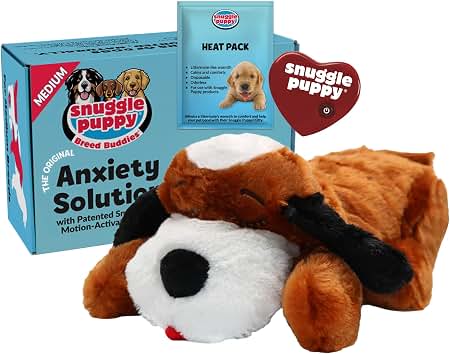
Snuggle Puppy Behavioral Health Toy
A stuffed toy with a simulated heartbeat and heat pack mimics the comfort of littermates, which can be very soothing in a safe space.
Best for: Place it in your dog's bed or crate on fireworks night.
Price Range: $30-$40
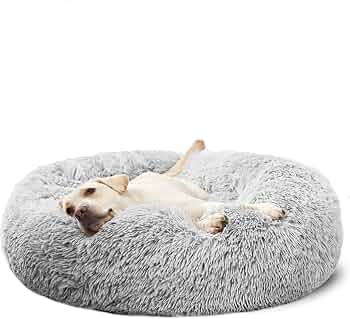
MANLALA Dog Calming Bed (Donut Bed)
The deep, raised sides let your dog curl up in a cozy, den-like position that promotes relaxation and a sense of security.
Best for: Set it up in the safe room so your dog has a comfortable retreat.
Price Range: $30-$45