
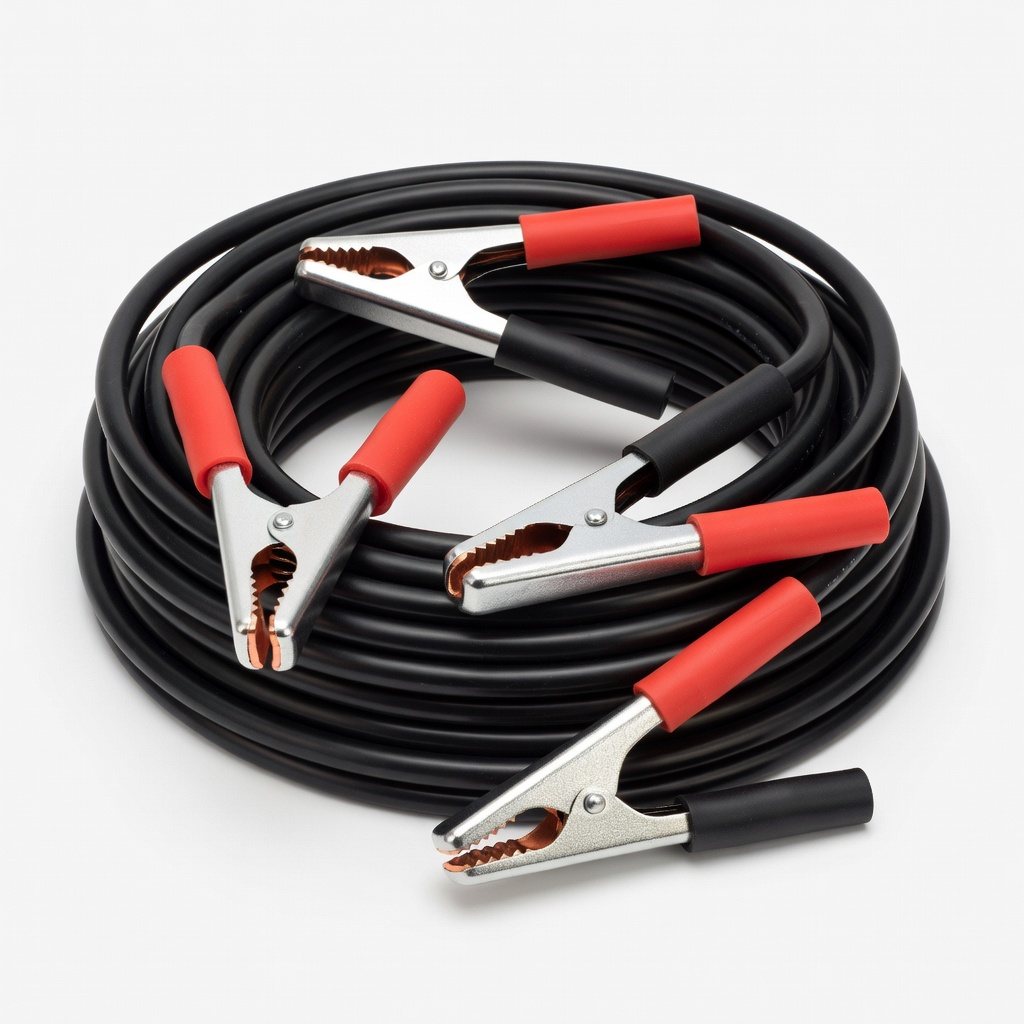
Cartman Heavy Duty 4 Gauge 20Ft Jumper Cables
Essential for all jumpstarts; great for tractors or spaced batteries.
$29.99
Cartman Heavy Duty 4 Gauge 20Ft Jumper Cables Thick gauge handles 6V current without overheating; long length for easy access.
Get the App
Better experience on mobile
Safely revive your dead 6V battery in classic cars or tractors with simple steps to get back on the road fast.
Nothing strands you like a dead battery in your vintage car or tractor with a 6V system. Whether it's a classic Ford from the 1940s or an old lawn mower, a flat 6V battery can halt your day. This guide shows beginners how to jumpstart it safely without frying your electrical system.
You'll learn the exact steps using another 6V battery or vehicle, why voltage matching is critical, and how to avoid damage. The process takes just 10-15 minutes and requires basic tools—no advanced skills needed.
Expect clear visuals in mind, safety first, and pro tips for success. Always prioritize safety: 6V systems are low voltage but still risky if mishandled.
Estimated Time: 10-15 minutes Difficulty: beginner
Park both the dead vehicle (with 6V battery) and the donor vehicle (also 6V) on level ground, away from traffic. Turn off both ignitions, remove keys, and engage parking brakes. Pop the hoods and locate the batteries—props them open securely.
Why it matters: This prevents accidental starts, rolling, or shorts. Expect cool batteries; if hot, wait 30 minutes.
Image description: Two vehicles side-by-side with hoods open, showing 6V batteries and jumper cables nearby.
💡 Tips:
⚠️ Warnings:
Use a multimeter to confirm both batteries are 6V systems (reading around 6 volts when off). Check polarity—most 6V vehicles are negative ground, but some classics are positive ground (consult manual).
This step prevents damage: 12V donors can overload and destroy 6V wiring. Success: Matching voltages confirmed.
Clean corroded terminals with baking soda/water mix and a brush if needed.
💡 Tips:
⚠️ Warnings:
Attach one end of the red (positive) jumper cable clamp to the positive (+) terminal of the dead 6V battery. Then, connect the other red clamp to the positive (+) terminal of the donor battery.
Why: Builds charge safely without sparking. Expect secure, tight connections—no loose clamps.
Image description: Close-up of red clamps on positive terminals.
💡 Tips:
⚠️ Warnings:
Clamp the black (negative) cable to a clean, unpainted metal ground on the donor vehicle (away from battery, like engine block). Then, connect the final black clamp to the negative (-) terminal on the dead battery.
This order minimizes sparks near batteries. Wiggle cables to ensure no loose contact.
Image description: Black clamps on engine block and negative terminal.
⚠️ Warnings:
If donor is a vehicle, start its engine and let it idle for 2-5 minutes. Rev gently to 2000 RPM if needed. This transfers charge to the dead battery.
Monitor for heat/smoke. Success: Multimeter shows rising voltage on dead battery (up to 7-8V).
💡 Tips:
Try cranking the dead vehicle for no more than 10 seconds. If it doesn't start, wait 2 minutes and retry (up to 3 times).
Engine turns over smoothly = success! If sluggish, charge longer.
⚠️ Warnings:
Turn off donor engine. Remove black clamp from dead negative, then donor ground, then red from donor positive, last red from dead positive.
Why reverse: Prevents arcs. Drive dead vehicle 20-30 mins to recharge battery.
💡 Tips:
Problem: Vehicle cranks but won't start
Solution: Check fuel/spark; battery may need full charge or replacement. Test alternator.
Problem: Sparks or smoking during connection
Solution: Disconnect immediately, check polarity. Retry with engine off.
Problem: Dead battery voltage doesn't rise
Solution: Bad cables or donor—swap/test. Clean corrosion.
Problem: Fuses blow after jump
Solution: Voltage mismatch likely; seek pro for wiring check.
Thick gauge handles 6V current without overheating; long length for easy access.
Best for: Essential for all jumpstarts; great for tractors or spaced batteries.
Price Range: $29.99
Safer alternative to jumping; maintains and charges 6V batteries precisely.
Best for: When no donor available; overnight charging post-jump.
Price Range: $39.95
Accurate 6V verification and testing; auto-ranging for beginners.
Best for: Check voltages pre/post-jump to confirm success.
Price Range: $29.97
Dual voltage with 30A boost mode; jumps and charges 6V systems.
Best for: Portable booster for solo 6V jumps without donor vehicle.
Price Range: $59.99
Impact-resistant with anti-fog; protects eyes from sparks/acid.
Best for: Mandatory safety gear for any battery work.
Price Range: $12.99
Essential for all jumpstarts; great for tractors or spaced batteries.
Cartman Heavy Duty 4 Gauge 20Ft Jumper Cables Thick gauge handles 6V current without overheating; long length for easy access.
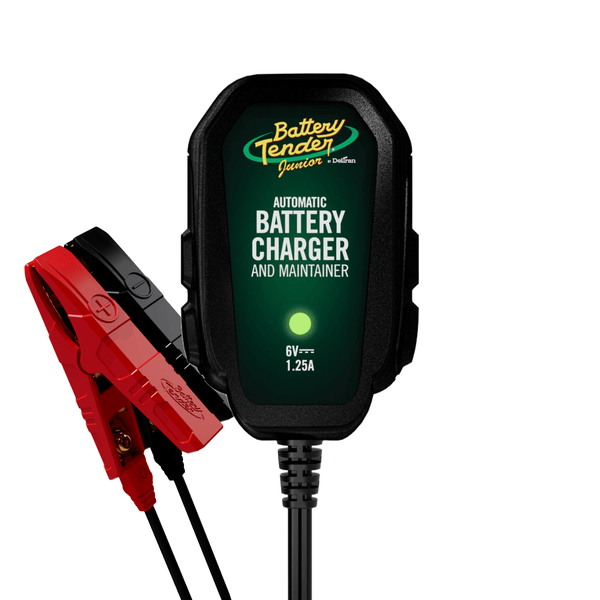
When no donor available; overnight charging post-jump.
Battery Tender 6V Fully Automatic Charger Safer alternative to jumping; maintains and charges 6V batteries precisely.
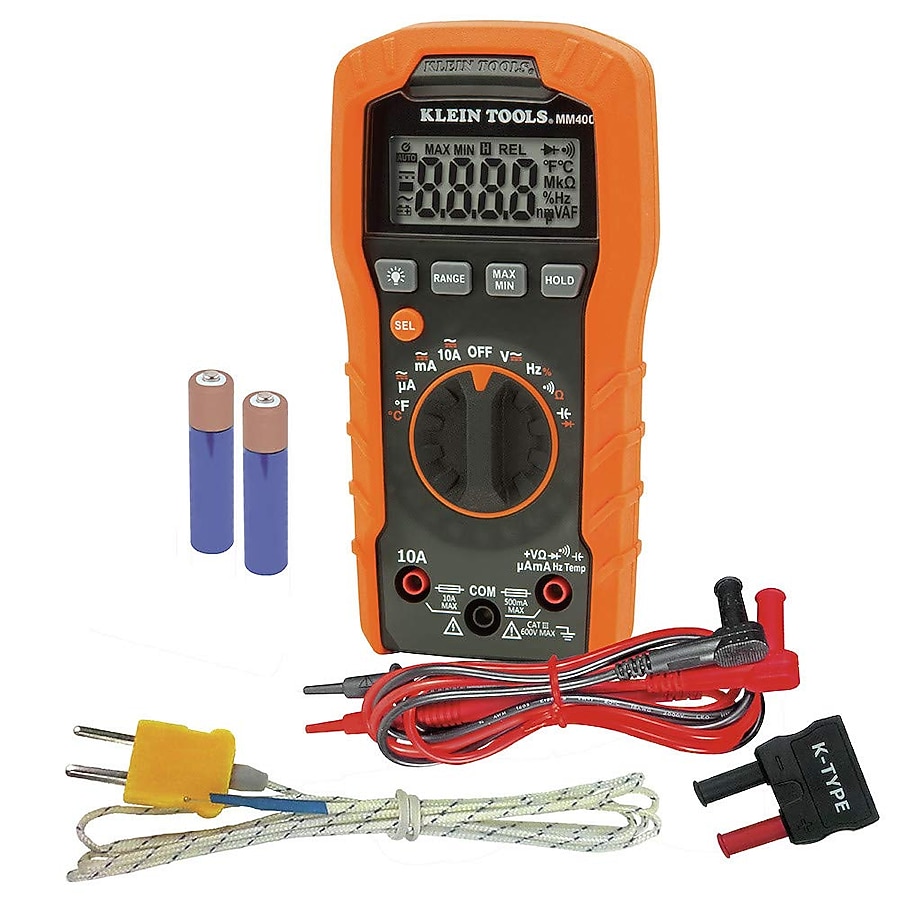
Check voltages pre/post-jump to confirm success.
Klein Tools MM400 Digital Multimeter Accurate 6V verification and testing; auto-ranging for beginners.
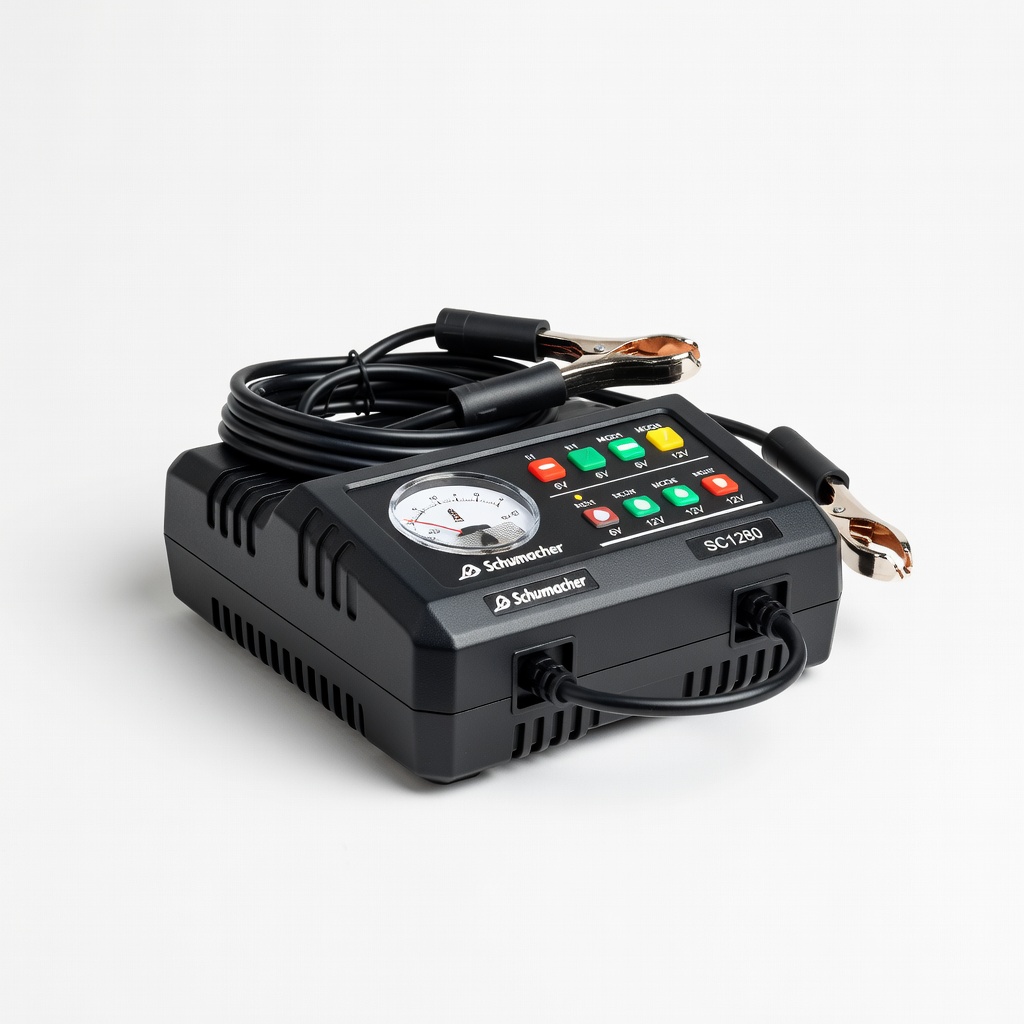
Portable booster for solo 6V jumps without donor vehicle.
Schumacher SC1280 6V/12V Battery Charger Dual voltage with 30A boost mode; jumps and charges 6V systems.

Mandatory safety gear for any battery work.
NoCry Safety Glasses Impact-resistant with anti-fog; protects eyes from sparks/acid.