
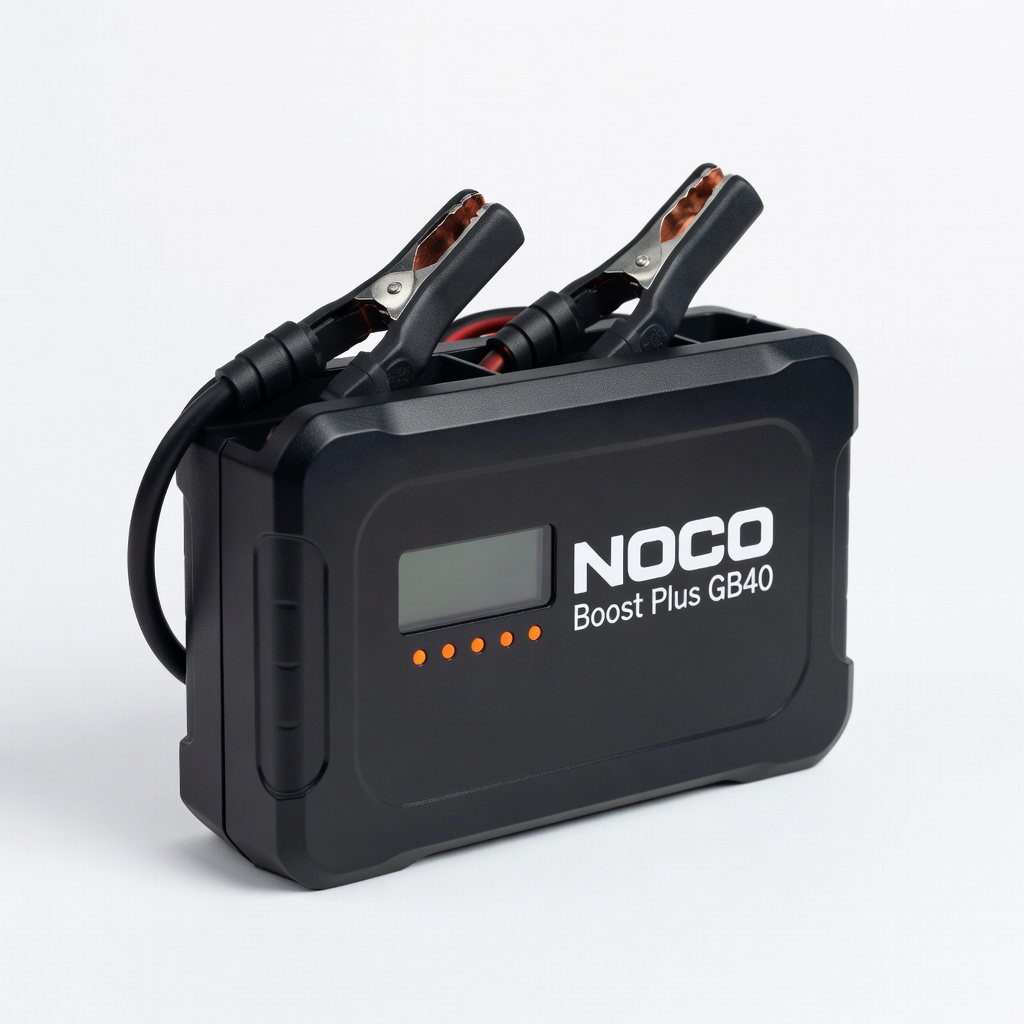
NOCO Boost Plus GB40
Daily drivers, sedans under 6L engines.
$124.95
NOCO Boost Plus GB40 Compact, reliable 1000A peak for most cars; waterproof and 20+ jumps per charge.
Get the App
Better experience on mobile
Safely restart your dead battery in 10 minutes with a portable 12V jump starter—no second car needed.
Imagine being stranded in a parking lot or on the roadside with a dead car battery. It's a common frustration that happens to everyone at some point, often due to leaving lights on or cold weather. Traditional jumpstarting requires another vehicle and jumper cables, but a 12V portable battery jump starter makes it simple, safe, and independent.
In this beginner-friendly guide, you'll learn step-by-step how to use a 12V portable jump starter to get your car running quickly. We'll cover safety first, precise connections, and what to do after. The process takes just 10-15 minutes and requires no mechanical expertise—just follow along.
Expect clear visuals (described for images), tips from real-world use, and troubleshooting for hiccups. By the end, you'll confidently handle dead batteries anytime.
Estimated Time: 10-15 minutes Difficulty: beginner
Before starting, ensure your 12V portable jump starter is at full charge. Plug it into a wall outlet or car USB port using the provided cable—most models have an LED indicator showing charge level (look for solid green).
Why it matters: A low battery won't provide enough power (typically 1000-2000 peak amps needed for most cars). Expect 2-4 hours for a full charge from empty.
Image description: Close-up of a NOCO jump starter plugged in, with green LED lit.
💡 Tips:
⚠️ Warnings:
Park your car on a flat, level surface away from traffic. Engage the parking brake, turn off the ignition, headlights, radio, and all accessories. Remove the key.
This prevents sparks, draining power, or movement. Open the hood and prop it securely.
Image description: Car parked safely with hood open.
💡 Tips:
⚠️ Warnings:
Find your car's battery under the hood (usually front-left or right). Identify the positive (+) terminal (red cover/cap) and negative (-) terminal (black).
Clean any corrosion with a wire brush if needed. Some cars have terminals in the fuse box—consult your manual.
Expect the battery to look dusty or corroded; this is normal.
Image description: Car battery with labeled + and - terminals.
💡 Tips:
Attach the red (positive) clamp from the jump starter to the car's positive (+) battery terminal. Ensure a firm connection—listen for a click.
Why first: Positive connection is safer to minimize spark risk.
Image description: Red clamp securely attached to + terminal.
⚠️ Warnings:
Attach the black (negative) clamp to an unpainted metal ground on the engine block or frame, away from the battery (at least 12 inches) and fuel lines. Avoid the negative battery terminal or moving parts.
This reduces explosion risk from hydrogen gas near the battery.
Image description: Black clamp on engine ground point.
💡 Tips:
⚠️ Warnings:
Turn on the jump starter (press power button; LEDs may flash). Wait 30 seconds for capacitors to charge, then start your car.
If it cranks slowly, wait 1-2 minutes and retry (most have auto-retry). Success: Engine turns over and starts.
Image description: Jump starter powered on, car ignition turning.
💡 Tips:
Once running, let the engine idle for 5-10 minutes to recharge. Then disconnect: black clamp first, then red.
Store the jump starter safely.
Image description: Car engine running, clamps being removed.
⚠️ Warnings:
Problem: Car won't start after connections
Solution: Check connections, wait 1 min, retry. If error light on starter, recharge it. Test alternator if repeats.
Problem: Sparks or smoke
Solution: Disconnect immediately, check polarity. Clean terminals.
Problem: Starter beeps/errors
Solution: Reverse clamps or low charge—refer to manual. Seek pro if persists.
Problem: Starts but dies quickly
Solution: Faulty alternator/battery—drive to mechanic, use battery tester.
Compact, reliable 1000A peak for most cars; waterproof and 20+ jumps per charge.
Best for: Daily drivers, sedans under 6L engines.
Price Range: $124.95
2000A peak handles trucks; smart charging prevents overcharge.
Best for: SUVs, diesels up to 8L.
Price Range: $199.95
Budget-friendly 4000A with flashlight/air compressor; great value.
Best for: Emergencies needing multi-tools.
Price Range: $99.99
Affordable with built-in air compressor; 1000A for portability.
Best for: Beginners wanting extras like tire inflation.
Price Range: $79.99
Daily drivers, sedans under 6L engines.
NOCO Boost Plus GB40 Compact, reliable 1000A peak for most cars; waterproof and 20+ jumps per charge.
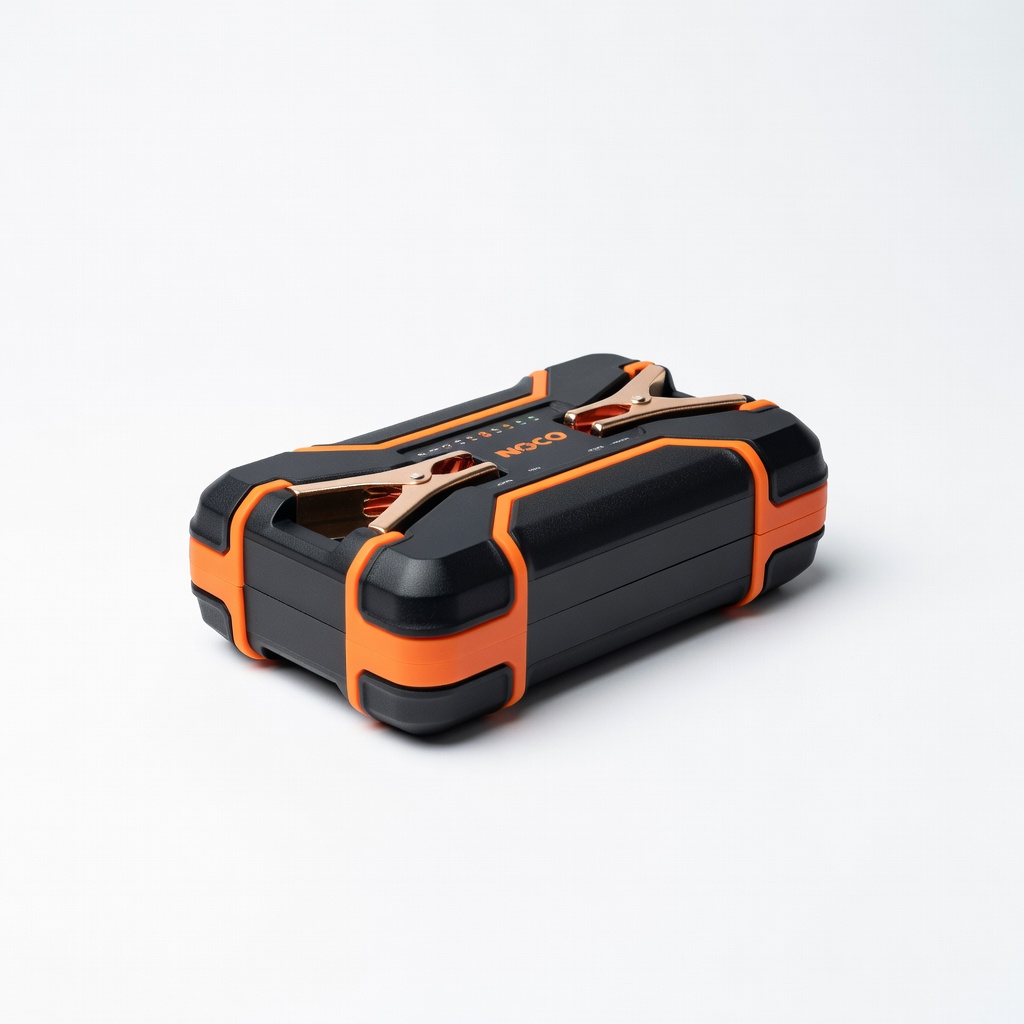
SUVs, diesels up to 8L.
NOCO Boost HD GB70 2000A peak handles trucks; smart charging prevents overcharge.
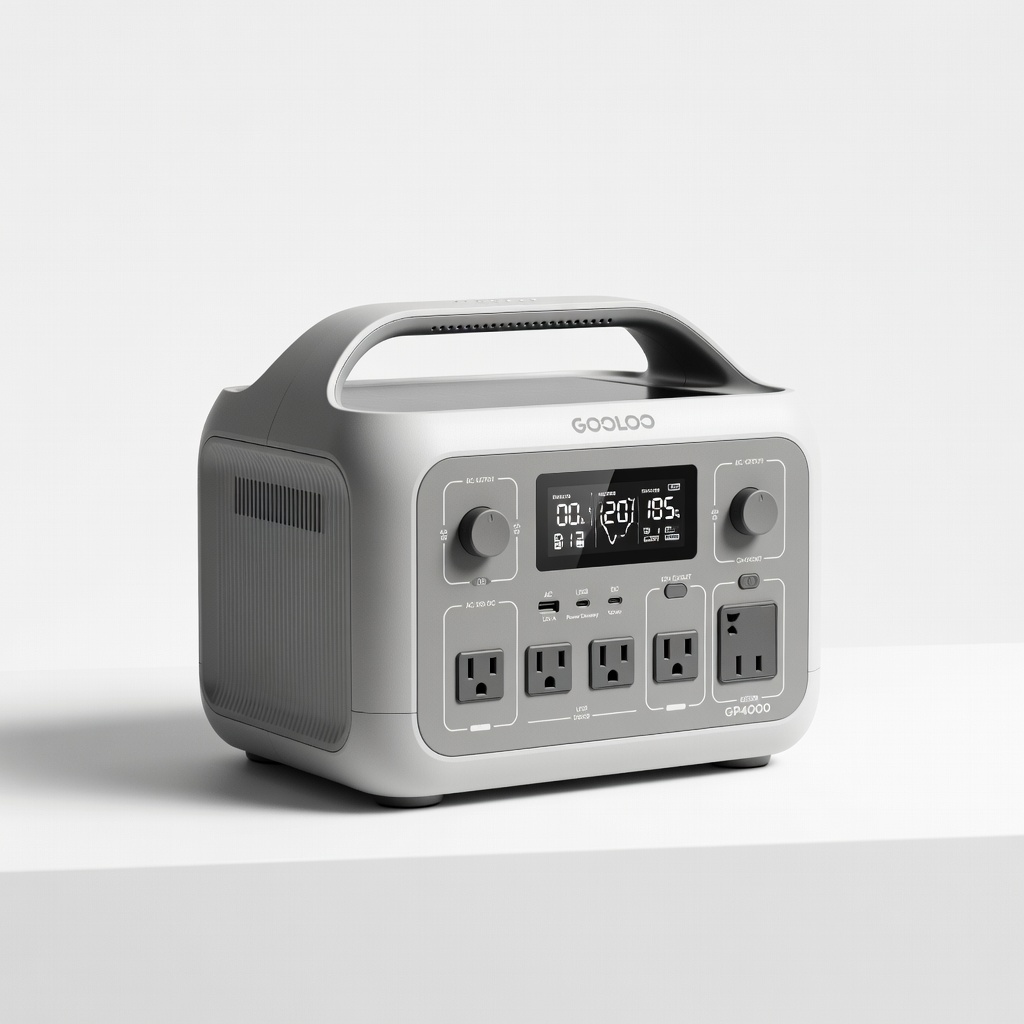
Emergencies needing multi-tools.
GOOLOO GP4000 Budget-friendly 4000A with flashlight/air compressor; great value.

Beginners wanting extras like tire inflation.
Stanley J5C09 Affordable with built-in air compressor; 1000A for portability.