
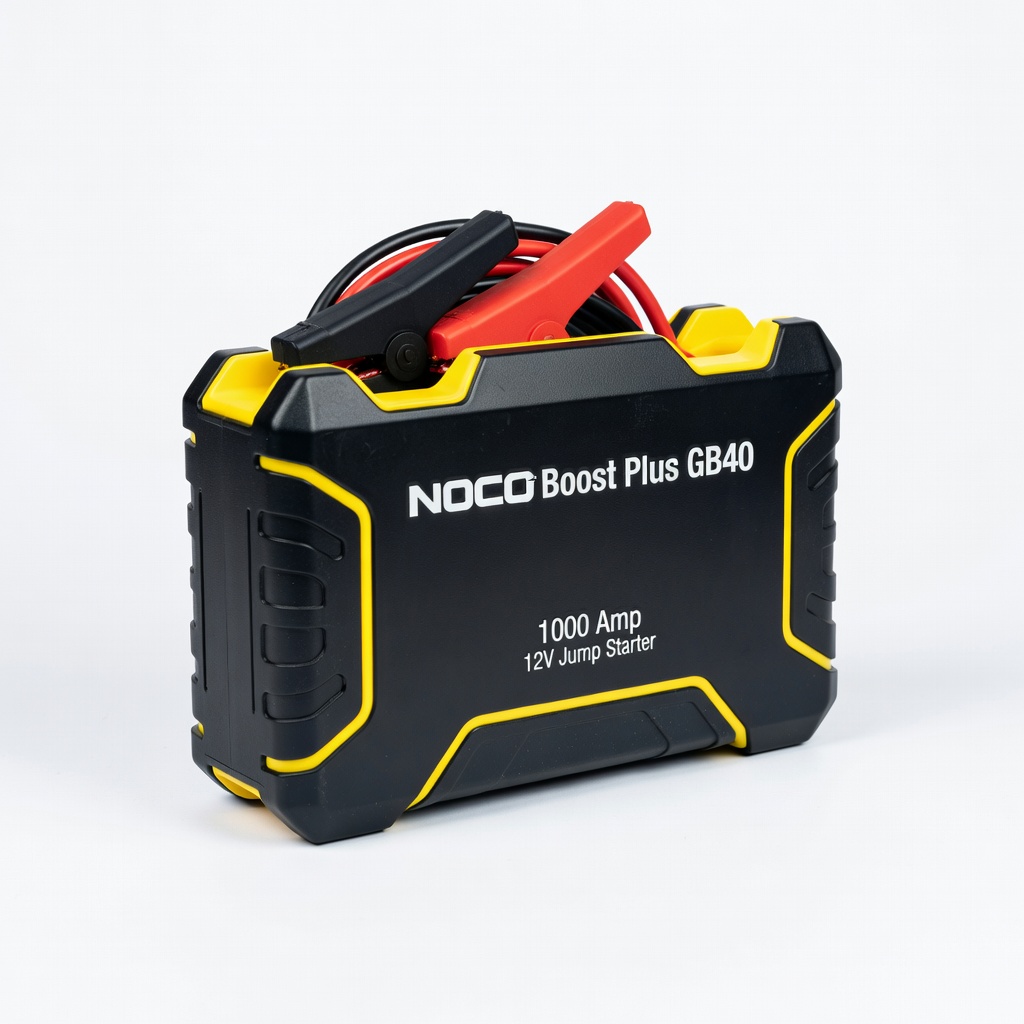
NOCO Boost Plus GB40 1000 Amp 12V Jump Starter
Solo jumpstarts or emergencies without help.
$124.95
NOCO Boost Plus GB40 1000 Amp 12V Jump Starter Portable lithium jump starter—no donor car needed, safer for beginners, holds charge for years.
Get the App
Better experience on mobile
Revive your dead battery safely in minutes with this beginner step-by-step guide—no mechanic needed.
Nothing strands you like a dead car battery on a cold morning or after leaving your lights on. It happens to everyone, but knowing how to jumpstart your 12V car battery can get you back on the road fast without a tow truck.
In this guide, you'll learn the exact, safe process using jumper cables and a donor vehicle. It's beginner-friendly, takes just 10-15 minutes, and follows current best practices from AAA and automotive experts. We'll cover everything from safety to troubleshooting.
Expect simple steps, clear warnings, and pro tips. Always prioritize safety—wear gloves and glasses if possible.
Estimated Time: 10-15 minutes Difficulty: beginner
Park the donor vehicle nose-to-nose or parallel to your dead vehicle, close enough for cables to reach (about 2 feet apart) but not touching. Engage parking brakes on both. Turn off engines, lights, radios, and accessories on both cars.
Why it matters: Prevents electrical shorts, sparks, or accidental starts. Success looks like both cars off, keys out, and hazards visible.
Open both hoods and secure them.
💡 Tips:
⚠️ Warnings:
Find the batteries under the hoods (usually front-left or right). Identify positive (+, red) and negative (-, black) terminals. Clean any corrosion with a brush if needed.
What to expect: Terminals may be covered in grime—wipe clean for good contact. Success: Clear view of both batteries.
💡 Tips:
⚠️ Warnings:
Clamp the red (+) cable to the positive terminal of the dead battery. Then, attach the other red clamp to the positive terminal of the donor battery.
Why: Positive first reduces spark risk. Wiggle clamps for firm grip—no loose connections.
💡 Tips:
⚠️ Warnings:
Black (-) clamp to negative terminal on donor battery. Then, other black clamp to an unpainted metal ground on the dead car's engine block (away from battery).
Why ground? Avoids hydrogen gas explosion near battery. Success: Cables secure, no sparks.
💡 Tips:
⚠️ Warnings:
Start the donor car's engine and let it idle for 2-5 minutes. Rev gently to 2000 RPM if needed.
What happens: Charges the dead battery. Listen for normal idle; check for smoke or heat.
💡 Tips:
⚠️ Warnings:
Try starting the dead car (max 10 seconds). If it cranks slowly, wait 1-2 min and retry.
Success: Engine starts and idles. If not, wait longer or check connections.
💡 Tips:
⚠️ Warnings:
Once running, disconnect: Black from ground, black from donor negative, red from donor positive, red from dead positive.
Why reverse: Safe removal. Drive both cars for 20-30 min to charge.
💡 Tips:
⚠️ Warnings:
Let your car run 20-30 min or drive 30+ miles. Test battery voltage (should be 13.7-14.7V running).
Next: Get battery tested/replaced soon—jumpstarting is temporary.
💡 Tips:
⚠️ Warnings:
Problem: Sparks when connecting
Solution: Turn off donor first, ensure firm clamps, connect away from battery for negative.
Problem: Dead car won't start after jumps
Solution: Check alternator, fuel, or bad battery—test at auto parts store.
Problem: Smoke or burning smell
Solution: Disconnect immediately, check for reversed polarity or loose clamps—seek pro help.
Problem: Battery dies again soon
Solution: Replace battery; jumpstarting is temporary.
Portable lithium jump starter—no donor car needed, safer for beginners, holds charge for years.
Best for: Solo jumpstarts or emergencies without help.
Price Range: $124.95
Thick gauge for reliable connection on larger vehicles, long length for easy positioning.
Best for: Standard vehicle-to-vehicle jumps.
Price Range: $26.99
Smart charger maintains and fully recharges weak batteries post-jump, prevents future issues.
Best for: After jumping, for overnight charging at home.
Price Range: $69.95
Quickly tests battery health before/after jump to know if replacement needed.
Best for: Diagnose if battery is truly dead.
Price Range: $19.99
Protects eyes from sparks/acid; comfortable for quick use.
Best for: Safety during connections.
Price Range: $12.99
Solo jumpstarts or emergencies without help.
NOCO Boost Plus GB40 1000 Amp 12V Jump Starter Portable lithium jump starter—no donor car needed, safer for beginners, holds charge for years.
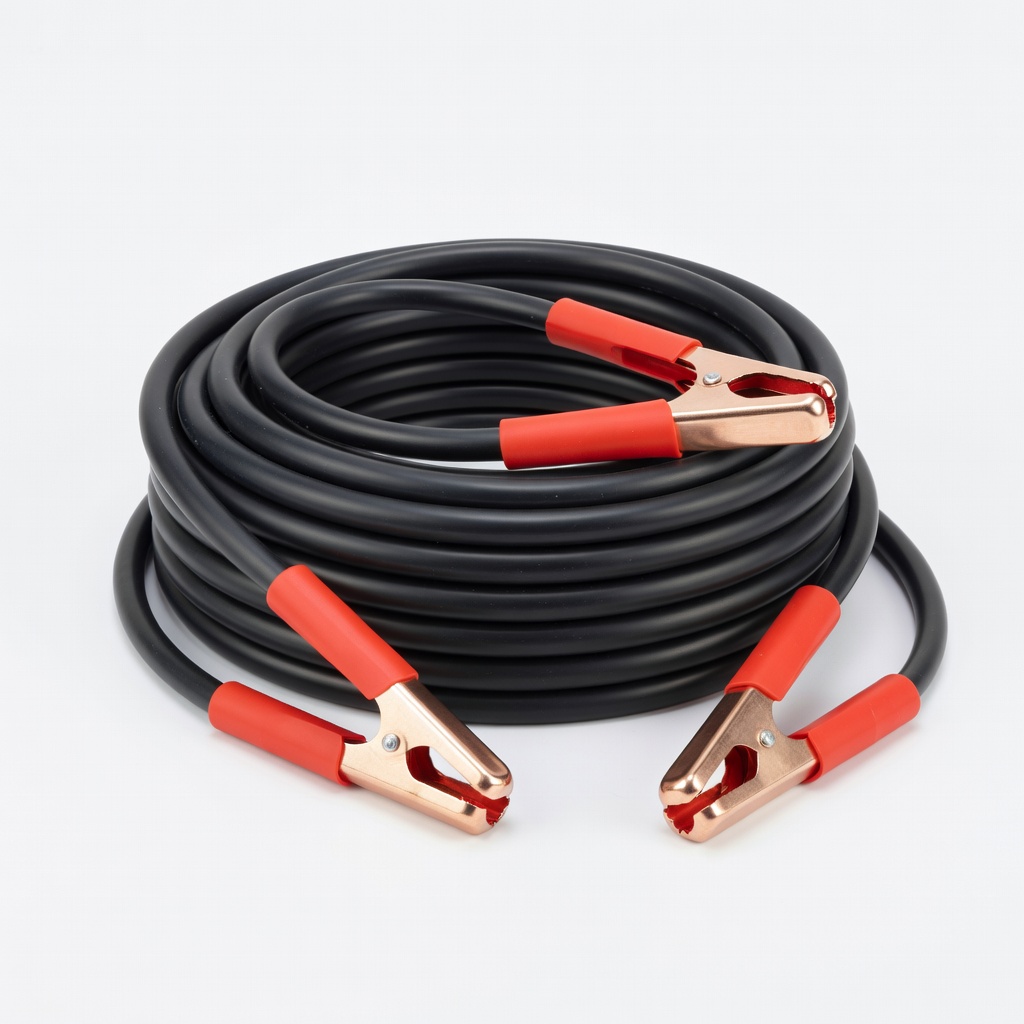
Standard vehicle-to-vehicle jumps.
Cartman 4 Gauge 20Ft Heavy Duty Jumper Cables Thick gauge for reliable connection on larger vehicles, long length for easy positioning.
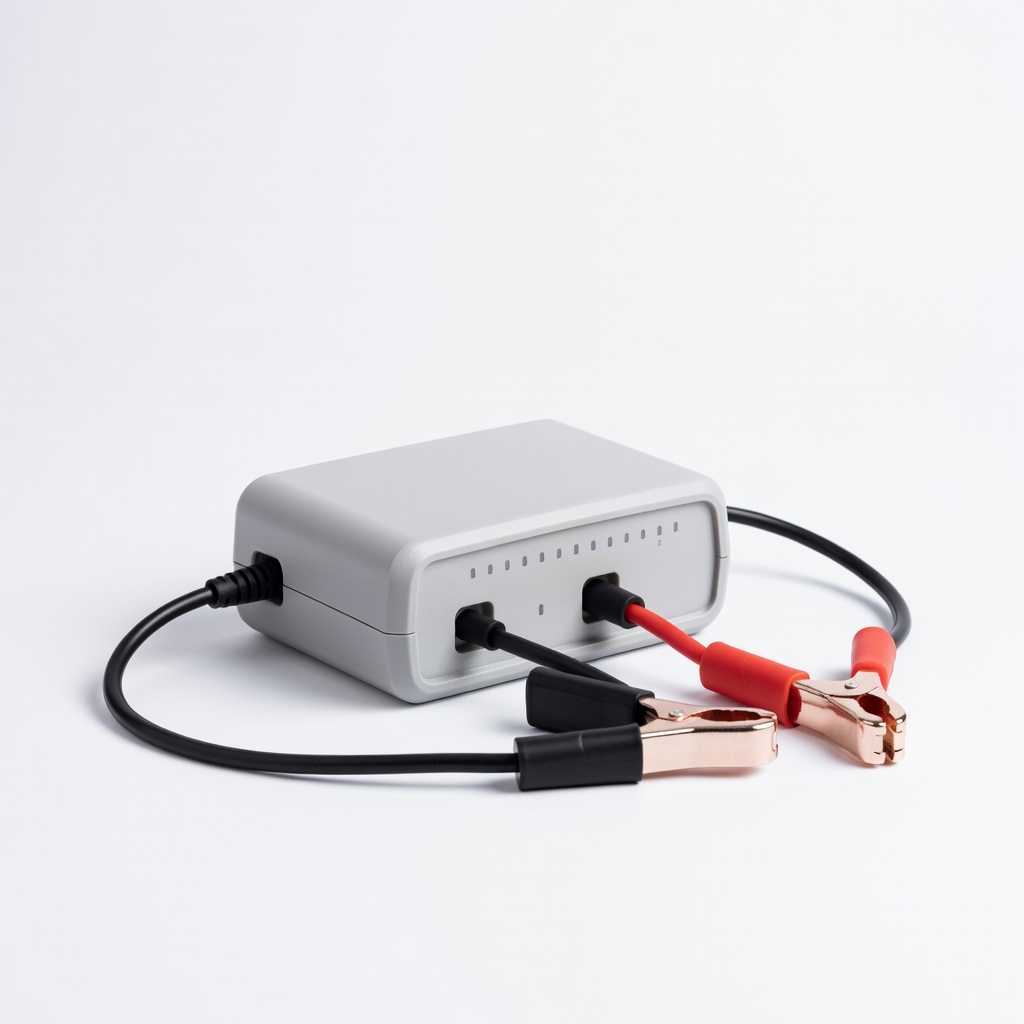
After jumping, for overnight charging at home.
NOCO Genius5 12V Battery Charger Smart charger maintains and fully recharges weak batteries post-jump, prevents future issues.
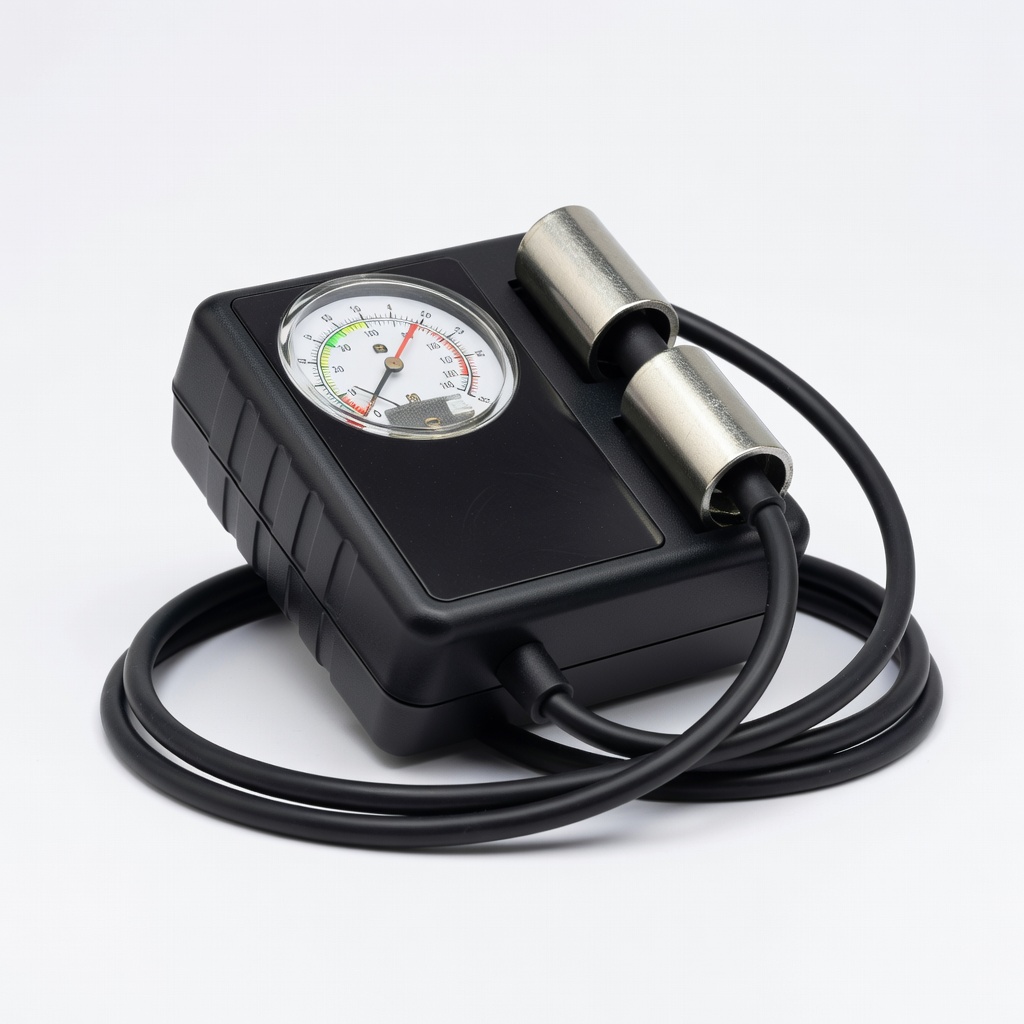
Diagnose if battery is truly dead.
Schumacher BT-100 Battery Tester Quickly tests battery health before/after jump to know if replacement needed.

Safety during connections.
DEWALT DPG82-11 Concealer Clear Anti-Fog Safety Glasses Protects eyes from sparks/acid; comfortable for quick use.