
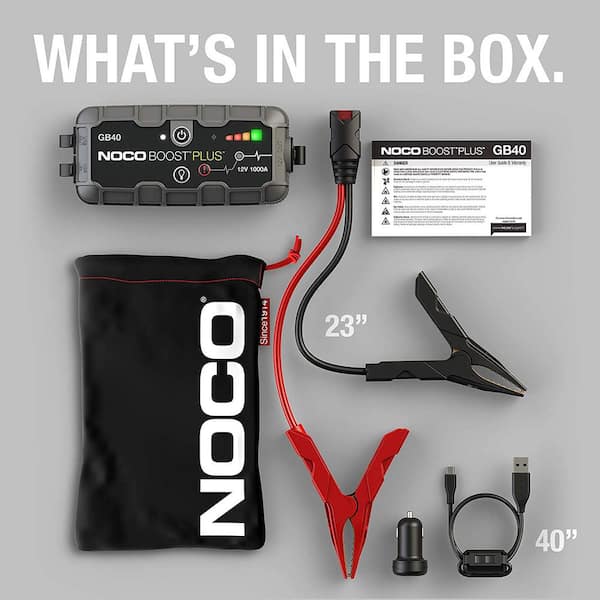
NOCO Boost Plus GB40
Everyday emergencies on sedans/SUVs under 6L engines.
$124.95
NOCO Boost Plus GB40 Compact 1000A peak jump starter with lithium power for up to 20 jumps per charge—reliable for most cars.
Get the App
Better experience on mobile
Revive your dead battery safely in under 15 minutes using a portable 12V power station—no second car needed.
Nothing strands you like a dead car battery, especially when you're in a rush or far from help. Traditional jump starts require another running vehicle, but a 12V portable power station changes the game by providing reliable power independently. Whether it's cold weather, leaving lights on, or age, dead batteries happen to everyone.
In this beginner-friendly guide, you'll learn the exact step-by-step process to jump start your car safely and effectively. We'll cover everything from safety checks to disconnection, so you can get back on the road confidently. The process takes just 10-15 minutes and requires no mechanical expertise—just follow along.
Expect simple tools you likely already have or can grab affordably. By the end, you'll handle emergencies like a pro and avoid towing fees.
Estimated Time: 10-15 minutes Difficulty: beginner
Park your car in a flat, well-ventilated area away from traffic or flammable materials. Turn off the ignition, headlights, and all accessories. Put on safety gloves and glasses to protect against sparks or acid.
Why it matters: Dead batteries can spark or leak acid during jumps, causing injury or fire. A stable setup prevents accidents.
Success looks like: Car off, you're geared up, and power station is fully charged (check LCD shows 100%).
💡 Tips:
⚠️ Warnings:
Open the hood and find the battery (usually front-left). Clean any corrosion with a baking soda-water mix and brush. Note terminals: red positive (+), black negative (-).
Use a multimeter if available—voltage below 12V confirms it's dead. Ensure no visible damage like cracks.
Expect: Clean, accessible terminals. This prevents poor connections.
💡 Tips:
⚠️ Warnings:
Place the 12V power station on a flat surface near the battery, within 2 feet for cable reach. Ensure it's stable and away from moving parts.
Turn on the power station and select jump start mode if available (some have a dedicated button or port).
Success: Power station powered up, cables ready.
💡 Tips:
Clamp the red (+) cable to the dead battery's positive terminal. Ensure a firm connection—wiggle to confirm.
Next, connect the other red end to the power station's positive output.
Why: Positive first reduces spark risk on negative.
⚠️ Warnings:
Attach black (-) cable to a clean, unpainted metal ground on the car frame or engine block (not the battery negative to avoid sparks near gas).
Connect the other black end to power station negative.
Expect: Secure clamps, no loose wires.
💡 Tips:
Activate jump start on the power station (press boost button). Wait 30 seconds for capacitors to charge.
Start the car—crank for no more than 5 seconds per try, with 15-second pauses.
Success: Engine turns over and starts smoothly.
⚠️ Warnings:
With engine running, remove black ground first, then power station black, power station red, battery red.
Let idle 5-10 minutes to recharge battery.
Drive 20-30 minutes to fully charge.
💡 Tips:
Problem: Car won't crank
Solution: Check connections, retry ground point, ensure power station has charge. Test battery voltage.
Problem: Sparks or smoking
Solution: Disconnect immediately, check polarity, clean terminals. Seek pro if damaged.
Problem: Power station won't activate
Solution: Recharge it fully or check for error lights—consult manual.
Problem: Engine starts but dies
Solution: Battery faulty or alternator issue—drive to mechanic or charge overnight.
Compact 1000A peak jump starter with lithium power for up to 20 jumps per charge—reliable for most cars.
Best for: Everyday emergencies on sedans/SUVs under 6L engines.
Price Range: $124.95
2000A peak power handles trucks; includes LCD, flashlight, and USB ports for multi-use as power station.
Best for: Larger vehicles or off-road trips needing extra power outlets.
Price Range: $89.99
268Wh capacity with 600A jump start port, app control, and AC outlets—beyond just jumping.
Best for: Camping/power outages where you need sustained 12V output.
Price Range: $199-$249
Budget-friendly with safety protections; water-resistant for outdoor use.
Best for: Quick, affordable starter for small cars or backups.
Price Range: $59.99
Everyday emergencies on sedans/SUVs under 6L engines.
NOCO Boost Plus GB40 Compact 1000A peak jump starter with lithium power for up to 20 jumps per charge—reliable for most cars.
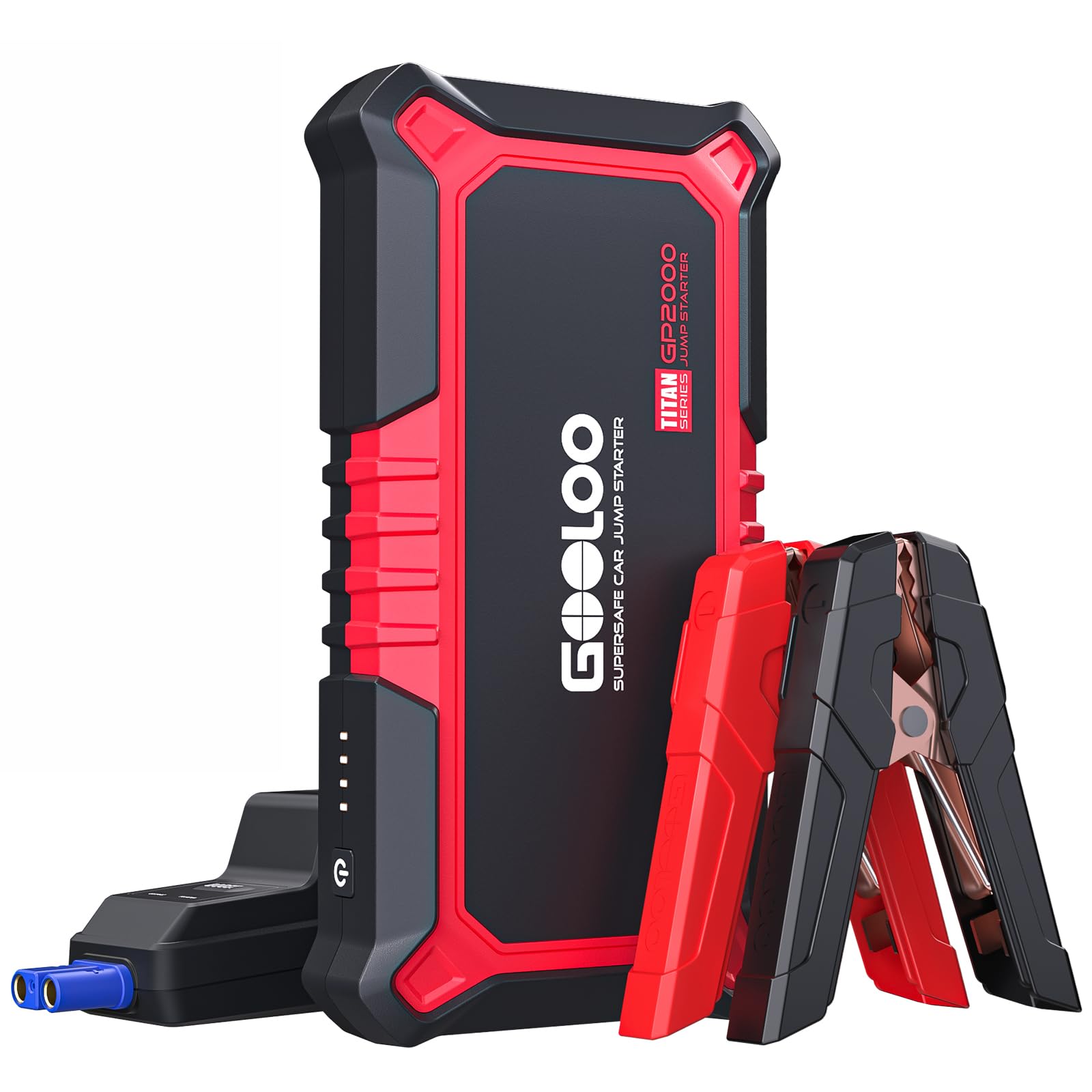
Larger vehicles or off-road trips needing extra power outlets.
GOOLOO GP2000 Jump Starter 2000A peak power handles trucks; includes LCD, flashlight, and USB ports for multi-use as power station.
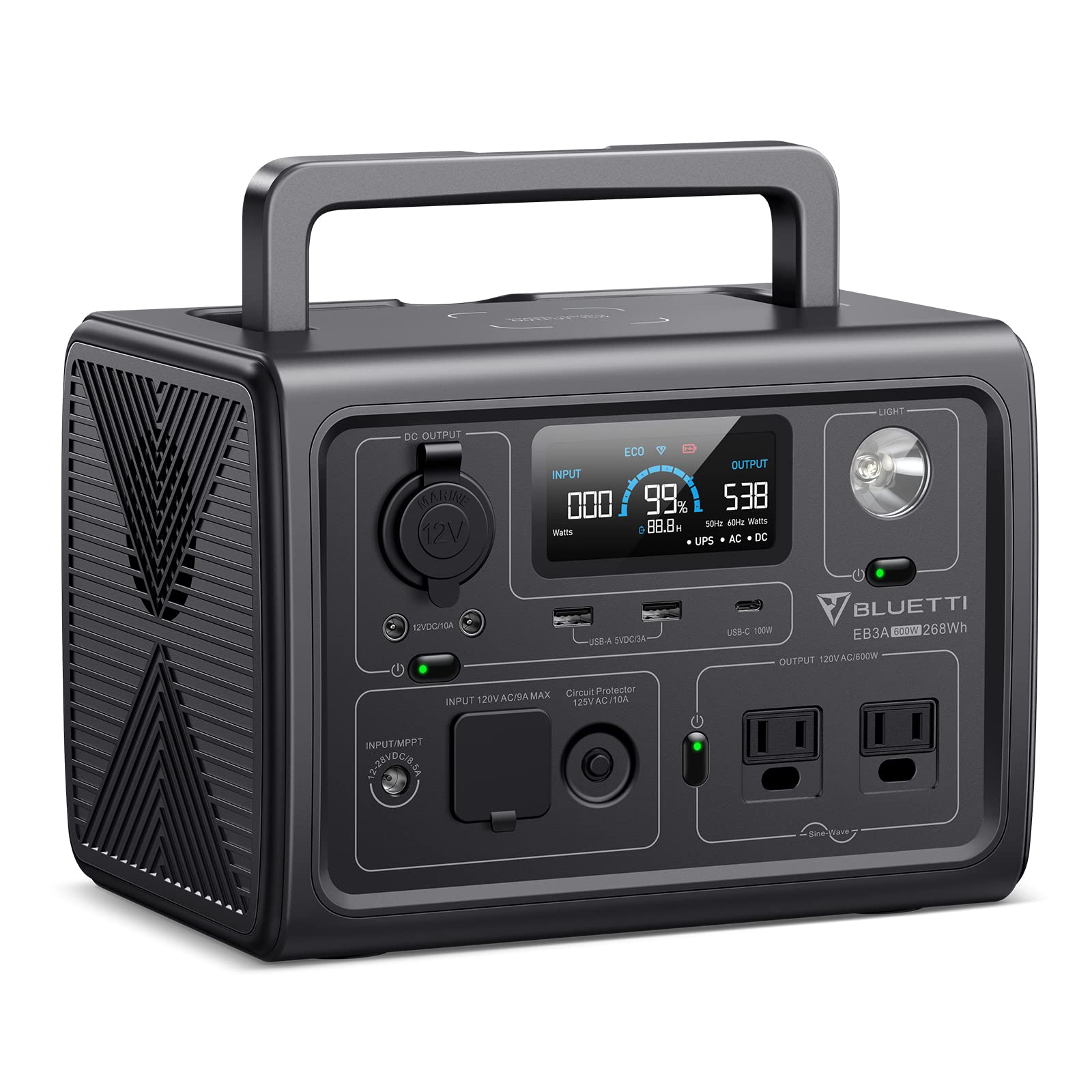
Camping/power outages where you need sustained 12V output.
Bluetti EB3A Portable Power Station 268Wh capacity with 600A jump start port, app control, and AC outlets—beyond just jumping.
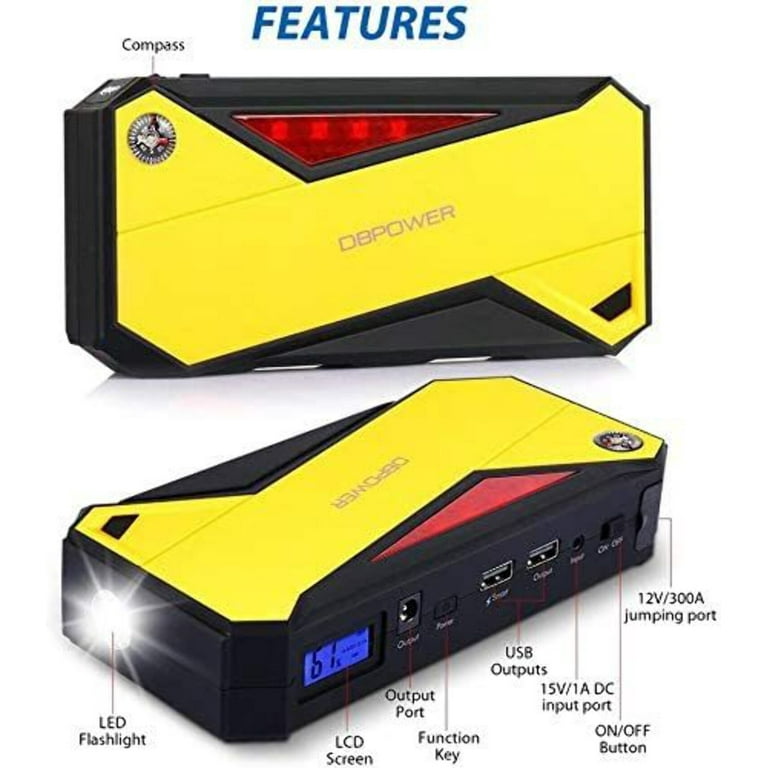
Quick, affordable starter for small cars or backups.
DBPOWER 800A Peak Jump Starter Budget-friendly with safety protections; water-resistant for outdoor use.