
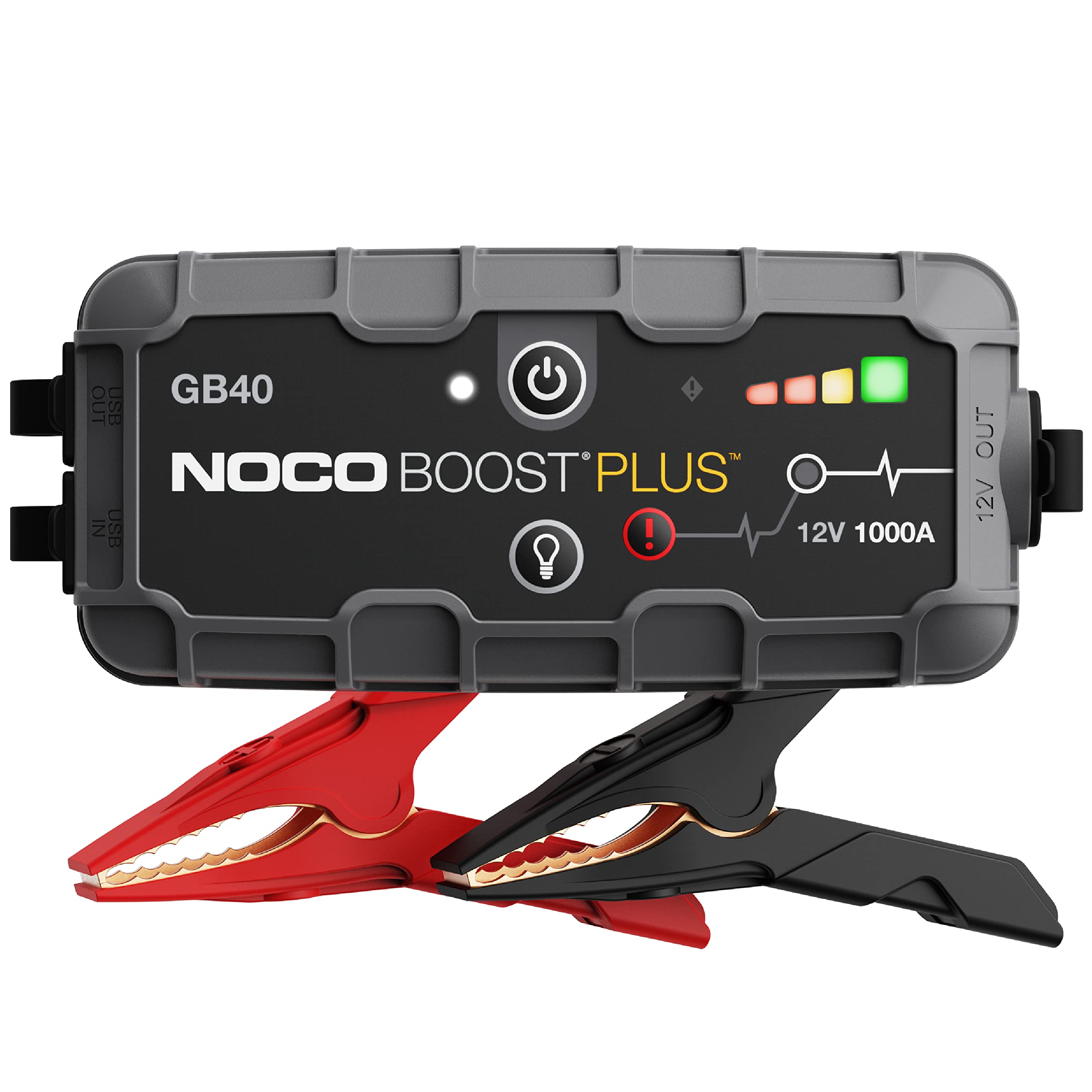
NOCO Boost Plus GB40 1000A (ASIN: B015TKUPIC)
Daily drivers up to 6L engines; 20+ jumps per charge.
$124.95
NOCO Boost Plus GB40 1000A (ASIN: B015TKUPIC) Ultra-safe with reverse polarity protection and spark-proof tech; compact for any car.
Get the App
Better experience on mobile
Safely revive your dead car battery using a portable 12V jump starter pack in just 10 minutes, no second vehicle needed.
Nothing strands you like a dead car battery—especially in cold weather or after leaving lights on. Traditional jump-starting requires another running vehicle, but 12V battery packs (aka jump starters) make it simple and independent. This guide teaches beginners how to do it safely and effectively.
You'll learn the exact step-by-step process, safety precautions, and pro tips to get your engine cranking fast. No mechanical experience needed—just follow along. The whole process takes 10-20 minutes, depending on your setup.
Expect success when your car starts after connecting the pack. We'll cover everything from prep to post-jump care, including troubleshooting.
Estimated Time: 10-20 minutes Difficulty: beginner
Park your vehicle on a flat, stable surface away from traffic. Engage the parking brake and turn off the ignition, headlights, radio, and all accessories. Remove the key from the ignition.
Why it matters: This prevents sparks, electrical shorts, or accidental starts during connection. Expect a quiet, powered-down vehicle ready for the next step.
Open the hood and prop it securely.
💡 Tips:
⚠️ Warnings:
Check your jump starter's charge level (most have LED indicators). If below 50%, plug it in to charge fully first—lithium packs charge in 2-4 hours via USB.
Why it matters: A low charge won't deliver enough power. Success looks like full green lights or 'READY' status.
Read the manual for your specific model's amp rating (match to your engine size: 1000A for up to 6L gas).
💡 Tips:
⚠️ Warnings:
Find your vehicle's battery under the hood (front driver's side common). Clean corroded terminals with a cloth if needed.
Why it matters: Clean connections ensure power flow. Expect to see positive (+) red terminal and negative (-) black.
💡 Tips:
Attach the red (positive) clamp firmly to the dead battery's positive (+) terminal. Ensure a secure snap.
Why it matters: Positive first prevents short circuits. You may see a spark—normal but brief.
Don't let clamps touch each other.
💡 Tips:
⚠️ Warnings:
Attach the black (negative) clamp to the dead battery's negative (-) terminal OR unpainted metal ground on engine block (away from battery).
Why it matters: Grounding reduces explosion risk from hydrogen gas. Expect no sparks here if done right.
💡 Tips:
⚠️ Warnings:
Press the power button on your 12V pack. Wait for boost lights (flashing green usually).
Why it matters: Activates peak amps delivery. Success: Steady lights, no errors.
💡 Tips:
Wait 30 seconds, then crank the engine for no more than 3-5 seconds per attempt. Repeat up to 3 times if needed.
Why it matters: Gives capacitors time to charge. Success: Engine roars to life—drive immediately to charge battery.
💡 Tips:
⚠️ Warnings:
With engine running, remove clamps in reverse: black first, then red. Close hood, drive 20-30 mins.
Why it matters: Safe disconnect prevents arcs. Recharge pack fully after use.
💡 Tips:
Problem: Car won't start after 3 tries
Solution: Check connections, recharge pack, test battery voltage (>10V). Battery may need replacement—drive to auto shop.
Problem: Sparks or smoking
Solution: Disconnect immediately, check polarity. Inspect for damage; don't reuse if hot.
Problem: Error lights on pack
Solution: Reverse polarity detected—swap clamps, retry. Consult manual.
Problem: Engine starts but dies
Solution: Alternator issue or weak battery—get professional diag.
Ultra-safe with reverse polarity protection and spark-proof tech; compact for any car.
Best for: Daily drivers up to 6L engines; 20+ jumps per charge.
Price Range: $124.95
Affordable high-capacity with USB ports for phone charging too.
Best for: Trucks/SUVs or emergencies needing extra power.
Price Range: $99.99
Air compressor included for tires; reliable brand.
Best for: Road trips needing multi-tools.
Price Range: $79.99
Budget-friendly with water-resistant case.
Best for: Beginners or occasional use.
Price Range: $69.99
Daily drivers up to 6L engines; 20+ jumps per charge.
NOCO Boost Plus GB40 1000A (ASIN: B015TKUPIC) Ultra-safe with reverse polarity protection and spark-proof tech; compact for any car.
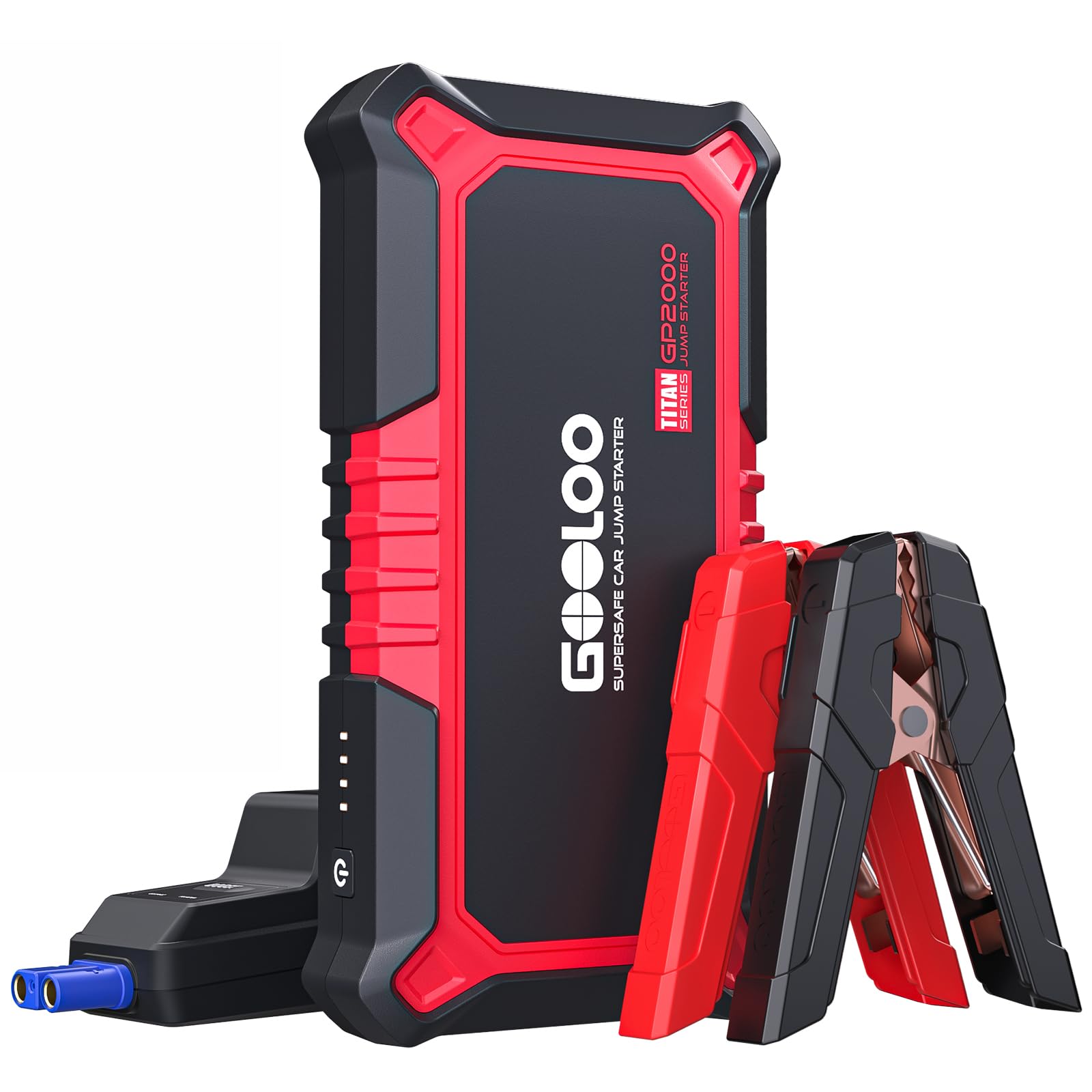
Trucks/SUVs or emergencies needing extra power.
GOOLOO GP2000 2000A Peak (ASIN: B07ZCFXPGQ) Affordable high-capacity with USB ports for phone charging too.
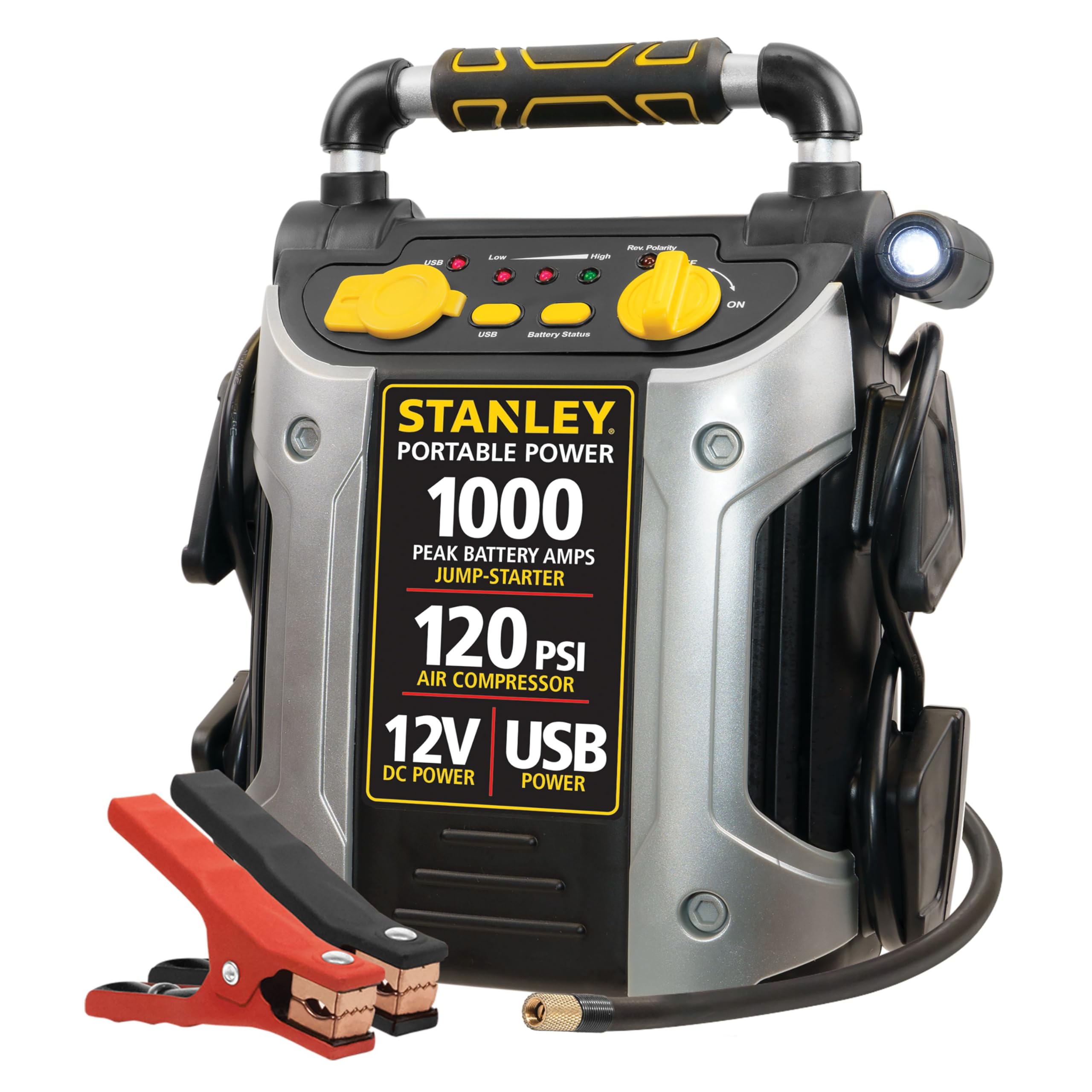
Road trips needing multi-tools.
Stanley J5C09 1000A (ASIN: B00CD1BCX2) Air compressor included for tires; reliable brand.
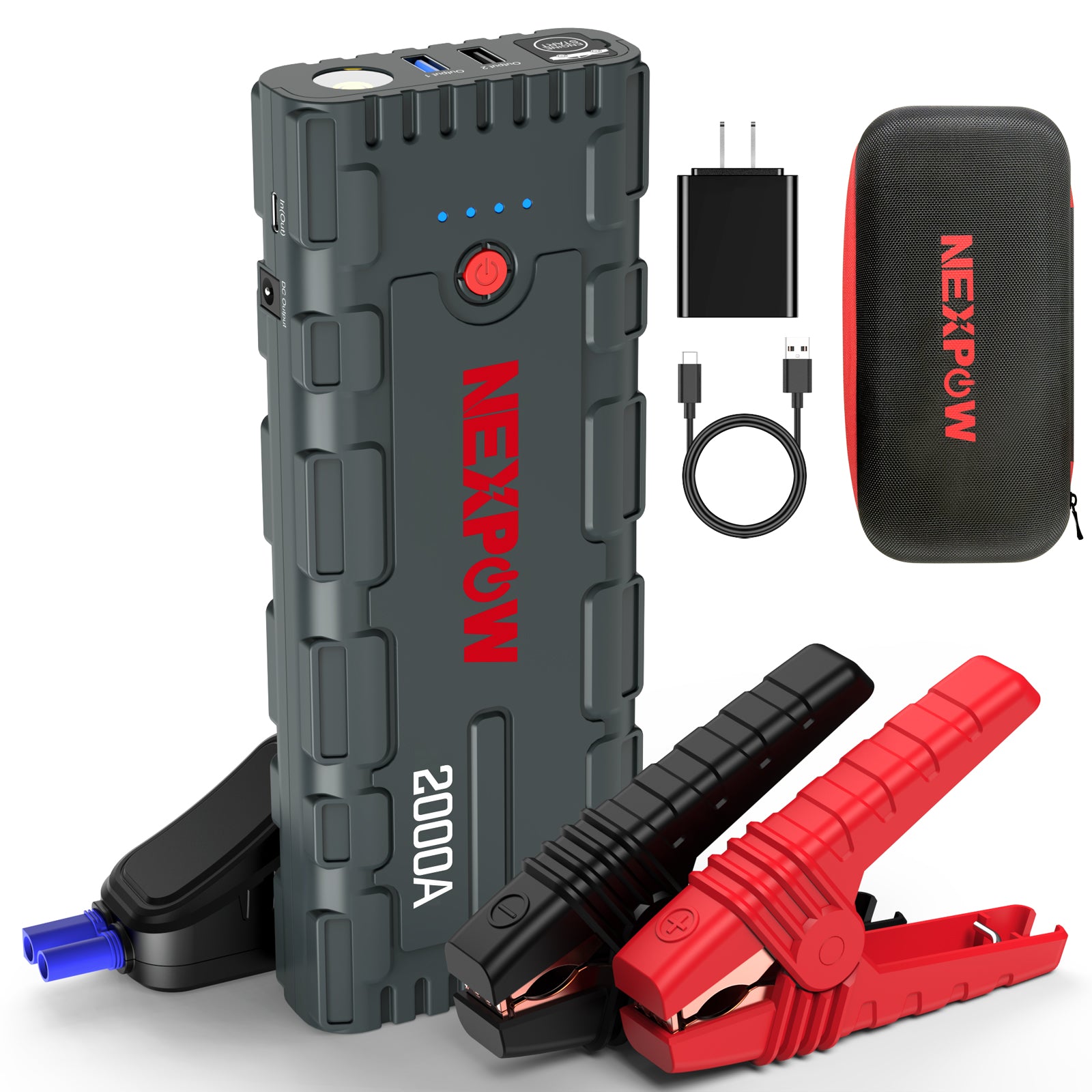
Beginners or occasional use.
Nexpow G17 2000A (ASIN: B08L3QQQ4P) Budget-friendly with water-resistant case.