
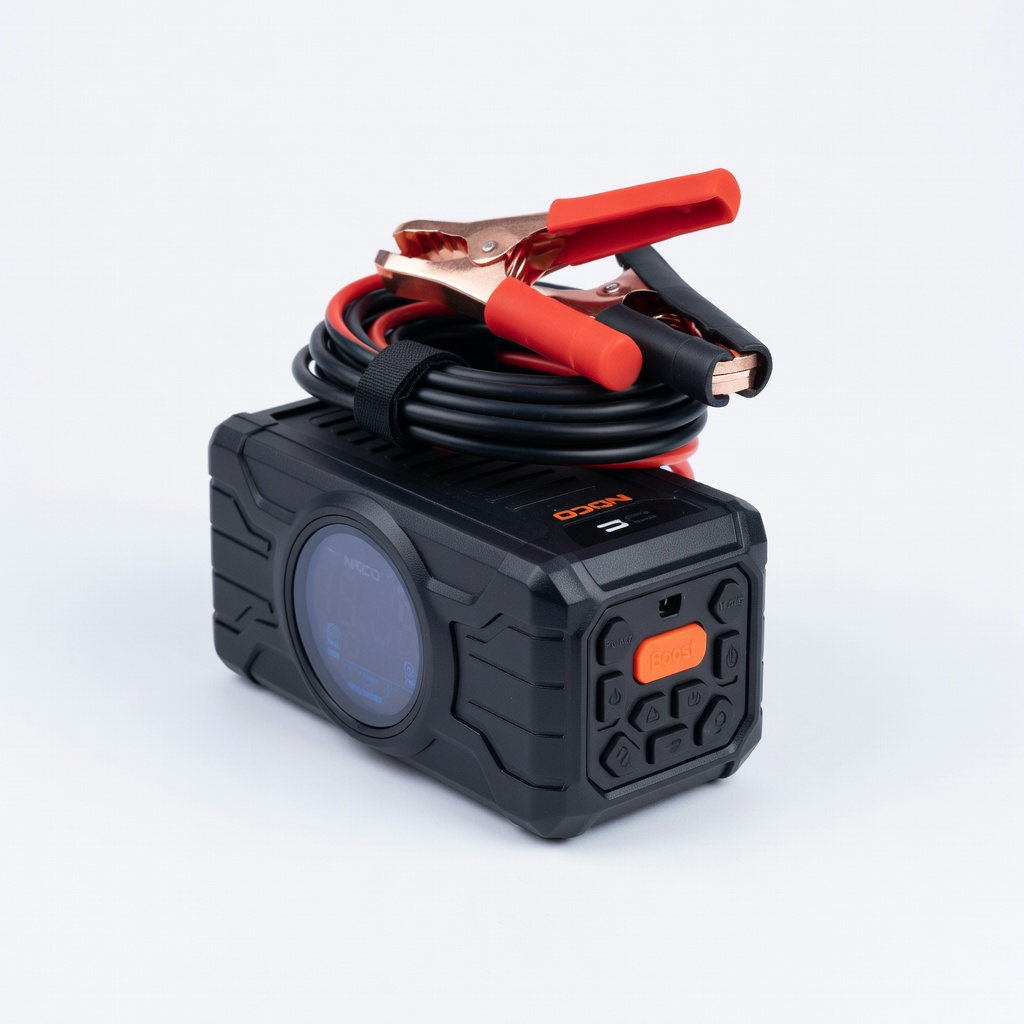
NOCO Boost Plus GB40 1000A 12V Jump Starter
Solo jumps or no helper available; gas/diesel up to 6L.
$124.95
NOCO Boost Plus GB40 1000A 12V Jump Starter Portable alternative to donor car—safer, no cables needed, works on most vehicles.
Get the App
Better experience on mobile
Revive your dead car battery safely in 15 minutes with simple steps—no tow truck needed.
Imagine turning the key and hearing nothing but silence—your car's 12V battery is dead, leaving you stranded. This happens to millions annually from leaving lights on or cold weather. Don't panic: jump-starting is a quick DIY fix using jumper cables and another vehicle.
In this beginner guide, you'll learn safe, step-by-step instructions to jump-start your 12V battery like a pro. We'll cover everything from safety checks to disconnection, using standard jumper cables. The process takes 15-20 minutes and requires no special tools beyond basics.
Expect clear visuals (described for images), tips to avoid shocks or fires, and troubleshooting. By the end, your car will roar back to life, and you'll be confident handling future dead batteries.
Estimated Time: 15-20 minutes Difficulty: beginner
Park both vehicles close but not touching—within cable reach (2-3 feet apart). Turn off engines, lights, and accessories on both cars. Engage parking brakes.
Inspect batteries for damage, leaks, or cracks. Never jump-start a damaged battery—it could explode. Ensure no smoking or open flames nearby, as batteries emit hydrogen gas.
What success looks like: Vehicles secure, hoods up, batteries visible and intact.
💡 Tips:
⚠️ Warnings:
Locate positive (+) and negative (-) terminals on both batteries. Positive is larger/red-covered; negative is black/grounded.
Clean any corrosion with baking soda/water mix if needed (optional pre-step). Why? Ensures solid connection for power transfer.
Success: Terminals clearly marked and accessible.
💡 Tips:
⚠️ Warnings:
Clamp red (+) cable to dead battery's positive terminal. Secure tightly.
Attach other end of red cable to donor battery's positive terminal. Why first? Reduces spark risk at dead battery.
Success: Both reds connected, no loose clamps.
💡 Tips:
Clamp black (-) cable to donor battery's negative terminal.
Attach other black clamp to an unpainted metal ground on dead car's engine block (away from battery/fuel lines). Why ground? Prevents sparks near battery gas.
Success: Blacks connected—donor to donor neg, other to engine ground.
⚠️ Warnings:
Start donor car's engine and rev to 2000 RPM for 30 seconds, then idle 2-5 minutes. This charges the dead battery.
Look for lights/dashboard activity on dead car.
Success: Dead car's accessories power up faintly.
💡 Tips:
Try starting the dead car (don't crank >10 seconds). If it struggles, wait 1-2 min and retry.
Success: Engine starts and idles steadily.
💡 Tips:
Turn off donor engine. Remove black clamp from dead car ground first, then donor neg. Next, reds from donor then dead pos.
Why reverse? Minimizes sparks.
Success: Cables off, both cars run independently.
⚠️ Warnings:
Problem: Dead car won't start after jumps
Solution: Check alternator/starter issues or bad battery. Drive donor longer or use portable charger. Test at shop.
Problem: Sparks or smoking during connect
Solution: Disconnect immediately, check polarity. Retry with engines off.
Problem: Battery clicks but no crank
Solution: Insufficient charge—let idle 10 min more or tap starter solenoid gently.
Problem: Jump works but dies soon
Solution: Alternator faulty or parasitic drain. Get professional diag.
Portable alternative to donor car—safer, no cables needed, works on most vehicles.
Best for: Solo jumps or no helper available; gas/diesel up to 6L.
Price Range: $124.95
Heavy-duty for reliable power transfer, long reach, clear clamps.
Best for: Standard car-to-car jumps; thick gauge for quick starts.
Price Range: $35.99
Verify battery voltage before/after—prevents bad jumps.
Best for: Check donor (>12.6V) and dead battery health.
Price Range: $12.99
For larger vehicles/SUVs—higher amps, built-in light.
Best for: Trucks or repeated jumps; holds charge months.
Price Range: $249.95
Post-jump maintainer—fully charges weak batteries overnight.
Best for: After jump, prevent future fails.
Price Range: $39.96
Solo jumps or no helper available; gas/diesel up to 6L.
NOCO Boost Plus GB40 1000A 12V Jump Starter Portable alternative to donor car—safer, no cables needed, works on most vehicles.
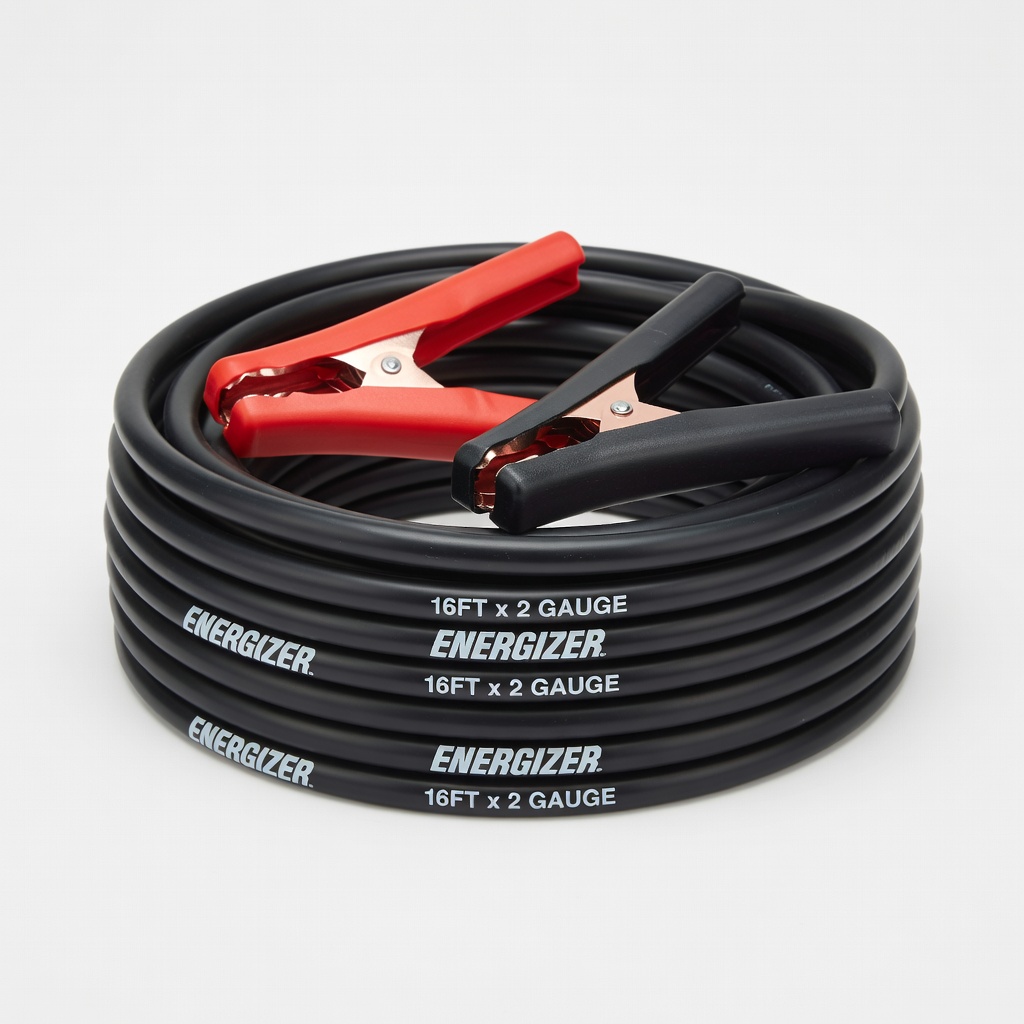
Standard car-to-car jumps; thick gauge for quick starts.
ENERGIZER 16FT x 2 Gauge Jumper Cables Heavy-duty for reliable power transfer, long reach, clear clamps.
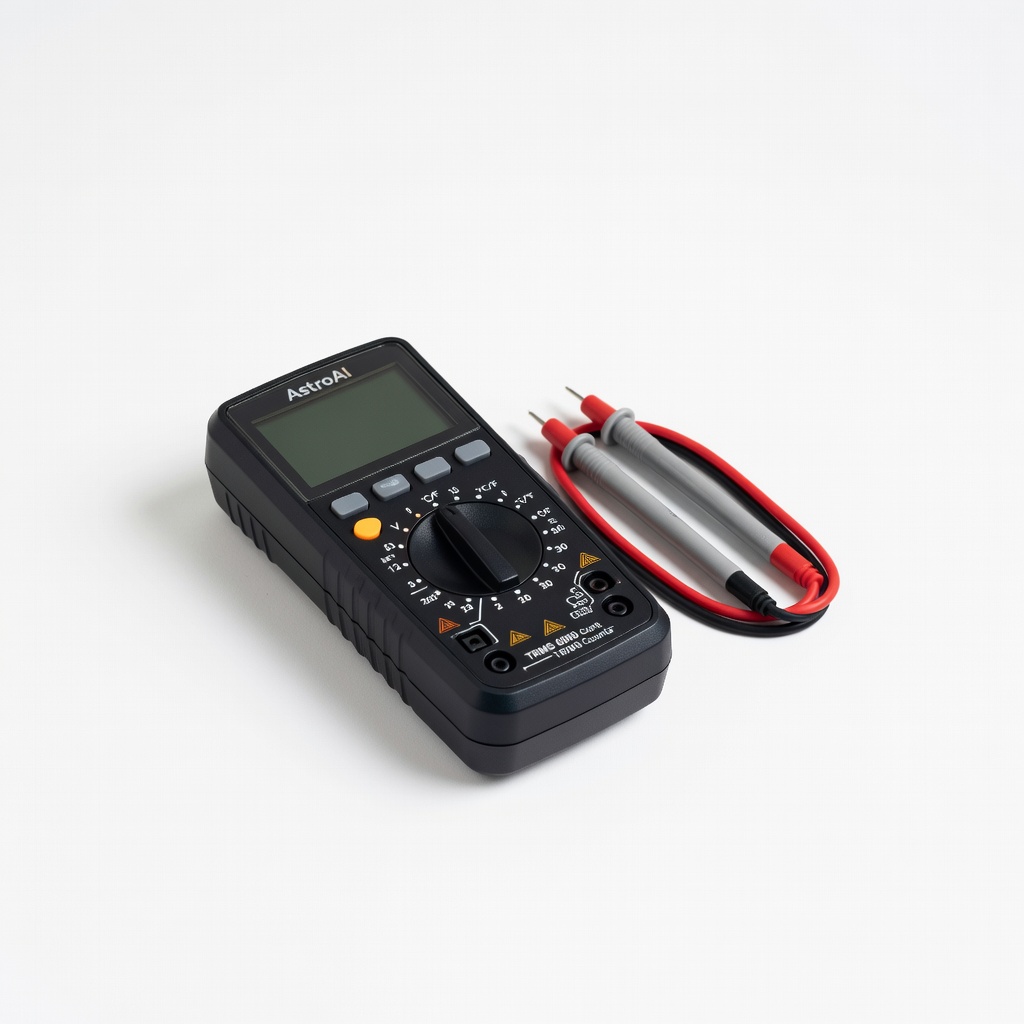
Check donor (>12.6V) and dead battery health.
AstroAI Digital Multimeter TRMS 6000 Counts Verify battery voltage before/after—prevents bad jumps.
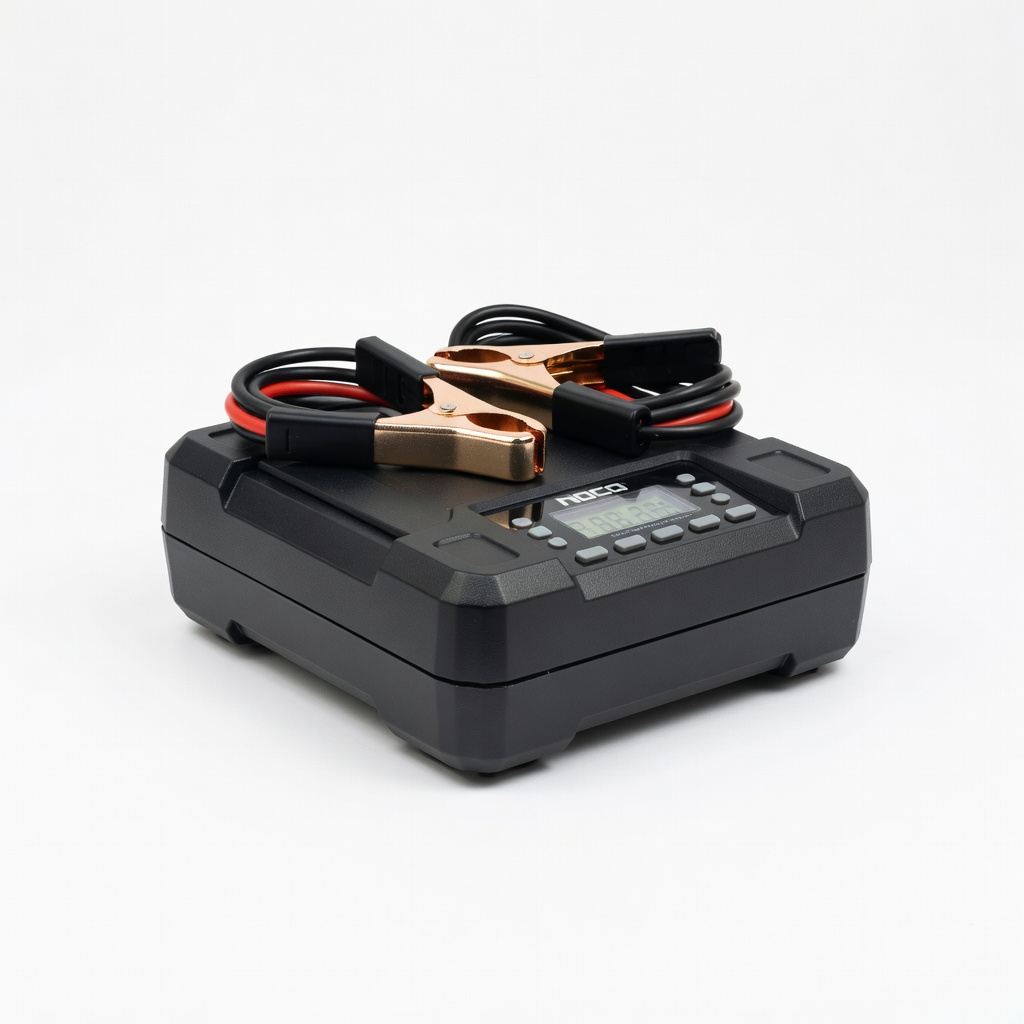
Trucks or repeated jumps; holds charge months.
NOCO Boost HD GB70 2000A Jump Starter For larger vehicles/SUVs—higher amps, built-in light.
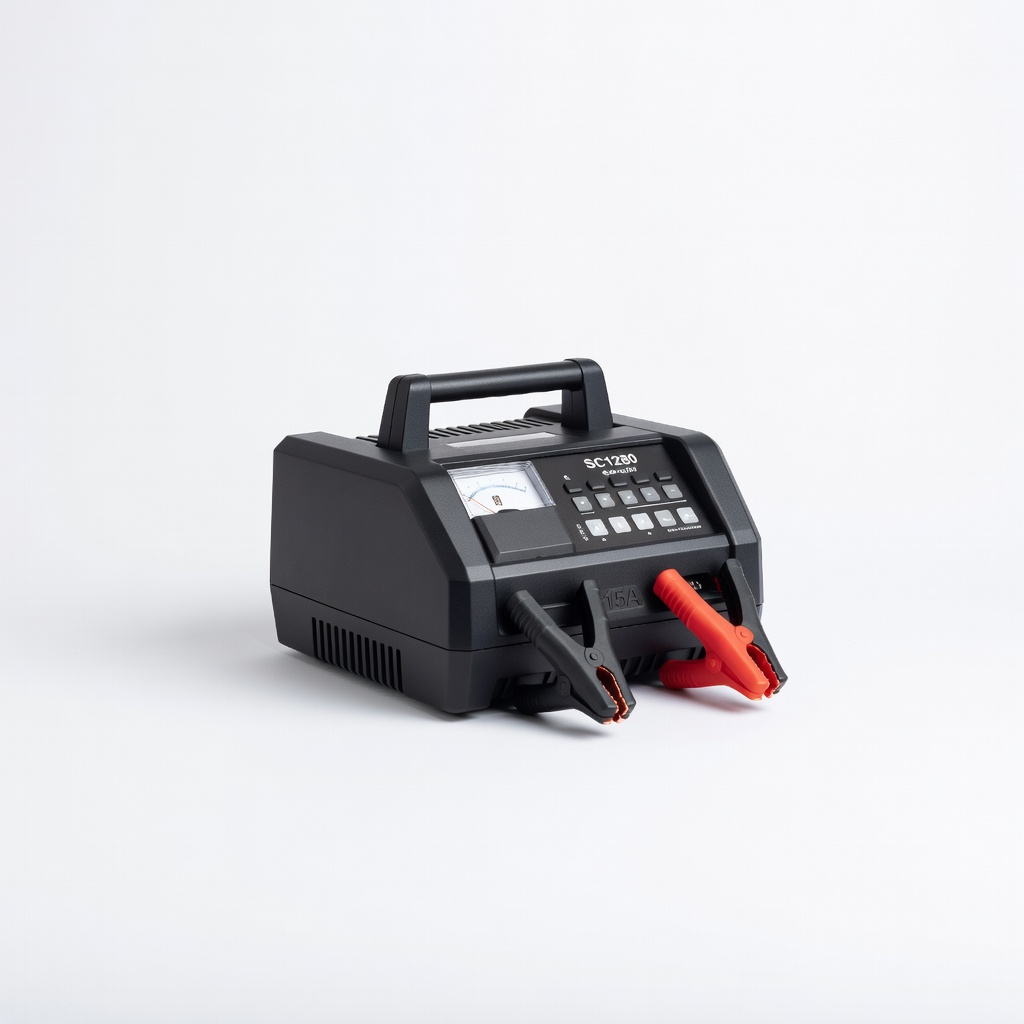
After jump, prevent future fails.
Schumacher SC1280 15A Battery Charger Post-jump maintainer—fully charges weak batteries overnight.