Finding yourself with a dead car battery is frustrating, but it's a common problem that can happen to anyone. Whether you left your lights on, the battery is old, or extreme temperatures zapped its charge, knowing how to jump start your car safely is an essential skill for every driver. This guide will walk you through the step-by-step process using jumper cables and another vehicle, or a portable jump starter. You'll learn the correct order of connections, safety precautions to avoid sparks or damage, and what to do after the car starts. With just a few minutes and the right tools, you'll be back on the road.
▸What You'll Need
- •A set of quality jumper cables (at least 4 gauge, 20 feet long)
- •A second vehicle with a fully charged 12V battery, or a portable jump starter power pack
- •Safety glasses (optional but recommended)
- •Gloves (optional, protect against acid and corrosion)
- •Owner's manual for your vehicle (to locate battery and jump start terminals)
- •Wire brush or terminal cleaner (if terminals are corroded)
Estimated Time: 10-20 minutes
Difficulty: beginner
▸Step-by-Step Instructions
Step 1: Prepare Both Vehicles Safely
Park the working vehicle (or position your portable jump starter) close to the dead car so that the batteries are within reach of your jumper cables, but the vehicles must not touch each other. Turn off both vehicles' ignitions, remove the keys, and engage the parking brakes. Turn off all electrical accessories (lights, radio, AC) in both cars to prevent power surges. If working in the dark, use a flashlight. For safety, wear safety glasses and gloves if you have them, especially if the battery appears dirty or corroded.
💡 Tips:
- •If the battery has cracks or leaking acid, do not attempt a jump start; call a professional.
- •Check your owner's manual for the battery location and any specific jump start terminals (some cars have remote posts under the hood).
⚠️ Warnings:
- •Never attempt to jump start a frozen battery; it can explode. Let it thaw first.
- •Keep sparks, flames, and cigarettes away from the battery area.
Step 2: Identify Positive and Negative Terminals
Locate the battery terminals on both vehicles. The positive terminal is usually marked with a red cap or a '+' sign and is larger. The negative terminal is marked with a black cap or a '-' sign and is smaller. If the terminals are dirty or corroded, use a wire brush to clean them gently. This ensures a good electrical connection. For cars with remote jump start terminals, follow the manufacturer's instructions.
💡 Tips:
- •If you can't find the terminals, check the owner's manual.
⚠️ Warnings:
- •Do not touch the terminals together or allow the cable clamps to touch each other once connected.
Step 3: Connect Red (Positive) Jumper Cable to Dead Battery
Take the red (positive) jumper cable clamp and attach it to the positive terminal of the dead battery. Make sure the clamp grips tightly onto the metal terminal post (or the connector). You can wiggle it slightly to ensure a good connection. If the terminal is not accessible, use the designated positive jump start point mentioned in your manual.
💡 Tips:
- •Some batteries have side terminals; use the appropriate clamp if needed.
⚠️ Warnings:
- •Never let the red clamp touch any metal part of the car other than the positive terminal.
Step 4: Connect Red (Positive) Cable to Working Battery
Attach the other red clamp to the positive terminal of the working battery (in the donor vehicle). Again, ensure a solid connection. If using a portable jump starter, connect the red clamp to its positive output.
Step 5: Connect Black (Negative) Cable to Working Battery
Take the black (negative) jumper cable clamp and attach it to the negative terminal of the working battery (or the portable jump starter's negative output). Double-check that all previous connections are secure.
⚠️ Warnings:
- •Make sure the black clamp does not touch the red clamps or any metal part of the dead car yet.
Step 6: Connect Black (Negative) Cable to Ground on Dead Car
This is a critical safety step. Instead of connecting the final black clamp directly to the dead battery's negative terminal, find an unpainted metal surface on the dead car away from the battery—such as a bolt, engine block, or chassis bracket. Connect the black clamp to that ground point. This reduces the risk of sparks near the battery, which could ignite hydrogen gas. If no good ground is available, you can connect to the negative terminal, but do so carefully.
💡 Tips:
- •Choose a location at least 12-18 inches away from the battery.
- •Make sure the clamp makes good metal-to-metal contact.
⚠️ Warnings:
- •Never connect the final black clamp to the dead battery's negative terminal if you can avoid it. Sparks near a battery can cause explosion.
Step 7: Start the Working Vehicle (or Turn On Jump Starter)
If using a donor vehicle, start its engine and let it idle for a few minutes. This charges the dead battery slightly. If using a portable jump starter, turn it on according to the manufacturer's instructions. Some jump starters have a 'boost' or 'start' button. Let the dead battery charge for 2-5 minutes before attempting to start the dead car.
💡 Tips:
- •Revving the donor engine moderately (around 1500-2000 RPM) can help provide more charge.
⚠️ Warnings:
- •Do not rev the donor engine excessively; it's not necessary.
Step 8: Start the Dead Vehicle
After a few minutes of charging, attempt to start the dead car. Turn the ignition key to start. The engine may crank slowly at first, then start. If it doesn't start, wait another 2-3 minutes and try again. Do not crank for more than 5-10 seconds at a time to avoid damaging the starter.
💡 Tips:
- •If the car still won't start, double-check all connections; clean terminals if needed.
⚠️ Warnings:
- •If the car makes a clicking sound but doesn't turn over, the battery may be too dead or the connections are poor. Recheck and wait longer.
Step 9: Disconnect Cables in Reverse Order
Once the dead car is running, carefully remove the cables in the exact reverse order to avoid sparks. First, remove the black (negative) clamp from the ground point on the formerly dead car. Then remove the black clamp from the working battery. Next, remove the red (positive) clamp from the working battery. Finally, remove the red clamp from the formerly dead battery. Be careful not to let any clamps touch each other or metal surfaces during removal.
💡 Tips:
- •Keep the dead car's engine running for at least 15-30 minutes to allow the alternator to recharge the battery.
⚠️ Warnings:
- •Do not turn off the engine too soon or the battery may die again.
Step 10: Let the Car Run to Recharge the Battery
Now that the car is running, it's important to let the alternator recharge the battery. Drive the car for at least 20-30 minutes, preferably on the highway, or let it idle for 30 minutes if possible. Avoid turning off the engine too soon. If the battery dies again shortly after, it may need replacement or there is an underlying issue like a faulty alternator.
💡 Tips:
- •Turn off unnecessary electrical loads (headlights, radio, AC) during the recharge period to reduce strain on the alternator.
⚠️ Warnings:
- •If the battery fails to hold a charge after driving, have it tested at an auto parts store.
▸Pro Tips
- •Always keep a set of quality jumper cables in your trunk. Look for 4-gauge wires at least 20 feet long for flexibility.
- •Portable jump starters (battery packs) are safer and more convenient than relying on another car—they often include USB ports for charging devices.
- •If your battery terminals are heavily corroded, sprinkle baking soda and water to neutralize acid before cleaning.
- •In extreme cold, let the donor car run for 10 minutes before attempting to start the dead car.
- •If you accidentally connect the cables in the wrong order, you may blow a fuse or damage electronics. Double-check polarity.
- •Some modern cars have a dedicated jump start post under the hood—check your manual to avoid damaging sensors.
- •After a jump start, if your battery is more than 3-5 years old, consider replacing it preventively.
▸Common Mistakes to Avoid
- •Connecting the negative clamp to the dead battery's negative terminal instead of a ground point, risking explosion.
- •Cranking the dead car repeatedly for too long (over 10 seconds) can overheat the starter motor.
- •Leaving the working car running with cables connected for only a minute—needs longer to charge.
- •Using damaged or undersized jumper cables (e.g., 8-gauge), which can overheat and melt.
- •Touching the red and black clamps together while connected to a battery, causing sparks and short circuits.
▸Troubleshooting
Problem: The dead car still won't start after several attempts.
Solution: Check that all connections are tight and clean. If the battery is very old or completely dead, it may not accept a charge—try letting the donor car run for 10 minutes while connected, or use a higher-amperage jump starter. If still no luck, the battery may be sulfated or dead and needs replacement.
Problem: There are sparks when connecting the final cable.
Solution: Some sparks are normal when completing the circuit, especially if there's a parasitic draw or the battery is deeply discharged. Ensure the final connection is made at a ground point away from the battery. If sparks are excessive, recheck for any accidental contact between clamps.
Problem: The donor car's engine stalls when starting the dead car.
Solution: This can happen if the donor car's alternator cannot handle the load. Try revving the donor engine to 1500-2000 RPM while the other car starts. If it still stalls, the donor battery may be weak or the cables are too long/thin.
Problem: The jump starter won't turn on or shows a low battery light.
Solution: Portable jump starters need to be charged periodically. Charge the unit fully before use. If it still doesn't work, it may need replacement.
Problem: After jump starting and driving, the car won't start again the next day.
Solution: The battery likely isn't holding a charge. Get the battery and charging system tested. The alternator may be failing, or the battery is old and needs replacement.
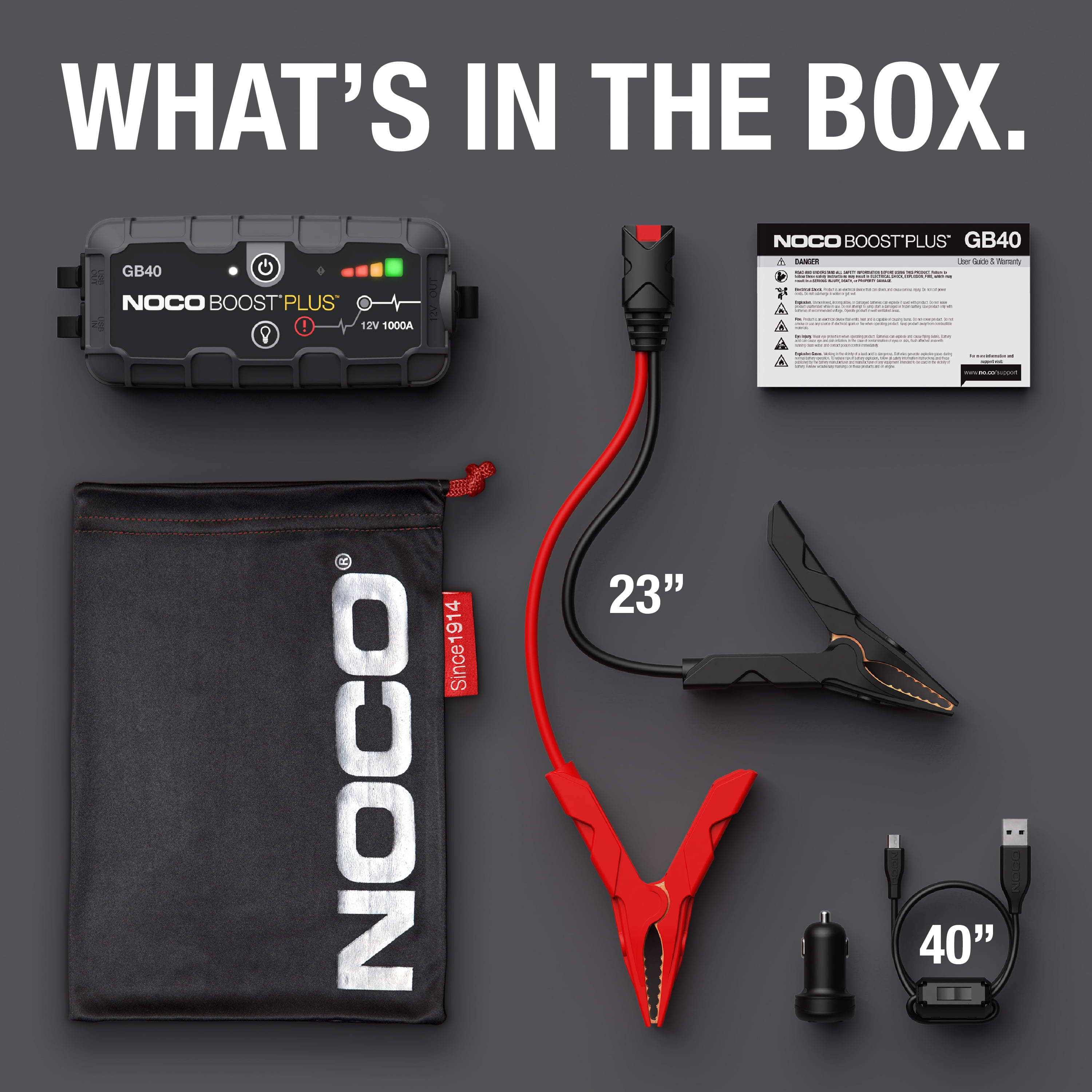
NOCO Boost Plus GB40 1000A Portable Jump Starter
Compact, powerful, and safe for most gas engines; includes spark-proof technology and USB charging.
Best for: Ideal for jump starting your car without needing another vehicle. Convenient for emergencies and roadside assistance.
Price Range: $100-$130
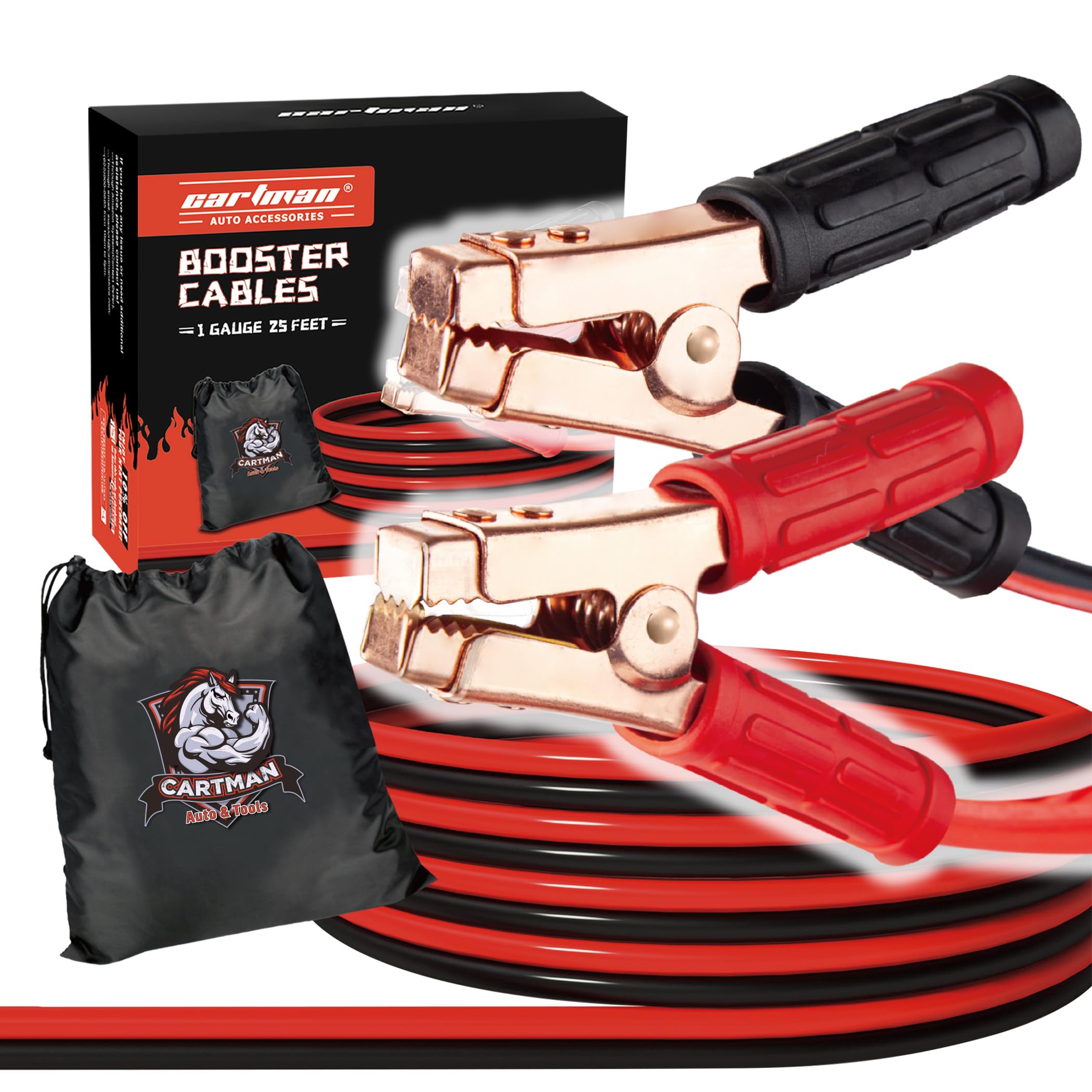
Cartman 12V Heavy Duty Jumper Cables with Storage Bag
4-gauge, 20-foot cables with heavy-duty clamps and a convenient carrying case; good value for the price.
Best for: Use for traditional jump starting between two vehicles. Suitable for most cars, trucks, and SUVs.
Price Range: $30-$50
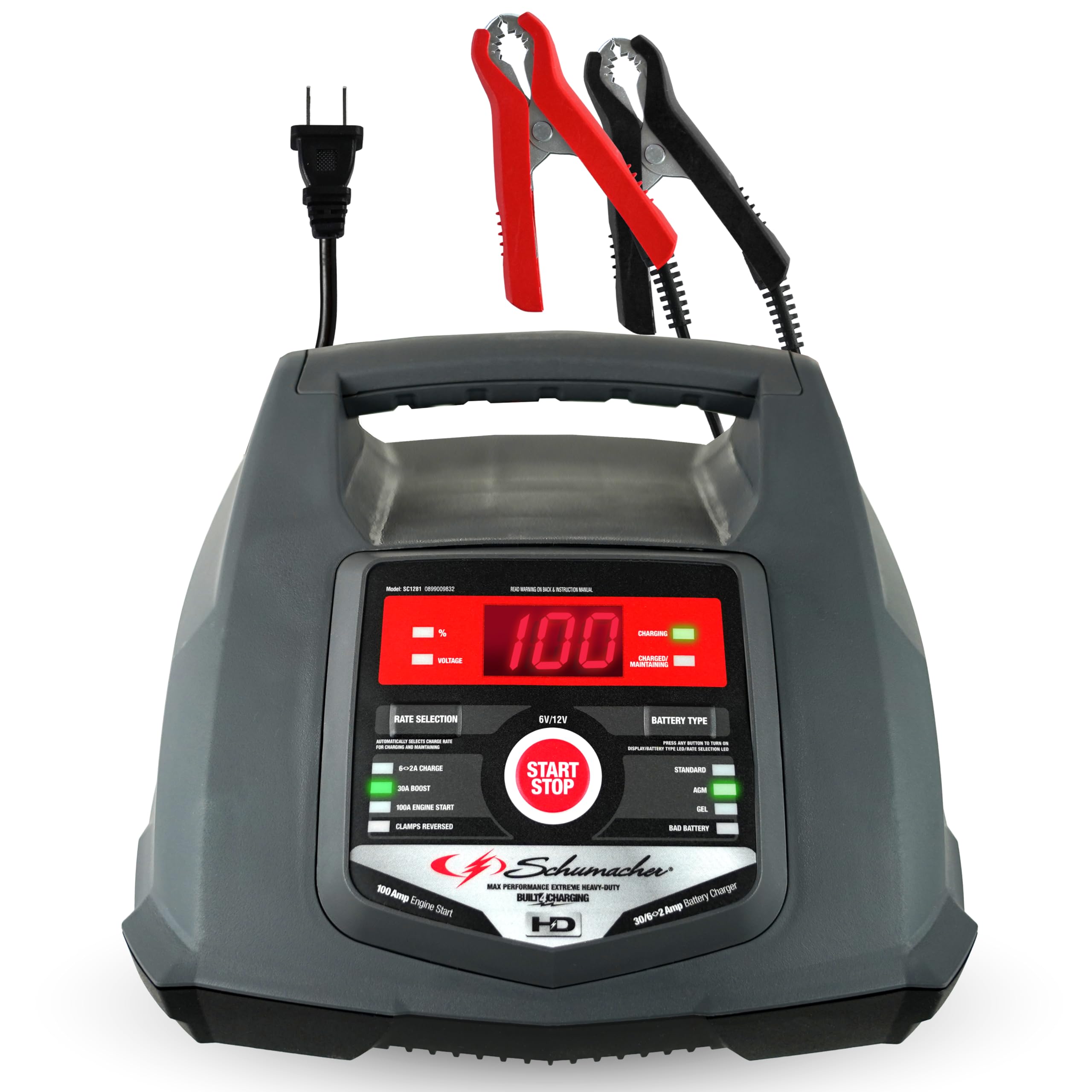
Schumacher SC1281 6/12V Battery Charger and Maintainer
Can charge a dead battery slowly and maintain it; also has a jump start mode. Great for long-term battery maintenance.
Best for: Use when you have time to charge a dead battery at home or for storing vehicles. Not for quick roadside assistance.
Price Range: $70-$90
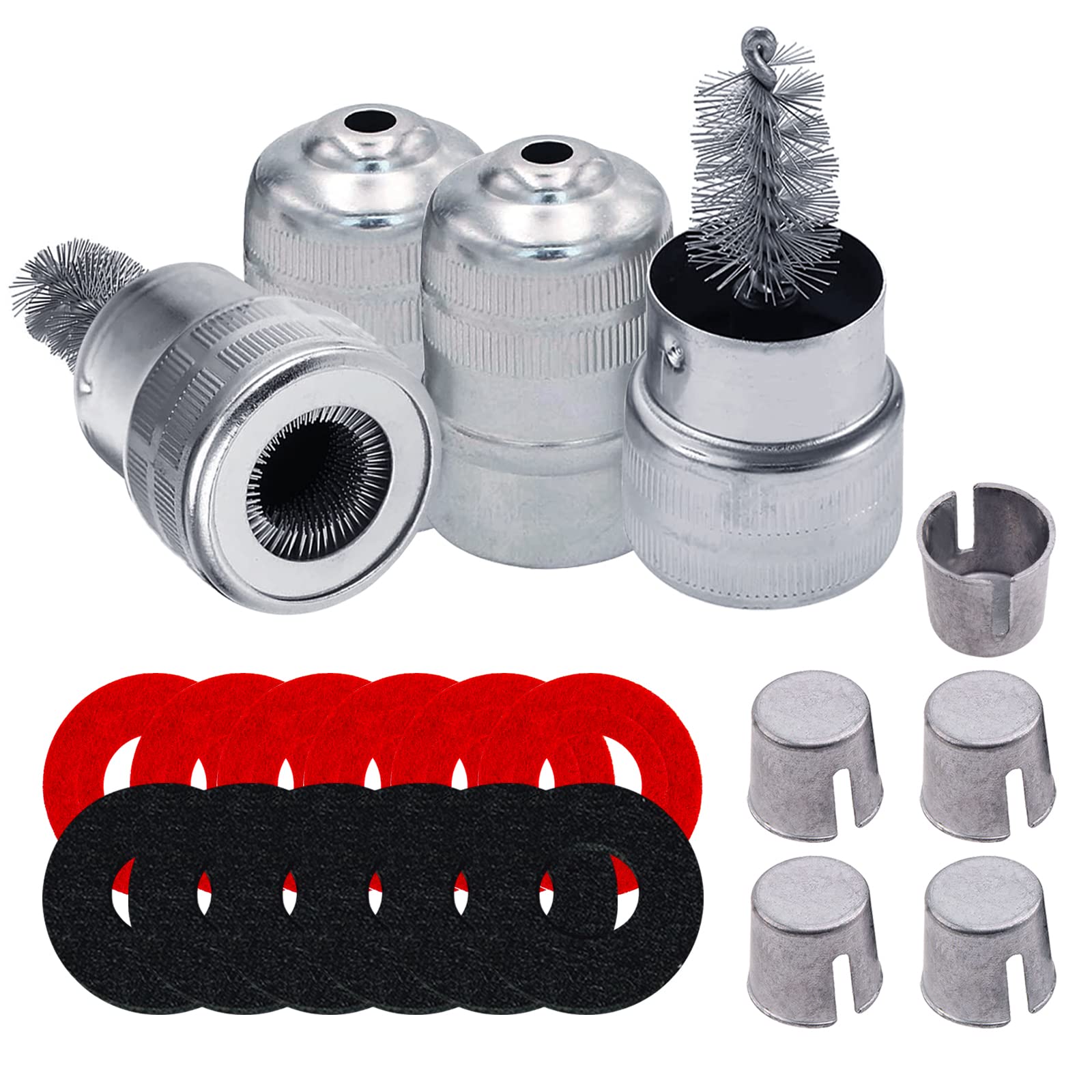
Ampper Battery Terminal Cleaning Tool
Double-ended brass wire brush for cleaning corrosion from battery terminals and posts, ensuring good conductivity.
Best for: Use before connecting jumper cables to clean dirty terminals when you notice white or blue corrosion.
Price Range: $8-$12
Thor HD Safety Glasses
Affordable, clear safety glasses to protect your eyes from battery acid or spark flashes.
Best for: Wear while jump starting or working near a battery to protect your eyes from possible acid splashes or sparks.
Price Range: $5-$10