Imagine you're late for work, turn the key, and nothing happens—a dead battery. It happens to everyone, but knowing how to jump-start your car with jumper cables can save the day without calling a tow truck. This guide is for beginners facing this common issue.
You'll learn the exact sequence to connect cables safely between a donor car and your dead one, avoiding sparks, damage, or injury. The process uses standard 12V jumper cables and takes just 10-15 minutes if done right. No special tools needed beyond basics.
Expect simple steps with safety first. Always prioritize caution around batteries—acid and hydrogen gas are hazards. By the end, your car will start reliably.
▸What You'll Need
- •Heavy-duty 12V jumper cables (4-6 gauge, 10-20 ft long, with clear red/black clamps)
- •A donor vehicle with a fully charged 12V battery (similar size to yours)
- •Safety gloves and eye protection (required)
- •Optional: Multimeter or battery tester to check voltages
- •Optional: Baking soda and water for cleaning corrosion
Estimated Time: 10-15 minutes
Difficulty: beginner
▸Step-by-Step Instructions
Step 1: Park Safely and Turn Off Both Vehicles
Position the donor car nose-to-nose or side-by-side with the dead car, close enough for cables to reach (2-3 feet apart), but not touching. Engage parking brakes on both. Turn off engines, lights, radios, and accessories. Remove keys from ignitions.
Why it matters: Prevents electrical shorts, accidental starts, or movement. Success looks like both cars stationary and silent.
This sets a safe foundation—rushing here causes most accidents.
💡 Tips:
- •Choose a flat, well-ventilated area away from traffic.
⚠️ Warnings:
- •Never let vehicles touch; risk of massive short circuit.
Step 2: Open Hoods and Locate Batteries
Pop hoods on both cars. Find positive (+) and negative (-) terminals (usually red cover on +, black on -). Clean any corrosion with baking soda/water mix if needed.
Why: Ensures solid connections. Expect batteries under hoods; some cars have them in trunks—consult manual.
Wear gloves now.
💡 Tips:
- •Mark terminals with tape if covers are missing.
⚠️ Warnings:
- •Avoid touching both terminals simultaneously.
Step 3: Connect Red Cable to Dead Battery Positive
Clamp one red (positive) cable end firmly to the dead battery's + terminal. Ensure tight grip—no loose wobble.
Why first: Positive-to-positive minimizes spark risk later. Success: Secure clamp, no sparks.
💡 Tips:
- •Wiggle clamp to ensure contact.
⚠️ Warnings:
- •Red to positive only—wrong polarity damages electronics.
Step 4: Attach Other Red to Donor Battery Positive
Connect the other red clamp to donor's + terminal.
Why: Completes positive circuit. Cables should feel secure.
💡 Tips:
- •Keep cables away from fans/belts.
Step 5: Connect Black Cable to Donor Negative
Clamp one black (negative) to donor battery's - terminal.
Why: Ground path starts here. No sparks expected yet.
Step 6: Ground Black Cable on Dead Car
Do not connect to dead battery -. Instead, attach to unpainted metal (engine block/frame).
Why: Prevents explosion from hydrogen gas. Success: Firm metal contact, away from battery/fuel.
💡 Tips:
- •Use bolt or bracket 12+ inches from battery.
⚠️ Warnings:
- •Battery - direct connect = spark risk near gas!
Step 7: Start Donor Car and Rev Lightly
Start donor engine, let idle 1-2 minutes, then rev to 2000 RPM for 30 seconds.
Why: Charges dead battery. Hood may wiggle slightly from alternator.
💡 Tips:
- •Listen for normal idle sound.
Step 8: Attempt to Start Dead Car
Try starting dead car (max 10 seconds crank). If no start, wait 2 minutes, repeat revving.
Why: Gives time to charge. Success: Engine turns over and starts.
💡 Tips:
- •Don't crank too long—overheats starter.
⚠️ Warnings:
- •If smokes/smells, stop immediately.
Step 9: Disconnect Cables in Reverse Order
Turn off both engines. Remove: 1) Dead car ground black, 2) Donor black, 3) Donor red, 4) Dead red.
Why: Reverse prevents surges. Tug gently to release.
Step 10: Drive to Recharge Battery
Drive dead car 20-30 minutes at highway speeds.
Why: Alternator fully charges. Test battery soon.
💡 Tips:
- •Get battery tested at auto parts store.
▸Pro Tips
- •Use thicker gauge cables (4-6) for faster charge in cold weather.
- •Check fluid levels in donor battery if accessible.
- •Have a portable jump starter as backup—no donor needed.
- •Label cables if colors fade.
- •Practice on a known good battery first.
- •Keep cables coiled loosely to avoid kinks.
- •In winter, warm batteries indoors if possible.
▸Common Mistakes to Avoid
- •Connecting positive last—causes dangerous sparks.
- •Black to dead battery negative—explosion risk from gas.
- •Reversing polarity—fries alternator/ECU (expensive!).
- •Not revving donor—insufficient charge, fails to start.
- •Disconnecting wrong order—voltage spikes damage electronics.
▸Troubleshooting
Problem: Dead car won't start after 3 tries
Solution: Check connections, ensure donor battery >12.4V with multimeter. Try longer charge (5 mins). Bad starter/alternator? Call mechanic.
Problem: Sparks or smoking
Solution: Disconnect immediately, check polarity. Clean terminals. Do not retry if damaged smell.
Problem: Starts but dies after disconnect
Solution: Battery faulty—drive with donor connected 10 mins more or replace battery.
Problem: No power transfer (lights dim equally)
Solution: Loose clamps or blown fuse in donor. Use heavier cables.
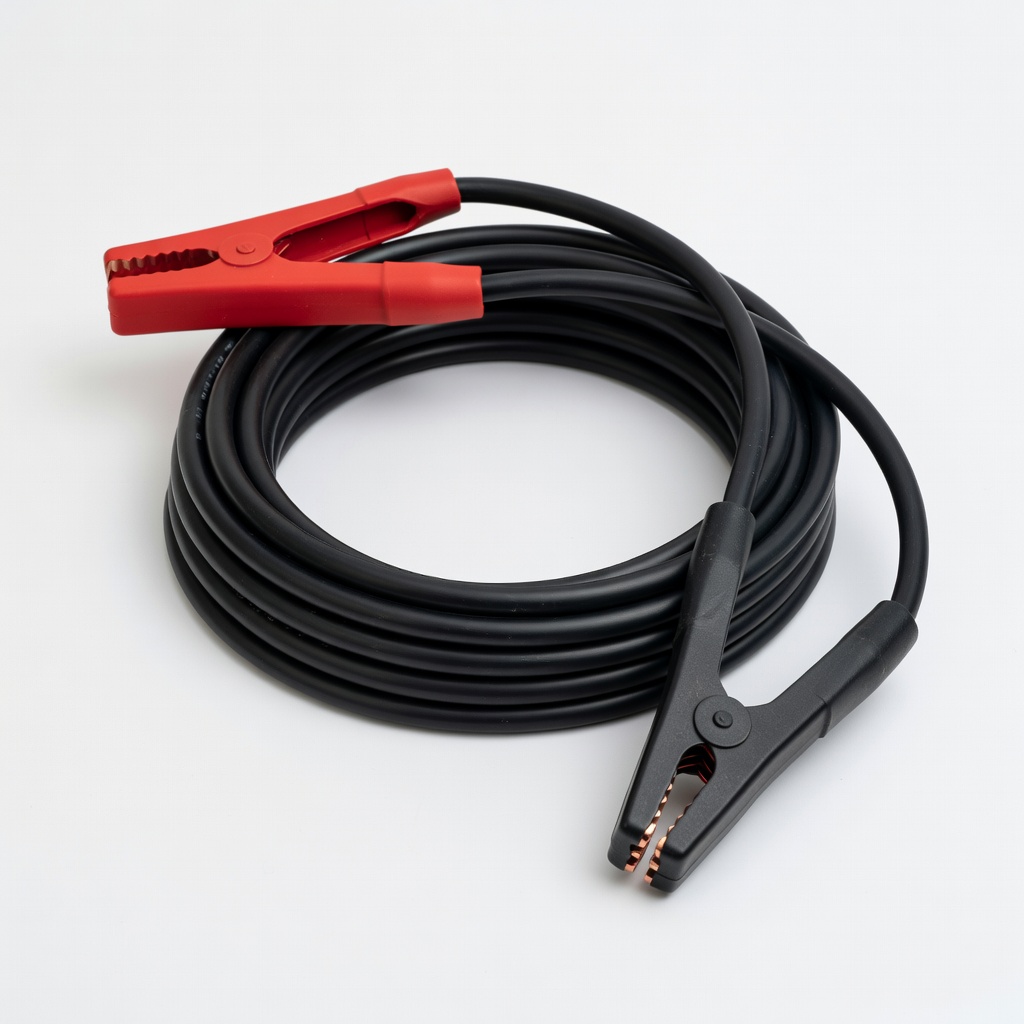
Cartman Jumper Cables 20Ft 4 Gauge 600A
Heavy-duty build with thick gauge for reliable power transfer, even in cold; includes carry bag and clear color-coding.
Best for: Ideal for beginners jumping trucks/SUVs or long cable reach.
Price Range: $29.99
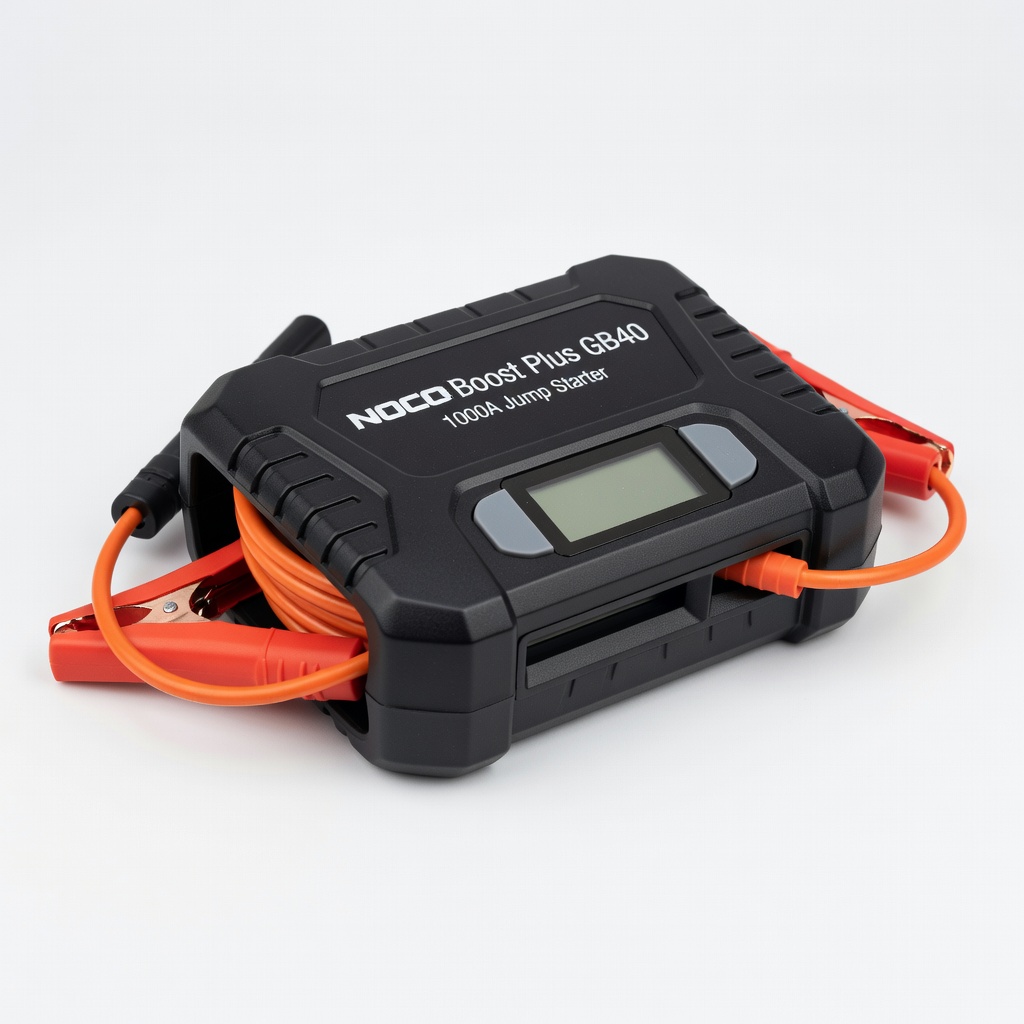
NOCO Boost Plus GB40 1000A Jump Starter
Portable lithium alternative to cables—no donor car needed; waterproof and safe for all vehicles.
Best for: Solo travel or no helper available; recharges via USB.
Price Range: $124.95
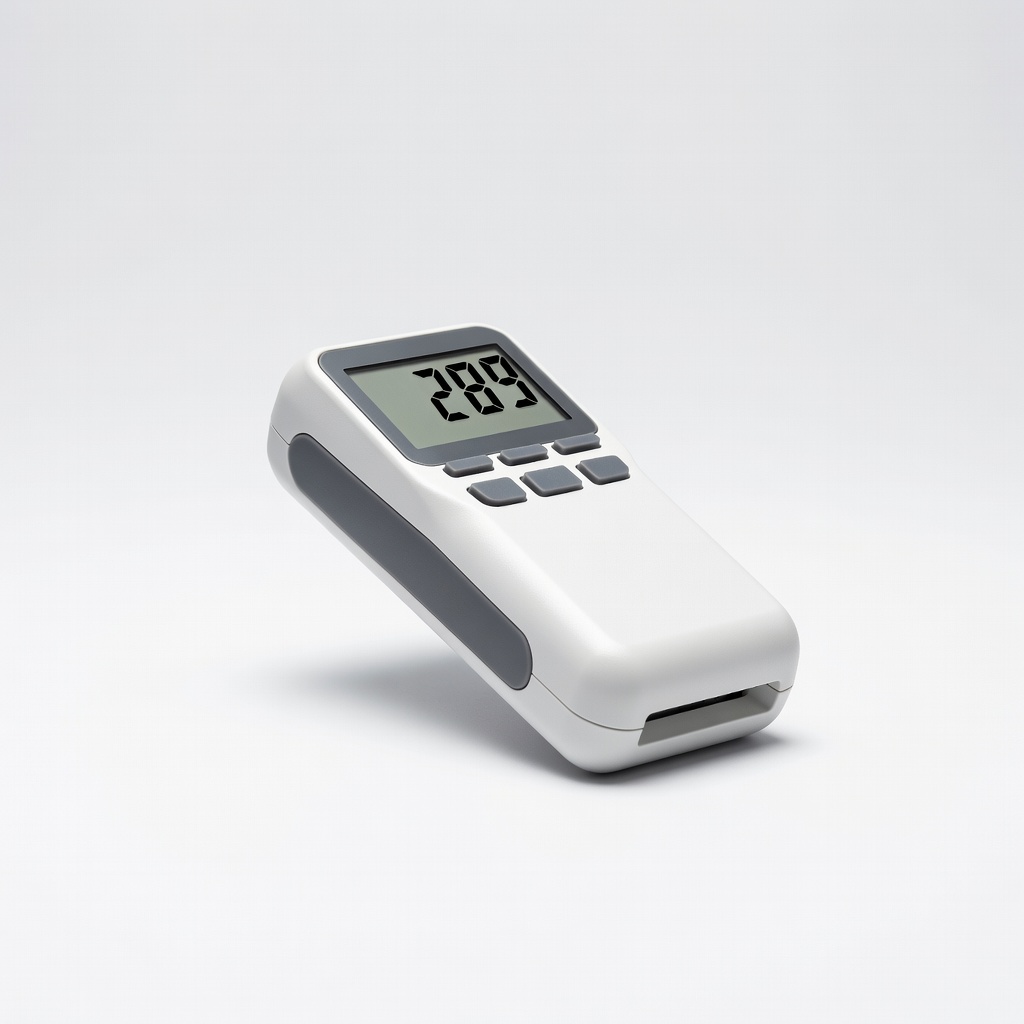
AstroAI Digital Battery Tester
Checks voltage, CCA, and health pre/post-jump; prevents repeat failures.
Best for: Verify donor battery good and diagnose dead one.
Price Range: $25.99
NoCry Safety Glasses
Anti-fog, scratch-resistant protection against acid splashes.
Best for: Essential PPE for battery work.
Price Range: $12.99