
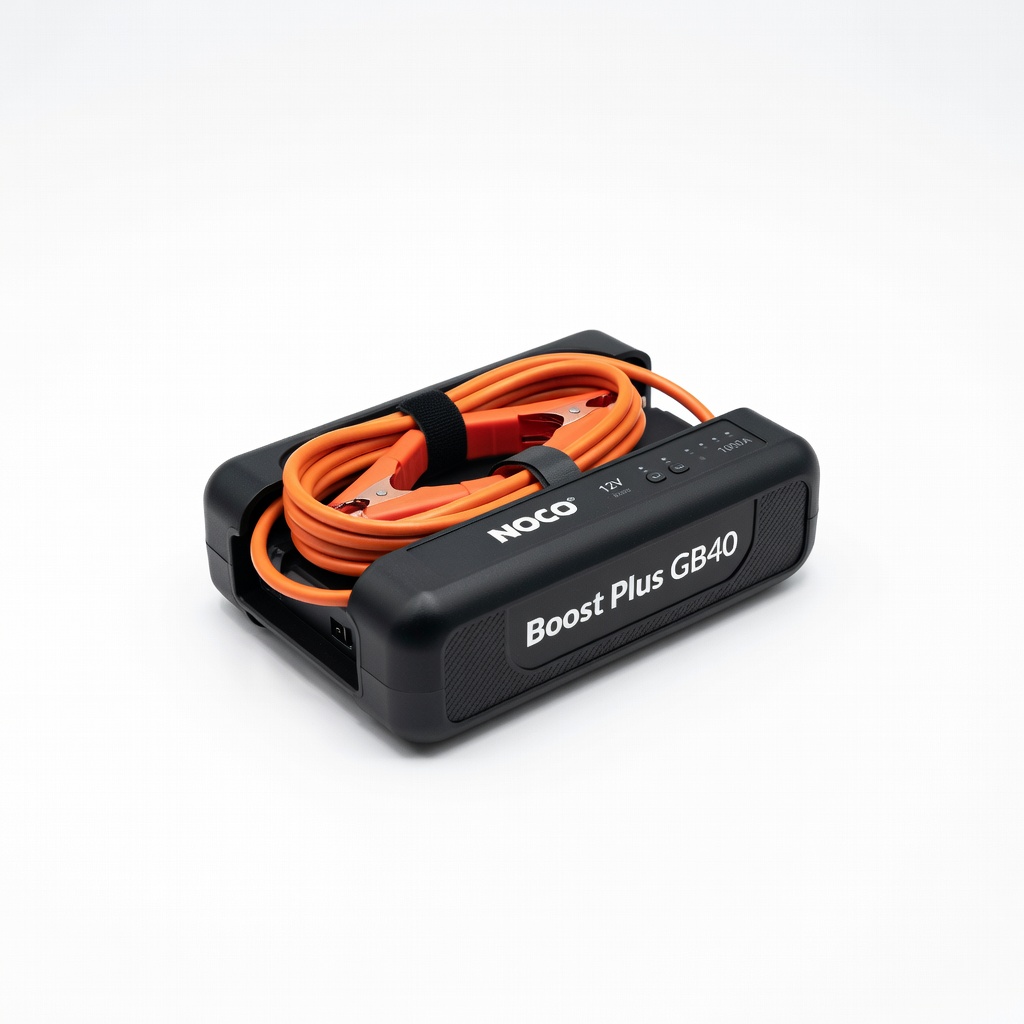
NOCO Boost Plus GB40 (ASIN: B01LLLK1SC)
Daily drivers/sedans; trunk essential for emergencies.
$120-$140
NOCO Boost Plus GB40 (ASIN: B01LLLK1SC) Compact, reliable with 1000A peaks for most cars; waterproof and long-lasting.
Get the App
Better experience on mobile
Safely revive your dead car battery using a portable 12V jump pack—no second vehicle needed—in under 15 minutes.
Nothing strands you like a dead car battery on a cold morning or after leaving your lights on. Traditional jump-starting requires another running vehicle, jumper cables, and a willing helper. But with a portable 12V battery pack (also called a jump starter), you can get back on the road solo and quickly.
In this beginner-friendly guide, you'll learn the exact step-by-step process to jump-start your car safely. We'll cover everything from safety checks to disconnection, so even if you've never done it before, you'll succeed. The whole process takes 10-15 minutes and uses simple tools you can carry in your trunk.
Expect clear instructions, pro tips, and warnings to avoid shocks or damage. By the end, your engine will roar to life, and you'll feel empowered for future breakdowns.
Estimated Time: 10-15 minutes Difficulty: beginner
Park your car in a flat, well-ventilated area away from traffic. Turn off the ignition, headlights, radio, and all accessories. Engage the parking brake.
Put on safety glasses and gloves. Ensure your 12V jump pack is fully charged (check the LED indicator—most show green when ready). Why? A low pack won't provide enough power and could fail mid-process.
Success looks like: Car off, pack green-lit, you're gloved up and ready.
💡 Tips:
⚠️ Warnings:
Open the hood and prop it securely. Use your owner's manual or a flashlight to find the battery—usually under the hood on the driver's or passenger's side.
Identify the terminals: Positive (+) is red or larger, negative (-) is black. Some cars have batteries in the trunk or under seats—check manual.
Success looks like: Battery visible, terminals clean and accessible (no heavy corrosion).
💡 Tips:
⚠️ Warnings:
Attach the red clamp from the jump pack to the car's positive (+) battery terminal. Ensure a firm connection—hear a click.
This supplies power safely first. Wiggle to confirm no looseness.
Success looks like: Red clamp securely on + terminal, no sparks.
💡 Tips:
⚠️ Warnings:
Attach the black clamp to an unpainted metal ground point away from the battery (like a bolt on the engine block or fender), NOT the negative terminal. This reduces spark risk near battery gases.
Some packs allow direct to negative—check manual.
Success looks like: Black clamp grounded securely, pack LEDs activate.
💡 Tips:
⚠️ Warnings:
Turn on the jump pack (press boost/boost button if required). Wait 10-30 seconds for capacitors to charge.
Insert key, turn to start—crank for no more than 5 seconds. If no start, wait 1 minute and retry (up to 3 times).
Success looks like: Engine turns over and starts smoothly.
💡 Tips:
⚠️ Warnings:
If started, let engine idle 5-10 minutes with accessories off. Then, disconnect black clamp first, then red. Turn off pack.
Drive 20+ minutes to recharge battery.
Success looks like: Engine running steadily, clamps removed cleanly.
💡 Tips:
⚠️ Warnings:
Plug in your jump pack to recharge fully (most take 3-5 hours). Store in trunk, keep above 50% charge.
Test monthly.
Success looks like: Pack recharging, ready for next use.
💡 Tips:
⚠️ Warnings:
Problem: Car won't start after 3 tries
Solution: Check connections, recharge pack, or test battery (may need replacement). Wait 5 mins between tries.
Problem: Sparks when connecting
Solution: Ensure car is off, clean terminals. If persistent, stop and call pro.
Problem: Pack won't turn on/boost
Solution: Fully recharge it (overnight). If fails, pack is faulty—replace.
Problem: Engine starts but dies quickly
Solution: Battery or alternator issue. Drive to auto shop for diagnostics.
Problem: Smoke or burning smell
Solution: Disconnect immediately, ventilate. Do not restart—seek professional help.
Compact, reliable with 1000A peaks for most cars; waterproof and long-lasting.
Best for: Daily drivers/sedans; trunk essential for emergencies.
Price Range: $120-$140
2000A power, built-in flashlight/air compressor; great value with fast recharge.
Best for: SUVs, trucks, or frequent travelers needing multi-tools.
Price Range: $90-$110
Affordable 1000A with USB ports and light; proven for quick jumps.
Best for: Budget beginners or occasional use.
Price Range: $70-$90
Peak 2000A, LCD screen for charge status; compact and durable.
Best for: Larger vehicles or winter conditions.
Price Range: $50-$70
Daily drivers/sedans; trunk essential for emergencies.
NOCO Boost Plus GB40 (ASIN: B01LLLK1SC) Compact, reliable with 1000A peaks for most cars; waterproof and long-lasting.
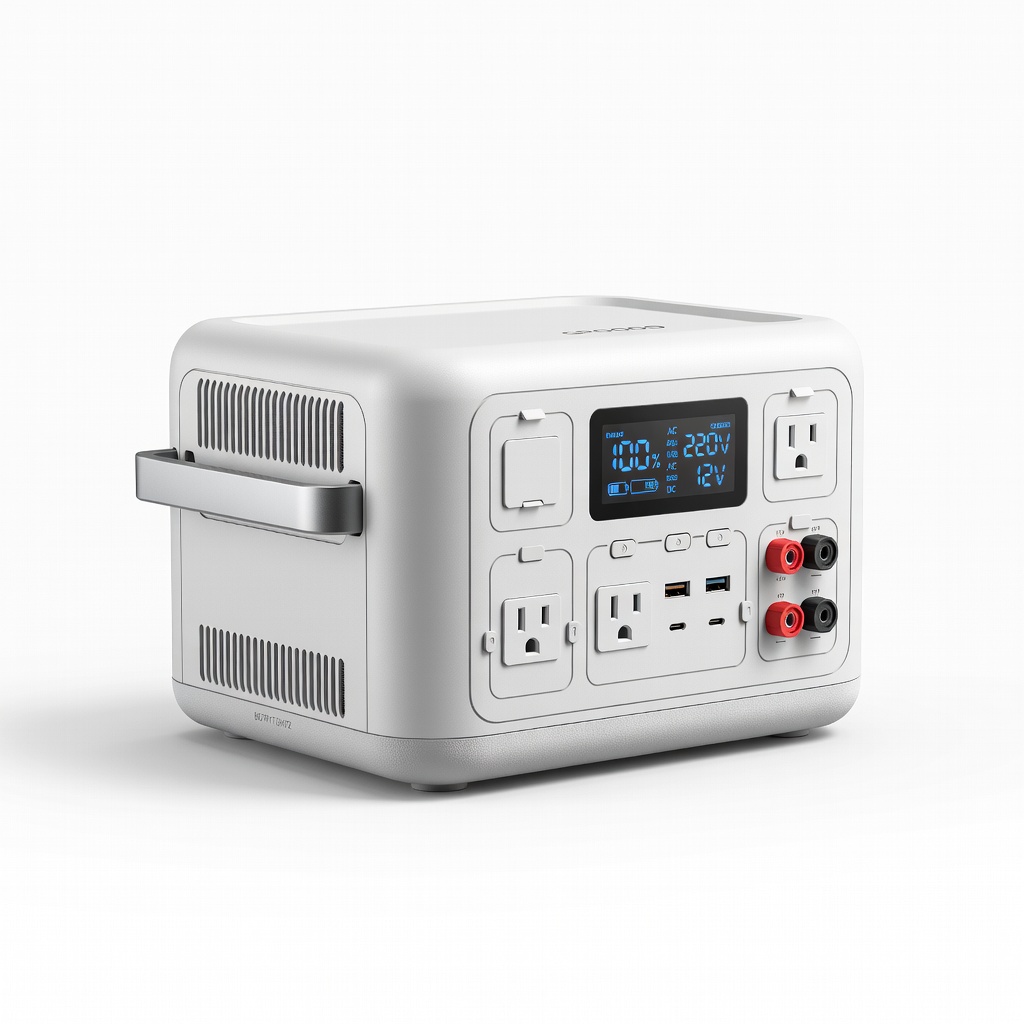
SUVs, trucks, or frequent travelers needing multi-tools.
GOOLOO GP2000 (ASIN: B07R1T3H72) 2000A power, built-in flashlight/air compressor; great value with fast recharge.
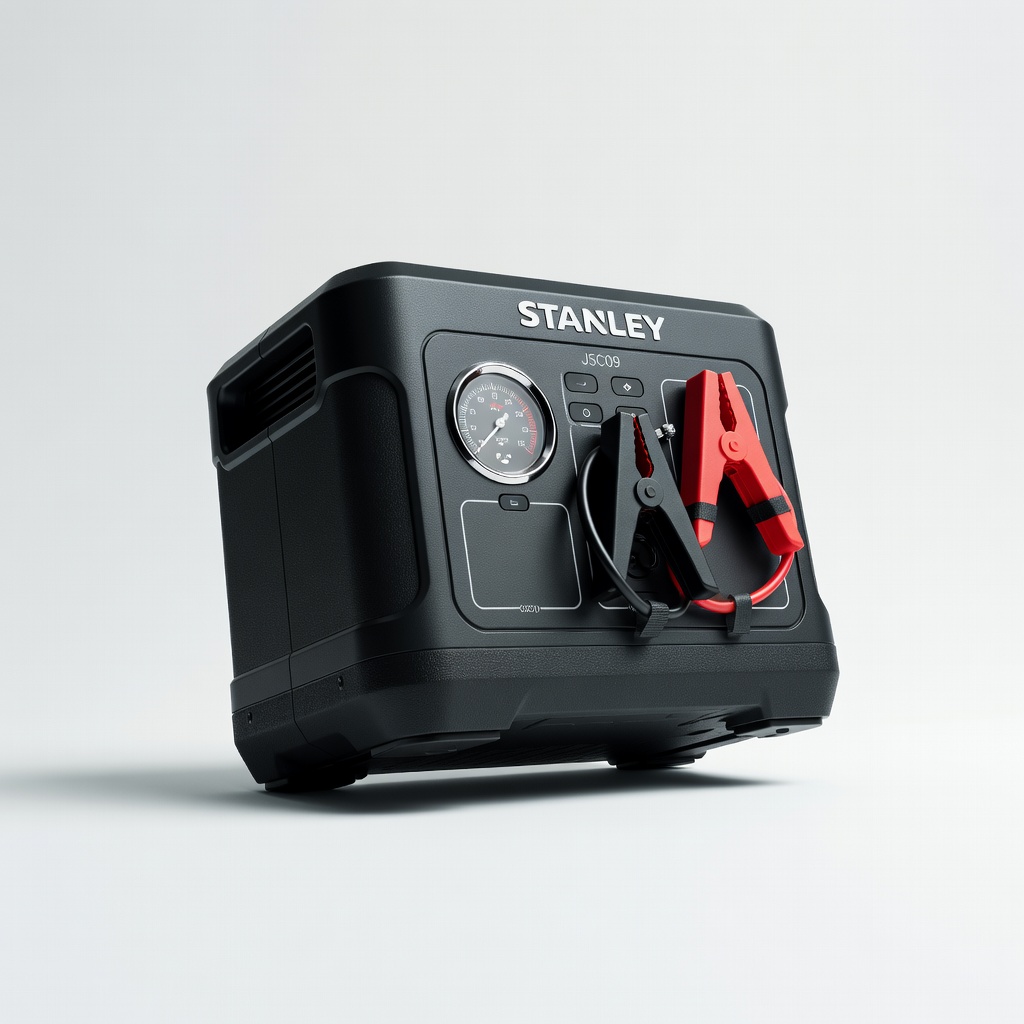
Budget beginners or occasional use.
Stanley J5C09 (ASIN: B00CD2A50W) Affordable 1000A with USB ports and light; proven for quick jumps.
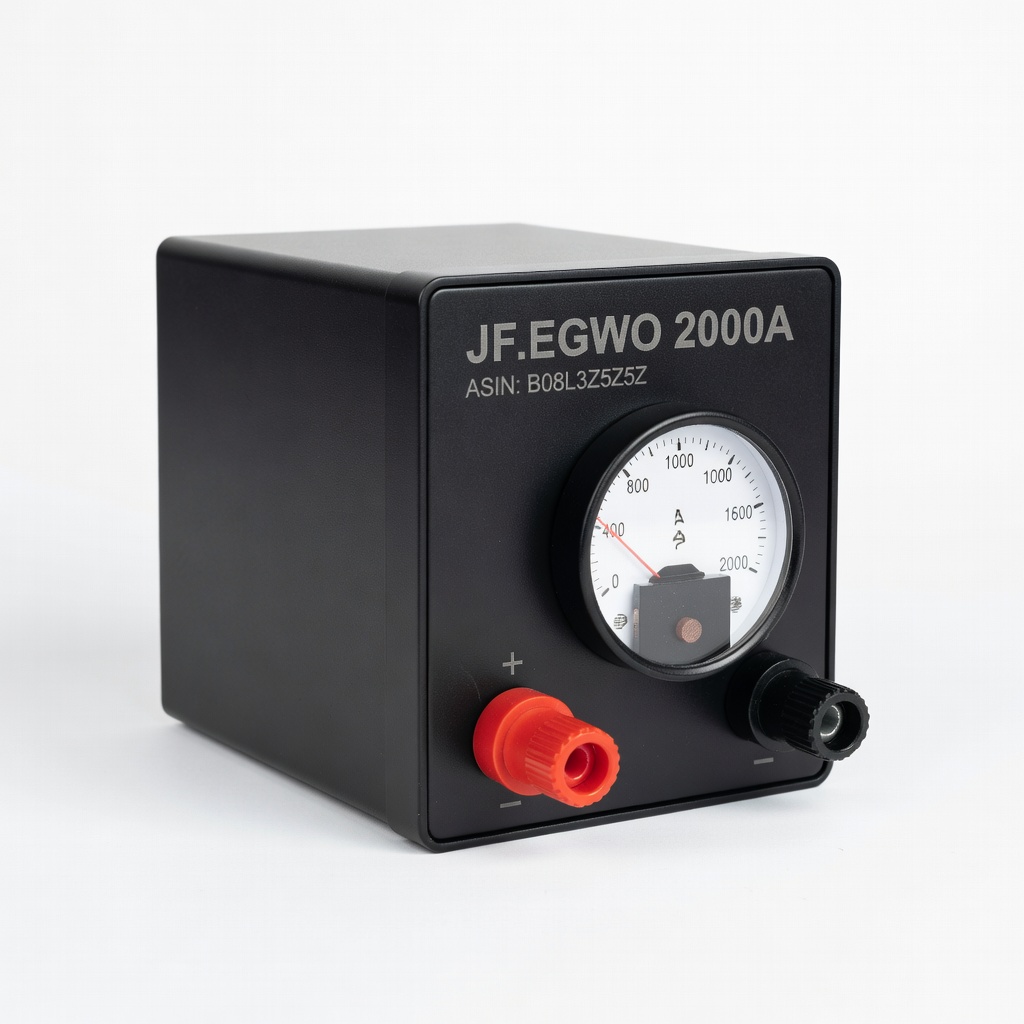
Larger vehicles or winter conditions.
JF.EGWO 2000A (ASIN: B08L3Z5Z5Z) Peak 2000A, LCD screen for charge status; compact and durable.