
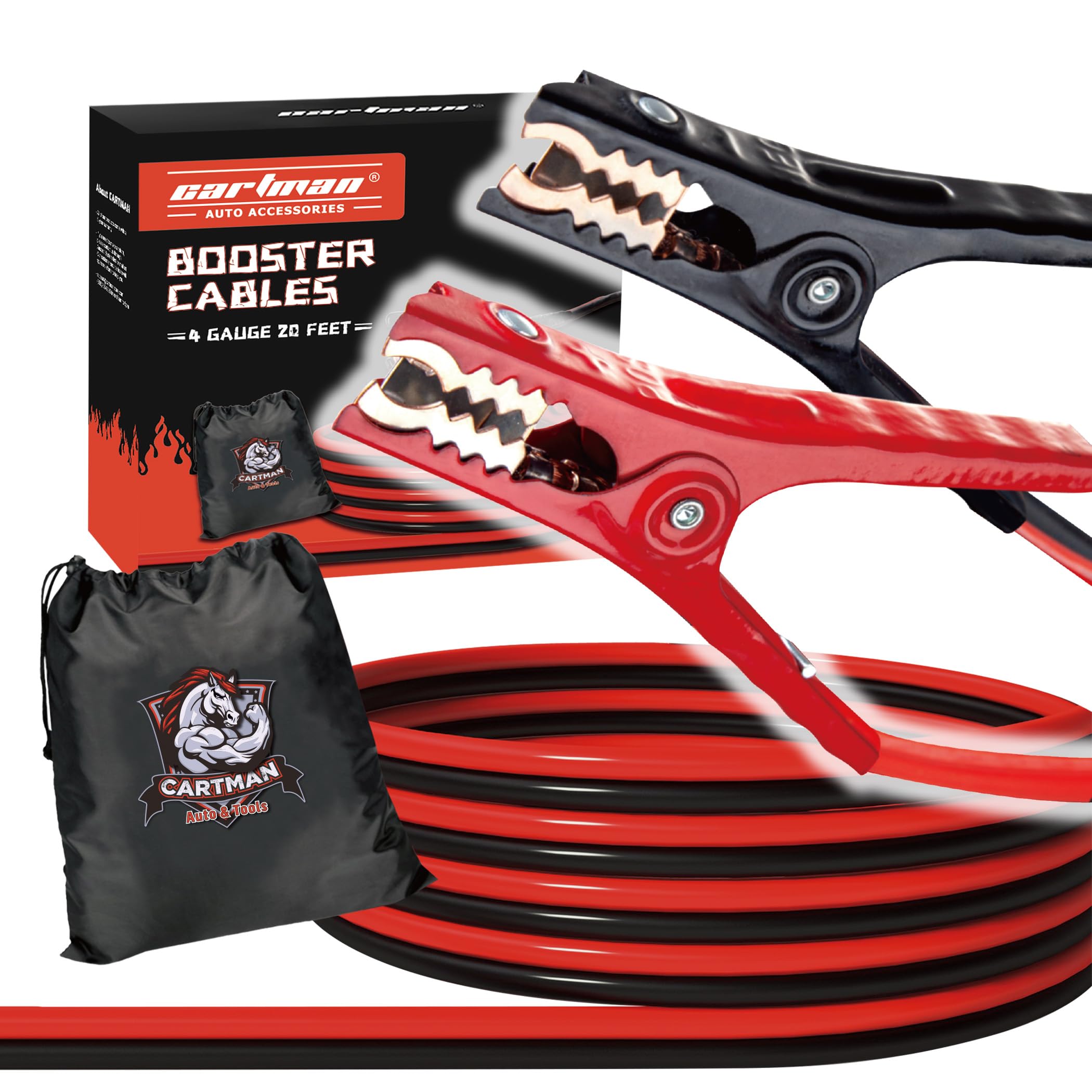
Cartman Heavy Duty 4 Gauge 20Ft Jumper Cables
Essential for vehicle-to-vehicle jumps on cars/SUVs.
$25-$30
Cartman Heavy Duty 4 Gauge 20Ft Jumper Cables Thick 4-gauge copper clamps provide fast, reliable power transfer without overheating.
Get the App
Better experience on mobile
Safely revive your dead 12V car battery in 10 minutes using jumper cables and a donor vehicle—no mechanic needed.
Nothing strands you like a dead car battery on a cold morning or after leaving your lights on. Whether you're late for work or stuck in a parking lot, knowing how to jump start your 12V battery can save the day and hundreds in towing fees. This guide is for intermediate DIYers comfortable with basic car maintenance.
You'll learn the safe, step-by-step process using standard jumper cables and another running vehicle. We'll cover safety first, precise connections, and post-jump checks. The whole process takes 10-15 minutes and requires minimal tools.
Expect straightforward actions with clear visuals in mind. Always prioritize safety to avoid sparks, acid sprays, or electrical damage. If your battery is damaged, jump starting is temporary—test or replace it soon.
Estimated Time: 10-15 minutes Difficulty: intermediate
Position the donor vehicle (good battery) close to the dead car, hood-to-hood or side-by-side, but do not let them touch. Ensure both vehicles are in park/neutral, parking brakes on, and all accessories (lights, radio) off. Open both hoods and locate batteries—most are front-left under the hood.
Why it matters: Prevents short circuits or accidental starts. Expect a clear view of terminals (positive red +, negative black -). Clean any corrosion with baking soda/water if needed.
Safety first: No smoking, as batteries can vent hydrogen gas.
💡 Tips:
⚠️ Warnings:
Wear insulated gloves and eye protection before touching anything. Batteries contain corrosive acid and can spark explosively.
What to expect: Gloves prevent shocks; goggles shield from sprays. This step takes 30 seconds but avoids ER visits.
💡 Tips:
⚠️ Warnings:
Clamp the red (positive) cable to the dead battery's positive (+) terminal firmly. Ensure a solid connection—no loose fit.
Why: Supplies power from donor. Wiggle to confirm grip; hear a click.
💡 Tips:
⚠️ Warnings:
Attach the other end of the red cable to the donor battery's positive (+) terminal.
What to expect: Possible small spark—normal if donor is strong. Both positives linked.
💡 Tips:
Clamp one black (negative) cable to the donor battery's negative (-) terminal.
Why: Completes circuit ground. Spark minimal here.
💡 Tips:
Do not connect to dead battery negative—instead, clamp to an unpainted metal surface (engine block, frame) away from battery/fuel lines.
Why it matters: Avoids sparks near hydrogen gas. Expect secure hold on bolt.
💡 Tips:
⚠️ Warnings:
Start the donor car and rev to 2000 RPM for 2-5 minutes. Check for overheating cables.
What success looks: Dashboard lights on dead car brighten. Battery charging.
💡 Tips:
⚠️ Warnings:
Try starting the dead car. If it cranks slowly, wait longer. Let both idle 5 minutes.
Success: Engine starts smoothly, headlights bright.
💡 Tips:
Why reverse: Prevents surges.
⚠️ Warnings:
Drive dead car 20-30 minutes. Check voltage (>12.6V engine off).
What to expect: Full recharge or warning light means replace battery.
💡 Tips:
Problem: Dead car won't start after 5 mins
Solution: Rev donor higher, wait 10 mins, or check connections. Test donor battery.
Problem: Sparks or smoking cables
Solution: Disconnect immediately, reverse polarity? Retry carefully.
Problem: Starts but dies after disconnect
Solution: Alternator issue or weak battery—tow to shop.
Problem: No power transfer
Solution: Clean corrosion, ensure solid clamps, try thicker cables.
Problem: Security light flashes
Solution: Disconnect battery 10 mins to reset ECU, or seek pro.
Thick 4-gauge copper clamps provide fast, reliable power transfer without overheating.
Best for: Essential for vehicle-to-vehicle jumps on cars/SUVs.
Price Range: $25-$30
Portable lithium jump starter—no donor car needed, with safety features like reverse polarity protection.
Best for: Solo jumps or when no helper vehicle available.
Price Range: $120-$130
Test battery voltage pre/post-jump to confirm charge (12.6V+ good).
Best for: Verify if jump worked or battery needs replacement.
Price Range: $12-$15
Durable, insulated grip for safe handling of hot/sharp clamps.
Best for: Protection during connections/disconnections.
Price Range: $18-$22
Long reach for trucks/SUVs, booster bag included for storage.
Best for: Larger vehicles or tight parking spots.
Price Range: $35-$45
Essential for vehicle-to-vehicle jumps on cars/SUVs.
Cartman Heavy Duty 4 Gauge 20Ft Jumper Cables Thick 4-gauge copper clamps provide fast, reliable power transfer without overheating.
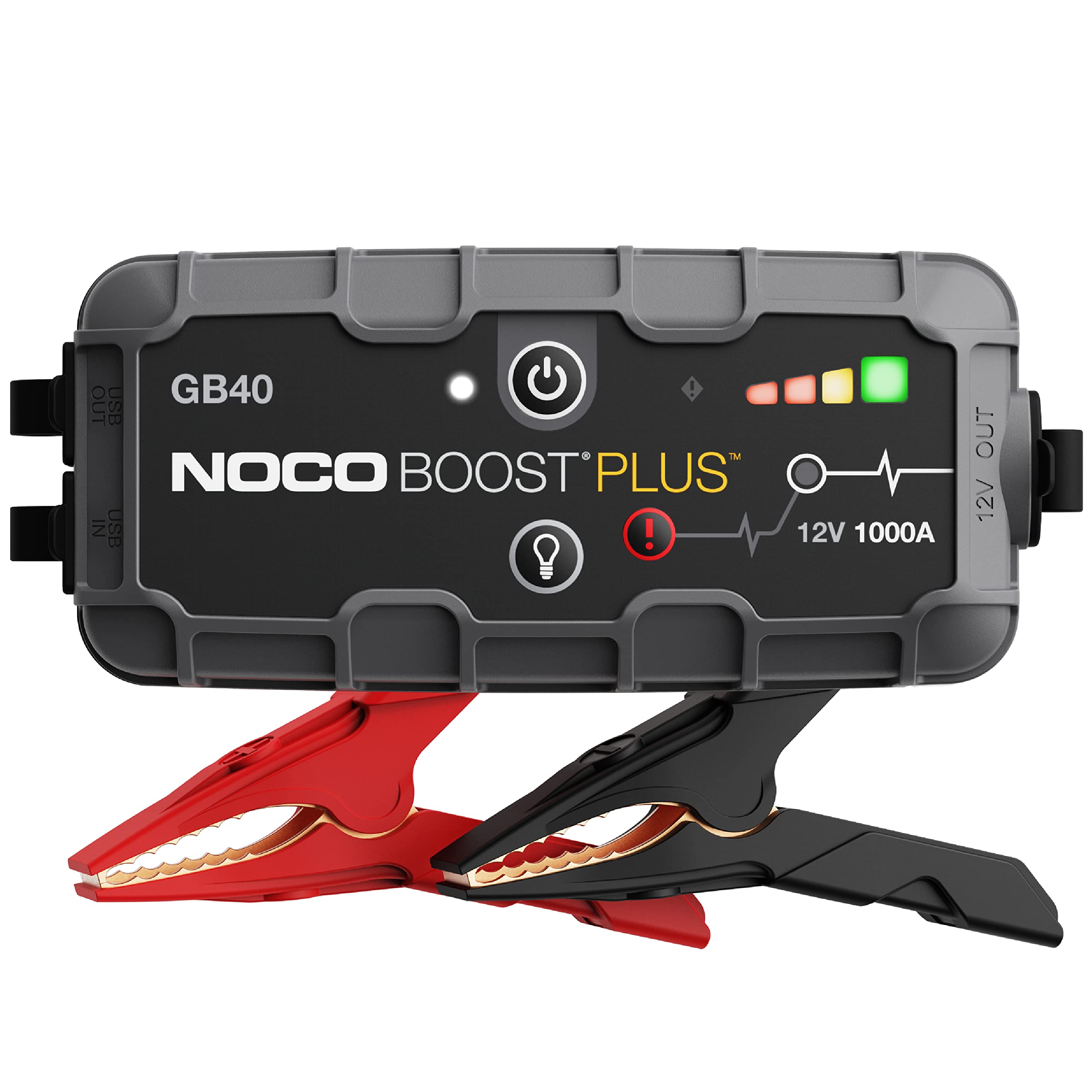
Solo jumps or when no helper vehicle available.
NOCO Boost Plus GB40 1000 Amp Jump Starter Portable lithium jump starter—no donor car needed, with safety features like reverse polarity protection.
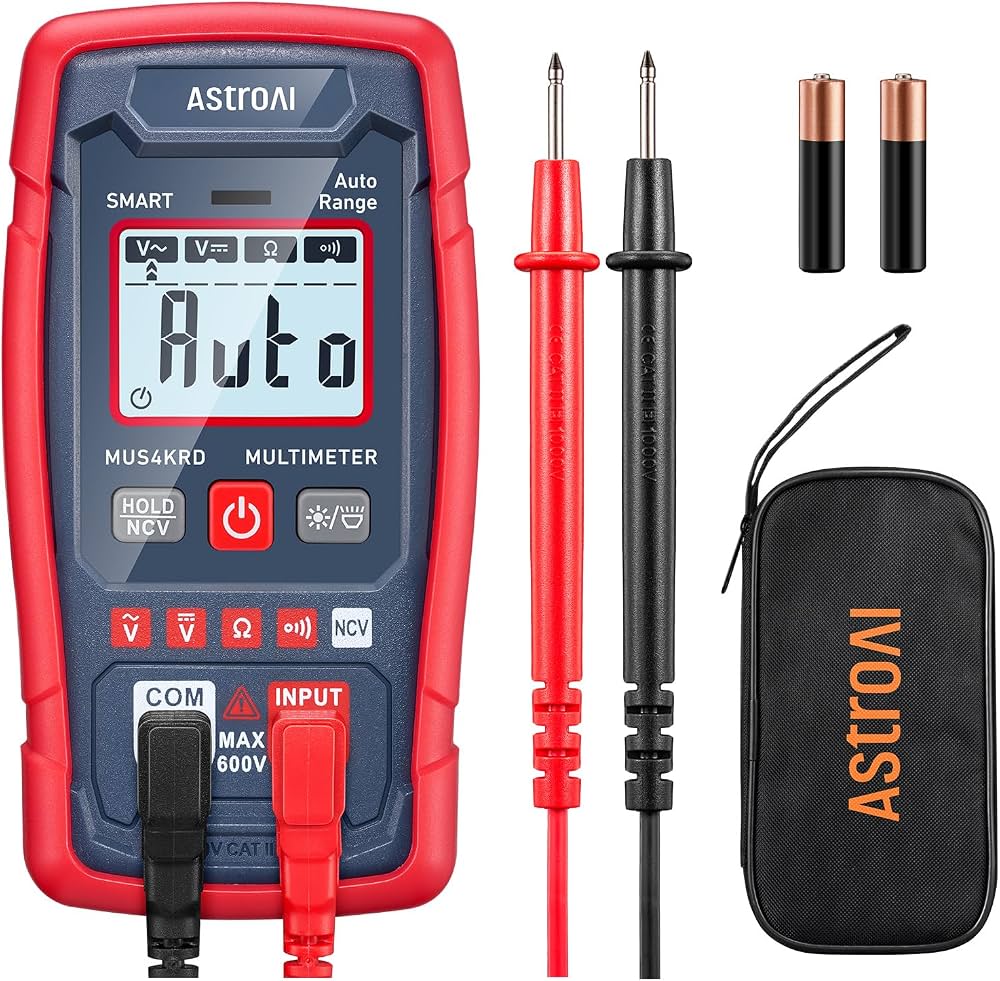
Verify if jump worked or battery needs replacement.
AstroAI Digital Multimeter Test battery voltage pre/post-jump to confirm charge (12.6V+ good).

Protection during connections/disconnections.
Mechanix Wear Original FastFit Work Gloves Durable, insulated grip for safe handling of hot/sharp clamps.
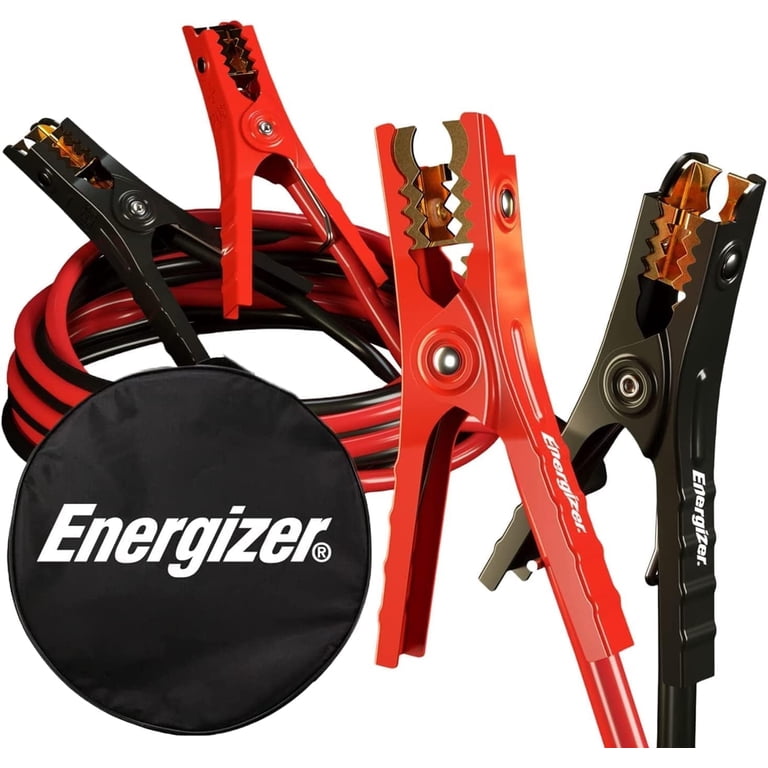
Larger vehicles or tight parking spots.
ENERGIZER Heavy Duty Booster Cables 16Ft 4 Gauge Long reach for trucks/SUVs, booster bag included for storage.