
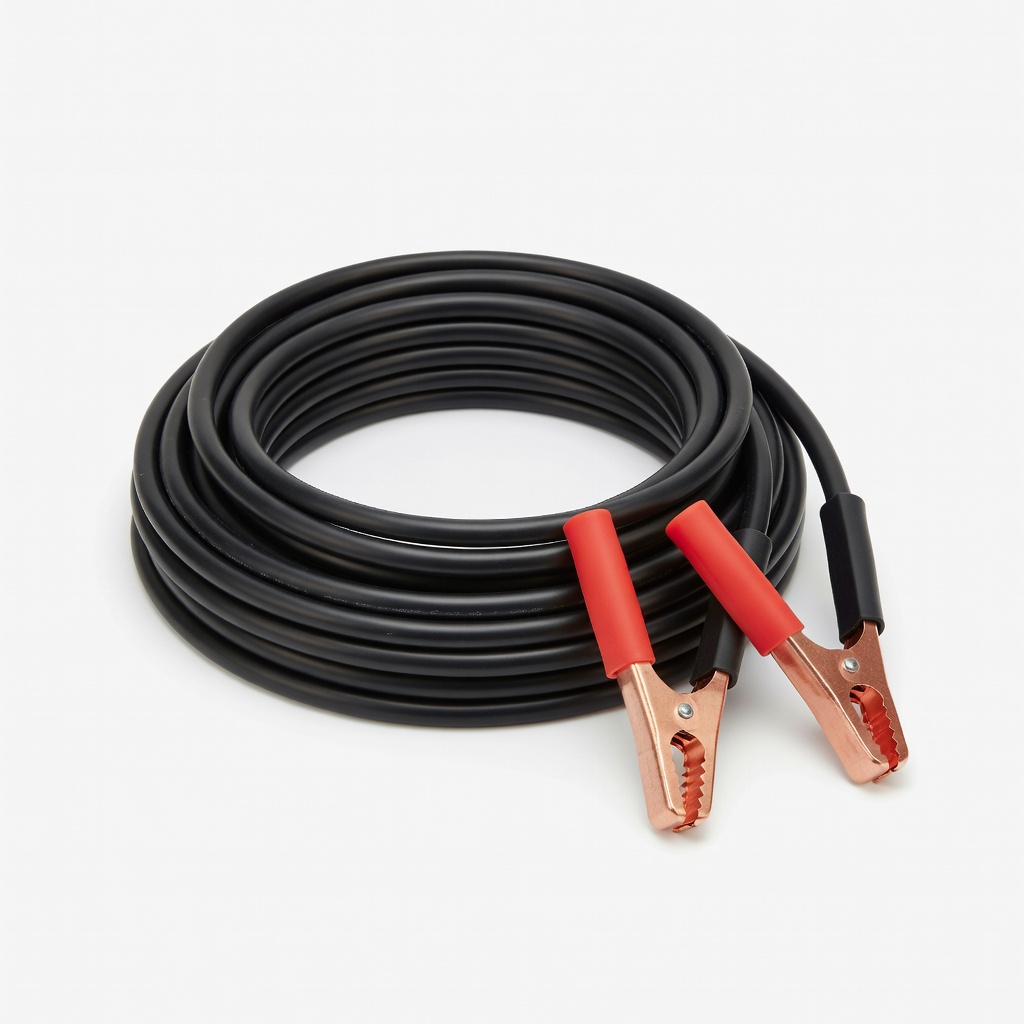
Cartman Jumper Cables 16Ft 4 Gauge
Essential for vehicle-to-vehicle jumps on sedans/SUVs.
$25-$30
Cartman Jumper Cables 16Ft 4 Gauge Heavy-duty 4-gauge copper clamps provide high amperage for reliable 12V jumps without overheating.
Get the App
Better experience on mobile
Master safe jump-starting of your dead 12V car battery in 10-15 minutes with jumper cables and a donor vehicle—no mechanic needed.
Imagine being stranded in a parking lot or on the roadside because your car's 12V battery is dead. It's a common frustration affecting millions yearly, often from leaving lights on or cold weather. But don't panic—you can jump-start it safely yourself and get back on the road quickly.
This beginner-friendly guide walks you through every step to jump-start a 12V car battery using jumper cables and another vehicle with a good battery. You'll learn essential safety rules, precise connections, and post-jump checks to avoid damage. The process takes just 10-15 minutes and requires no special skills.
Expect clear visuals (described for images), tips from pros, and warnings for pitfalls. By the end, you'll confidently handle dead batteries like a pro.
Estimated Time: 10-15 minutes Difficulty: beginner
Park both the dead car (vehicle with dead battery) and donor car (with good battery) on level ground, away from traffic. Turn off engines, lights, radios, and accessories in both vehicles. Engage parking brakes.
Inspect batteries for damage like cracks, leaks, or corrosion—do not proceed if damaged, as it risks explosion or fire. Ensure vehicles are similar (both gas or diesel, similar engine size) to avoid voltage mismatches.
What success looks like: Both cars off, hoods accessible, no visible battery damage.
💡 Tips:
⚠️ Warnings:
Position cars close enough for cables to reach (within 2-3 feet) but not touching. Nose-to-nose or side-by-side works best—avoid metal-to-metal contact.
This prevents sparks near batteries and ensures safe cable length.
What success looks like: Cables can connect batteries without stretching.
💡 Tips:
⚠️ Warnings:
Open hoods and find batteries (usually front-left). Identify positive (+) red terminal and negative (-) black terminal. Clean corrosion with a brush or baking soda/water mix if needed.
Positive is larger, marked '+'; negative marked '-' or grounded.
What success looks like: Clean, visible terminals ready for clamps.
💡 Tips:
Clamp one red (+) cable end firmly to dead battery's positive terminal. Ensure tight grip—no loose connections.
Red first minimizes spark risk on negative.
What success looks like: Secure red clamp on dead + terminal.
⚠️ Warnings:
Attach other red end to donor battery's positive terminal securely.
This completes positive circuit.
What success looks like: Both red clamps connected.
Clamp one black (-) cable to donor battery's negative terminal.
Grounds the donor safely.
What success looks like: Black on donor negative.
Clamp remaining black end to unpainted metal on dead car's engine block or frame (away from battery). Avoid battery negative to prevent sparks near hydrogen gas.
What success looks like: All clamps secure, no sparks.
⚠️ Warnings:
Start donor car, rev engine to 2000 RPM for 2-5 minutes. Check for heat/smoke on cables.
Charges dead battery.
What success looks like: Donor running smoothly.
💡 Tips:
Try starting dead car (may crank slowly first). If it starts, let both idle 1-2 minutes.
What success looks like: Dead car engine running.
⚠️ Warnings:
Turn off both engines. Remove: 1) black from ground, 2) black from donor negative, 3) red from donor positive, 4) red from dead positive.
Reverse prevents surges.
What success looks like: Cables off, both cars safe.
Drive dead car 20-30 minutes or use charger. Monitor lights/gauge.
Fully recharges battery.
What success looks like: No stalling, normal operation.
💡 Tips:
Problem: Car won't start after jumping
Solution: Wait longer (10 mins), check connections, test alternator. If fails, battery may be dead—replace.
Problem: Sparks or smoke from cables
Solution: Disconnect immediately, check polarity/secure clamps. Inspect for damage before retry.
Problem: Cables get hot
Solution: Too thin—upgrade to heavier gauge. Let cool before retry.
Problem: Battery hissing or bulging
Solution: Stop! Acid leak—ventilate, neutralize, seek pro replacement.
Problem: Starts but dies quickly
Solution: Alternator issue—drive to shop, don't rely on jump.
Heavy-duty 4-gauge copper clamps provide high amperage for reliable 12V jumps without overheating.
Best for: Essential for vehicle-to-vehicle jumps on sedans/SUVs.
Price Range: $25-$30
Portable lithium booster—no donor car needed, smart clamps prevent errors.
Best for: Solo jumps or no helper vehicle available.
Price Range: $120-$130
Dual-sided brush cleans corrosion safely without scratching terminals.
Best for: Prep step for dirty batteries before jumping.
Price Range: $5-$10
Anti-fog, UV-protective glasses shield eyes from acid sparks.
Best for: Safety during clamps and cleaning.
Price Range: $15-$20
Compact with air compressor and USB ports—multi-tool for emergencies.
Best for: Road trips needing jump + tire inflation.
Price Range: $130-$150
Essential for vehicle-to-vehicle jumps on sedans/SUVs.
Cartman Jumper Cables 16Ft 4 Gauge Heavy-duty 4-gauge copper clamps provide high amperage for reliable 12V jumps without overheating.
Solo jumps or no helper vehicle available.
NOCO GB40 UltraSafe Lithium Jump Starter Portable lithium booster—no donor car needed, smart clamps prevent errors.
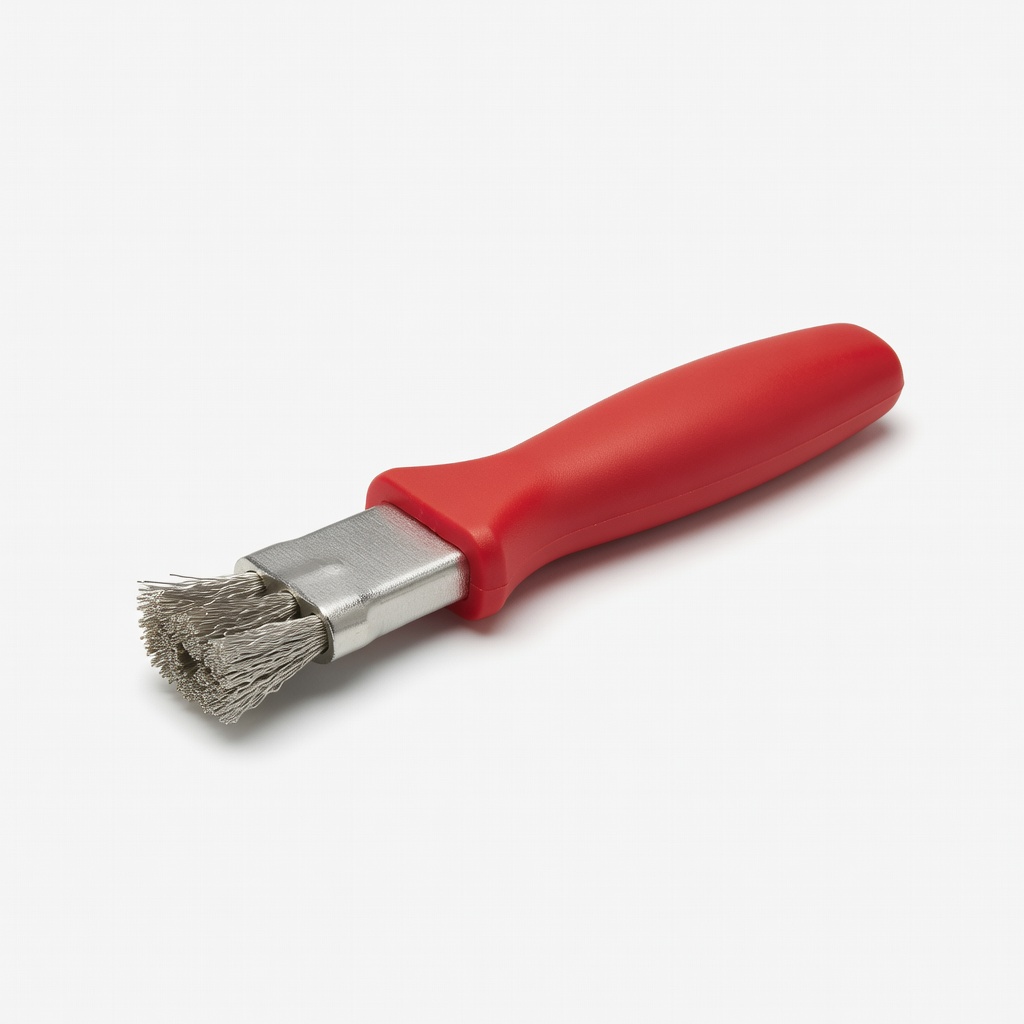
Prep step for dirty batteries before jumping.
Lisle 65600 Battery Terminal Brush Dual-sided brush cleans corrosion safely without scratching terminals.

Safety during clamps and cleaning.
NoCry Safety Glasses Anti-fog, UV-protective glasses shield eyes from acid sparks.
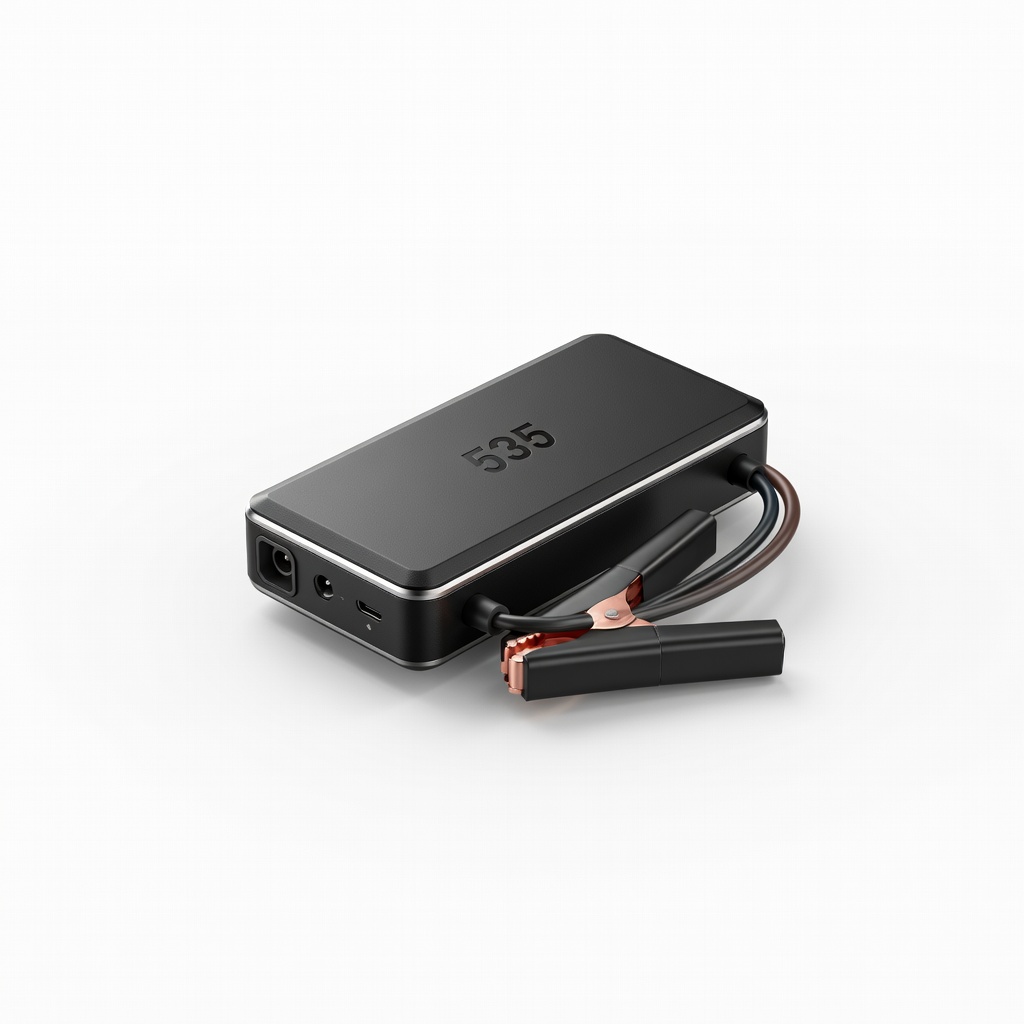
Road trips needing jump + tire inflation.
Anker 535 Car Jump Starter Compact with air compressor and USB ports—multi-tool for emergencies.