A dead car battery is one of the most frustrating experiences, leaving you stranded in a parking lot or driveway. It happens to everyone—cold weather, leaving lights on, or age—and knowing how to jump-start it with another vehicle can save the day without calling a tow truck.
In this guide, you'll learn the exact, safe sequence to connect jumper cables from a donor car to your dead 12V battery. We'll cover everything from preparation to disconnection, with tips to avoid sparks or damage. It's a straightforward process that takes just 10-15 minutes and requires no mechanical expertise.
Expect clear visuals (described for images), warnings for safety, and troubleshooting for common issues. By the end, your car will be running, and you'll feel confident handling this yourself.
▸What You'll Need
- •Heavy-duty jumper cables (4-6 gauge, 10-20 feet long, with clear red (+) and black (-) clamps)
- •A donor vehicle with a fully charged 12V battery (similar size to your car)
- •Safety glasses (optional but recommended)
- •Nitrile gloves (optional for clean hands)
- •Phone for emergency calls (just in case)
Estimated Time: 10-15 minutes
Difficulty: beginner
▸Step-by-Step Instructions
Step 1: Prepare Both Vehicles Safely
Park the donor car (with good battery) close to the dead car so jumper cables can reach both batteries without stretching. Turn off both engines, remove keys from ignitions, and open both hoods. Engage parking brakes on both cars.
Position cars nose-to-nose or side-by-side, ensuring they're not touching. Turn off all lights, radios, and accessories on both vehicles to prevent electrical drain or sparks.
Why it matters: This minimizes risks like accidental starts or short circuits. Success looks like both cars stationary with hoods propped open.
💡 Tips:
- •Choose a donor car with a similar battery voltage (12V) and engine size for best results.
⚠️ Warnings:
- •Never jump-start if battery is frozen, cracked, or leaking—call a professional.
Step 2: Locate the Batteries
Identify the positive (+) and negative (-) terminals on both batteries. Positive is usually red or marked '+', negative black or '-'. Most 12V car batteries are under the hood, but some (e.g., certain BMWs) are in the trunk—check your manual if unsure.
Clean any corrosion on terminals with a brush if present (wear gloves). Ensure terminals are accessible.
What to expect: Clear labels; if covered by plastic caps, remove them gently.
💡 Tips:
- •Use a flashlight if in low light for better visibility.
Step 3: Connect Red Clamp to Dead Battery Positive
Take one end of the jumper cables (red clamp) and securely attach it to the positive (+) terminal of the dead battery. Ensure a firm connection—no loose fit.
Why first here: Positive-to-positive first reduces spark risk on the more dangerous negative step.
Success: Red clamp locked tightly, no wobbling.
⚠️ Warnings:
- •Avoid letting clamps touch metal parts of the car.
Step 4: Connect Other Red Clamp to Donor Positive
Attach the other red clamp to the positive (+) terminal of the donor battery. Again, ensure a solid grip.
Both positives are now connected. Cables should not touch each other or ground yet.
What to expect: No sparks if done right; a slight click as clamps grip.
Step 5: Connect Black Clamp to Donor Negative
Attach one black clamp to the negative (-) terminal of the donor battery. Firm connection.
This completes the donor side. Have a helper hold the other black clamp away from the dead car for now.
💡 Tips:
- •Keep cables untangled to avoid confusion.
Step 6: Ground the Final Black Clamp on Dead Car
Do not connect the last black clamp to the dead battery's negative terminal. Instead, attach it to an unpainted metal surface on the dead car's engine block or frame (away from battery, carburetor, or fuel lines).
Why ground?: Prevents sparks near the battery's hydrogen gas from exploding.
Success: Secure metal contact, cable routed away from moving parts.
⚠️ Warnings:
- •Avoid battery negative or fuel system—hydrogen gas risk!
Step 7: Start the Donor Car and Wait
Start the donor car's engine and let it idle for 2-5 minutes. Rev gently to 2000 RPM if needed to build charge.
Check for smoke, heat, or bad smells—stop if any. The dead battery should start charging.
What to expect: Donor runs smoothly; voltmeter (if available) shows donor at 13-14V.
💡 Tips:
- •Wait longer (5 mins) for deeply dead batteries.
Step 8: Start the Dead Car
Try starting the dead car (engine off accessories). If it doesn't start first try, wait another 2 minutes and retry.
Success: Engine cranks and starts. Let both idle 2-3 minutes together.
⚠️ Warnings:
- •If it cranks but won't fire, battery may need replacement—don't force.
Step 9: Disconnect Cables in Reverse Order
With both engines running:
- •Remove black clamp from dead car ground.
- •Remove black from donor negative.
- •Remove red from donor positive.
- •Remove red from dead positive.
Reverse why: Safest to avoid arcs.
💡 Tips:
- •Wiggle clamps gently to release.
Step 10: Drive to Recharge
Drive the revived car for at least 20-30 minutes or use a charger. Donor can disconnect immediately.
Final success: Both cars running independently, no warning lights.
⚠️ Warnings:
- •Get battery tested soon if it died unexpectedly.
▸Pro Tips
- •Use 4-gauge or thicker cables for trucks/SUVs—handles higher amps better.
- •Test donor battery first with a multimeter (should read 12.6V+).
- •In cold weather, warm up donor engine first for more power.
- •Label your cables' ends if they're similar-looking.
- •Carry cables in your trunk always—prevents future stranding.
- •After jump, turn on headlights briefly to check alternator charging (bright = good).
- •Practice on a good battery to build confidence.
▸Common Mistakes to Avoid
- •Connecting black clamp to dead battery negative—increases explosion risk from sparks; always ground to chassis.
- •Reversing polarity (red to black)—can damage electronics; double-check + and -.
- •Starting donor too soon or revving high—let idle first to safely charge.
- •Disconnecting out of order—causes arcs; always reverse sequence.
- •Driving short distances post-jump—battery won't fully recharge; drive 30+ mins.
▸Troubleshooting
Problem: Dead car won't start after 5 minutes
Solution: Wait longer, check connections for looseness, or test if donor battery is weak. Try revving donor to 2000 RPM. If no luck, battery may be sulfated—replace.
Problem: Sparks or smoking during connection
Solution: Immediately disconnect, check for reversed clamps or corrosion. Clean terminals and retry carefully.
Problem: Car starts but dies when disconnecting cables
Solution: Alternator issue or very weak battery. Reconnect, drive with donor briefly, then test at auto parts store.
Problem: Warning lights or odd electrical behavior after
Solution: Disconnect battery for 10 mins to reset ECU, or get professional diagnostic. Seek pro help if persists.
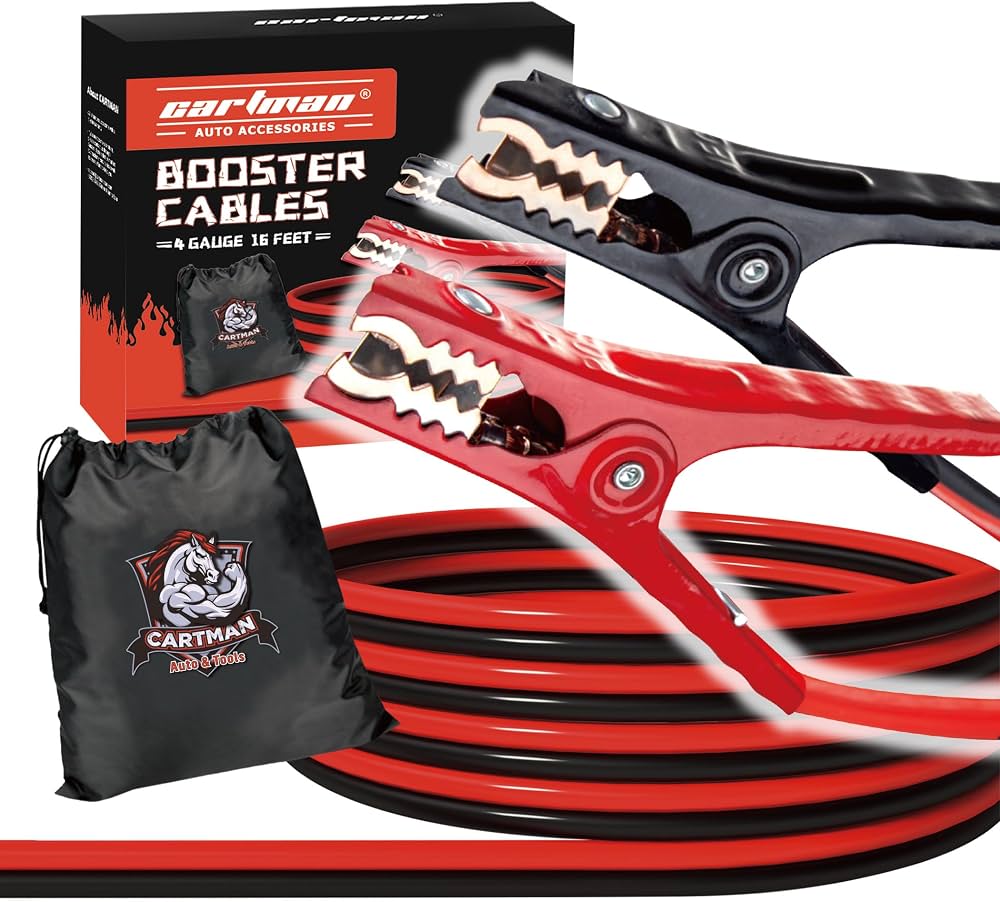
Cartman 16Ft 4 Gauge 800A Booster Battery Jump Start Cables
Heavy-duty 4-gauge copper clamps provide maximum power transfer without overheating, ideal for cars/SUVs.
Best for: Primary tool for jumping between vehicles; long length reaches trunk batteries.
Price Range: $25.99
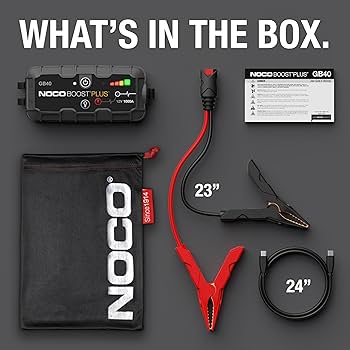
NOCO Boost Plus GB40 1000 Amp 12V Lithium Jump Starter
Portable alternative—no donor car needed; ultra-safe with spark-proof tech and built-in light.
Best for: Solo jumps or when no helper car available; also emergency power bank.
Price Range: $124.95
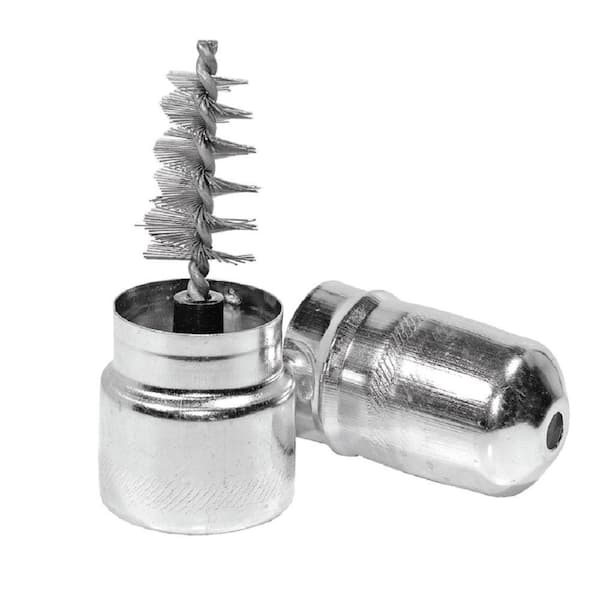
KUNTEC Battery Terminal Cleaner Brush
Quickly removes corrosion for solid connections, preventing failed jumps.
Best for: Prep step before connecting; works on all 12V terminals.
Price Range: $9.99
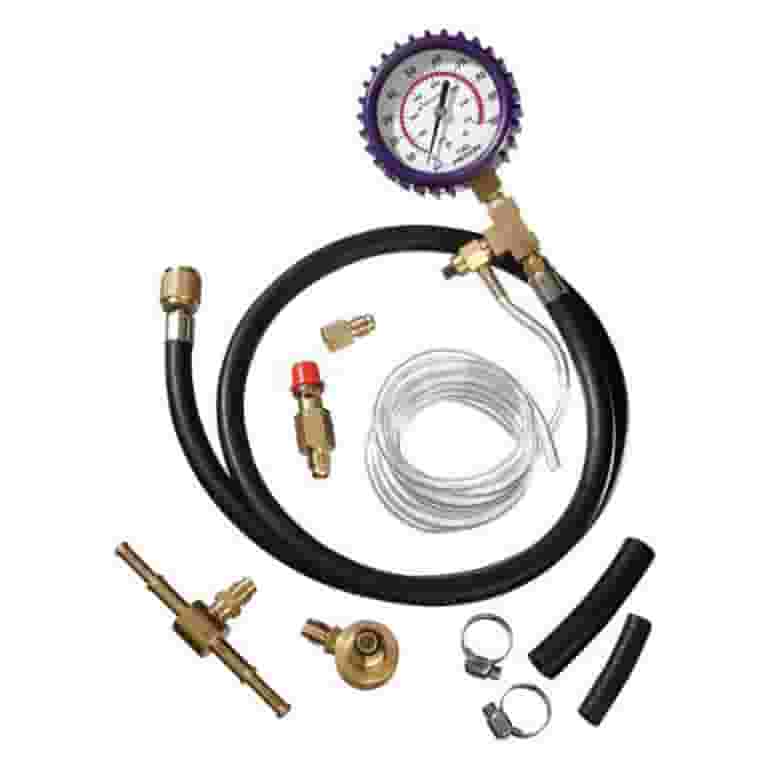
Actron CP7838 Battery Load Tester
Tests battery health before/after jump to confirm if replacement needed.
Best for: Post-jump verification; avoids repeated failures.
Price Range: $39.99
Mechanix Wear FastFit Work Gloves
Durable, grippy protection against acid/corrosion while handling cables.
Best for: Safety during dirty terminal work.
Price Range: $14.99