▸Why Journaling Heals Emotional Abuse
Emotional abuse leaves deep scars—gaslighting, manipulation, and constant criticism can erode your self-esteem, leaving you doubting your reality and worth. If you've survived this, you're not alone, and healing starts with reclaiming your voice. Journaling offers a safe, private way to unpack pain, spot patterns, and nurture self-compassion without judgment.
In this guide, you'll master a step-by-step journaling routine tailored for emotional abuse recovery. You'll learn prompts, techniques, and habits proven by therapists to rewire negative beliefs. Expect gentle progress: reduced anxiety, clearer boundaries, and growing empowerment.
This beginner process takes 20-30 minutes daily. No prior experience needed—just consistency over 4-6 weeks for noticeable shifts. Pair it with therapy for best results.
▸What You'll Need
- •A dedicated journal (physical or digital)
- •Comfortable pen or stylus
- •Quiet, private space
- •Optional: Guided prompt book or app for structure
- •Timer for sessions (phone works)
Estimated Time: 20-30 minutes per daily session; 4-6 weeks for habit-building
Difficulty: beginner
▸Step-by-Step Instructions
Step 1: Create Your Safe Journaling Space
Find or set up a quiet corner free from interruptions. This could be a cozy chair by a window, your bed, or a park bench. Dim lights, light a candle, or play soft instrumental music to signal 'healing time' to your brain.
Why it matters: Emotional abuse often made you feel unsafe expressing yourself. A dedicated space builds security and ritual, making journaling inviting rather than daunting.
Expect a sense of calm washing over you as you settle in—what success looks like: You're relaxed, pen in hand, ready without external distractions.
💡 Tips:
- •Keep a blanket or comforting object nearby for extra coziness.
- •Journal at the same time daily, like morning or bedtime, for habit formation.
⚠️ Warnings:
- •Avoid journaling in shared spaces where others might read your entries.
Step 2: Set a Clear Intention
Before writing, spend 1-2 minutes breathing deeply and stating your why aloud or in your head: 'I journal to heal from emotional abuse and reclaim my truth.' Write this intention at the top of each page.
This anchors your practice, shifting focus from pain to purpose. Therapists recommend it to combat self-doubt ingrained by abusers.
Success: You feel purposeful, not overwhelmed—your page starts with empowerment.
💡 Tips:
- •Use affirmations like 'My feelings are valid' if intentions feel hard.
Step 3: Begin with a Feelings Dump
Set a 5-minute timer and free-write whatever emotions surface—no editing, no judgment. Start with 'Today, I feel...' and let it flow: anger, shame, confusion from past abuse.
This releases pent-up energy, preventing emotional buildup. It's like venting to a trusted friend who never interrupts.
Expect raw honesty; tears are normal and healing. Success: Emptying your mental load, pages filled without overthinking.
💡 Tips:
- •Write messy—legibility comes later.
- •If stuck, list 10 emotions you're feeling.
⚠️ Warnings:
- •Don't censor; suppressing keeps abuse's grip tight.
Step 4: Use Abuse-Specific Prompts
Prompts to try:
- •'What lies did my abuser make me believe about myself? What's the truth?'
- •'Describe a time I was gaslit—what did I know deep down?'
- •'What boundaries will I set to protect my peace?'
Write for 10 minutes per prompt. These target core wounds like invalidation and control.
Why vital: Prompts guide beginners past blank-page paralysis, fostering insight. Success: Identifying patterns, like 'I always apologize first'—aha moments spark change.
💡 Tips:
- •Rotate 3-5 prompts weekly from a list or book.
Step 5: Practice Self-Compassion Responses
For every negative memory, counter with compassion: 'What would I tell a friend in my shoes?' Write nurturing replies, e.g., 'You deserved kindness, not criticism.'
This rewires the inner critic built by abuse, per cognitive therapy principles.
Expect resistance at first—abuse trained harsh self-talk. Success: Ending entries with kinder self-view.
💡 Tips:
- •Use 'I am worthy' stickers or drawings for visual reinforcement.
⚠️ Warnings:
- •Skip if too intense; return tomorrow.
Step 6: End with Gratitude and Wins
List 3 things you're grateful for and 1 small win today, like 'I spoke my truth' or 'I journaled despite doubt.'
Balances pain with positivity, training your brain for resilience.
Success: Closing on an uplifting note, feeling lighter.
💡 Tips:
- •Be specific: 'Grateful for my morning coffee in peace.'
Step 7: Weekly Review and Track Progress
Sundays, read last week's entries. Note patterns, growth: 'Less self-blame this week.' Burn or shred old pages if ready for symbolic release.
This measures healing, motivates continuity.
Success: Visible progress, like fewer negative entries.
Step 8: Integrate and Adjust
After 2 weeks, assess: More peace? Adjust prompts or time. Share insights with a therapist.
Sustains long-term healing.
Success: Journaling as a lifelong tool.
💡 Tips:
- •Digitize entries for searchability if using apps.
▸Pro Tips
- •Date every entry to track emotional trends over time.
- •Use colored pens for sections: red for pain, green for growth.
- •Journal post-walk or shower when emotions flow easier.
- •Set phone reminders; consistency trumps perfection.
- •Pair with deep breathing: 4-7-8 technique pre-write.
- •Reward sessions with tea—make it nurturing.
- •Photograph favorite pages for a 'healing album'.
▸Common Mistakes to Avoid
- •Judging your writing: Avoid perfectionism; it's for you, not grammar.
- •Inconsistent timing: Skipping days stalls progress—start small if busy.
- •Overloading with prompts: Stick to 1-2 per session to prevent burnout.
- •Ignoring triggers: If distressed, pause and ground yourself.
- •Sharing too soon: Keep private until ready for support.
▸Troubleshooting
Problem: Overwhelming emotions flood in
Solution: Stop, breathe deeply, affirm 'I'm safe now.' Resume later or call a hotline. Seek therapist if persistent.
Problem: Can't think of anything to write
Solution: Copy a prompt verbatim or doodle feelings first. Try voice notes as bridge.
Problem: Losing motivation after a week
Solution: Shorten to 5 minutes; track mood pre/post to see benefits.
Problem: Physical symptoms like headaches
Solution: Hydrate, stretch. If ongoing, consult a doctor—could signal deeper trauma.
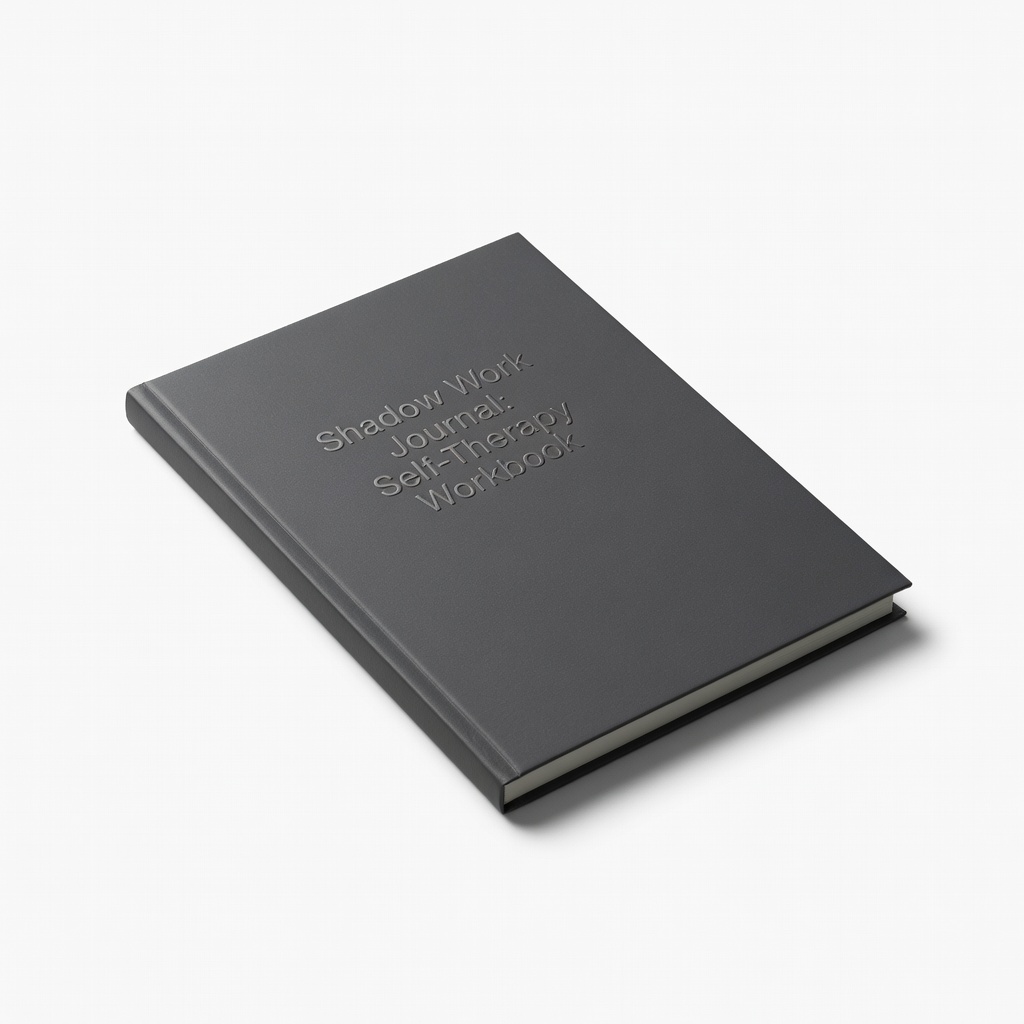
Shadow Work Journal: Self-Therapy Workbook
Offers 100+ trauma-focused prompts tailored for emotional abuse recovery, guiding beginners through shadow aspects without overwhelm.
Best for: Daily prompt sessions (steps 4-5) for structured healing.
Price Range: $15.99
Leuchtturm1917 A5 Dotted Notebook
Durable, numbered pages with index for easy review; acid-free paper prevents bleed-through during emotional writing.
Best for: Core journaling tool (step 1) for long-term use.
Price Range: $19.95
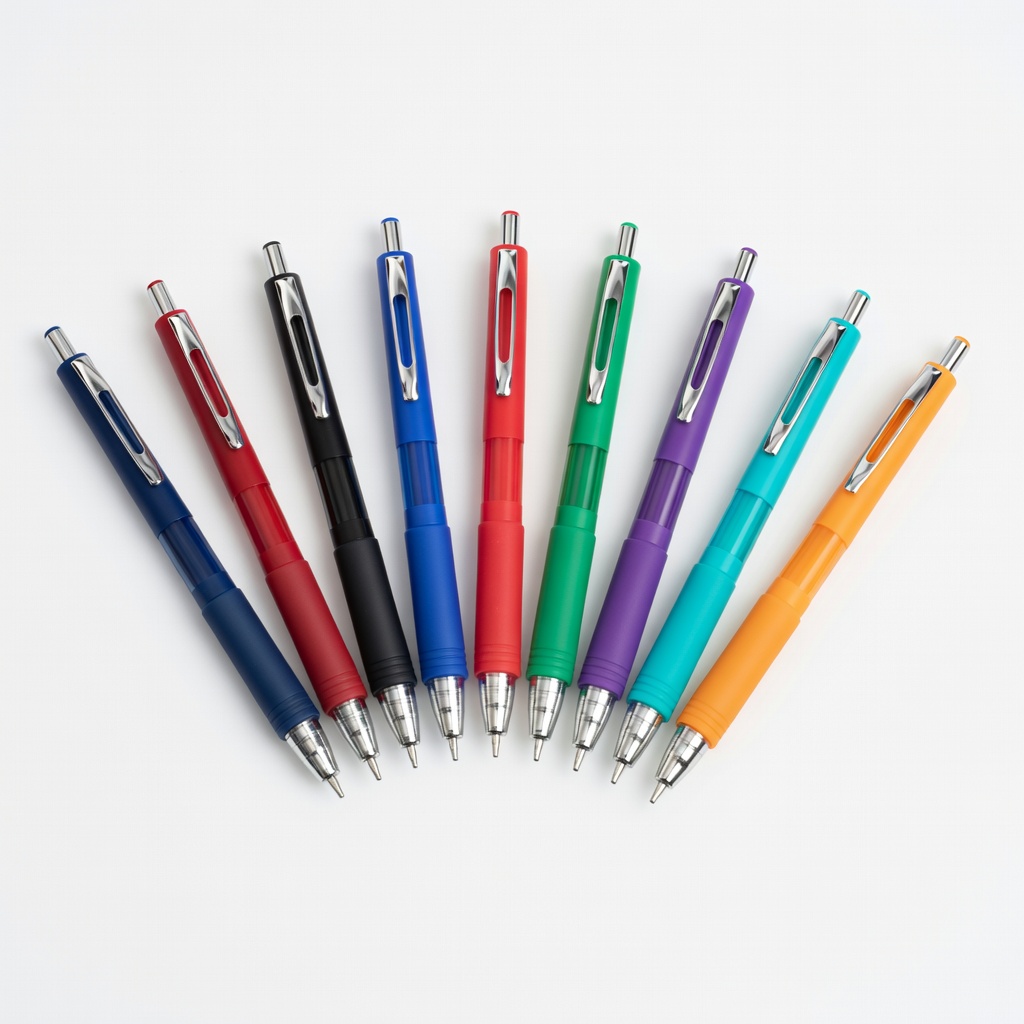
Pilot Frixion Clicker Erasable Gel Pens (9-pack)
Erase mistakes without mess, forgiving for perfectionists healing self-criticism.
Best for: Free-writing and edits (steps 3-5).
Price Range: $14.99
The Five Minute Journal
Quick gratitude prompts build positivity habit, ideal for ending sessions amid abuse recovery.
Best for: Step 6 daily wins.
Price Range: $24.99