Survivors of abuse often carry heavy emotional burdens—anger, shame, fear—that linger long after the event. Journaling offers a private, powerful way to unpack these feelings without judgment, promoting emotional release and self-empowerment. It's a proven self-help tool backed by therapists for trauma recovery.
In this guide, you'll learn a simple 8-step process to journal effectively for emotional release from abuse. No prior experience needed; just follow along for cathartic writing sessions that build resilience over time. Expect 15-20 minutes per session, with noticeable relief after a week of consistency.
This method combines free writing, prompts, and rituals for safe emotional processing. Always prioritize your well-being—if intense distress arises, consult a professional.
▸What You'll Need
- •A dedicated journal notebook (required)
- •Smooth-writing pen or pencil (required)
- •Quiet, private space (required)
- •Timer on your phone (optional but recommended)
- •Guided prompts book (optional for structure)
Estimated Time: 15-20 minutes per session; 1 week for initial benefits
Difficulty: beginner
▸Step-by-Step Instructions
Step 1: Create a Safe Journaling Space
Find a quiet, comfortable spot where you won't be interrupted—your bedroom, a cozy chair, or outdoors if weather permits. Dim lights, play soft music if it helps, and place a 'do not disturb' sign if needed.
This step matters because abuse survivors need safety to open up emotionally. A secure environment signals to your brain it's okay to be vulnerable, reducing anxiety and enabling deeper release.
Expect a sense of calm washing over you as you settle in.
💡 Tips:
- •Light a scented candle like lavender for grounding.
- •Keep water nearby to stay hydrated.
⚠️ Warnings:
- •Avoid journaling in triggering locations, like where abuse occurred.
Step 2: Gather Your Tools
Choose a sturdy notebook with thick pages to prevent bleed-through and a pen that glides smoothly. If using a digital app, ensure it's private and password-protected.
Quality tools make writing effortless, encouraging consistency. Poor tools lead to frustration, halting your flow.
Success here: Tools at hand, ready to write without distractions.
💡 Tips:
- •Opt for dotted or blank pages for flexibility.
Step 3: Set Your Intention
Take 1-2 minutes to breathe deeply (inhale 4 counts, hold 4, exhale 4). Write one sentence: 'Today, I release [emotion] from my abuse experience to heal.'
Intentions focus your mind, turning journaling into purposeful therapy. This prevents aimless venting.
You'll feel centered and purposeful.
💡 Tips:
- •Repeat your intention aloud for emphasis.
⚠️ Warnings:
- •Don't skip—rushing leads to scattered thoughts.
Step 4: Start with Free Writing
Set a 5-minute timer and write nonstop about your abuse feelings—whatever comes: anger, sadness, confusion. No editing, spelling doesn't matter.
Free writing unleashes suppressed emotions safely, like a pressure valve. It's the core of emotional release.
Expect raw, messy pages; that's success—emotions flowing out.
💡 Tips:
- •Write with your non-dominant hand if you want deeper subconscious access.
Step 5: Use Targeted Prompts
Prompts: 'What did the abuse make me believe about myself?' 'What boundaries will I set now?' Write 1-2 paragraphs per prompt.
Prompts guide beginners past blocks, targeting abuse-specific trauma for clarity and insight.
Look for 'aha' moments or lighter feelings post-writing.
💡 Tips:
- •Cycle 3-5 prompts daily from a list.
⚠️ Warnings:
- •If a prompt triggers too much, skip to breathing.
Step 6: Reflect on Insights
Read back what you wrote. Underline key phrases. Note one positive shift: 'I see my strength now.'
Reflection turns raw emotion into wisdom, reinforcing healing.
Success: Gaining perspective, feeling empowered.
Step 7: Perform a Release Ritual
Tear out the page (if comfortable), safely burn it (outdoors, fire-safe), or shred it. Say, 'I release this; it no longer controls me.'
Rituals symbolize letting go, amplifying emotional catharsis psychologically.
Expect a physical lightness, like unburdening.
💡 Tips:
- •Use a fire pit for safety.
⚠️ Warnings:
- •Never burn indoors; prioritize safety.
Step 8: Close with Self-Compassion
Write 3 things you appreciate about yourself. End with: 'I am healing, one page at a time.'
This prevents dwelling, balancing release with nurture.
Session complete: Journal closed, heart lighter.
💡 Tips:
- •Hug yourself or affirm in mirror.
▸Pro Tips
- •Journal at the same time daily for habit formation.
- •Track mood before/after sessions to see progress.
- •Combine with walks for double emotional boost.
- •Use colored pens for positive affirmations.
- •Backup digital journals securely.
- •Start small—3 minutes if 5 feels overwhelming.
- •Share anonymized insights in support groups later.
▸Common Mistakes to Avoid
- •Judging your writing—avoid self-criticism; it's for release, not perfection.
- •Journaling when exhausted—fatigue blocks emotions; choose alert times.
- •Skipping reflection—raw venting without insight stalls healing.
- •Overdoing sessions—limit to 20 mins to prevent burnout.
- •Ignoring triggers—forcing deep dives too soon retraumatizes.
▸Troubleshooting
Problem: Overwhelming emotions mid-session
Solution: Stop, breathe deeply, ground with senses (name 5 things you see). Resume later or call a hotline.
Problem: Can't think of what to write
Solution: Write 'I don't know what to write' repeatedly until flow starts— it works 90% of time.
Problem: No emotional relief after days
Solution: Consistency key; if persists 2 weeks, consult therapist. Journaling complements, not replaces, therapy.
Problem: Physical symptoms like nausea
Solution: Pause practice; seek medical/professional help immediately.
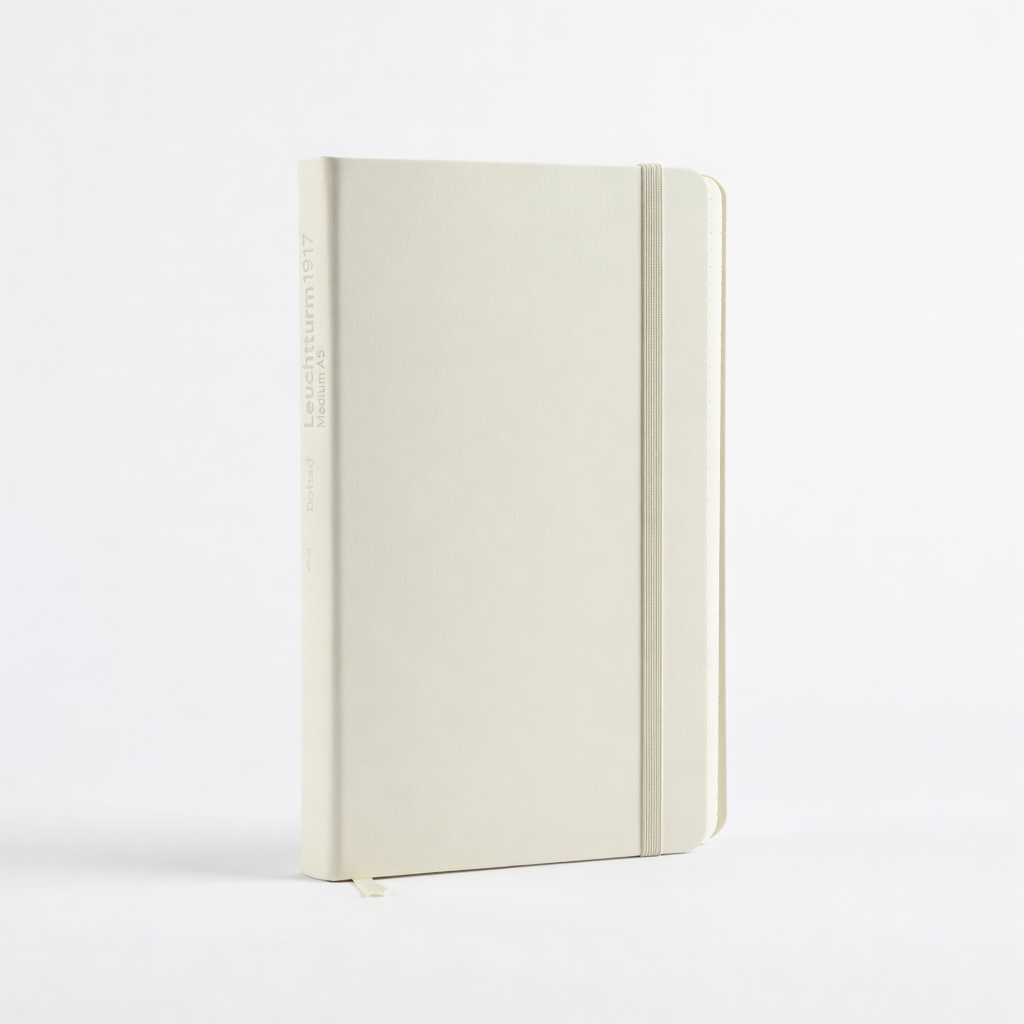
Leuchtturm1917 Medium A5 Dotted Notebook
Durable, numbered pages with index for organizing trauma entries; acid-free paper prevents ink bleed.
Best for: Daily emotional release sessions; thumb cutout for quick access.
Price Range: $19.95 - $22
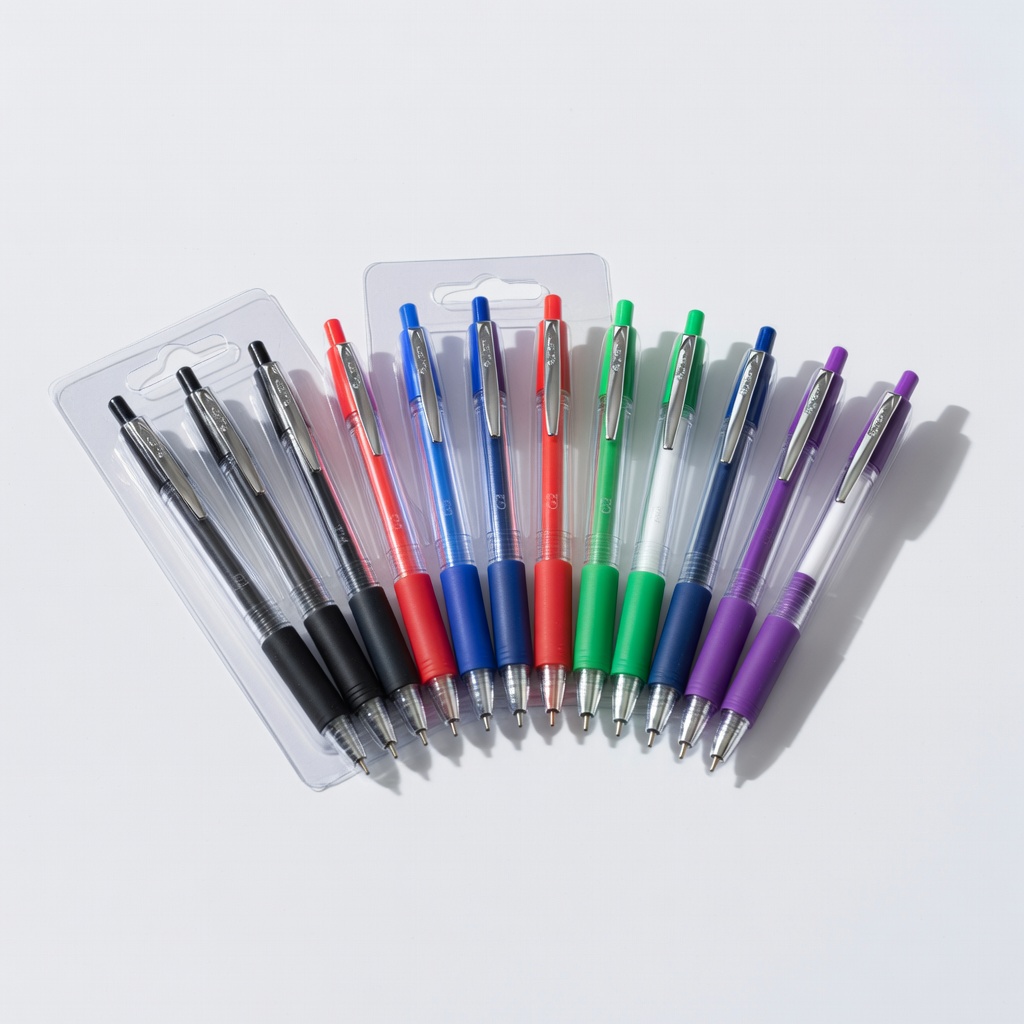
Pilot G2 Premium Retractable Gel Pens (12-pack)
Ultra-smooth ink flow reduces hand fatigue during long writes; multiple colors for prompts vs. free write.
Best for: Stress-free writing marathons; skip lines easily.
Price Range: $9.99
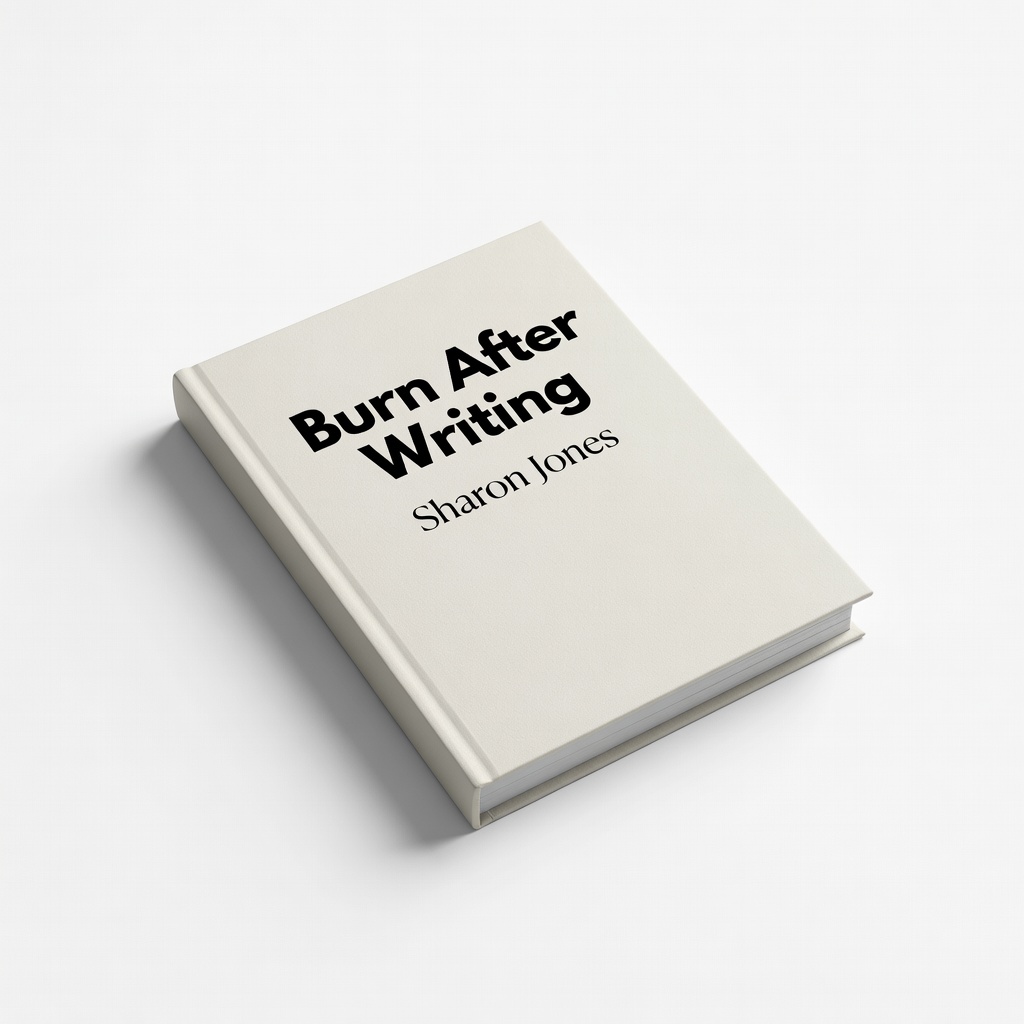
Burn After Writing by Sharon Jones
Guided prompts designed for destructive release rituals; perfect for abuse emotional catharsis.
Best for: When free writing feels stuck; tear/burn pages safely.
Price Range: $10.99
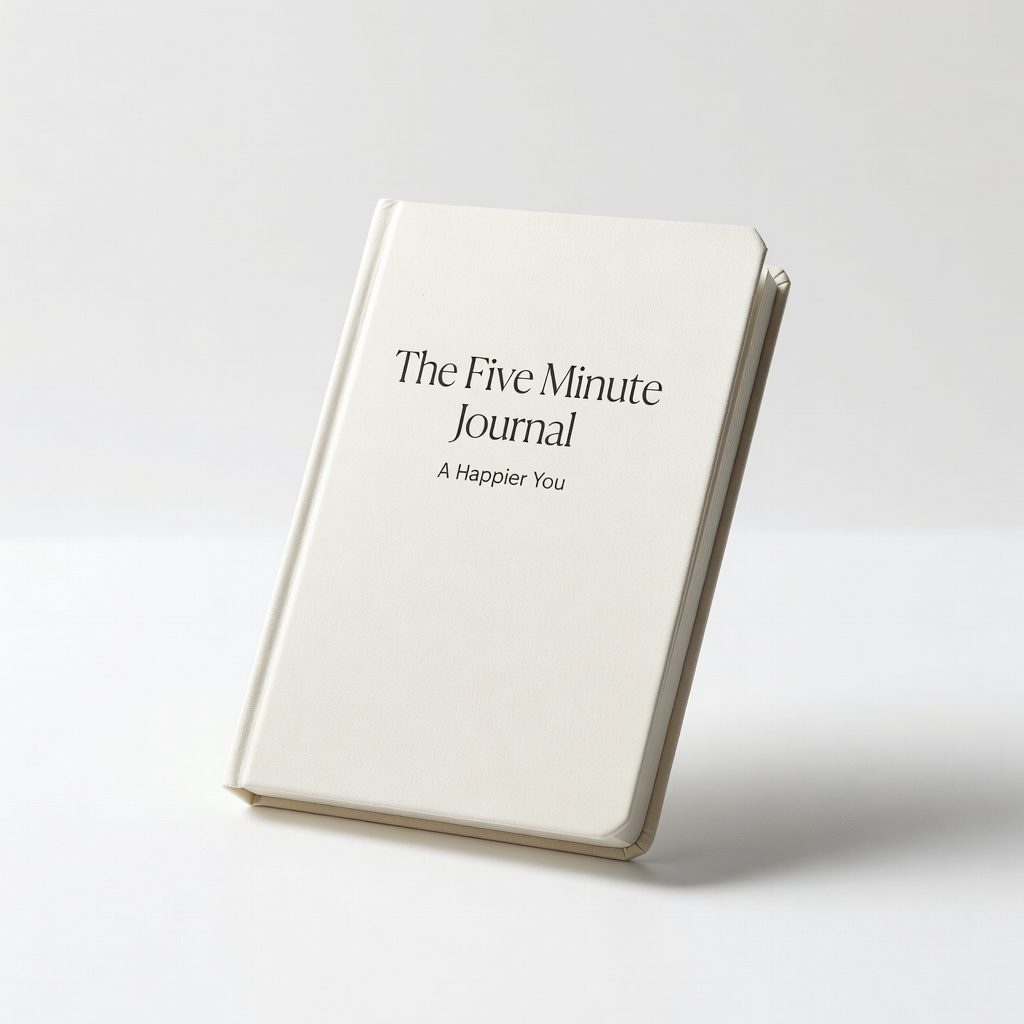
The Five Minute Journal: A Happier You
Structured daily prompts for gratitude and reflection; eases into self-compassion post-release.
Best for: Ending sessions positively; minimal time commitment.
Price Range: $24.99
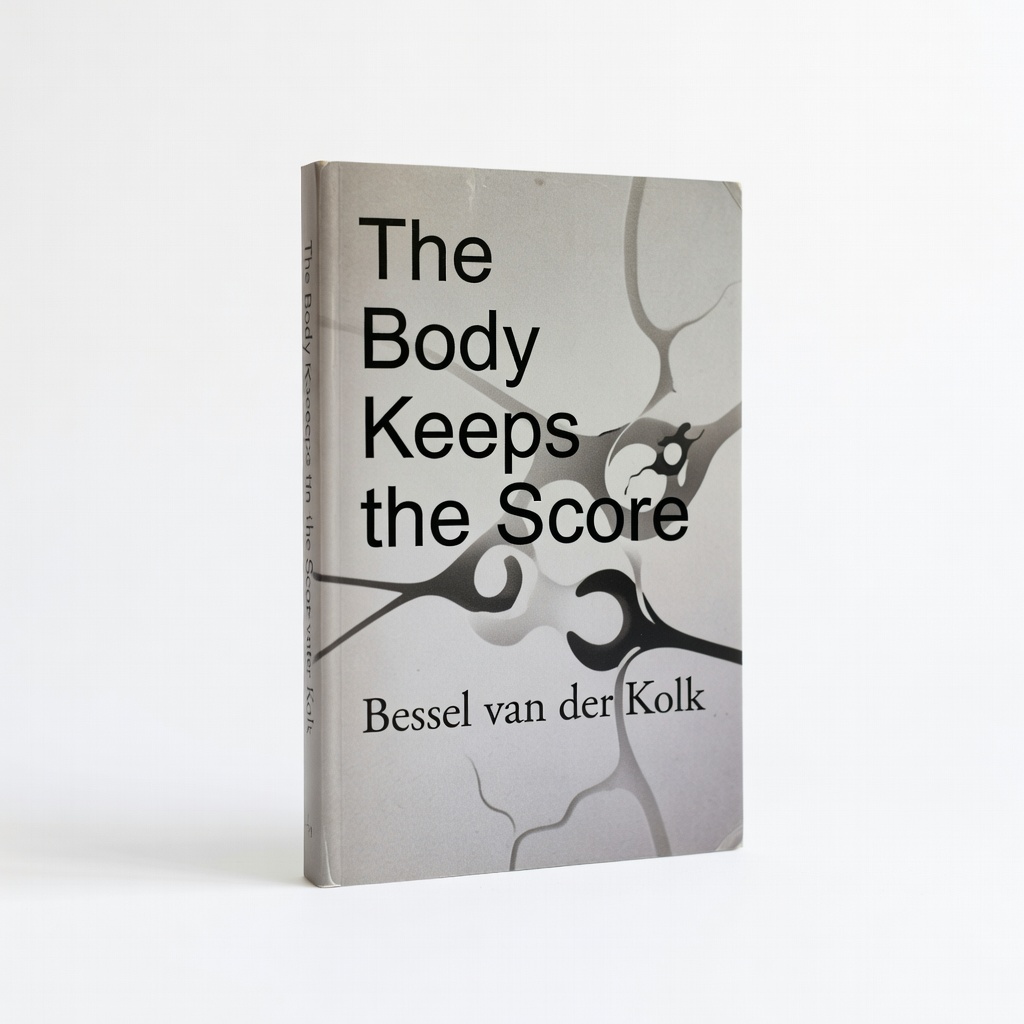
The Body Keeps the Score by Bessel van der Kolk
Explains trauma science with journaling exercises; validates your process scientifically.
Best for: Deeper understanding between sessions; read alongside.
Price Range: $14.99