Recovering from abuse can feel overwhelming, with progress often invisible amid emotional ups and downs. Many survivors struggle to recognize their growth, leading to frustration or self-doubt. Journaling milestones changes that by creating a tangible record of your strength and victories, fostering hope and motivation.
In this guide, you'll learn a step-by-step system to journal abuse recovery milestones effectively. We'll cover setup, daily practices, reviews, and celebrations tailored for intermediate journalers who have some self-reflection experience. Expect to spend 30 minutes setting up, then 10-15 minutes daily—results build over weeks with consistency.
This process empowers you to see patterns, honor boundaries, and track emotional shifts, but it's not therapy. Pair it with professional support for deeper healing.
▸What You'll Need
- •A dedicated journal or notebook (physical or digital)
- •Pens or stylus in multiple colors for highlighting milestones (required)
- •Quiet space for reflection (required)
- •Optional: Guided prompts book or app for trauma recovery
- •Optional: Stickers or washi tape for visual celebrations
- •Prerequisite: Basic journaling experience and access to a therapist
Estimated Time: 30 minutes setup + 10-15 minutes daily for ongoing practice
Difficulty: intermediate
▸Step-by-Step Instructions
Step 1: Choose Your Journaling Tools
Start by selecting a journal that feels safe and inspiring. For abuse recovery, opt for something durable with dotted or blank pages for flexibility—avoid lined pages if they feel too rigid.
Why it matters: The right tool encourages consistency without overwhelming you. Physical journals ground you in the present; digital ones (like apps) allow searchability for milestones.
Expect a calming setup that invites vulnerability. Test by writing a sample entry.
💡 Tips:
- •Choose acid-free paper to prevent fading over time.
- •Get one with a lock if privacy is a concern.
⚠️ Warnings:
- •Don't buy something flashy—simplicity reduces decision fatigue.
Step 2: Create a Safe Journaling Space and Routine
Designate a private spot free from interruptions, perhaps with a comforting item like a blanket or candle. Schedule sessions at the same time daily, like evening wind-down.
This builds habit and safety, crucial for trauma survivors to avoid triggers. Expect initial resistance, but consistency rewires your brain for reflection.
Light a candle or play soft music to signal 'healing time.'
💡 Tips:
- •Pair with deep breathing: Inhale 4 counts, hold 4, exhale 4.
⚠️ Warnings:
- •Avoid journaling when exhausted—emotions may distort.
Step 3: Define Personal Recovery Milestones
Brainstorm what 'milestones' mean for you: e.g., 'Set a boundary without guilt,' 'Slept through the night,' or 'Shared my story.' Categorize into emotional, behavioral, physical.
Personalization ensures relevance, tracking subtle shifts abusers diminished. List 5-10 to start.
Expect clarity emerging as you write—refine later.
💡 Tips:
- •Use SMART goals: Specific, Measurable, Achievable, Relevant, Time-bound.
Step 4: Set Up Your Milestone Tracker Template
Dedicate the first few pages to a tracker: Columns for Date, Milestone Category, Description, Feelings Before/After, Evidence.
This visual grid reveals progress patterns. Use colors: Green for wins, yellow for progress.
Success: A clean, reusable template ready for entries.
💡 Tips:
- •Draw a calendar grid for monthly overviews.
⚠️ Warnings:
- •Don't overcomplicate—keep it to one page per week.
Step 5: Practice Daily Milestone Reflections
Each day, note one potential milestone or step toward one. Prompt: 'What boundary did I honor today?' Reflect on triggers and growth.
Daily input compounds into proof of healing. Expect mixed emotions— that's normal.
Write freely, then highlight positives.
💡 Tips:
- •Start/end with gratitude to balance.
Step 6: Conduct Weekly Reviews
Sunday, review entries: Circle milestones met, note trends. Ask: 'What patterns emerge? What needs more focus?'
Reviews solidify gains, preventing 'nothing changed' feelings. Celebrate with a ritual like tea.
Success: Updated tracker with insights.
💡 Tips:
- •Photograph progress pages for a digital backup.
⚠️ Warnings:
- •If overwhelmed, skip to positives only.
Step 7: Celebrate and Adjust Milestones
Mark big milestones with stickers or art. Reflect: 'How has this changed me?' Adjust list based on reviews.
Celebration reinforces neural pathways for self-worth. Evolve to stay motivated.
Expect joy and pride building.
💡 Tips:
- •Reward yourself: Walk, favorite snack.
Step 8: Handle Setbacks and Long-Term Tracking
When setbacks hit, journal them neutrally: 'Trigger X happened; next step Y.' Track monthly overviews.
This normalizes non-linear recovery. Long-term: Annual reviews.
Success: Resilient practice adapting to life.
⚠️ Warnings:
- •Seek therapist if triggers intensify.
▸Pro Tips
- •Use voice-to-text apps for low-energy days.
- •Incorporate art: Doodle emotions next to words.
- •Pair with therapy homework for synergy.
- •Backup digitally monthly to preserve memories.
- •Vary prompts weekly to avoid boredom.
- •Read past entries aloud for affirmation.
- •Share anonymized wins in support groups.
▸Common Mistakes to Avoid
- •Overloading with too many milestones—start small to avoid burnout; limit to 3 categories.
- •Judging entries harshly—treat as neutral facts; reframe criticism as compassion.
- •Inconsistent timing—set phone reminders; habit stacks with bedtime.
- •Ignoring celebrations—skipping reinforces unworthiness; make it non-negotiable.
- •Expecting linear progress—recovery ebbs/flows; focus on trends.
▸Troubleshooting
Problem: Emotional overwhelm or triggers during journaling
Solution: Pause, ground with 5-4-3-2-1 senses exercise, or switch to bullet points. Consult therapist.
Problem: Losing motivation or consistency
Solution: Shorten to 5 minutes, accountability partner, or themed weeks. Track streaks visually.
Problem: Unsure if something qualifies as a milestone
Solution: Lower bar—any positive shift counts. Review with 'Did this feel like progress?'
Problem: Journal feels messy or unorganized
Solution: Use indexes or tabs. Start fresh monthly if needed.
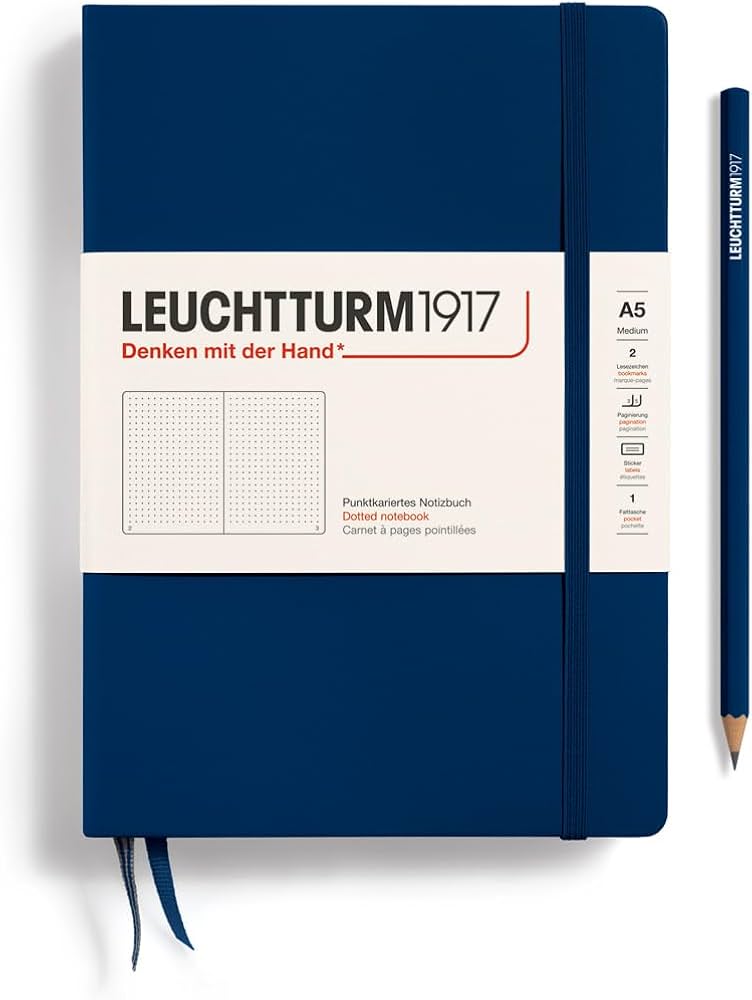
Leuchtturm1917 A5 Dotted Hardcover Notebook
Durable, numbered pages with index for easy milestone tracking; dotted layout ideal for custom templates.
Best for: Daily reflections and visual trackers in abuse recovery journaling.
Price Range: $19.95-$22
The Five Minute Journal by Intelligent Change
Guided prompts build quick habits with gratitude focus, perfect for trauma survivors easing into reflection.
Best for: Short daily entries to log milestones without overwhelm.
Price Range: $28.99
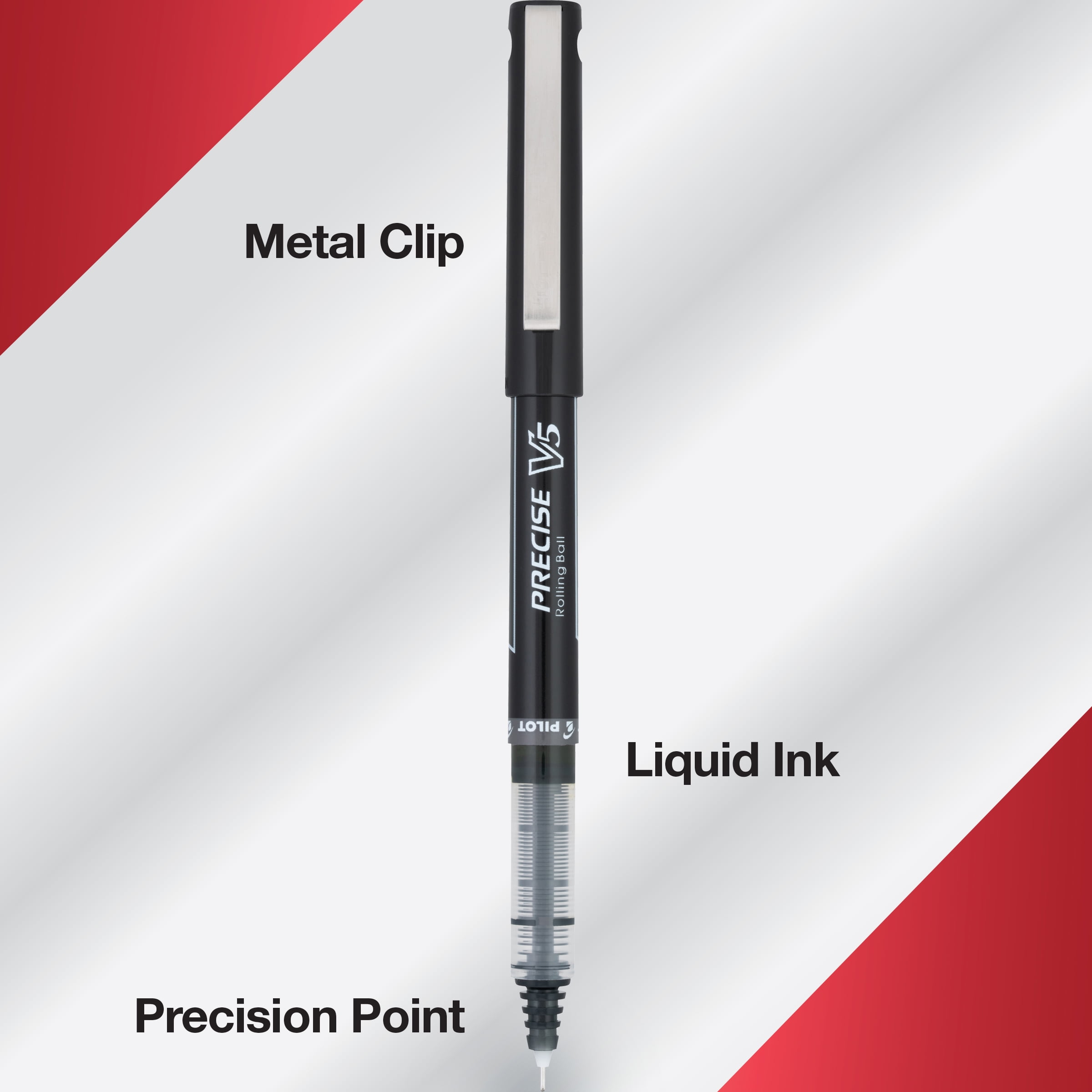
Pilot Precise V5 Extra Fine Tip Rolling Ball Pens (Pack of 7)
Smooth, colorful inks for highlighting milestones; won't bleed through pages.
Best for: Color-coding emotions and achievements for visual progress.
Price Range: $9.48
Writing as a Way of Healing by Louise DeSalvo
Evidence-based guide with prompts for trauma journaling; boosts technique depth.
Best for: Reference for milestone prompts and recovery insights.
Price Range: $14.99
Motivational Stickers for Journals (100-pack)
Fun, affirming stickers to celebrate milestones visually.
Best for: Marking achievements to make journaling rewarding.
Price Range: $7.99