
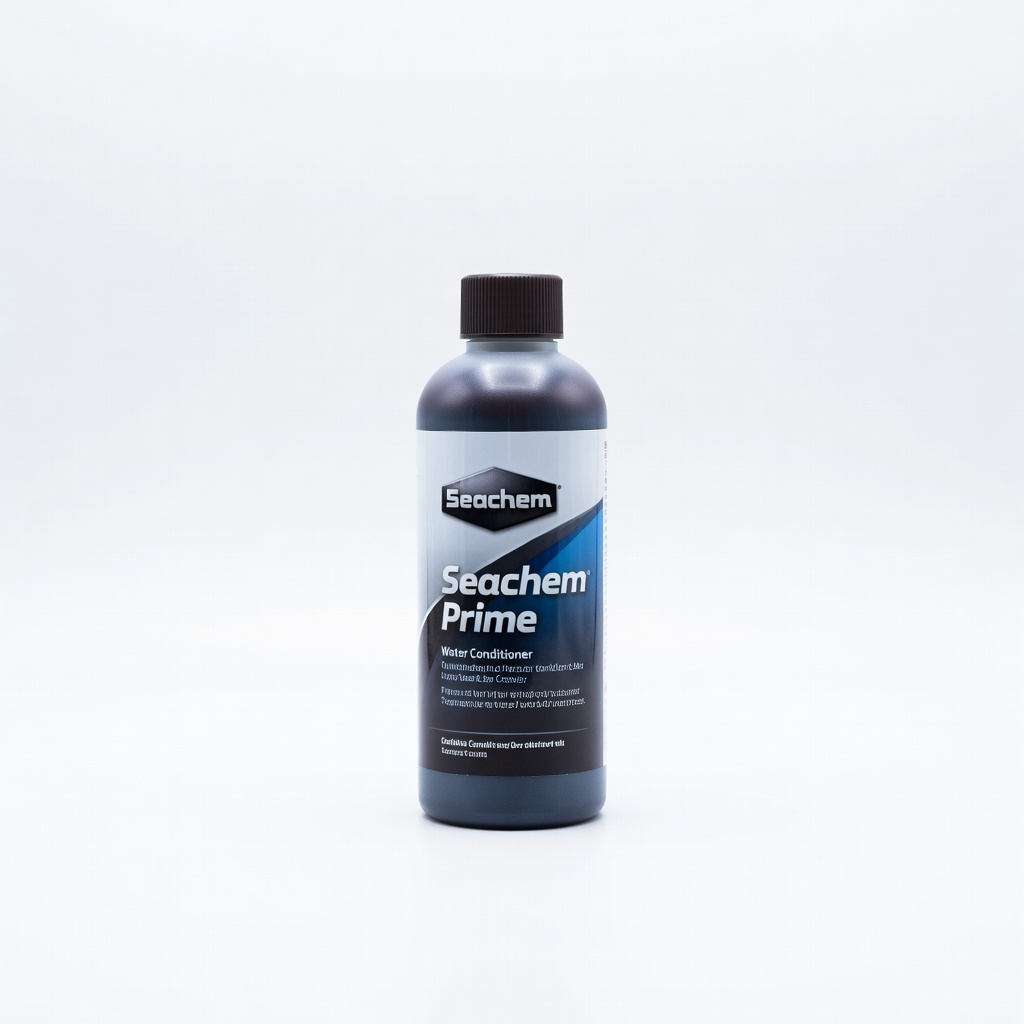
Seachem Prime Water Conditioner
Add to bucket and tank water during/after acclimation.
$14.95 (500mL)
Seachem Prime Water Conditioner Instantly detoxifies ammonia, nitrite, and chlorine while reducing stress—essential for safe water mixing.
Get the App
Better experience on mobile
Master the drip acclimation method to introduce new fish safely, minimizing stress and preventing deaths in your aquarium.
Adding new fish to your aquarium is exciting, but it's also one of the top reasons beginners lose fish. Sudden changes in temperature, pH, or water chemistry cause osmotic shock, leading to stress, disease, or death within hours. Don't let this happen to you—proper acclimation takes just a little extra time but saves lives.
In this guide, you'll learn a proven, beginner-friendly step-by-step process using the drip acclimation method. This technique slowly matches the new fish's water to your tank's parameters over 45-90 minutes. No advanced skills needed; just patience and basic tools. By the end, your new fish will swim happily with zero drama.
Expect 45-90 minutes active time, plus optional quarantine. It's easy, with clear checkpoints for success at each stage.
Estimated Time: 45-90 minutes per batch of fish, plus 2-4 weeks quarantine if using Difficulty: beginner
Before adding fish to your main tank, place them in a separate quarantine tank. This prevents introducing diseases like ich or fin rot, which can wipe out your whole aquarium.
Set up a basic quarantine tank with similar water parameters (match temp, pH). Add a heater, filter, and hiding spots. Treat with a broad-spectrum medication if signs of illness appear. Success looks like: Fish eating normally, no white spots, clamped fins, or lethargy after 14-28 days.
Why it matters: 80% of new fish losses come from hidden pathogens, not water shock.
💡 Tips:
⚠️ Warnings:
Use a test kit to check temperature, pH, ammonia (0 ppm), nitrite (0 ppm), nitrate (<20 ppm), and salinity if applicable.
Record values for new fish bag water and main tank. Differences over 1-2 pH units or 4°F temp are red flags—adjust slowly over days in quarantine if needed. Success: Parameters within 10% match.
Pro tip: Digital testers are faster for beginners.
💡 Tips:
⚠️ Warnings:
Place the sealed bag in your main tank and let it float for 15-20 minutes. This equalizes temperature without mixing water.
Monitor with thermometer: Bag water should match tank within 2°F. Success: No fish gasping or hiding; water temps identical.
Why: Sudden temp drops cause shock, slowing metabolism and inviting disease.
💡 Tips:
⚠️ Warnings:
Pour bag contents (fish + water) into a clean bucket. Set up airline tubing: One end in main tank (siphon or air pump valve for slow drip ~2-4 drops/second), other end in bucket.
Secure tubing high in tank, low in bucket. Test drip rate into bucket—aim for bucket volume to double in 30-60 minutes. Success: Steady drip without flooding.
Alternative: No pump? Use gravity siphon by tying knot in tubing.
💡 Tips:
⚠️ Warnings:
Start drip and monitor. Every 15 minutes, gently stir bucket water to mix. Discard half the water once doubled, resume dripping.
Watch fish: Active swimming, normal breathing = good. Success: Bucket water matches tank parameters (retest if possible).
Why: Gradual mixing prevents pH/osmotic shock over direct dump.
💡 Tips:
⚠️ Warnings:
Use a net to catch fish one-by-one, dipping briefly in dechlorinated tank water to rinse. Release into main tank gently—no pouring.
Discard bucket water down drain (not in tank!). Turn off lights for 1-2 hours. Success: Fish explore without hiding or flashing.
Why: Bag water often has nitrates/ammonia spikes.
💡 Tips:
⚠️ Warnings:
Observe behavior: Eating, schooling, no rapid gill movement. Test water daily. Feed lightly first day.
Success: Fish integrate seamlessly, colors brighten. If stress signs, add stress coat.
Why: Early detection prevents outbreaks.
💡 Tips:
⚠️ Warnings:
Problem: Fish gasping or hiding after addition
Solution: Check oxygen/aeration, add airline stone. Perform 25% water change with conditioner. Monitor ammonia.
Problem: White spots or fin rot appear
Solution: Return to quarantine, treat with ich medication like Ich-X. Isolate aggressively.
Problem: Drip too slow/fast
Solution: Adjust valve or knot tubing. Aim for 1-2 hours total for safety.
Problem: Aggression from tank mates
Solution: Rearrange decor for territories. Add more hiding spots. Remove worst offenders.
Instantly detoxifies ammonia, nitrite, and chlorine while reducing stress—essential for safe water mixing.
Best for: Add to bucket and tank water during/after acclimation.
Price Range: $14.95 (500mL)
Replaces slime coat lost in transport, promotes healing and reduces osmoregulatory stress.
Best for: Dose in quarantine and post-addition dip.
Price Range: $8.49 (16 oz)
Accurate, wireless temp monitoring for bag and tank—prevents thermal shock.
Best for: Clip to bag during floating step.
Price Range: $9.99
Comprehensive testing for pH, ammonia, nitrite—ensures parameter matches.
Best for: Test before and after every addition.
Price Range: $29.99
Reliable slow drip setup for precise acclimation without flooding.
Best for: Connect to airline for drip method.
Price Range: $12.99
Add to bucket and tank water during/after acclimation.
Seachem Prime Water Conditioner Instantly detoxifies ammonia, nitrite, and chlorine while reducing stress—essential for safe water mixing.
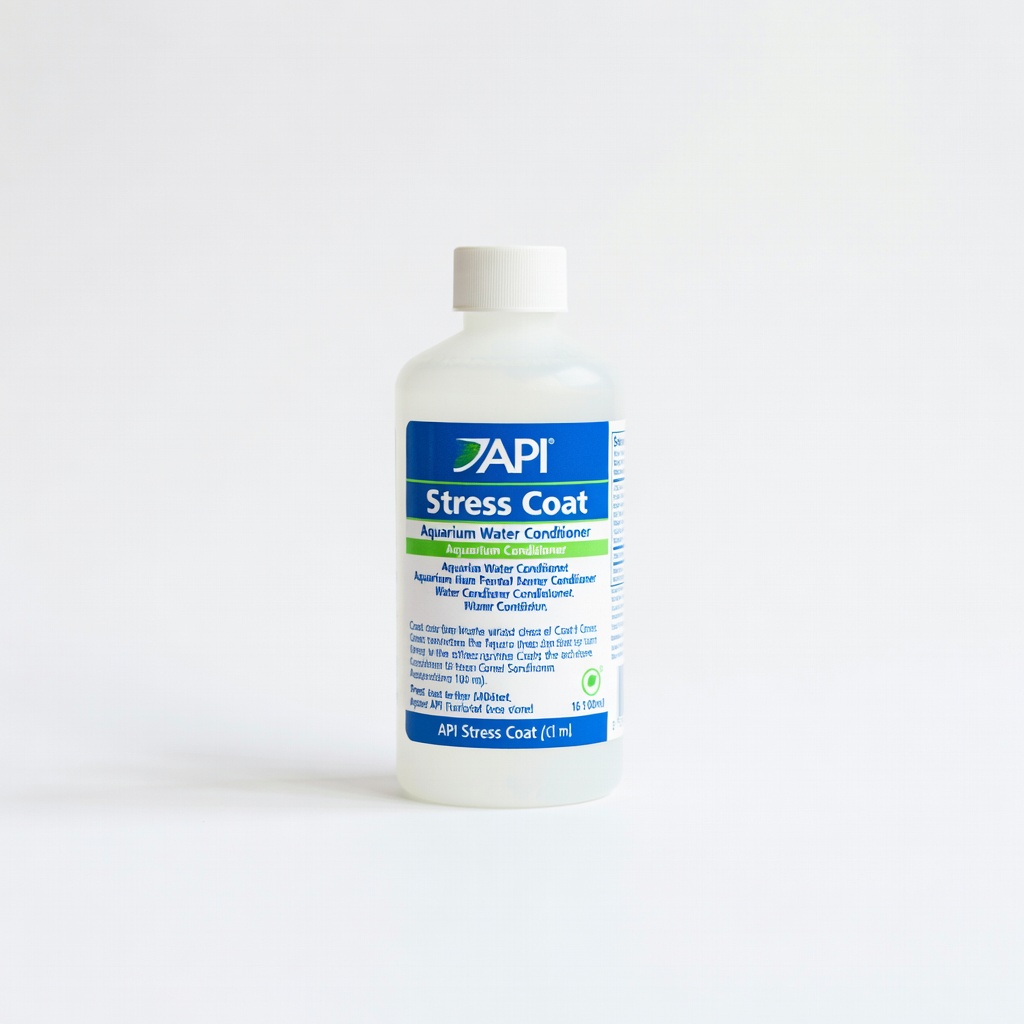
Dose in quarantine and post-addition dip.
API Stress Coat Replaces slime coat lost in transport, promotes healing and reduces osmoregulatory stress.
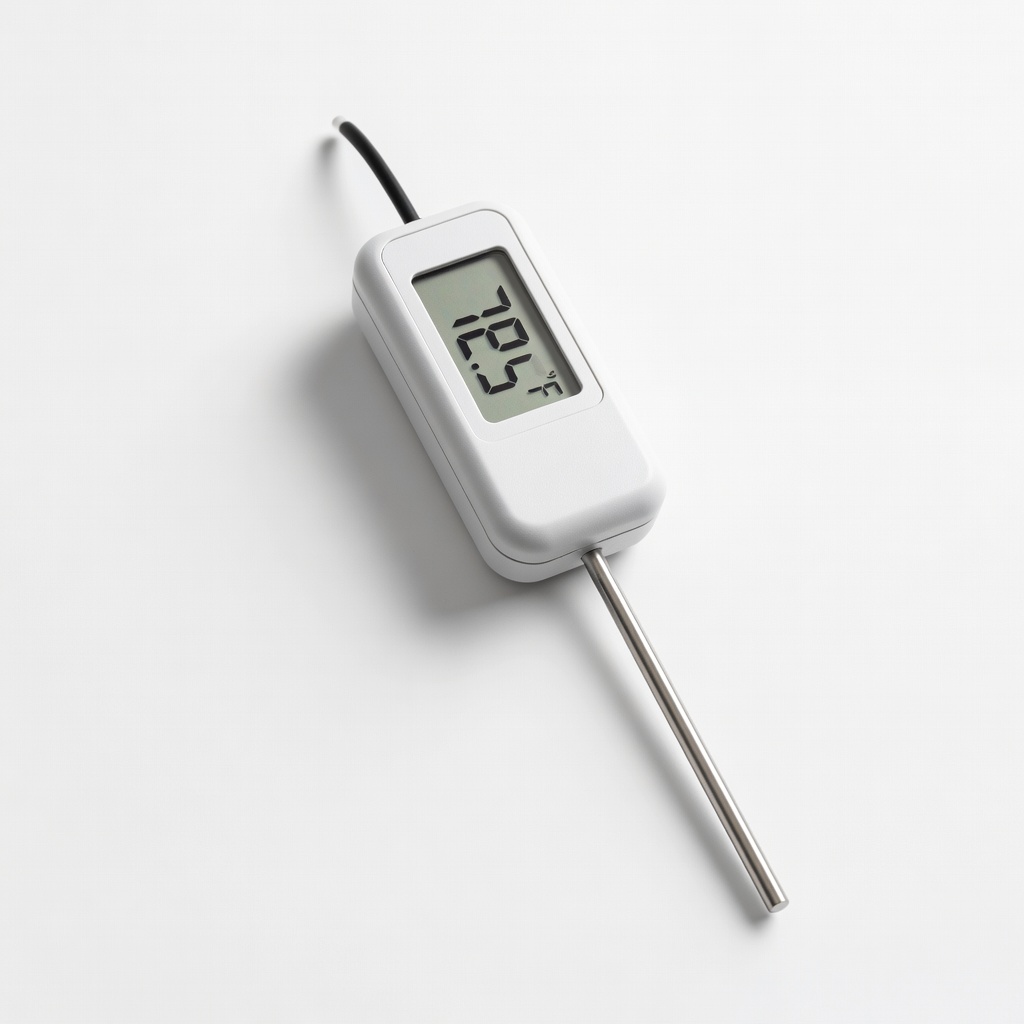
Clip to bag during floating step.
Hygger Digital Aquarium Thermometer Accurate, wireless temp monitoring for bag and tank—prevents thermal shock.
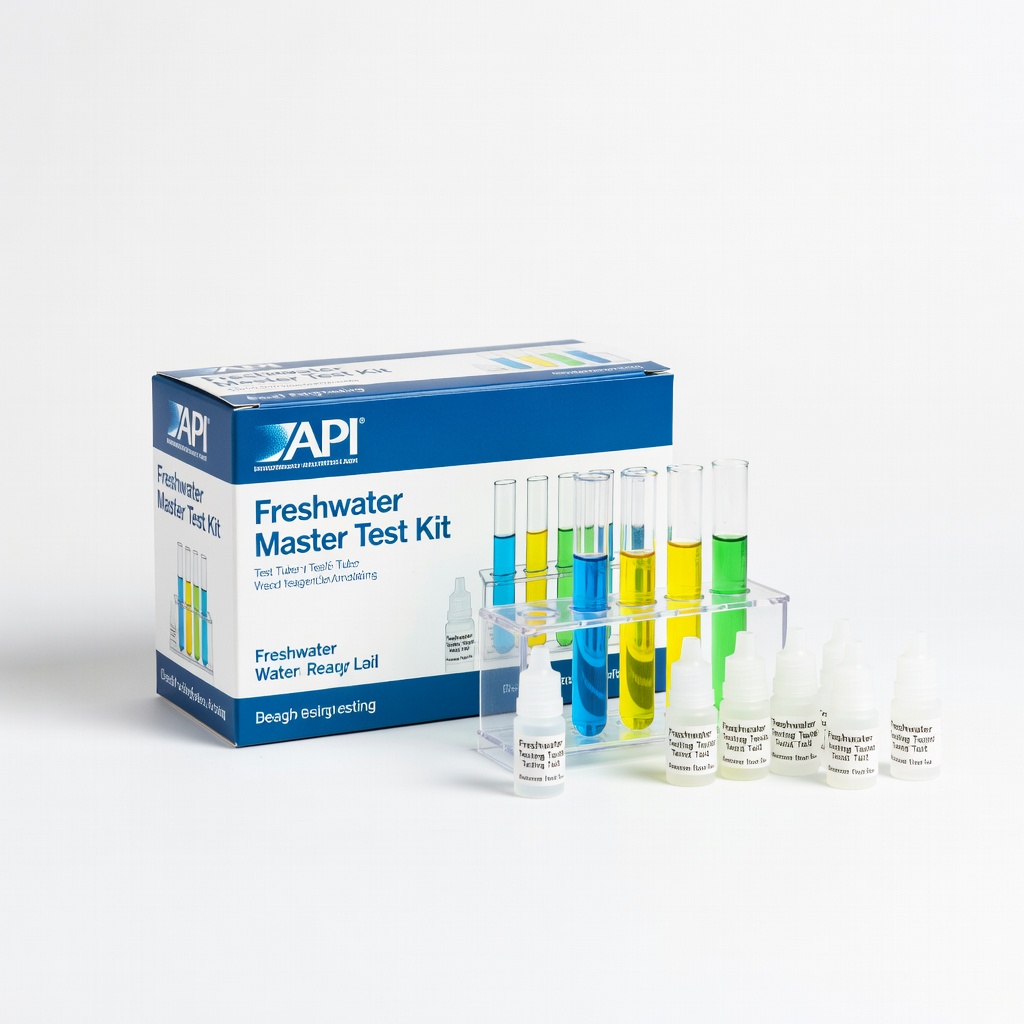
Test before and after every addition.
API Freshwater Master Test Kit Comprehensive testing for pH, ammonia, nitrite—ensures parameter matches.
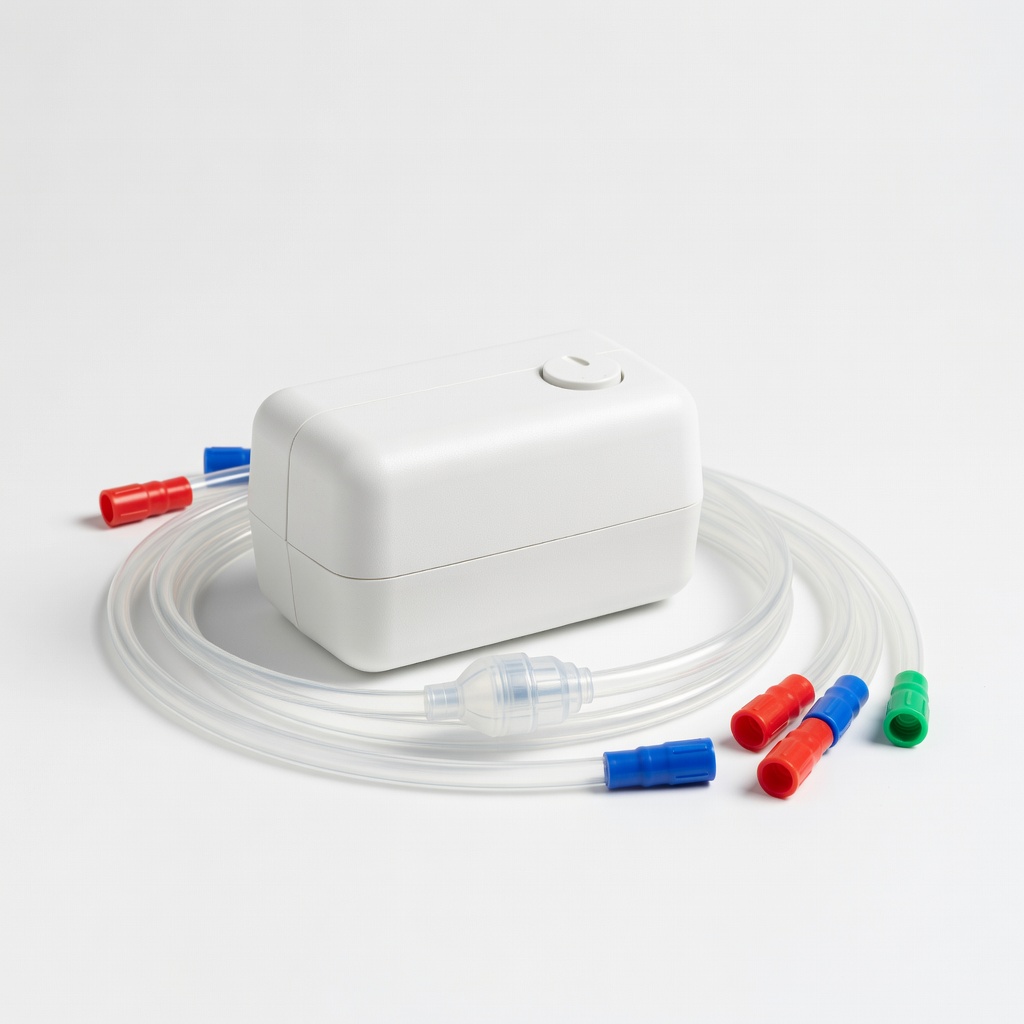
Connect to airline for drip method.
Penn-Plax Air Pump with Tubing Kit Reliable slow drip setup for precise acclimation without flooding.