Adding new fish to an established aquarium is exciting but risky—many beginners face issues like sudden deaths, fights, or disease outbreaks due to improper introduction. Without the right steps, your new additions can disrupt the tank's delicate balance, harming both old and new residents. This guide addresses that pain point by walking you through a safe, proven process.
You'll learn how to quarantine, acclimate, and monitor new fish to ensure a smooth transition. The process focuses on matching water conditions, reducing stress, and observing behavior. By the end, you'll have a harmonious tank with healthy fish.
Expect this to take 1-2 hours of active time, plus a few days of observation. It's beginner-friendly, requiring basic supplies and no advanced skills—just patience and attention to detail.
▸What You'll Need
- •Established aquarium with stable parameters (tested pH, ammonia, nitrite, nitrate)
- •New fish in a bag from the store
- •Aquarium net
- •Clean 5-gallon bucket or container
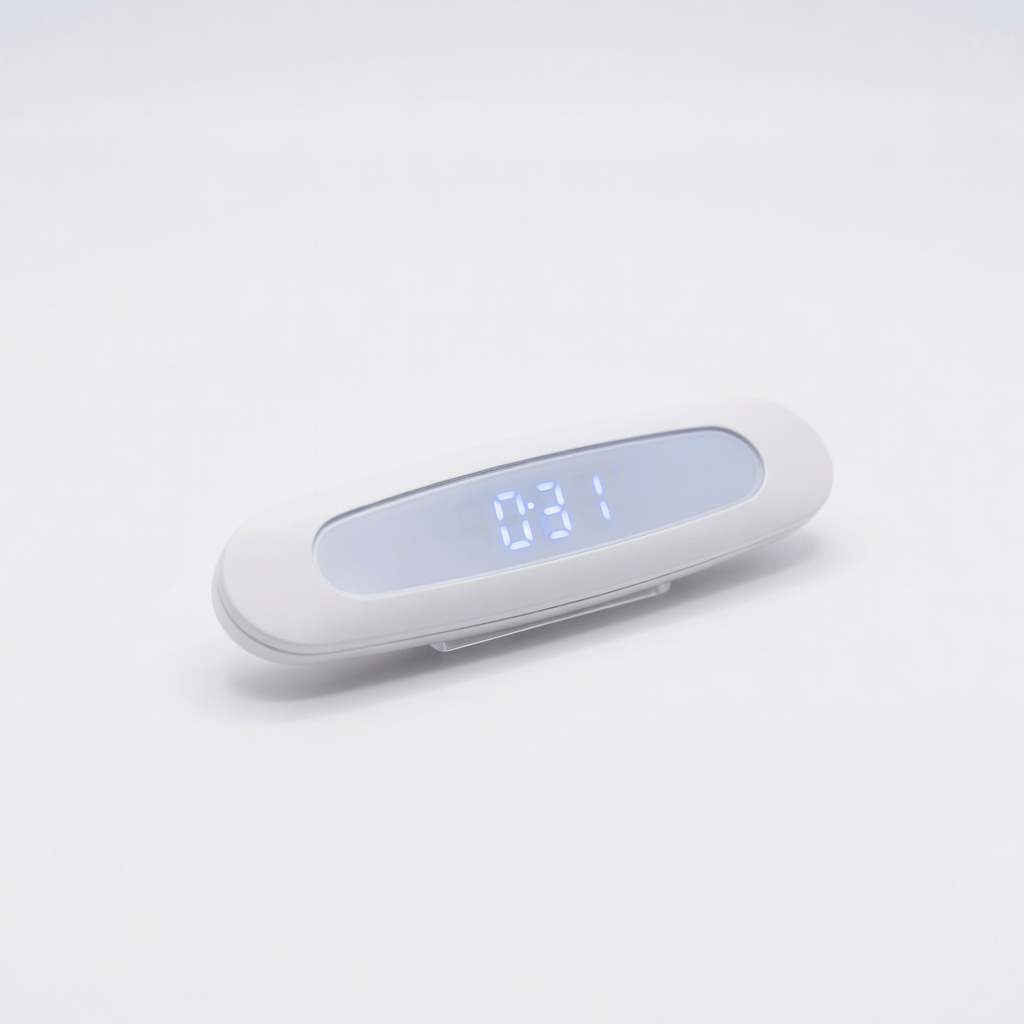
- •Thermometer (digital preferred)
- •Airline tubing and air pump for drip acclimation (or turkey baster for small volumes)
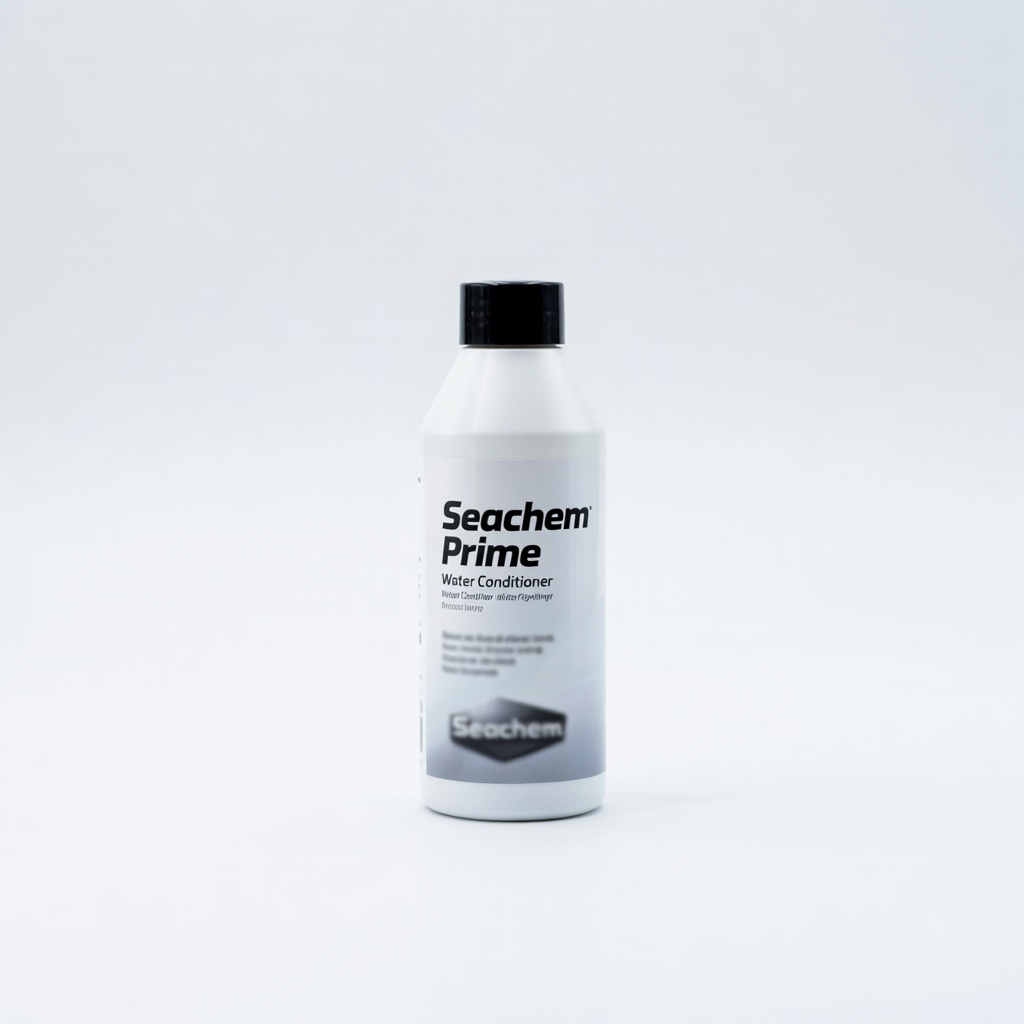
- •Water conditioner (dechlorinator like Seachem Prime)
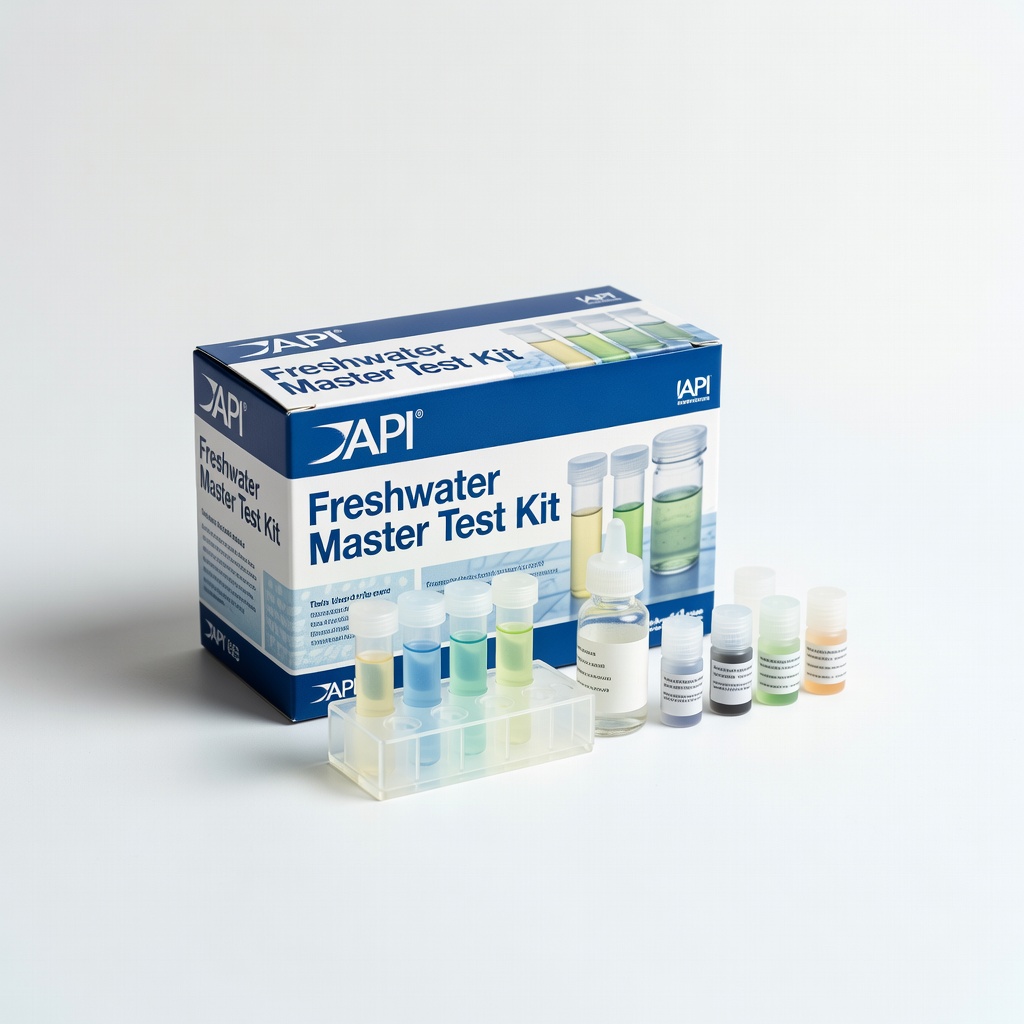
- •Test kit for water parameters (e.g., API Freshwater Master Test Kit)
- •Optional: Quarantine tank (10-20 gallons with heater and filter)
- •Optional: Gravel vacuum for water changes
Estimated Time: 1-2 hours active time, plus 2-4 weeks quarantine if using one
Difficulty: beginner
▸Step-by-Step Instructions
Step 1: Set Up a Quarantine Tank
Before bringing new fish home, prepare a quarantine tank to isolate them and check for diseases. This prevents introducing illnesses like ich or fin rot to your main tank. Fill a 10-20 gallon tank with dechlorinated water matching your main tank's temperature (around 75-80°F for most tropical fish) and treat it with a water conditioner.
Install a sponge filter or hang-on-back filter to keep water clean without strong currents that stress fish. Add a heater to maintain stable temperature and a light on a gentle cycle. This setup mimics the main tank but keeps newcomers separate.
Success looks like clear, stable water with no ammonia spikes—test daily. Quarantine for 2-4 weeks, feeding sparingly and monitoring for signs of illness like lethargy or white spots.
💡 Tips:
- •Use established media from your main filter to speed up beneficial bacteria growth.
- •Dim the lights to reduce stress during the first few days.
⚠️ Warnings:
- •Never skip quarantine for high-risk fish like goldfish or wild-caught species—diseases spread fast.
Step 2: Transport and Initial Inspection
When picking up your new fish, ensure the bag is sealed and transport it quickly to minimize stress. At home, float the unopened bag in the quarantine tank for 15-20 minutes to equalize temperature. This prevents thermal shock, which can weaken fish immune systems.
Gently open the bag and inspect the fish for injuries, parasites, or abnormal behavior. If they look healthy (active, normal breathing, no spots), proceed; otherwise, consult a vet or return them.
What to expect: Fish may be sluggish from transport but should perk up. Success is calm fish ready for acclimation without immediate distress.
💡 Tips:
- •Dim room lights during inspection to avoid startling the fish.
- •Have a backup plan like a fish store return if issues are spotted early.
⚠️ Warnings:
- •Avoid direct sunlight or car heaters during transport—keep bags in a dark, stable cooler.
Step 3: Acclimate with the Drip Method
Acclimation matches the new fish's water to your tank's parameters (pH, salinity, etc.) gradually. Use airline tubing connected to an air pump to create a siphon drip from the quarantine tank into the bag at 2-4 drops per second. Start with 1/4 cup of tank water added to the bag every 5-10 minutes until the bag volume doubles.
This slow process prevents osmotic shock from sudden changes, which can cause organ damage. Monitor temperature and add more water as needed—aim for 45-60 minutes total.
Success: Fish swimming normally in balanced water; test parameters to confirm they're close (within 0.3 pH units).
💡 Tips:
- •For small fish or few numbers, a turkey baster works instead of tubing for manual additions.
- •Label the tubing to avoid confusion with other equipment.
⚠️ Warnings:
- •Don't dump bag water directly—it's often treated differently and can introduce contaminants.
Step 4: Release into Quarantine
Once acclimated, use a net to gently transfer fish from the bag to the quarantine tank, avoiding pouring in store water. Discard the bag water safely outside to prevent introducing pathogens.
Turn off lights and filters briefly during transfer to reduce stress. Restart equipment slowly and observe from afar.
Expect some hiding or darting as they adjust—healthy fish will explore within hours. This step ensures they're in clean, compatible water without shock.
💡 Tips:
- •Net multiple times if needed to catch all fish without chasing.
- •Add hiding spots like plants or caves for security.
⚠️ Warnings:
- •Handle fish minimally—nets can injure fins if used roughly.
Step 5: Monitor During Quarantine
Over 2-4 weeks, daily check water parameters (ammonia 0 ppm, nitrite 0 ppm, nitrate <20 ppm) and fish health. Feed small amounts 1-2 times daily, removing uneaten food to avoid fouling water.
Look for disease signs: clamped fins, flashing (rubbing on objects), or spots. Treat promptly with medications like ich meds if needed, following instructions.
Success: Stable parameters and active, eating fish by week 2, indicating they're disease-free and ready for the main tank.
💡 Tips:
- •Perform 25% water changes weekly with matched, dechlorinated water.
- •Keep a log of observations for patterns.
⚠️ Warnings:
- •Overfeeding causes ammonia spikes—feed what they eat in 2 minutes.
Step 6: Prepare Main Tank
A day before transfer, test main tank parameters and do a 20-25% water change to refresh it. Ensure filtration is strong and hiding spots are available to reduce aggression from residents.
Turn off lights to calm the tank. This preps a welcoming environment without sudden changes.
Expect residents to be curious but not overly territorial if the tank is well-established.
💡 Tips:
- •Add Indian almond leaves for natural tannins that soothe fish.
- •Rearrange decor slightly to reset territories.
⚠️ Warnings:
- •Don't overcrowd—follow the 1 inch per gallon rule loosely, considering bioload.
Step 7: Introduce to Main Tank
Repeat the drip acclimation in a bucket: float, add tank water gradually over 30-45 minutes. Net fish directly into the main tank at night or with lights off to minimize confrontation.
Feed residents lightly beforehand to distract them. Turn lights on slowly after 30 minutes.
Success: New fish hiding initially but integrating within days, with no chasing or injury.
💡 Tips:
- •Introduce in small groups over weeks to ease dynamics.
- •Use a mirror temporarily to redirect aggression if needed.
⚠️ Warnings:
- •Separate aggressive species like bettas beforehand.
Step 8: Observe and Maintain
Monitor for 1-2 weeks: watch for bullying, stress (hiding, not eating), or illness. Test water twice weekly and do partial changes as needed.
If issues arise, remove new fish back to quarantine. Adjust feeding and provide more cover if aggression occurs.
Success: All fish schooling or interacting peacefully, with stable parameters—a thriving community.
💡 Tips:
- •Increase aeration if oxygen levels drop from added bioload.
- •Document behaviors to track improvements.
⚠️ Warnings:
- •Ignore early minor nipping—true problems show in injuries or weight loss.
▸Pro Tips
- •Always match temperature first—it's the biggest shock factor.
- •Use black-out periods (cover tank) for 24 hours post-introduction to ease stress.
- •Choose compatible species: research fin-nippers vs. peaceful swimmers.
- •Add electrolytes or stress coat to water during acclimation for extra protection.
- •Start with hardy beginners like neon tetras to build confidence.
- •Time introductions after lights-out for natural cover.
- •Keep records of tank parameters pre- and post-addition for troubleshooting.
▸Common Mistakes to Avoid
- •Skipping quarantine: Leads to tank-wide diseases; always isolate for 2+ weeks.
- •Rushing acclimation: Causes shock and death; take at least 30 minutes minimum.
- •Ignoring water parameters: Mismatches spike stress hormones; test everything.
- •Overstocking immediately: Overloads filtration; add one species at a time.
- •Direct dumping: Introduces store chemicals; always net and drip acclimate.
▸Troubleshooting
Problem: New fish being attacked by residents
Solution: Add more hiding spots and introduce at night; separate if injuries occur. Reassess compatibility.
Problem: Sudden fish deaths after introduction
Solution: Test for ammonia/nitrite spikes and do water changes; check for hidden diseases from poor quarantine.
Problem: Cloudy water or algae bloom
Solution: Reduce feeding and increase water changes; ensure strong filtration and avoid overlighting.
Problem: New fish not eating
Solution: Give 2-3 days to adjust; offer varied foods like live brine shrimp. If persists, check for illness.
API Freshwater Master Test Kit
Essential for monitoring water parameters like pH, ammonia, and nitrite to ensure safe conditions during quarantine and introduction.
Best for: Use daily in quarantine and weekly in main tank to catch imbalances early.
Price Range: $28-$35
Seachem Prime Water Conditioner
Removes chlorine, detoxifies ammonia, and reduces stress—key for safe water changes and acclimation.
Best for: Add to all new water sources before adding to tank or bag.
Price Range: $10-$15
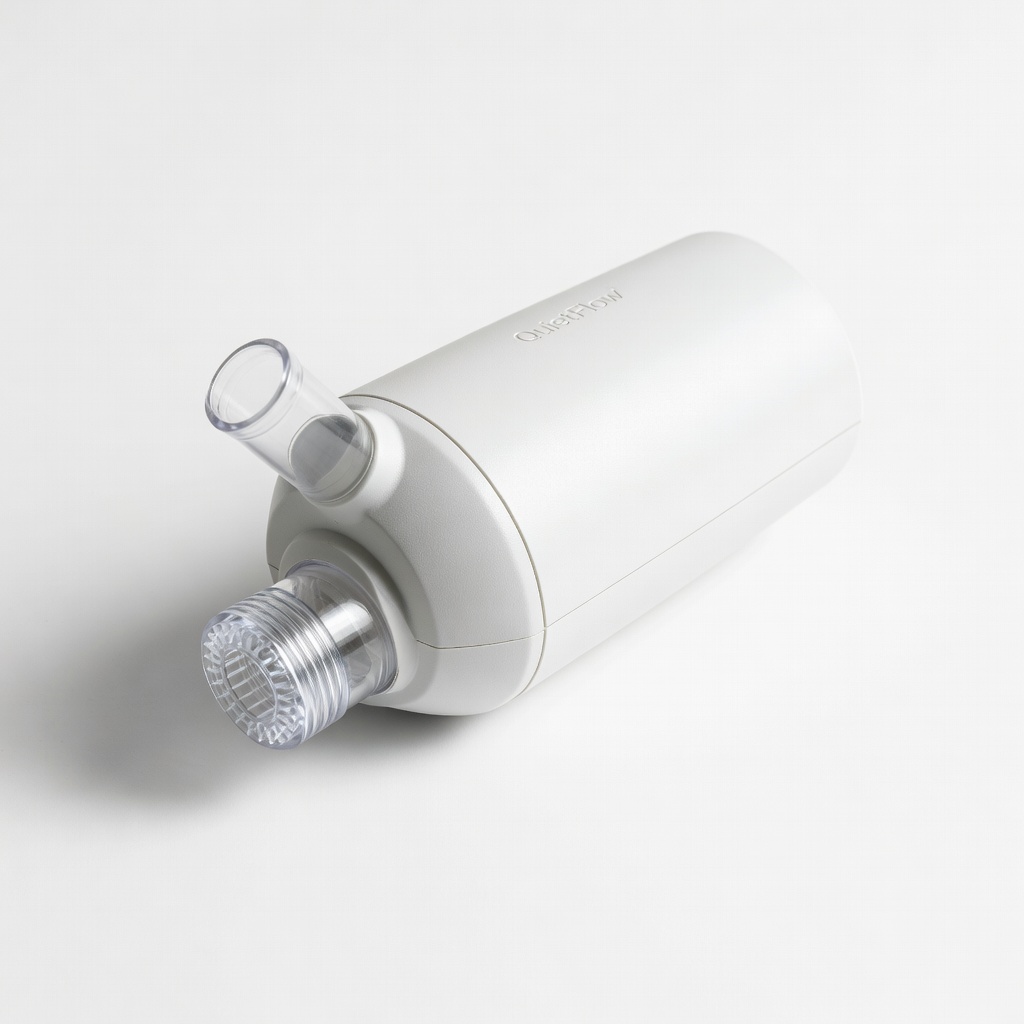
Aqueon QuietFlow Internal Power Filter
Provides gentle filtration for quarantine tanks without overwhelming small fish; easy for beginners.
Best for: Install in 10-20 gallon quarantine to maintain clean water.
Price Range: $15-$20
Top Fin LED Aquarium Thermometer
Accurate digital reading to match temperatures precisely, preventing shock.
Best for: Float in bag and tank during acclimation.
Price Range: $5-$10
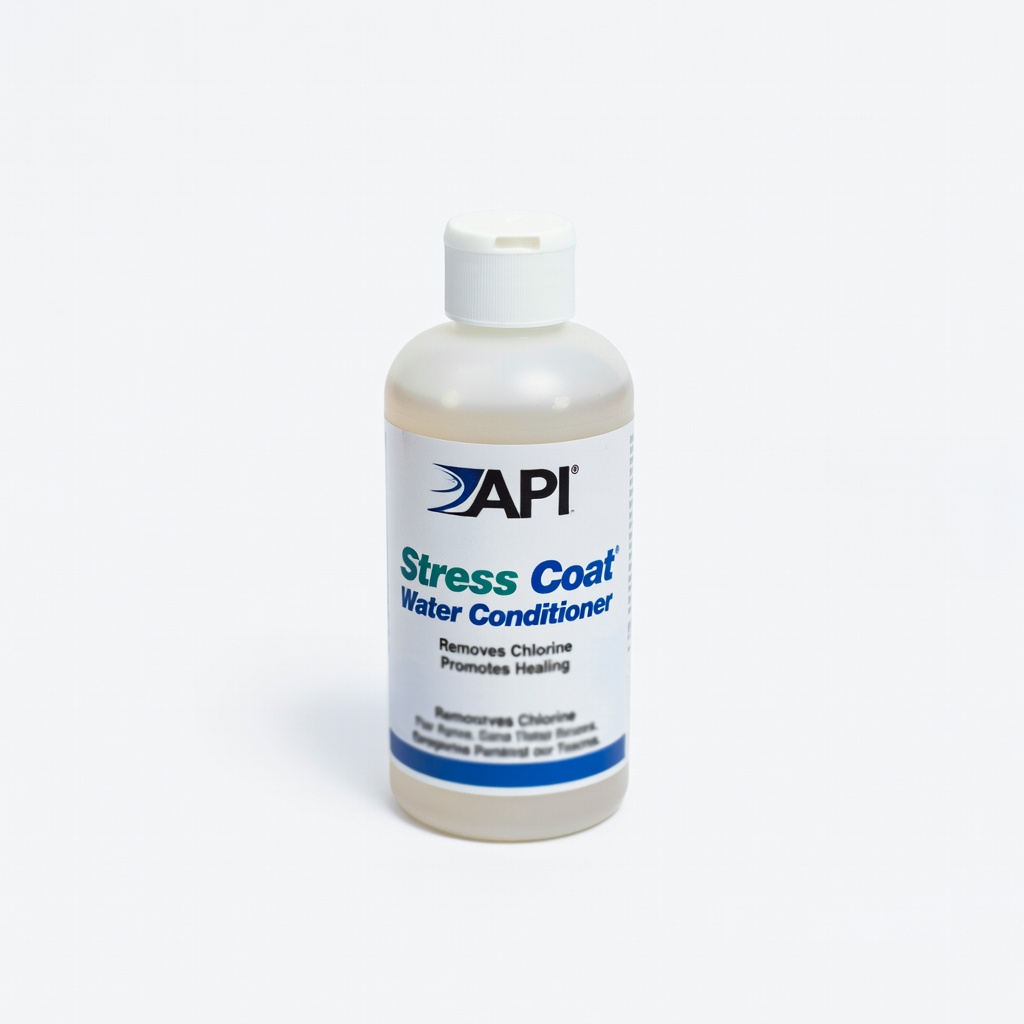
API Stress Coat Water Conditioner
Forms a protective slime coat on fish during transport and introduction, aiding healing.
Best for: Dose in acclimation water for extra stress relief.
Price Range: $8-$12