Intonation issues on acoustic-electric guitars can ruin your sound—whether unplugged or through an amp—causing sharp or flat notes that throw off chords and solos. For advanced players tired of paying luthier fees, setting intonation at home delivers pro-level accuracy. This guide focuses on the bridge saddle adjustments unique to acoustics, plus piezo pickup verification.
You'll learn to diagnose intonation problems using harmonics and fretted notes, precisely file the saddle for compensation, and test both acoustic and electric outputs. Expect precise measurements and iterative filing—perfect for those with setup experience.
Total process takes 2-3 hours initially, less for tweaks. It's advanced: requires steady hands, patience, and basic lutherie knowledge. Success means every string plays true from open to high frets.
▸What You'll Need
- •Clip-on chromatic tuner (highly accurate, e.g., with strobe or polyphonic modes)
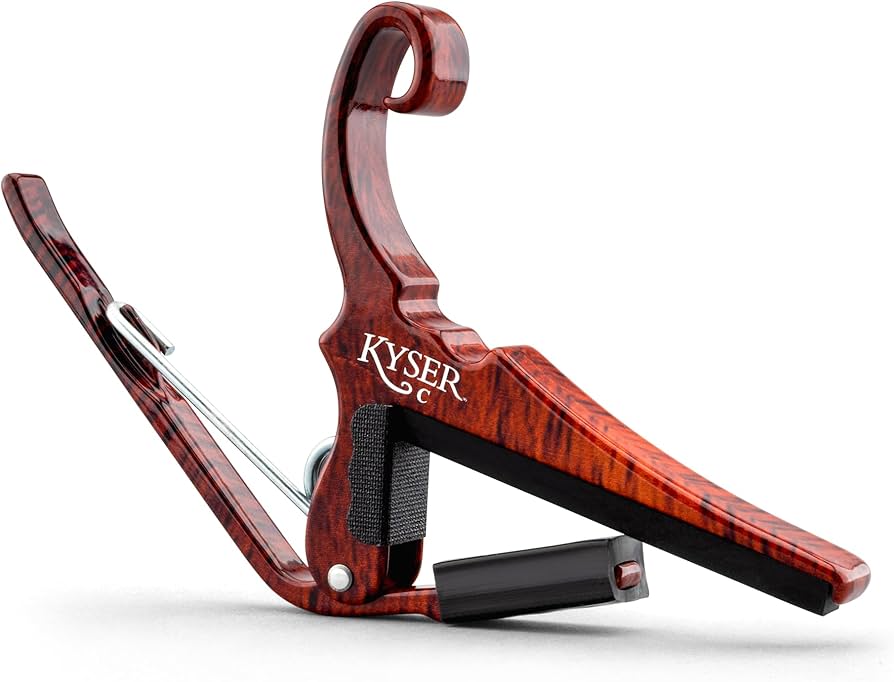
- •Kyser-style quick-change capo
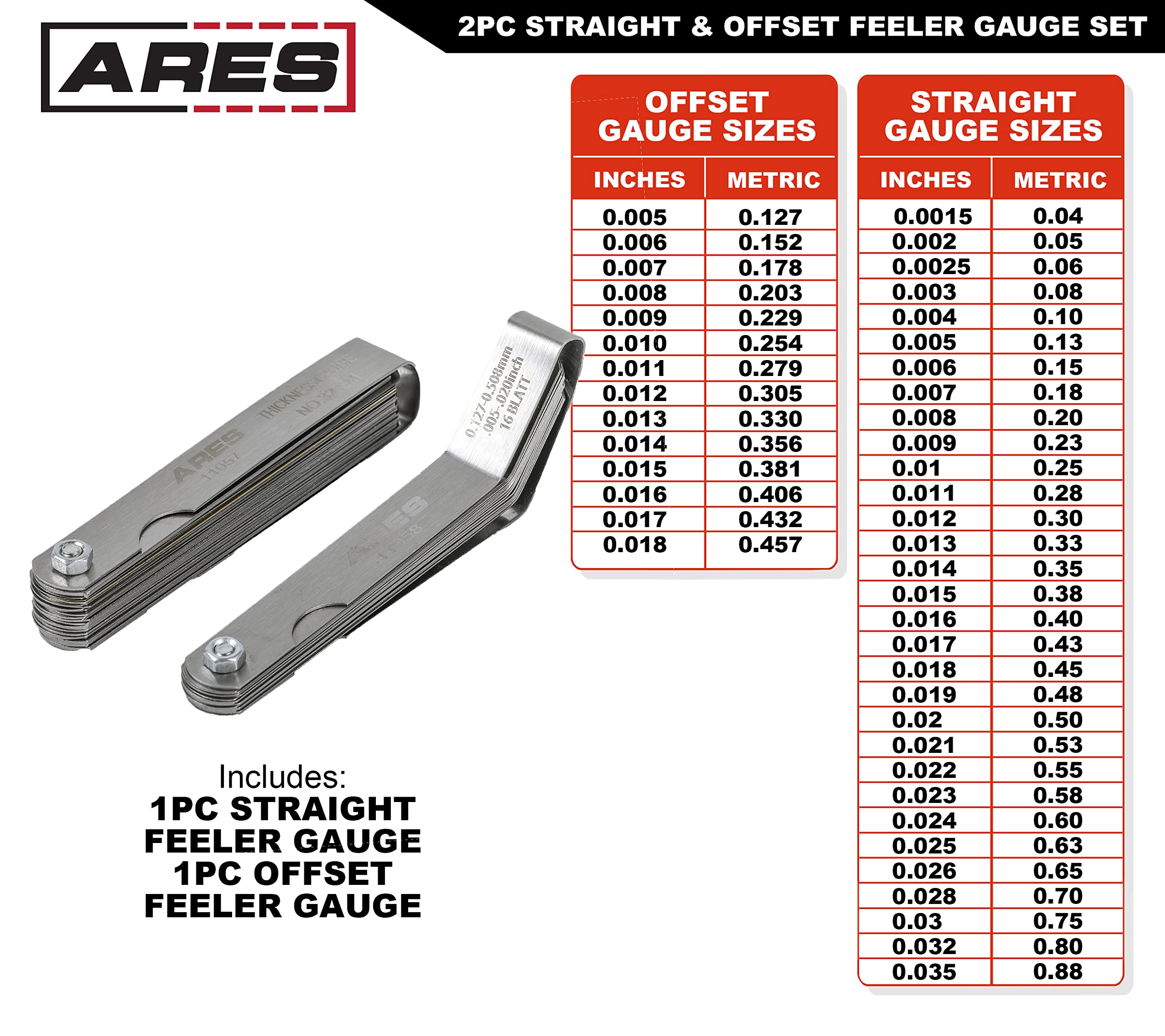
- •Precision feeler gauge set (0.001-0.020 inch blades)
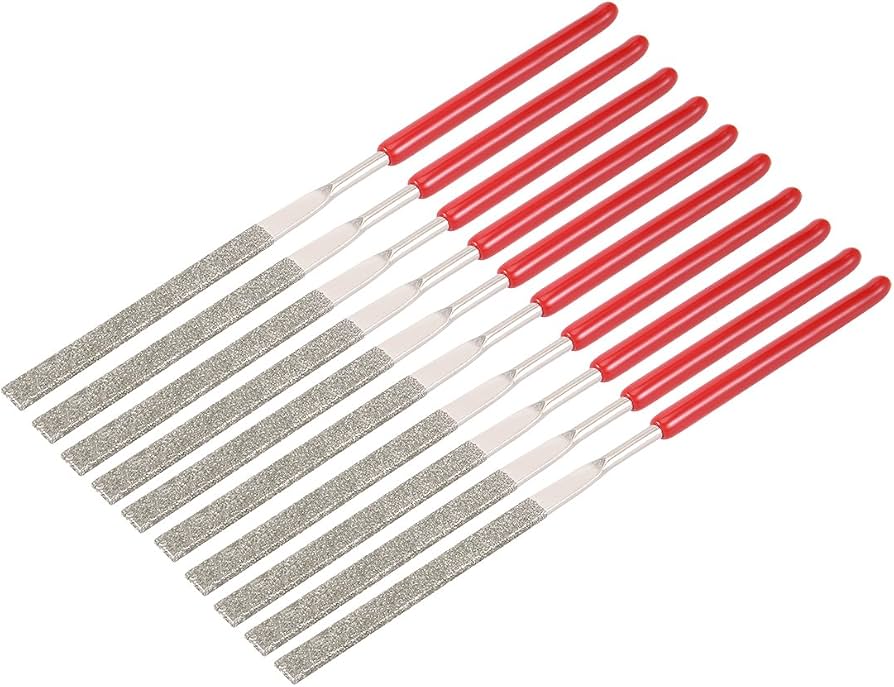
- •Diamond needle file set (fine grit, 3-cornered or round for saddle work)
- •Ruler or intonation gauge (12-inch steel ruler with fine markings)
- •Masking tape and fine-tip marker
- •Fresh set of strings (matched to your guitar's scale length)
- •Magnifying glass or head loupe (optional but recommended)
- •Soft cloth and guitar polish for cleanup
- •Screwdriver set (for truss rod if needed during setup)
Estimated Time: 2-3 hours (plus string settling time)
Difficulty: advanced
▸Step-by-Step Instructions
Step 1: Install Fresh Strings and Initial Tune-Up
Start with new strings to eliminate variables from old, stretched ones. Choose phosphor bronze or 80/20 bronze strings gauged for your guitar (e.g., light .012-.053 for most acoustics).
Stretch strings gently by pulling up from bridge to nut, then tune to standard EADGBE using your chromatic tuner. Let settle for 24 hours if possible, retuning periodically. Check neck relief with capo at 1st fret and fretting at last—slight bow (0.010-0.012 inch at 7th fret) is ideal.
Success looks like: Stable tuning across all strings, no excessive buzzing.
💡 Tips:
- •Use a string winder for speed.
- •Tune slightly flat initially; they'll stretch sharp.
⚠️ Warnings:
- •Avoid over-tightening truss rod—small 1/8 turns only.
Step 2: Check Current Intonation Baseline
Tune open strings perfectly. Play 12th-fret harmonic (lightly touch string over fret, pluck)—note pitch on tuner.
Fret the 12th fret solidly and pluck—compare to harmonic. Repeat for each string. Note: Bass strings (E,A,D) often sharp (need more compensation); trebles flat (less needed).
Success looks like: Notes within 5 cents; document deviations (e.g., 'Low E +15 cents').
Capo at 1st fret, retune to harmonic at 12th, then check fretted 12th for precision.
💡 Tips:
- •Use polyphonic tuner for simultaneous strings.
- •Record audio clips for reference.
⚠️ Warnings:
- •Dirty frets or action issues mimic intonation—fix first.
Step 3: Measure Scale Length and Saddle Position
Measure nut-to-12th fret (double for full scale, e.g., 25.4 inches for Martin dreadnought). Measure 12th fret to saddle crown—should match nut-12th.
Use feeler gauge under strings at saddle for height (bass ~3/32 inch, treble 2/32). Mark saddle back edge with marker where string contacts.
Success looks like: Precise measurements confirming need (e.g., bass side needs 1/32 inch more length).
💡 Tips:
- •Double-check scale length from manufacturer specs.
Step 4: Tape and Mark Saddle for Safe Filing
Apply masking tape over saddle, mark string slots deeply. This protects finish and guides filing.
Remove saddle if possible (some acoustics glue—work in place). Secure guitar in neck cradle or towel-padded vise.
Success looks like: Clean marks showing exact contact points per string.
⚠️ Warnings:
- •Never file front edge—shortens scale!
Step 5: File Saddle for Compensation
Use 3-cornered diamond file at 3-5 degree angle backward from mark. File bass side more (e.g., 1/64 inch per sharp cent), treble less. File in short strokes, check frequently.
Smooth with finer file or sandpaper (600 grit). Goal: Effective length increase for wound strings.
Success looks like: Saddle tapered rear (bass longest), even bevel.
💡 Tips:
- •File one string at a time, test immediately.
Step 6: Reinstall and Retest Intonation
Reinstall saddle (glue lightly if needed with Titebond). Retune, repeat Steps 2-3.
Iterate filing in tiny increments (1/64 inch max per pass). Capo test simulates higher frets.
Success looks like: All strings within ±3 cents at 12th fret.
💡 Tips:
- •Clean filings immediately to avoid scratches.
⚠️ Warnings:
- •Over-filing unrecoverable—err conservative.
Step 7: Verify Plugged-In Performance
Plug into clean amp or PA. Check intonation via piezo pickup—electronics amplify errors.
Test full fretboard (5th, 12th, 19th frets if present). Adjust if piezo-sensitive.
Success looks like: Clean tones, no wolf notes when amplified.
Step 8: Final Polish and Play-In
Polish saddle with 2000 grit then buff. Play guitar 30+ minutes to settle.
Recheck after 48 hours. Document for future.
Success looks like: Flawless intonation across acoustic/electric use.
💡 Tips:
- •Graphite slots lightly for smooth action.
▸Pro Tips
- •Work in good light with magnifier—precision is key.
- •File at slight angle matching string break angle.
- •Test at multiple frets (3rd, 12th, 17th) for full accuracy.
- •Use app tuners like GuitarTuna Pro for cents display.
- •Heat saddle gently (hairdryer) for easier removal if glued.
- •Batch-file similar strings (wound together).
- •Keep log of before/after measurements.
▸Common Mistakes to Avoid
- •Filing the wrong edge (front instead of back)—permanently ruins intonation; always mark first.
- •Ignoring neck relief or action—masks true intonation; set up fully first.
- •Over-filing in one go—leads to flat notes; increment 1/64 inch max.
- •Using dull files—causes chipping; diamond files only.
- •Skipping plugged-in test—piezo pickups reveal hidden issues.
▸Troubleshooting
Problem: Notes still sharp after filing
Solution: Check neck relief (too straight); loosen truss rod 1/8 turn. Or old frets—consider refret.
Problem: Saddle won't budge
Solution: Warm with hairdryer 1-2 min, wiggle with pliers wrapped in cloth. Use Titebond for reinstall.
Problem: Trebles go flat quickly
Solution: Reduce compensation; trebles need less due to plain strings. Polish slots.
Problem: Amplified wolf tones
Solution: Balance piezo height/sensitivity or add buffer pedal. Seek pro if persistent.
Snark ST-8HZ Super Tight All Instrument Tuner
Ultra-precise strobe and polyphonic modes detect cents accurately for intonation work.
Best for: Clipped on headstock for real-time harmonic/fretted comparisons.
Price Range: $16.99
uxcell 10Pcs Diamond Needle File Set
Fine diamond grit cuts bone/plastic cleanly without clogging, essential for precise saddle bevels.
Best for: 3-cornered file for angled rear filing on bridge saddle.
Price Range: $9.99
Kyser 1120 Quick-Change Capo
Quick application without detuning, perfect for fret-1 intonation checks.
Best for: Capo fret 1 to simulate full fretboard tension.
Price Range: $13.95
ARES 26-Piece Feeler Gauge Set
Metric/imperial blades measure saddle height and gaps precisely.
Best for: Check action at 12th fret and slot depths.
Price Range: $9.99
Elixir Nanoweb Phosphor Bronze Light Acoustic Strings (.012-.053)
Long-lasting, consistent tension ideal for setup; minimizes variables.
Best for: Fresh install before intonation process.
Price Range: $13.99