Homeschooling parents often struggle with keeping kids motivated amid repetitive lessons. Incorporating activities, crafts, and games transforms routine education into exciting adventures, boosting retention, creativity, and family bonding. This guide shows intermediate homeschoolers how to do it effectively without overwhelming your schedule.
You'll learn a proven process to plan, prepare, and execute these elements seamlessly. From aligning with curriculum goals to assessing outcomes, expect a structured approach that's flexible for ages 5-12. Total setup takes 1-2 hours initially, with 30-60 minutes weekly maintenance—perfect for busy families.
By the end, your homeschool day will feel balanced, with 20-30% dedicated to play-based learning that reinforces skills like math, science, and literacy.
▸What You'll Need
- •Homeschool planner or calendar app (required)
- •Basic craft supplies: construction paper, markers, glue sticks, scissors (required)
- •Age-appropriate board games or card games (required, e.g., Connect 4)
- •Recyclable materials like cardboard, bottle caps (optional but free)
- •Storage bins or trays for organization (recommended)
- •Timer or stopwatch for game rotations (optional)
Estimated Time: 1-2 hours initial planning + 30-60 minutes weekly prep and execution
Difficulty: intermediate
▸Step-by-Step Instructions
Step 1: Assess Child's Interests and Needs
Start by observing your child's learning style, strengths, and preferences. Spend a week noting what excites them—drawing, building, or competing? Review your curriculum to identify gaps, like hands-on math or history reenactments.
This step ensures activities enhance learning, not distract. Expect a simple chart: columns for subjects, rows for interests (e.g., 'Science: Experiments via marble runs').
Why it matters: Tailored activities increase engagement by 50%, per homeschool studies.
💡 Tips:
- •Involve kids in brainstorming for buy-in.
- •Use free interest surveys online.
⚠️ Warnings:
- •Avoid assuming preferences—observe first.
Step 2: Align Activities with Learning Goals
Map crafts/games to subjects. For math, use shape-sorting crafts; for history, timeline games. Create a matrix: e.g., 'Fraction Pizza Craft for Math'. Aim for 1-2 per subject weekly.
Success looks like clear ties, e.g., 'Lego Tower for Geometry: Measure heights'. This prevents 'fun for fun's sake'.
Pro insight: Games reinforce without worksheets, ideal for kinesthetic learners.
💡 Tips:
- •Search 'STEM crafts for homeschool' for ideas.
Step 3: Select Age-Appropriate Crafts & Games
Choose 5-7 activities: 2 crafts (e.g., paper mache planets), 2 games (board/card), 1 active (outdoor scavenger hunt). For intermediates (ages 8+), pick challenging ones like logic puzzles.
Test one first: Set up, time it (15-30 min), note engagement. Refine list.
Expect: A balanced mix preventing burnout.
⚠️ Warnings:
- •Skip overly complex for frustration.
Step 4: Build a Weekly Schedule
Block time: 20% of day (e.g., 30 min post-lesson). Monday: Craft; Wednesday: Game. Use planner to slot, e.g., '10 AM Math Game'.
Flex for energy levels—afternoons for active games.
Success: Visual schedule kids can check, reducing 'what's next?' questions.
💡 Tips:
- •Color-code by subject for visual appeal.
Step 5: Gather and Organize Materials
Shop/inventory supplies. Sort into bins: 'Math Crafts', 'Science Games'. Label clearly.
Prep kits ahead: e.g., pre-cut paper for quick starts.
Why: Cuts setup time from 15 to 2 minutes, sustaining momentum.
⚠️ Warnings:
- •Overbuying leads to clutter—start minimal.
Step 6: Introduce and Execute Activities
Demo briefly, then let kids lead. For crafts, guide steps; games, set rules. Rotate roles—you facilitate.
Monitor: Adjust if bored (add twists).
Expect: Laughter, questions tying back to lessons.
💡 Tips:
- •Use timers for fair turns.
Step 7: Debrief and Assess Learning
End with 5-min chat: 'What did you learn?' Journal outcomes, e.g., 'Craft taught fractions better'.
Track progress weekly. Adjust next plan.
Success: Visible skill gains, like improved problem-solving.
Step 8: Rotate and Refresh Your Lineup
Monthly, swap 50% activities. Introduce seasonal themes (e.g., fall leaf crafts).
Reassess interests quarterly.
Why: Prevents staleness, keeps excitement high.
💡 Tips:
- •Reuse supplies creatively.
▸Pro Tips
- •Theme activities monthly (e.g., 'Ocean Week') for cohesion.
- •Incorporate tech sparingly: Apps like Osmo for digital-physical blend.
- •Batch-prep Sundays to save weekdays.
- •Pair siblings: Older helps younger for leadership skills.
- •Outdoor twist: Nature scavenger hunts count as games.
- •Budget hack: DIY with recyclables before buying.
- •Track fun factor: Rate 1-10 post-activity.
▸Common Mistakes to Avoid
- •Over-scheduling: Too many activities overwhelm—limit to 3/week.
- •No curriculum tie-in: Feels like playtime; always link to goals.
- •Ignoring cleanup: Leads to mess burnout—build 5-min tidy rule.
- •One-size-fits-all: Customize per child to avoid disinterest.
- •Neglecting assessment: Misses learning proof—always debrief.
▸Troubleshooting
Problem: Kids lose interest quickly
Solution: Shorten sessions to 15 min, add choices, or gamify with points.
Problem: Too much mess from crafts
Solution: Use trays/newspapers; opt for low-mess alternatives like stickers.
Problem: Activities take too long
Solution: Prep more, set strict timers, simplify instructions.
Problem: Struggling to align with lessons
Solution: Use Pinterest boards for subject-specific ideas; revisit step 2.
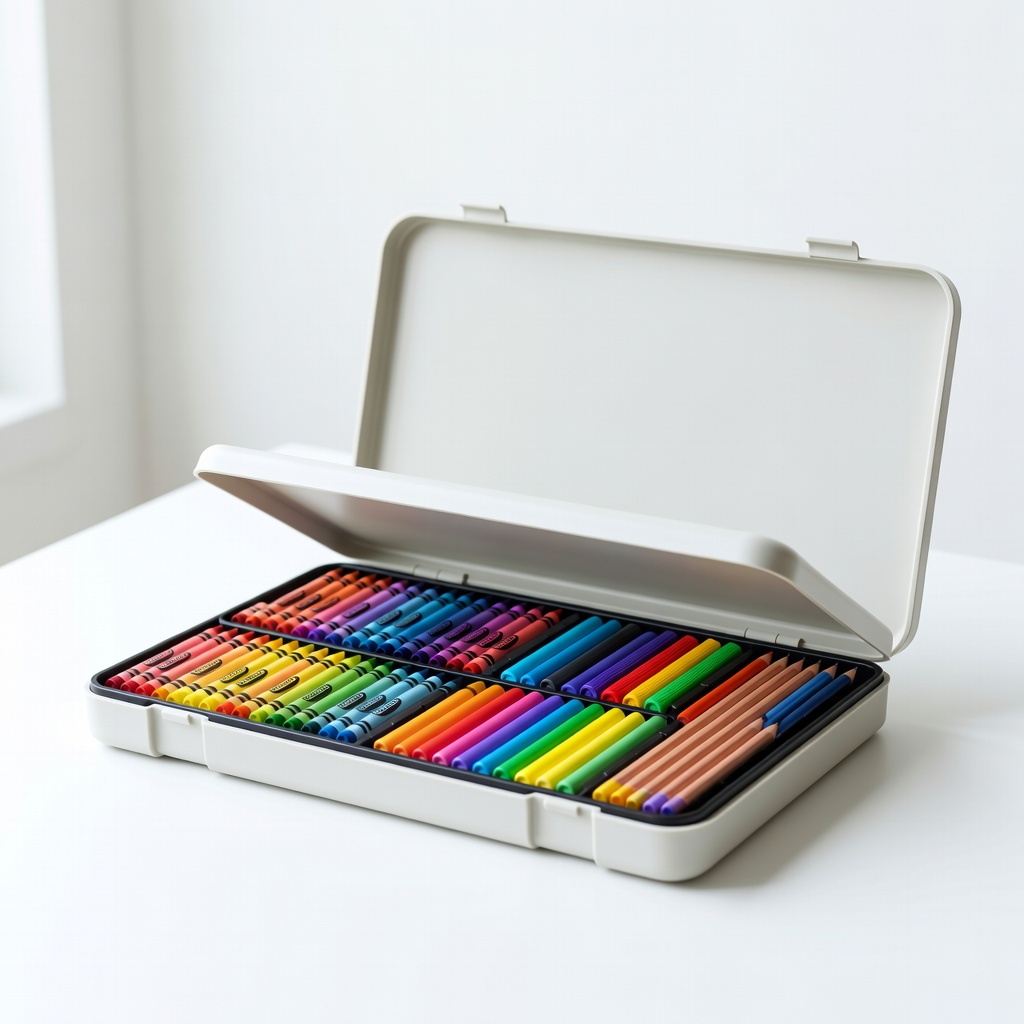
Crayola Inspiration Art Case Coloring Kit, 140 Pieces
All-in-one craft starter with markers, crayons, and paper—versatile for any subject craft.
Best for: Daily drawing/math art or science diagrams; durable for homeschool use.
Price Range: $24.99
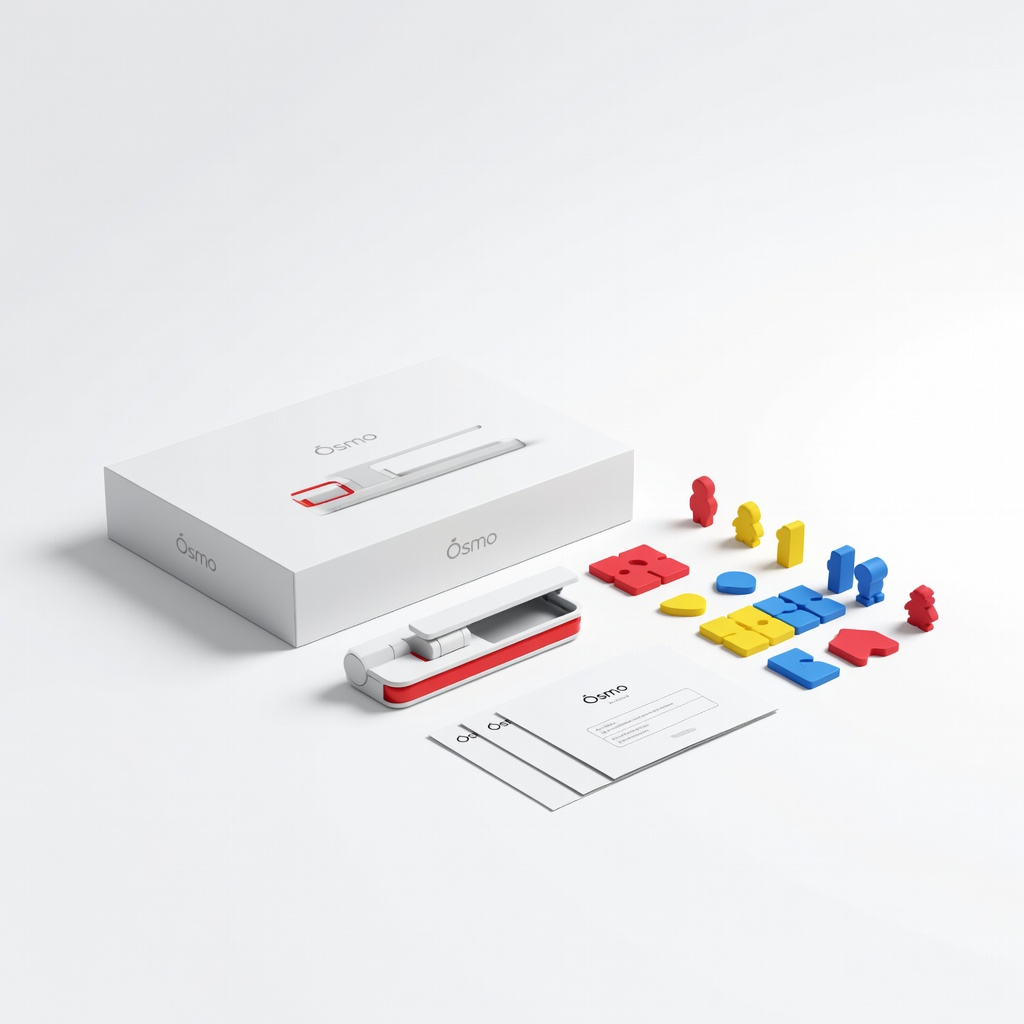
Osmo Genius Starter Kit for iPad
Interactive games blending physical pieces with app for math/words—hands-on without screens dominating.
Best for: 15-min sessions reinforcing spelling or numbers during language arts.
Price Range: $109.99
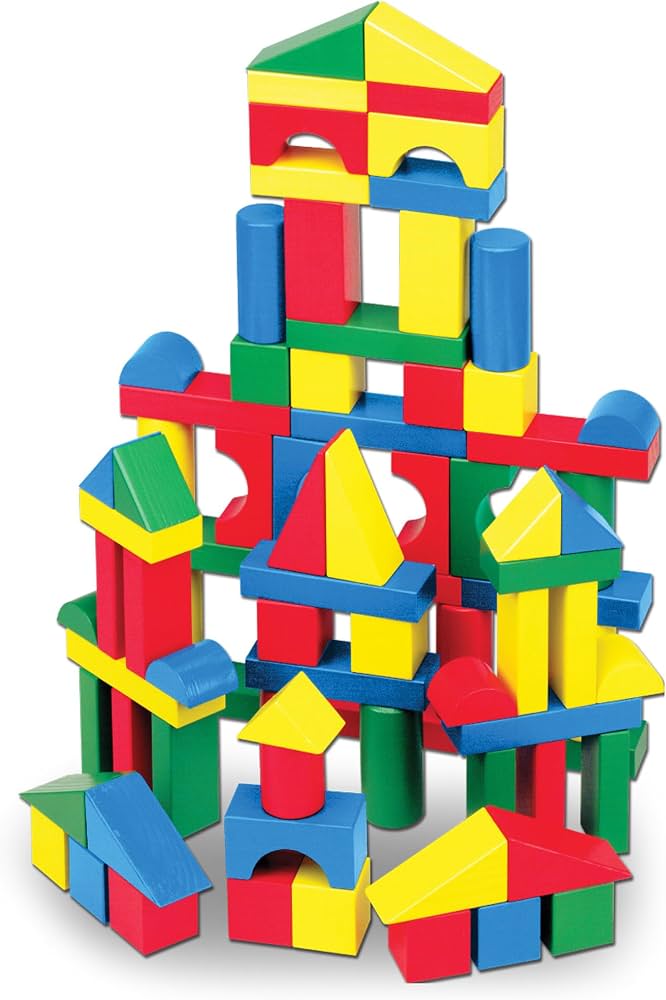
Melissa & Doug Wooden Building Blocks Set
Classic, durable blocks for STEM engineering crafts/games; promotes creativity and physics learning.
Best for: Build structures to teach measurement/geometry; budget-friendly.
Price Range: $19.99
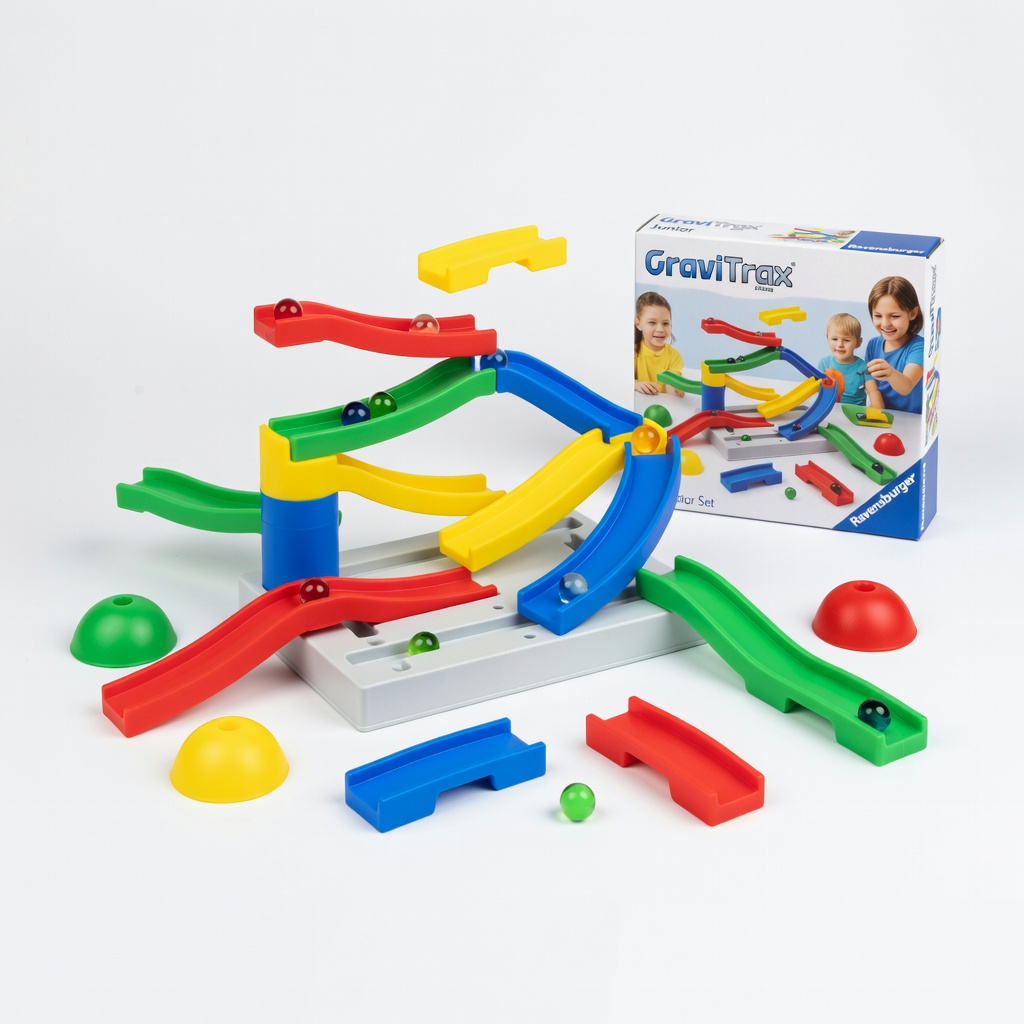
Ravensburger GraviTrax Junior Marble Run Starter Set
Physics-based game for science lessons; expandable for repeated use.
Best for: Gravity experiments during physics week; engages multiple kids.
Price Range: $39.99
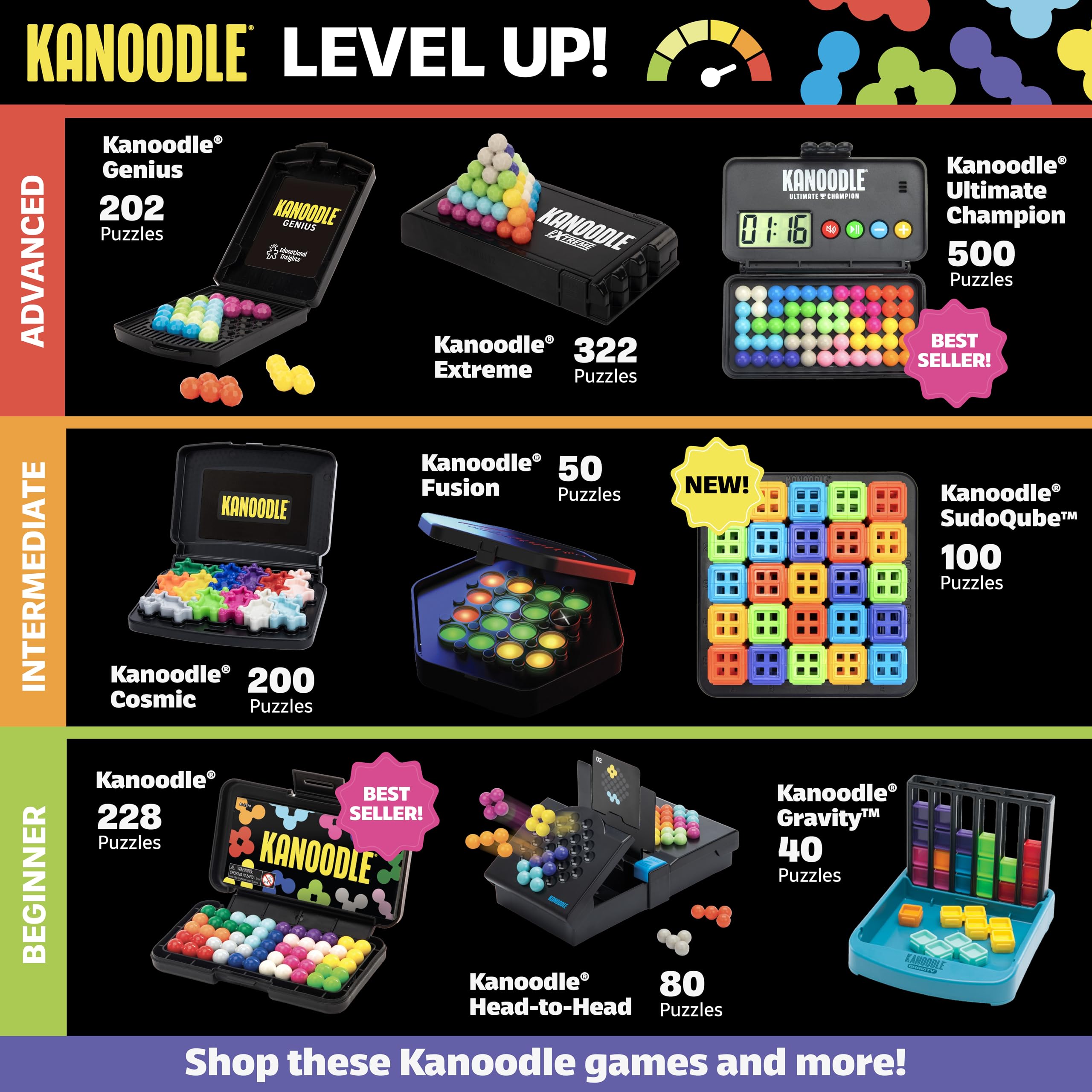
Educational Insights Kanoodle Genius Puzzle Game
Portable logic puzzles for math/problem-solving; solo or group play.
Best for: Quiet-time brain teasers during downtime.
Price Range: $13.99