Your credit score is more than just a number—it's a key that unlocks lower interest rates, better loan terms, and even job opportunities. If your score isn't where you want it to be, you might feel stuck, but the good news is that you can improve it much faster than you think with the right strategy.
In this guide, you'll learn a clear, step-by-step process to raise your credit score quickly. We'll cover how to get your credit reports, spot and dispute errors, lower your credit utilization, and adopt habits that lenders love. You'll see results in as little as 30–60 days if you follow these steps consistently.
While there's no magic overnight fix, these actions are proven to work and within reach for anyone. No gimmicks—just solid, actionable advice backed by credit experts and consumer experience.
▸What You'll Need
- •Free credit reports from AnnualCreditReport.com
- •Access to your current credit card and loan accounts (online or statements)
- •A budget or plan to pay down balances
- •Optional: A credit monitoring service (e.g., Credit Karma, myFICO) to track progress
Estimated Time: 1–2 hours initial review, then 30 minutes monthly for maintenance
Difficulty: beginner
▸Step-by-Step Instructions
Step 1: Get Your Free Credit Reports
The first step is knowing exactly where you stand. You are entitled to one free credit report every 12 months from each of the three major bureaus—Equifax, Experian, and TransUnion—through AnnualCreditReport.com. During the pandemic, weekly access was made available and has been extended. Request all three at once for a complete picture.
Why it matters: Errors on your credit report are common and can drag down your score unfairly. You can't fix what you haven't seen. Review each report line by line for accounts that aren't yours, late payments that were actually on time, or incorrect balances.
Tip: Stagger your requests every four months to monitor changes throughout the year. For example, pull one report every four months instead of all at once.
💡 Tips:
- •Use AnnualCreditReport.com—the only government-authorized site. Avoid other 'free' report sites that may upsell you.
- •Keep a copy of each report for your records and to track disputes.
⚠️ Warnings:
- •Beware of sites that ask for your credit card—AnnualCreditReport.com never charges for your free reports.
Step 2: Review Each Report for Errors
Once you have your reports, go through each one carefully. Look for any negative items that are inaccurate: late payments that weren't late, accounts that don't belong to you, incorrect balances, or duplicate entries. Also check your personal information—spelling of name, address, and Social Security number—as errors here could be signs of mixed files or identity theft.
Why it matters: According to a Federal Trade Commission study, one in five consumers has an error on at least one credit report. Removing even a single incorrect late payment can boost your score significantly. Lenders use the information on your reports to calculate your score, so accuracy is critical.
Tip: Create a simple spreadsheet or list of all errors, noting the bureau, account, and what's wrong. This will make disputing easier.
💡 Tips:
- •Focus on major negative items first: late payments, collections, charge-offs, and judgments.
- •If you see an account you don't recognize, it could be identity theft—report it immediately.
⚠️ Warnings:
- •Don't assume all negative items are errors. Legitimate late payments are hard to remove but you can ask for a goodwill adjustment.
Step 3: Dispute Errors with the Credit Bureaus
Each credit bureau has an online dispute process. You can usually submit disputes through their websites: Equifax, Experian, and TransUnion. For each error, provide a clear explanation and attach any supporting documents (e.g., bank statements, payment confirmations). The bureau must investigate within 30 days and remove any information that cannot be verified.
Why it matters: Removing an error is one of the fastest ways to improve your score because the negative item stops dragging you down. If the lender that reported the error can't verify it, the bureau must delete it. This can lead to a score increase of 20–50 points or more, depending on the severity.
Tip: Keep it simple and factual. Don't write long stories—just state the fact and provide proof. Use certified mail if you prefer a paper trail, but online is faster.
💡 Tips:
- •Dispute online for speed, and save confirmation numbers and case IDs.
- •If the bureau verifies the error, you can add a 100-word statement to your report explaining your side.
⚠️ Warnings:
- •Never dispute accurate information. That can be seen as fraud and may backfire.
- •If you dispute everything at once, it may look suspicious. Focus on genuine errors.
Step 4: Pay Down High Credit Card Balances
Your credit utilization ratio—the amount you owe compared to your total credit limit—is a major factor in your score. The general rule is to keep it below 30%, but lower is better. If you have balances above that, paying them down can yield quick results. Aim to reduce your overall utilization, but also check per-card utilization (each card's balance vs. its limit).
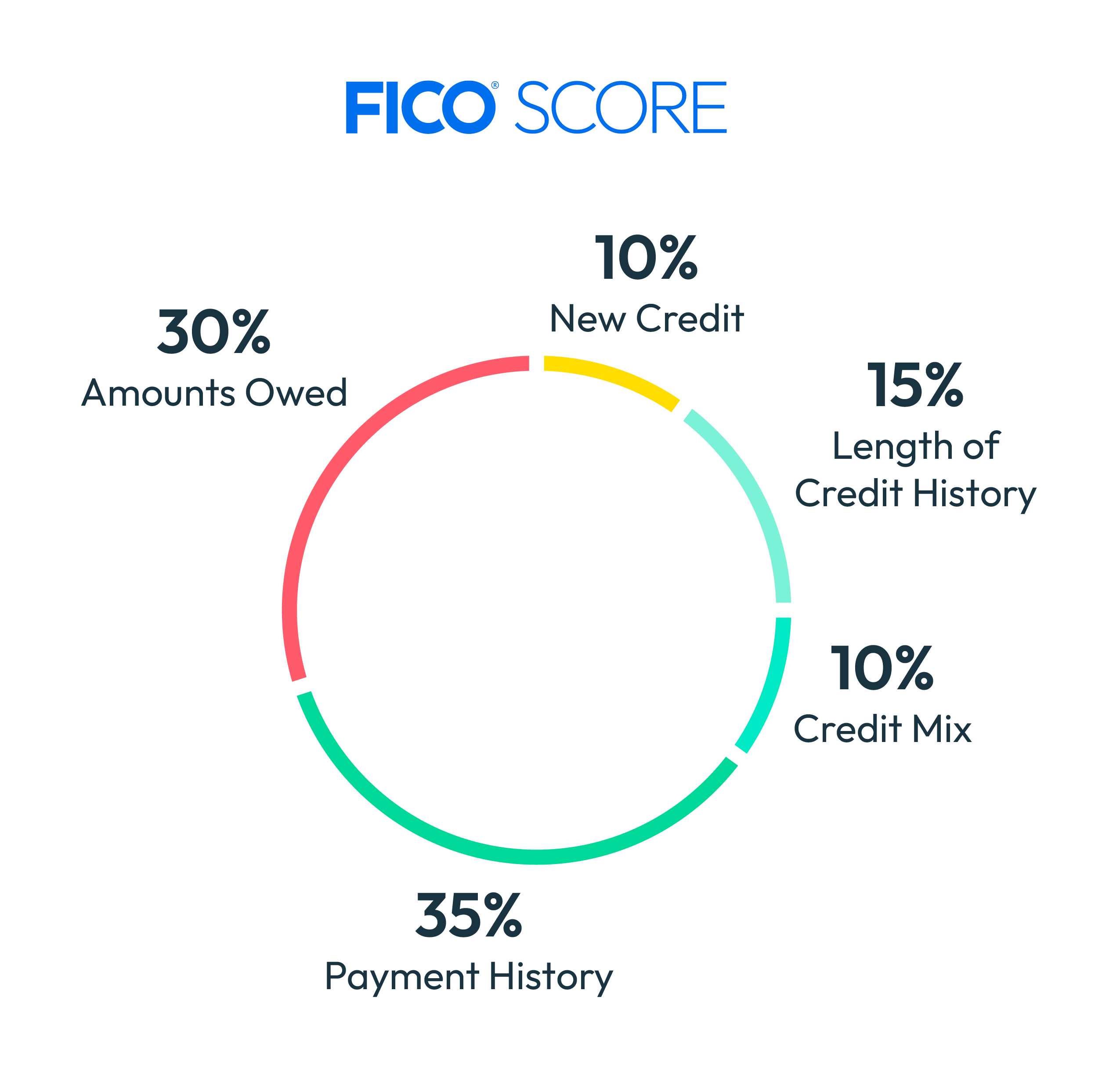
Why it matters: Utilization accounts for about 30% of your FICO score. Even a single big payment can lower your ratio and boost your score within a cycle. For example, if you have a $5,000 limit and a $4,500 balance (90% utilization), paying $3,000 could drop you to 30% and improve your score by dozens of points.
Tip: Pay more than the minimum to make a dent. Even if you can't pay off the full balance, getting below 30% makes a difference. You can also ask for a credit limit increase (see Step 6) to lower utilization without paying extra.
💡 Tips:
- •Focus on the card with the highest utilization first—it's the easiest way to see a score jump.
- •Consider making two payments a month: one when the statement posts and another before the due date to keep balances lower.
⚠️ Warnings:
- •Don't close paid-off credit cards—that reduces your total available credit and may hurt your score.
Step 5: Make All Payments on Time from Now On
Payment history is the biggest factor in your credit score, accounting for 35%. A single late payment can stay on your report for seven years and cause a significant drop. If you've been late in the past, the best thing you can do is start building a pattern of on-time payments going forward. Even if you have a previous missed payment, new positive behavior will gradually reduce its impact.
Why it matters: Lenders want to see that you're reliable. Recent on-time payments carry more weight than older late payments. After a few months of steady payments, your score will begin to recover. Set up automatic payments for at least the minimum due on all accounts to avoid accidental lapses.
Tip: If you're currently behind, catch up as soon as possible. Then stay current. Consider using a calendar reminder or app to track due dates.
💡 Tips:
- •Use auto-pay from your bank or credit card issuer's website. Just ensure you have enough funds.
- •If you miss a payment, pay it immediately and call the lender to ask if they can waive the late fee—especially if it's your first offense.
⚠️ Warnings:
- •Payment history is the hardest to fix because time is required. But even one month of on-time payments helps your score.
Step 6: Avoid Opening New Credit Accounts Unnecessarily
Every time you apply for credit, a hard inquiry appears on your report and can lower your score by a few points. Multiple inquiries in a short period signal risk to lenders, especially if you have a thin credit file. So, avoid applying for new cards or loans while you're actively working to improve your score.
Why it matters: Hard inquiries stay on your report for two years but only affect your score for the first year. However, if you have several recent inquiries, it can make lenders think you're desperate for credit. Only apply when you genuinely need or want new credit—and do it sparingly.
Tip: If you need a new card, use pre-qualification tools that do a soft pull and don't affect your score. Apply for only one card at a time and wait a few months before another application.
💡 Tips:
- •Use pre-qualification sites like Credit Karma or card issuer pre-approval pages to check your odds before applying.
- •If you're rate shopping for a mortgage or auto loan, do it within a 14–45 day window so multiple inquiries are treated as one.
⚠️ Warnings:
- •Store credit cards (e.g., from a department store) often have high interest and may not help your score much—avoid them.
Step 7: Consider a Credit Limit Increase
A higher credit limit can instantly lower your credit utilization ratio, even if your balance stays the same. Many credit card issuers allow you to request a credit limit increase online or by phone. This is usually a soft pull initially, though some may do a hard pull. Ask your issuer before proceeding.
Why it matters: If you have a $2,000 limit and a $1,000 balance, your utilization is 50%. If the issuer raises your limit to $4,000, your utilization drops to 25%, which can improve your score. Just be careful not to use the extra credit to spend more.
Tip: Request an increase after demonstrating good payment history with that issuer—often after 6–12 months of consistent on-time payments. If you're unsure about a hard pull, ask the representative what type of inquiry they'll do.
💡 Tips:
- •Request an increase online—many issuers have a button in your account settings.
- •If you get a hard pull, it's usually worth it if the limit increase is significant enough to lower utilization.
⚠️ Warnings:
- •Don't request a limit increase if you've been recently late on payments—you'll likely be denied and get a hard pull for nothing.
Step 8: Become an Authorized User (Optional but Powerful)
If you have a trusted friend or family member with a long history of good credit, ask to be added as an authorized user on one of their credit cards. The entire account history—including the age and payment history—will then appear on your credit report, potentially giving you an instant boost.
Why it matters: This is one of the fastest ways to improve a limited or damaged credit file. For example, adding yourself to a card with a 10-year history and no late payments can immediately raise the average age of your accounts and improve your payment history. Many credit scoring models include authorized user accounts.
Tip: Choose someone who always pays on time and keeps their utilization low. Also, make sure the card issuer reports authorized users to the credit bureaus—most major issuers do (e.g., Chase, Amex, Capital One).
💡 Tips:
- •Ask if they are willing and if the card has low utilization (under 30%).
- •You don't need to physically hold or use the card—just being on the account can help.
⚠️ Warnings:
- •If the primary cardholder misses a payment, it will also hurt your score. Only do this with someone extremely responsible.
▸Pro Tips
- •Pay your bill before the statement closing date—that lowers the balance reported to the bureaus, improving utilization.
- •Keep old credit cards open even if you don't use them; they increase your average account age and total credit limit.
- •Use a credit monitoring service to track changes and get alerts on your credit report and score.
- •If you have student loans, consider consolidating or refinancing only if it lowers your monthly payment—but be aware it may temporarily dip your score.
- •Dispute any negative items online; it's faster and you can upload documents directly.
- •Avoid using check-cashing or payday loans—they don't build credit and can be expensive.
- •Set up automatic payments for at least the minimum due on every account to never miss a payment.
▸Common Mistakes to Avoid
- •Closing old credit cards after paying them off. This reduces your total available credit and shortens your account history, which can lower your score.
- •Applying for multiple cards in a short time. Each hard inquiry knocks a few points off, and multiple inquiries signal risk.
- •Ignoring your credit reports. Errors can persist for years if you don't dispute them, dragging down your score unnecessarily.
- •Carrying high balances even if you pay the minimum. High utilization is a major negative factor; pay down aggressively.
▸Troubleshooting
Problem: My dispute was rejected; the bureau says the item is verified.
Solution: You can request a 'method of verification' from the credit bureau to see how the lender verified the item. If you have additional proof, resubmit the dispute. You can also add a 100-word consumer statement to your report explaining the situation.
Problem: I paid off my balances, but my score didn't increase much.
Solution: Your score may take one or two billing cycles to update. Also, other factors like payment history or age of accounts may be holding you back. Continue making on-time payments and wait for the next report update.
Problem: I have no credit at all; how do I start building score?
Solution: Consider a secured credit card or become an authorized user. Look for starter cards that report to all three bureaus. After 6 months of on-time payments, you'll have a score and can move to unsecured cards.
Problem: My credit report shows a collection for a bill I already paid.
Solution: Contact the collection agency first with proof of payment. If they don't remove it, dispute the account with the credit bureaus as 'paid in full' or 'belongs to me but paid.' If the collection is inaccurate, dispute as 'not mine' or 'paid before collection.'
Credit Karma (Free Credit Monitoring)
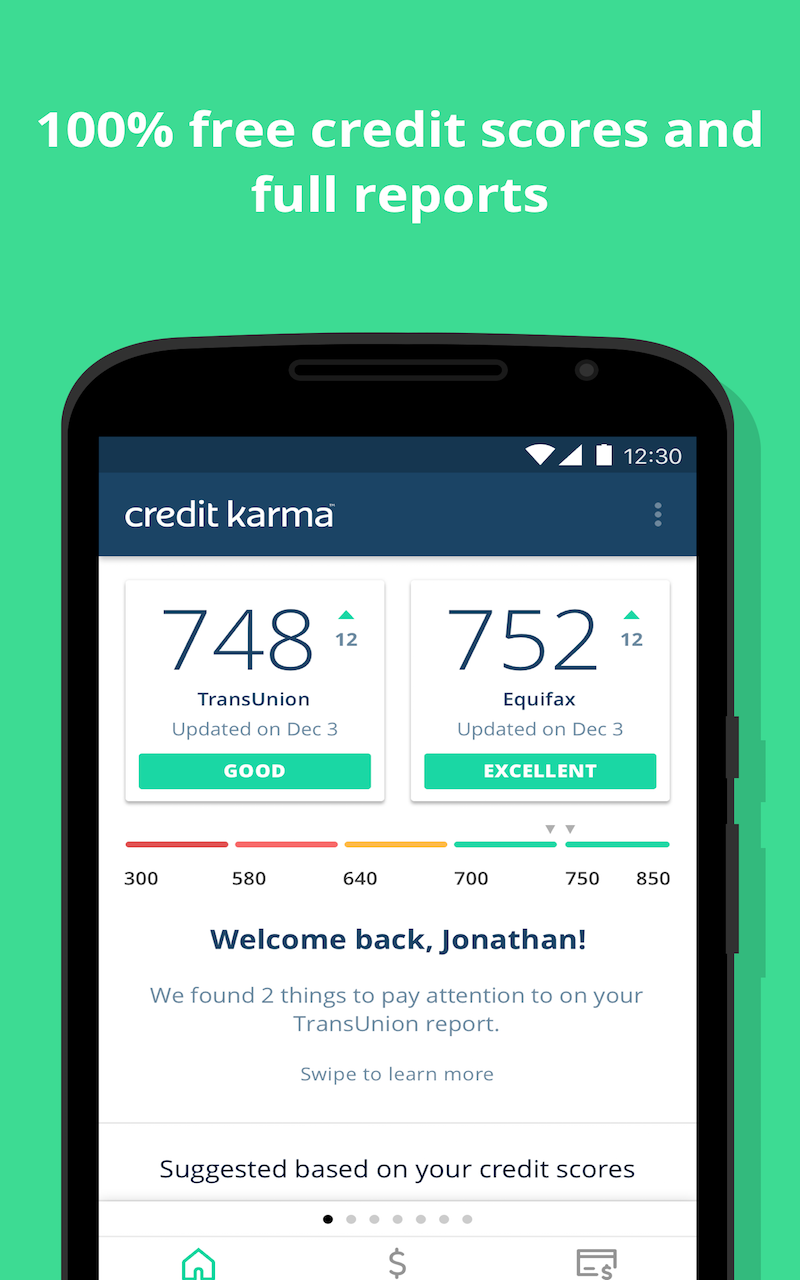
Provides free access to your TransUnion and Equifax credit reports and scores, plus credit monitoring alerts. Great for tracking your progress.
Best for: Check your credit score weekly, see what factors affect it, and get personalized recommendations.
Price Range: Free
Experian CreditWorks (Paid Credit Monitoring)
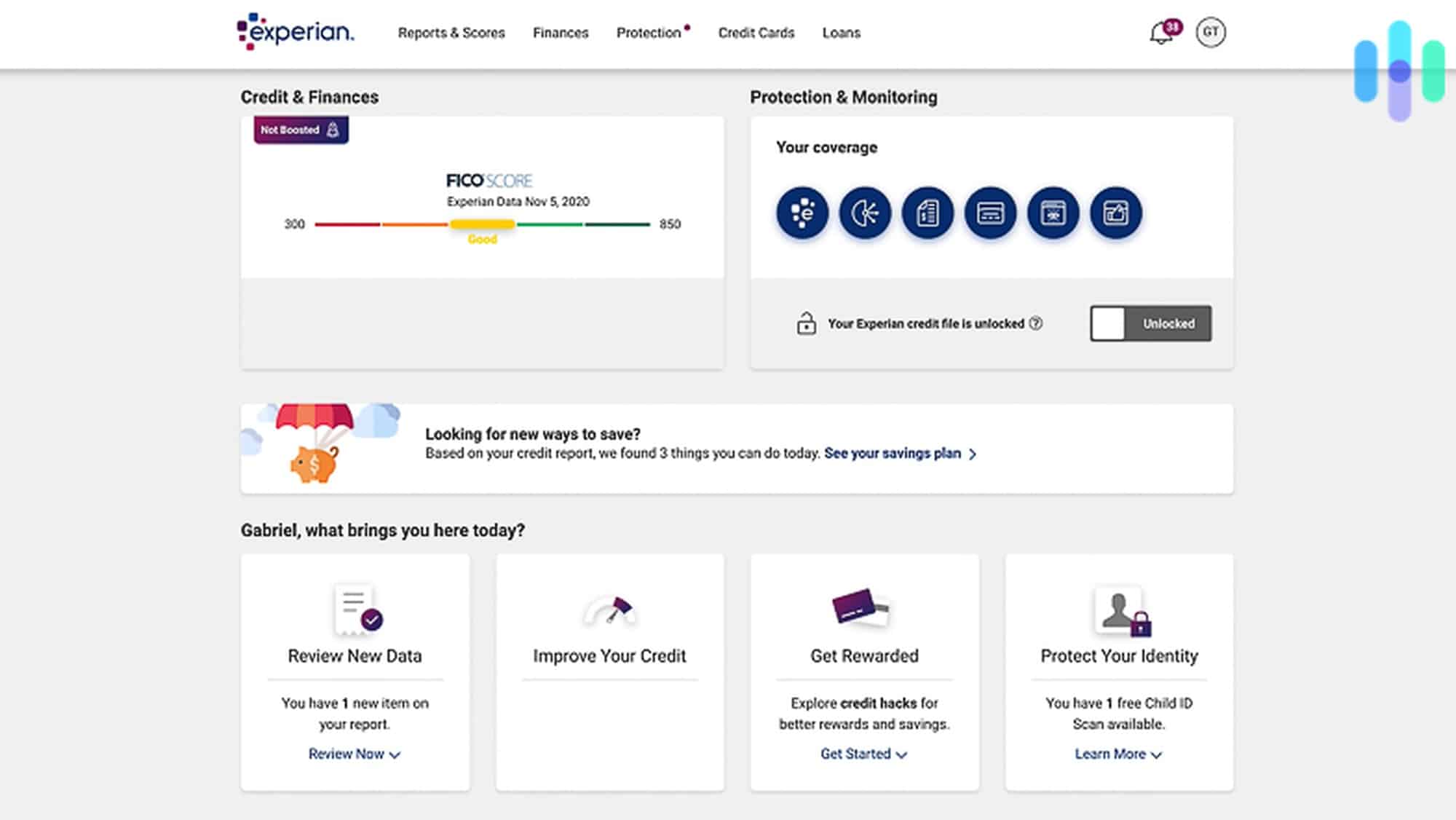
Offers comprehensive monitoring of all three bureaus, FICO scores, and identity theft protection. Useful if you want premium features.
Best for: For ongoing monitoring and detailed FICO score tracking across all three credit bureaus.
Price Range: $19.99–$29.99/month
Discover it Secured Credit Card
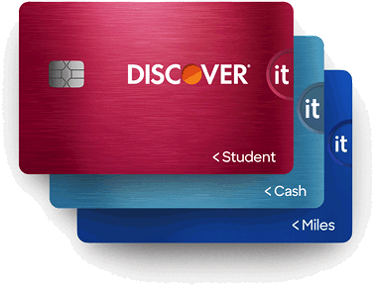
A top-rated secured card with no annual fee and cash back rewards. Helps build credit from scratch or after bad credit.
Best for: If you need to build credit and have a refundable deposit (starting at $200).
Price Range: No annual fee; deposit $200–$2,500
Capital One Platinum Credit Card
An unsecured card for fair credit with no annual fee and automatic credit line reviews. Good step after a secured card.
Best for: If you have fair credit and want an unsecured card to continue building.
Price Range: No annual fee
MyFICO (FICO Score Monitoring)
The only way to get your official FICO scores from all three bureaus. Used by most lenders, so it's accurate.
Best for: If you want the exact scores lenders see, especially before applying for a mortgage or car loan.
Price Range: $29.95/month (single bureau) or $59.95/month (all three)