Why Spotting Fakes Matters
Vintage vinyl records from the 1960s-1980s can fetch hundreds or thousands of dollars, but fakes and bootlegs flood markets like eBay and flea markets, costing collectors dearly. A single misidentified record could mean losing 90% of its value—or worse, ruining your turntable with poor quality presses.
What You'll Learn
This guide walks you through expert, step-by-step inspection methods used by professional graders. You'll learn to verify labels, matrix numbers, vinyl quality, and more, turning you into a savvy collector.
Quick Overview
Expect 20-30 minutes per record. It's intermediate-level: assumes basic vinyl knowledge but no pro tools needed. By the end, you'll know if it's real or fake with 95% accuracy.
▸What You'll Need
- •Bright LED flashlight or desk lamp (required)
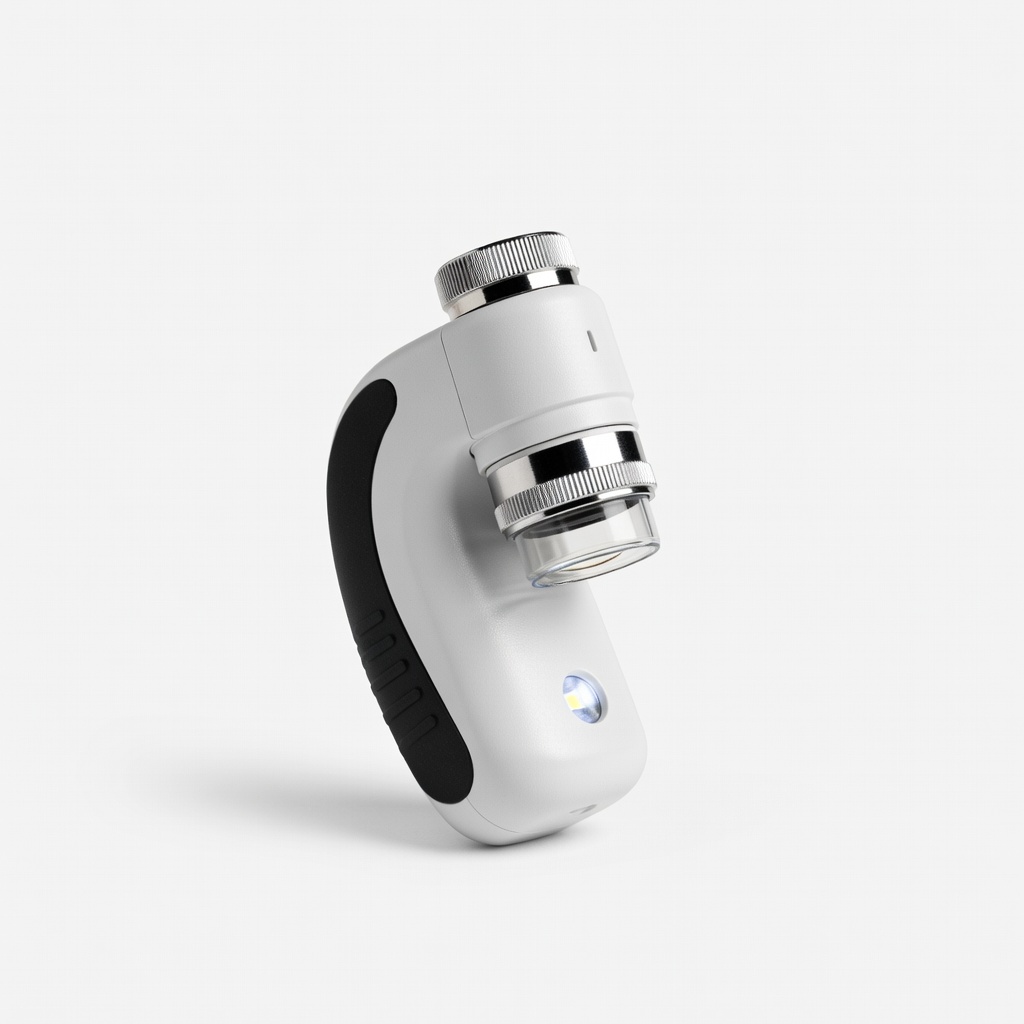
- •10x-20x magnifying loupe or microscope (required)
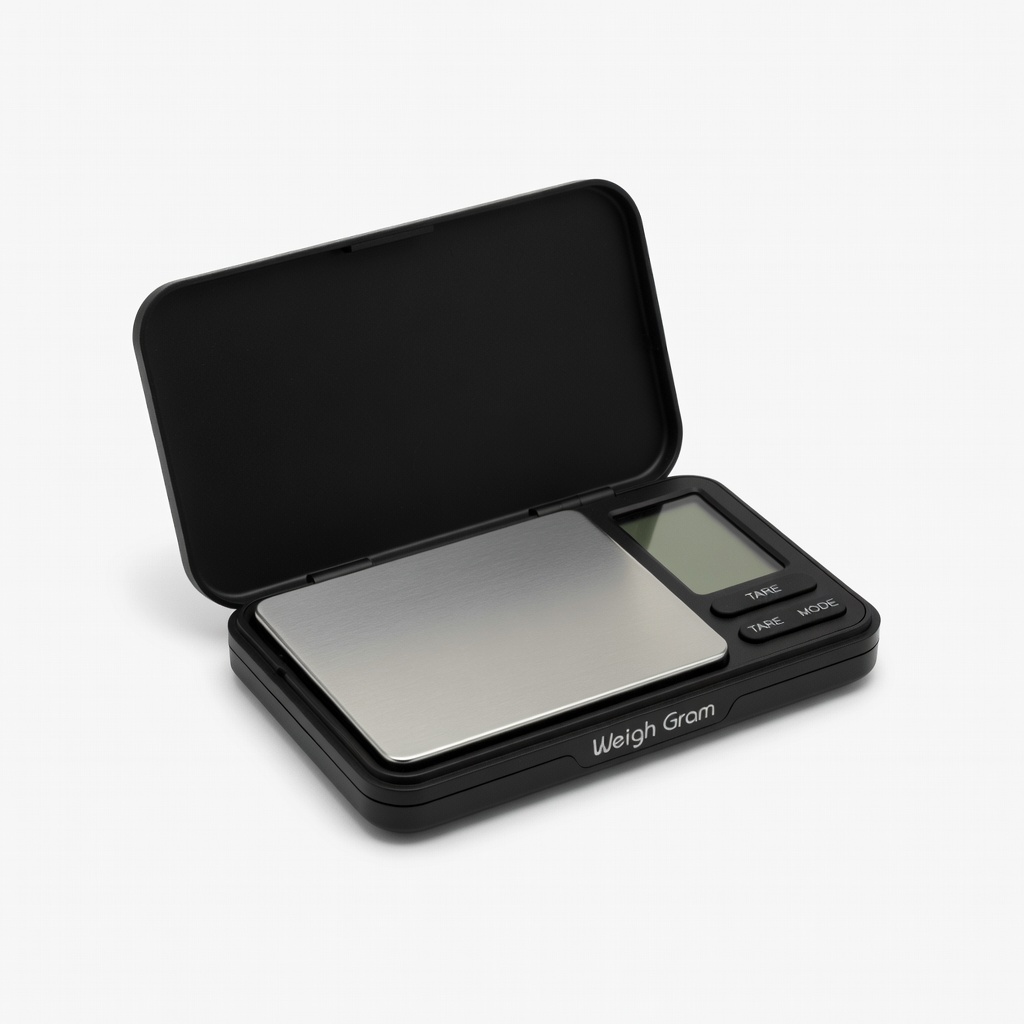
- •Digital pocket scale (0.01g precision, required for weight checks)
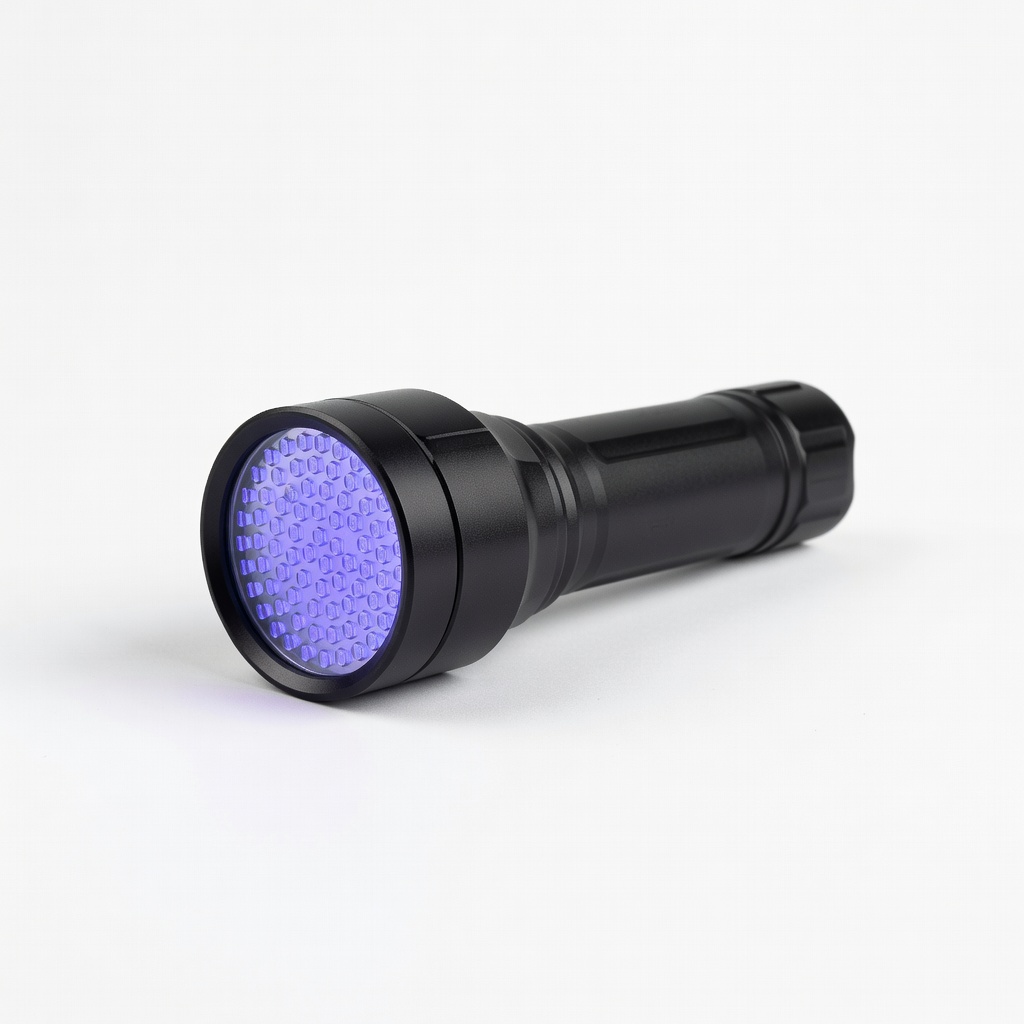
- •UV blacklight flashlight (optional but highly recommended)
- •Smartphone with Discogs or Popsike apps (required for research)
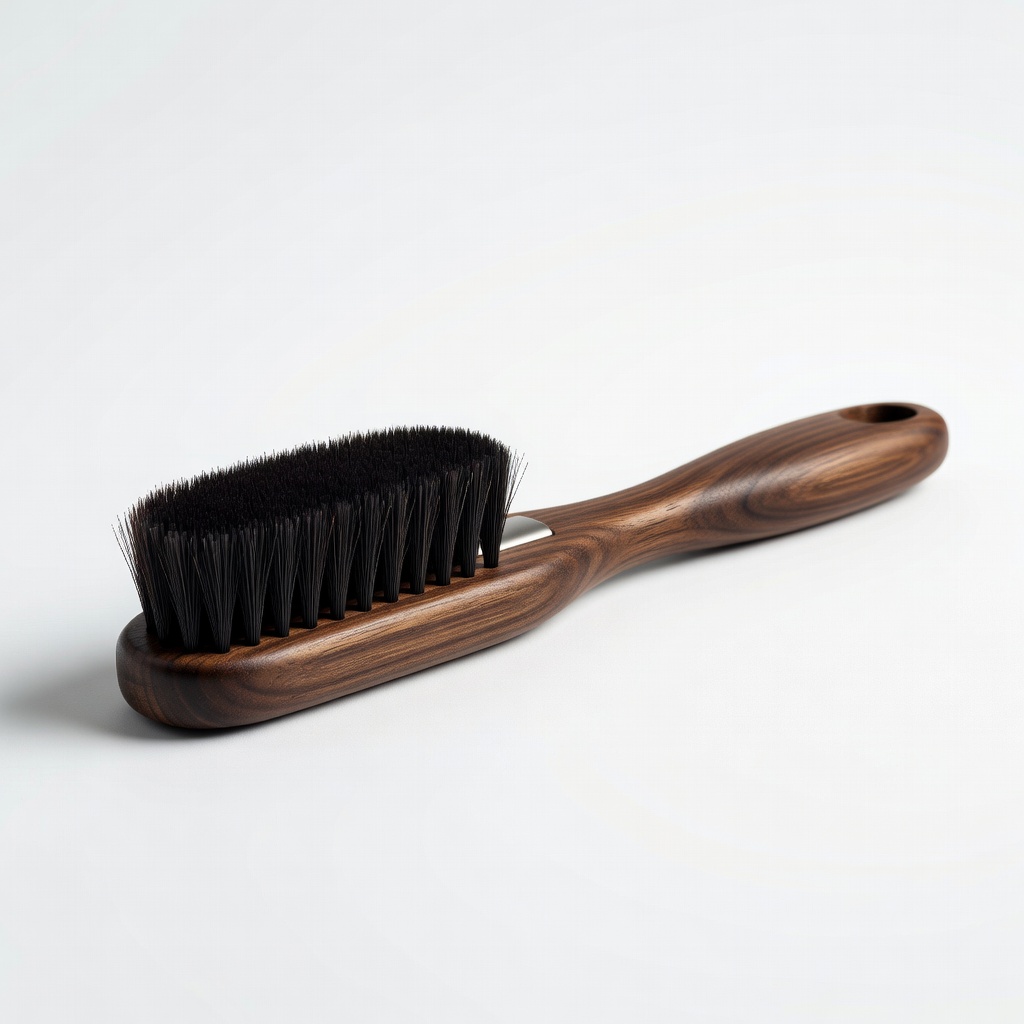
- •Clean, static-free cloth or anti-static brush (optional)
- •Reference book like Goldmine Standard Catalog of American Records (optional)
Estimated Time: 20-30 minutes per record
Difficulty: intermediate
▸Step-by-Step Instructions
Step 1: Research the Record's Details Online
Before touching the record, use Discogs.com or Popsike.com to look up the exact pressing. Search by artist, album title, and year (e.g., 'Beatles Sgt Pepper 1967 UK first press'). Note key identifiers: label design, catalog number, matrix/runout etchings, and country of origin.
Why it matters: Fakes often copy popular variants but mismatch tiny details. Success looks like a screenshot of the exact matrix numbers and label variants.
Compare your record's photos to listings. If no matches, it's suspect.
💡 Tips:
- •Cross-reference multiple sites like 45cat.com for singles.
- •Join Reddit's r/vinyl for community verification.
⚠️ Warnings:
- •Avoid seller-provided 'authenticity' claims—they're often fake.
Step 2: Inspect the Album Cover and Jacket
Examine the outer sleeve under bright light. Check for crisp printing, correct colors, proper gatefold (if applicable), and original shrinkwrap remnants. Feel for laminated vs. matte finish—fakes often use cheap glossy stock.
Why it matters: Covers are reproduced easily, but details like font spacing or photo quality differ. Success: Matches your research exactly, no bubbles or misalignment.
Look for inner sleeves: Originals have specific printing or ads.
💡 Tips:
- •Use a straight edge to check print alignment.
⚠️ Warnings:
- •Repros often have modern barcodes or 'Made in EU' stamps.
Step 3: Examine the Label Under Magnification
Remove the record and inspect both sides' labels with your loupe. Verify text, logos, rim text (e.g., 'STERLING' for US pressings), and color vibrancy. Check for off-center printing or blurry edges.
Why it matters: Labels are the easiest fake target but hardest to perfect. Authentic labels have precise registration and period-correct fonts. Success: Exact match to Discogs photos, no pixelation.
Note publisher addresses—they change over time.
💡 Tips:
- •Angle light to spot color bleeding.
Step 4: Decode Matrix Numbers and Runouts
Hold the record to light and read deadwax etchings (near label center) with magnifier. Matrix like 'MOOG-1 A-1' indicate mastering plant and stamper. Runouts may have symbols (e.g., triangle for Sheffield Lab).
Why it matters: These are unique fingerprints—fakes reuse generic or wrong ones. Success: Exact match to database, including handwriting style.
Photograph and upload to forums for expert eyes.
💡 Tips:
- •Clean wax lightly first for clarity.
⚠️ Warnings:
- •Digital etchings post-1990s scream fake for vintage.
Step 5: Weigh and Feel the Vinyl Weight
Place record on digital scale (without sleeve). Original 180g 12" LPs weigh 120-180g; 7" singles 40-60g. Feel edges: Smooth, no warps or soft flex.
Why it matters: Bootlegs use thin recycled vinyl (under 100g). Success: Weight in expected range per research.
Thick/heavy ≠ authentic; some originals vary.
💡 Tips:
- •Weigh multiple known originals for comparison.
Step 6: Test Under UV Light and Play Grooves
Shine UV light on labels/vinyl. Genuine inks fluoresce specifically (e.g., red glow on Columbia). Visually inspect grooves: Deep, uniform vs. shallow fakes.
Why it matters: Reveals hidden printing defects. Success: Expected glow, clean grooves.
Spin on turntable briefly—listen for surface noise or pitch issues.
💡 Tips:
- •Safe play: Clean needle first.
⚠️ Warnings:
- •Don't force play on suspects—risks damage.
Step 7: Check for Bootleg Red Flags
Scan for thin center hole, noisy pressing, or 'promo' stamps on non-promos. Verify deadwax for 'RE' (reissue) or foreign plants.
Why it matters: Consolidates checks. Success: No flags = likely real.
Consult grader if unsure.
💡 Tips:
- •Smell test: Chemical odor = modern fake.
▸Pro Tips
- •Build a reference binder of photos from trusted sales.
- •Buy from reputable sellers like Acoustic Sounds or Bullmoose.
- •Use apps like Vinyl Record Finder for quick matrix lookup.
- •Practice on cheap commons before rarities.
- •Join Vinyl Collective forums for free authentications.
- •Store in anti-static sleeves post-inspection.
- •Invest in a stylus microscope for groove close-ups.
▸Common Mistakes to Avoid
- •Relying on seller photos/descriptions—always inspect in hand.
- •Ignoring minor matrix variances—they're crucial.
- •Assuming heavy vinyl is better—weight alone deceives.
- •Overlooking country of origin—UK presses ≠ US.
- •Skipping UV/matrix checks—visuals fool beginners.
▸Troubleshooting
Problem: Matrix partially matches but handwriting differs
Solution: Likely later pressing or fake—consult Discogs variants or pro grader.
Problem: Weight correct but grooves noisy
Solution: Test play on high-end setup; consider recleaning or professional grading.
Problem: UV no reaction
Solution: Battery issue or non-reactive label variant—double-check research.
Problem: Unsure after all steps
Solution: Send to Goldmine or GIA-equivalent grader ($20-50 fee).
Carson MicroBrite Plus 60x-120x LED Pocket Microscope
Essential for magnifying labels and matrix etchings with sharp LED light—no batteries needed.
Best for: Close inspection of deadwax and printing flaws during steps 3-4.
Price Range: $14.99
Escolite UV Black Light Flashlight 51 LED
Reveals authentic inks and printing defects invisible under normal light.
Best for: UV testing in step 6 for fluorescence checks.
Price Range: $12.99
Weigh Gram Digital Pocket Scale 100g x 0.01g
Precise weighing distinguishes thin bootlegs from heavy originals.
Best for: Weight verification in step 5.
Price Range: $9.99
Mobile Fidelity Original Master Recording Brush
Anti-static cleaning reveals true groove/label condition without residue.
Best for: Prep for inspection and play testing.
Price Range: $19.99
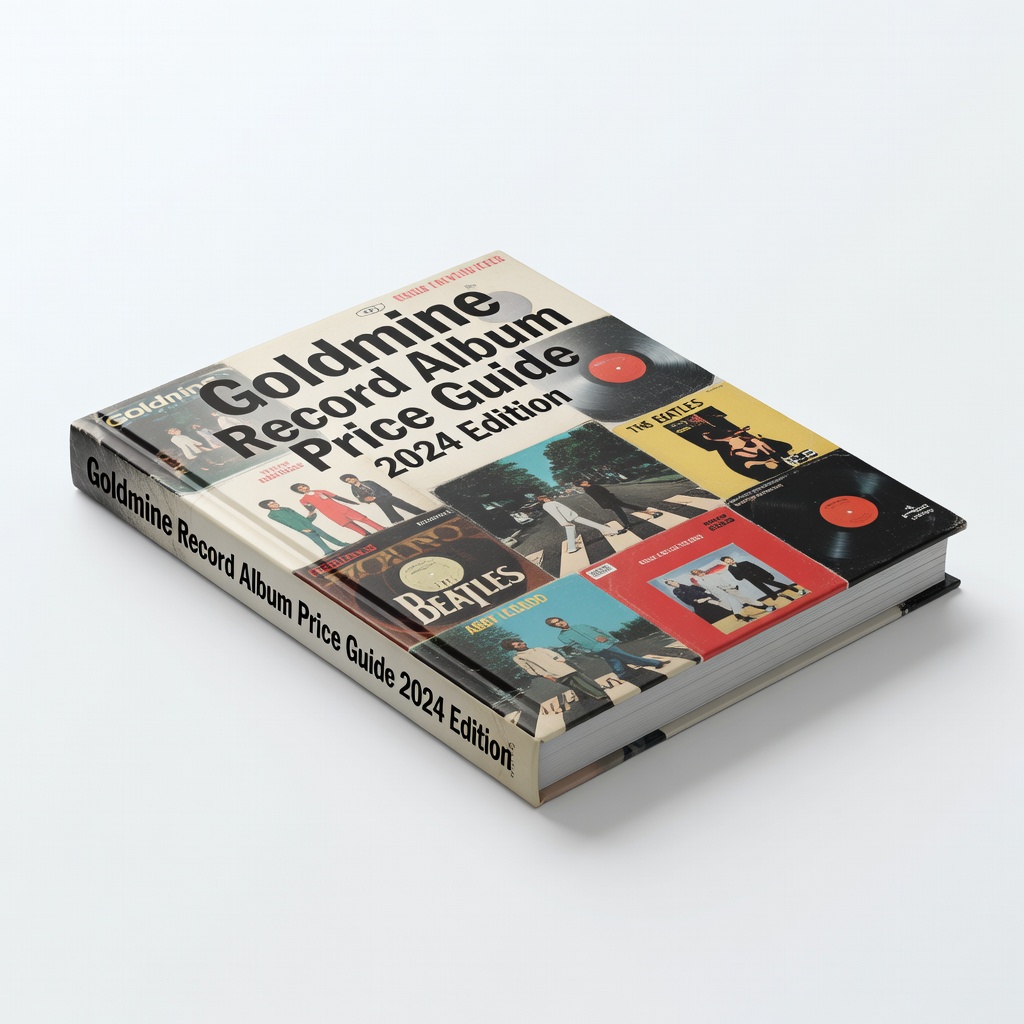
Goldmine Record Album Price Guide 2024 Edition
Comprehensive reference for variants, values, and fake IDs.
Best for: Ongoing research beyond apps.
Price Range: $29.99