In the world of antiques and collectibles, few items hold the allure and potential value of rare books, especially when identified by their edition. Many collectors overlook subtle edition markers, leading to missed opportunities or overpayments for common reprints. Whether you're building a personal library or hunting for investments, knowing how to discern a true rarity can transform a dusty find into a prized asset.
This guide will teach you advanced techniques to examine and verify book editions, drawing on bibliographic expertise. You'll learn to inspect physical and textual clues that separate first editions from later printings. By the end, you'll confidently authenticate editions like a professional bibliographer.
Expect to spend 30-60 minutes per book, depending on its complexity. This advanced tutorial assumes familiarity with basic book anatomy (e.g., title page, colophon) and requires careful handling to avoid damage.
▸What You'll Need
- •Magnifying loupe or jeweler's loupe (required for close inspection of type and paper)
- •UV blacklight flashlight (optional, for detecting watermarks or repairs)
- •Reference bibliography for the author/genre (e.g., 'A Reference Guide to Charles Dickens' – required for verification)
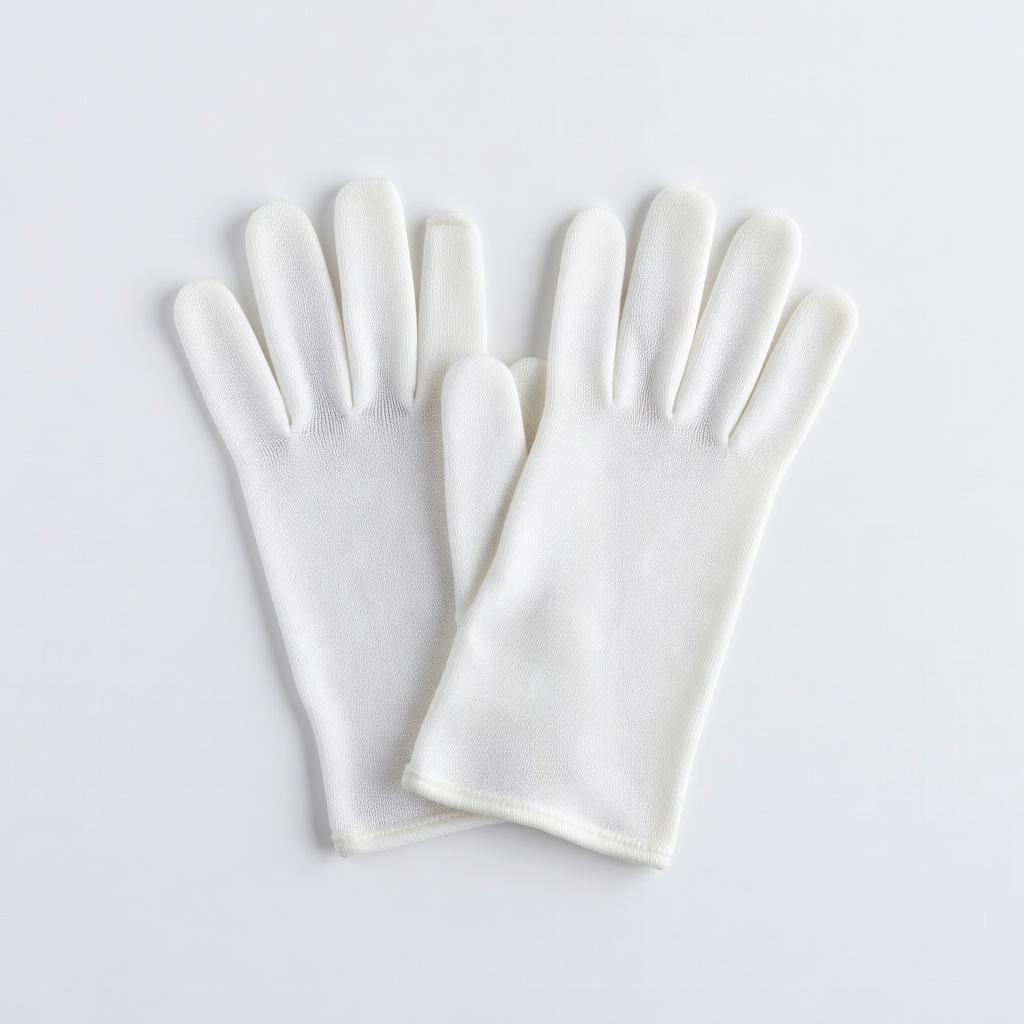
- •Clean, soft cloth and gloves (required to handle books without oils or damage)
- •Access to online databases like WorldCat or AbeBooks (required, free with internet)
- •Notebook and pen (optional, for noting observations)
Estimated Time: 30-60 minutes per book
Difficulty: advanced
▸Step-by-Step Instructions
Step 1: Gather Your Tools and Prepare the Workspace
Before diving into a book, set up a dedicated, well-lit area to avoid mishandling fragile antiques. Lay out your magnifying loupe, reference guides, and UV light on a clean, flat surface. Wear cotton gloves to prevent transferring skin oils to the paper, which can cause long-term degradation.
This preparation matters because antique books are often brittle; poor handling can reduce value instantly. Expect a clutter-free space that allows 360-degree access to the book without straining. If working with multiple volumes, organize references by author for quick cross-checking.
Pro tip: Use a book cradle or pillow to support open volumes flat, minimizing spine stress.
💡 Tips:
- •Work in natural daylight for accurate color assessment
- •Photograph your setup for future reference
⚠️ Warnings:
- •Avoid direct sunlight on books to prevent fading
Step 2: Examine the Physical Condition and Binding
Start with an external inspection: Check the binding type (e.g., original cloth vs. rebound), spine lettering, and any publisher's stamps. Rare editions often retain original bindings without repairs. Use your loupe to spot glued-in repairs or replaced endpapers, which can indicate a less valuable copy.
Why this first? Condition affects edition authenticity; a pristine first edition is rarer than a worn later printing. Look for signs like foxing (brown spots) or insect damage, but note that minor wear is common in antiques. Success here means confirming the book hasn't been 'doctorated' (artificially improved).
If using UV light, shine it on edges to reveal hidden repairs glowing under blacklight.
💡 Tips:
- •Note binding codes, like 'A' on spine for first state
- •Compare to photos in your reference guide
⚠️ Warnings:
- •Don't force open tight bindings; risk tearing pages
Step 3: Inspect the Title Page for Publisher and Date Clues
Turn to the title page, the heart of edition identification. Look for the publisher's name, publication date, and any 'edition' statements (e.g., 'First Edition' or 'Second Impression'). In pre-1900 books, absence of a date might signal a first edition, as later ones often added it.
This step is crucial because title pages evolved; misreading can confuse a first printing with a later one. Expect variations like printer's ornaments or font changes. Cross-reference with your bibliography to match exact wording—success looks like aligning the page verbatim with known first-edition descriptions.
For advanced checks, measure type size or note line endings with your loupe.
💡 Tips:
- •Search for cancel title pages (pasted over originals)
- •Record exact phrasing for online verification
⚠️ Warnings:
- •Beware of facsimiles; real ink doesn't flake like modern prints
Step 4: Check the Colophon or Copyright Page for Print Details
In modern antiques (post-1900), flip to the colophon or verso of the title page for printing history. Look for number lines (e.g., '10 9 8 7 6 5 4 3 2 1' indicating first edition) or statements like 'First printing, 1925.' Older books may have errata slips or ads bound in.
This reveals printing sequence, essential for rarity—first printings are scarcer. Expect subtle differences; a missing number line often means later edition. Verify against references; success is matching the exact colophon text to bibliographic records.
Use UV light here if suspecting forged pages, as modern paper fluoresces differently.
💡 Tips:
- •Note ISBN absence in pre-1970 first editions
- •Compare ad sequences at book end
⚠️ Warnings:
- •Don't assume 'copyright 1900' means first edition; check print statements
Step 5: Analyze Textual Points of Issue
Delve into the body text for 'points of issue'—unique markers like typos, binding errors, or word changes that distinguish states. For example, in a Dickens first edition, check if 'dinner' is misspelled as 'dinnar' on a specific page. Use your reference guide to locate these points.
These are hallmarks of rarity, as corrected sheets went to later printings. Expect to scan 5-10 key pages; success is spotting all points matching the first state description. This advanced step separates experts from novices.
Handle pages gently; use the loupe for micro-details like hyphenation variations.
💡 Tips:
- •Create a checklist from your bibliography
- •Mark pages with acid-free notes
⚠️ Warnings:
- •Overlooking a single point can devalue the book significantly
Step 6: Verify Paper, Ink, and Plates
Assess paper quality (rag vs. wood pulp), watermarks (visible when held to light), and ink freshness. Rare editions use high-rag content paper that doesn't yellow quickly. For illustrated books, check plate states—early ones lack later corrections.
Material authenticity confirms edition; modern forgeries use inferior paper. Expect crisp engravings in first states; success is aligning watermarks with reference images. Use UV for invisible watermarks.
This holistic check ties everything together.
💡 Tips:
- •Weigh a sample page if possible for density
- •Compare ink absorption on edges
⚠️ Warnings:
- •Acidic paper test: Don't apply chemicals; observe naturally
Step 7: Cross-Reference with Databases and Experts
Input your findings into online tools like WorldCat or the Bibliographical Society database. Search for matching auction records on AbeBooks or Sotheby's. If unsure, consult a rare book appraiser via email with photos.
External validation prevents errors; self-assessment alone misses nuances. Expect confirmation or red flags; success is a consensus match to known rare editions. This final step solidifies your identification.
Document everything for provenance.
💡 Tips:
- •Use high-res photos for submissions
- •Join forums like ExLibris-l for peer review
⚠️ Warnings:
- •Avoid sharing full details publicly to prevent theft
▸Pro Tips
- •Always start with the cheapest books to practice; build confidence before big purchases
- •Invest in a portable book light for shadowy details without glare
- •Create a personal database of edition points for your favorite authors
- •Attend book fairs to observe live identifications and network with dealers
- •Use apps like Book Collector for digital cataloging of your inspections
- •Check dust jacket presence—originals boost value 10x in many cases
- •Seasonal tip: Inspect in low humidity to avoid paper expansion issues
▸Common Mistakes to Avoid
- •Assuming all 'first editions' are rare: Many had large print runs; always check points of issue to avoid overvaluing common copies
- •Ignoring binding variants: Rebound books lose originality; mistaking them for first-state can lead to buyer's remorse—verify publisher's cloth
- •Overlooking textual errata: Missing a corrected error means confusing states; cross-reference bibliographies to prevent this
- •Relying solely on online listings: Images can deceive; hands-on inspection is key to avoid fakes
- •Damaging books during exam: Rough handling causes tears; use gloves and supports to preserve value
▸Troubleshooting
Problem: Book shows mixed edition markers (e.g., first title but later text)
Solution: This indicates a 'mixed' or assembled copy; consult an appraiser—value drops 50-80%. Reassemble mentally by priority (title > text).
Problem: UV light reveals suspicious repairs
Solution: Document and deduct from value; seek conservation if keeping. For sales, disclose transparently to buyers.
Problem: Reference guide lacks your book's details
Solution: Search specialized databases or contact author societies. If unresolved, professional authentication is advised (e.g., via ABAA).
Problem: Paper feels modern despite old date
Solution: Test for optical brighteners under UV (modern paper glows blue); likely a facsimile—return if purchased.
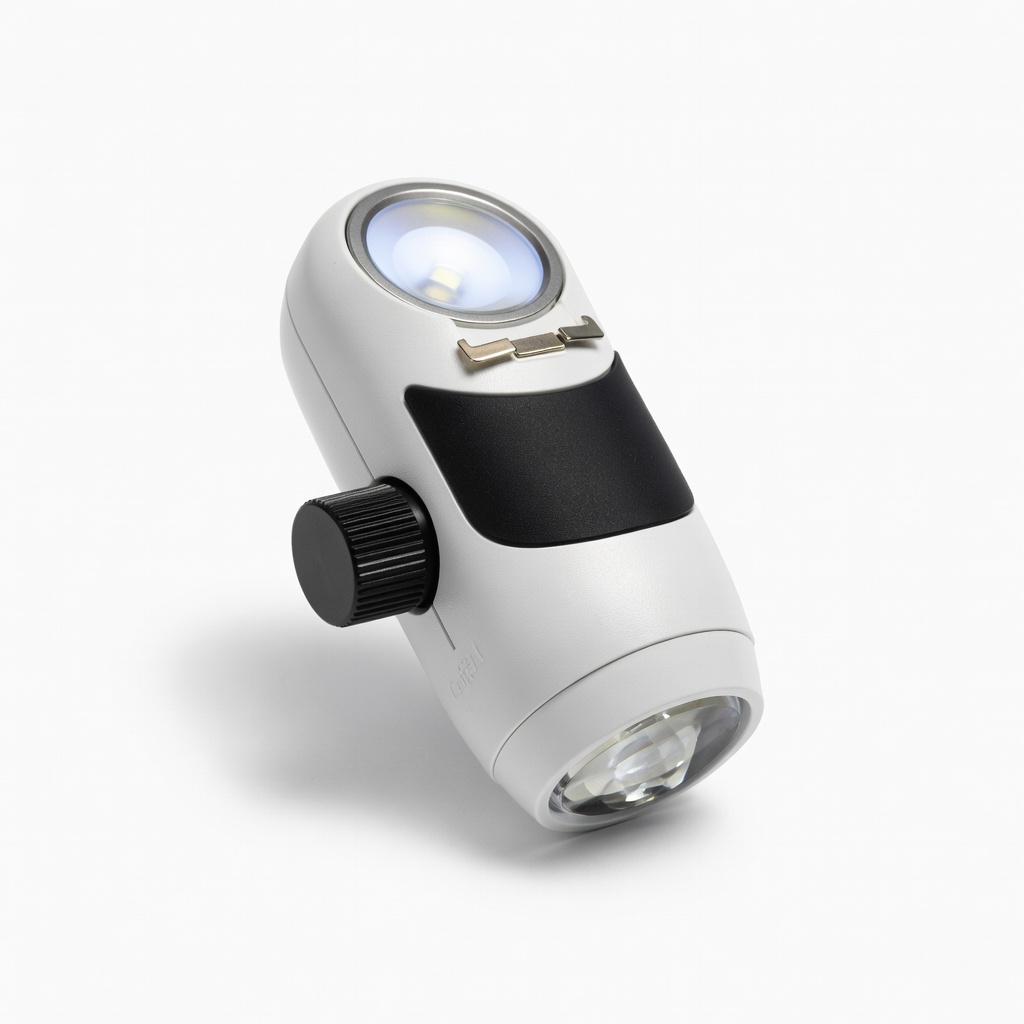
Carson MicroBrite Plus 120x LED Pocket Microscope
Essential for magnifying fine print details and textual points without distortion, perfect for advanced edition spotting.
Best for: Use during title page and text inspections to detect subtle variations like font changes or errors.
Price Range: $9.99
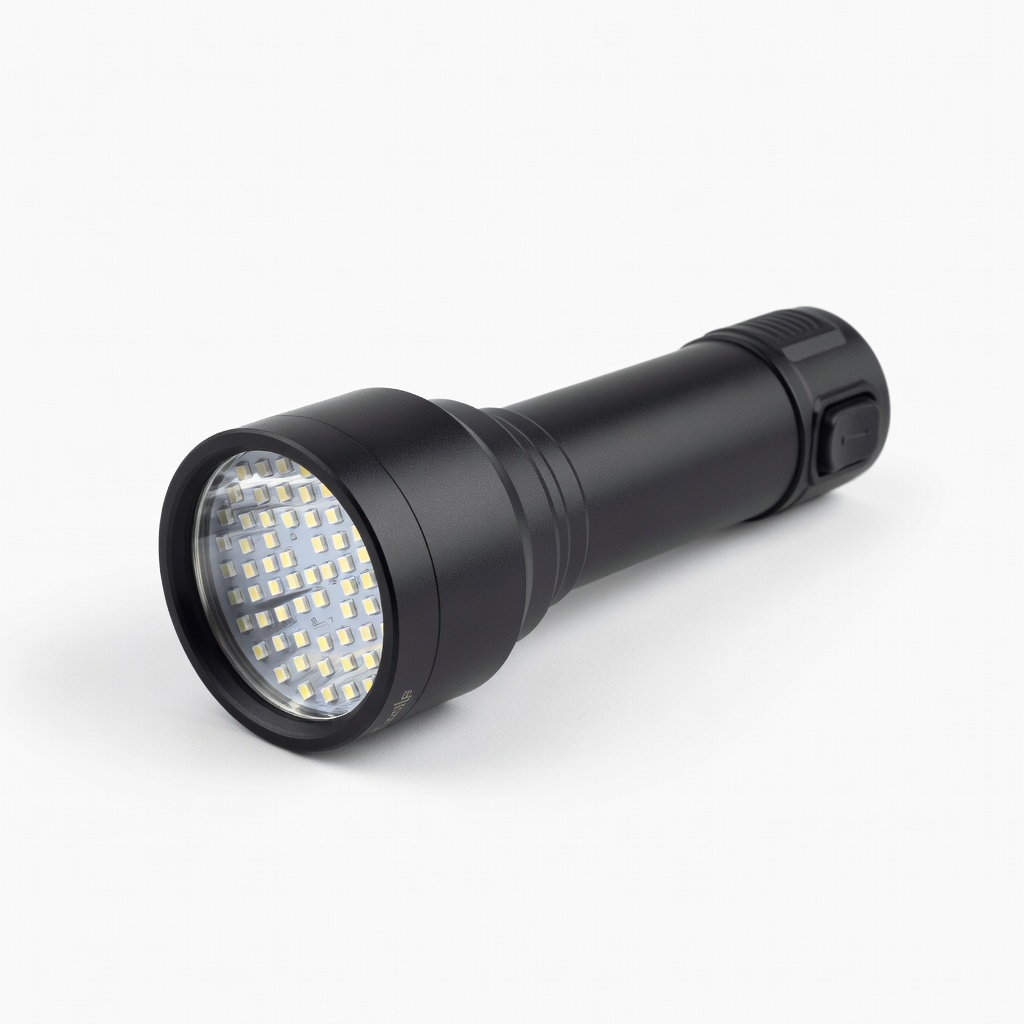
Escolite UV Black Light Flashlight 51 LED
Reveals watermarks, repairs, and paper authenticity invisible to the naked eye, aiding in forgery detection.
Best for: Scan edges and pages during material verification to confirm original antique paper.
Price Range: $12.99
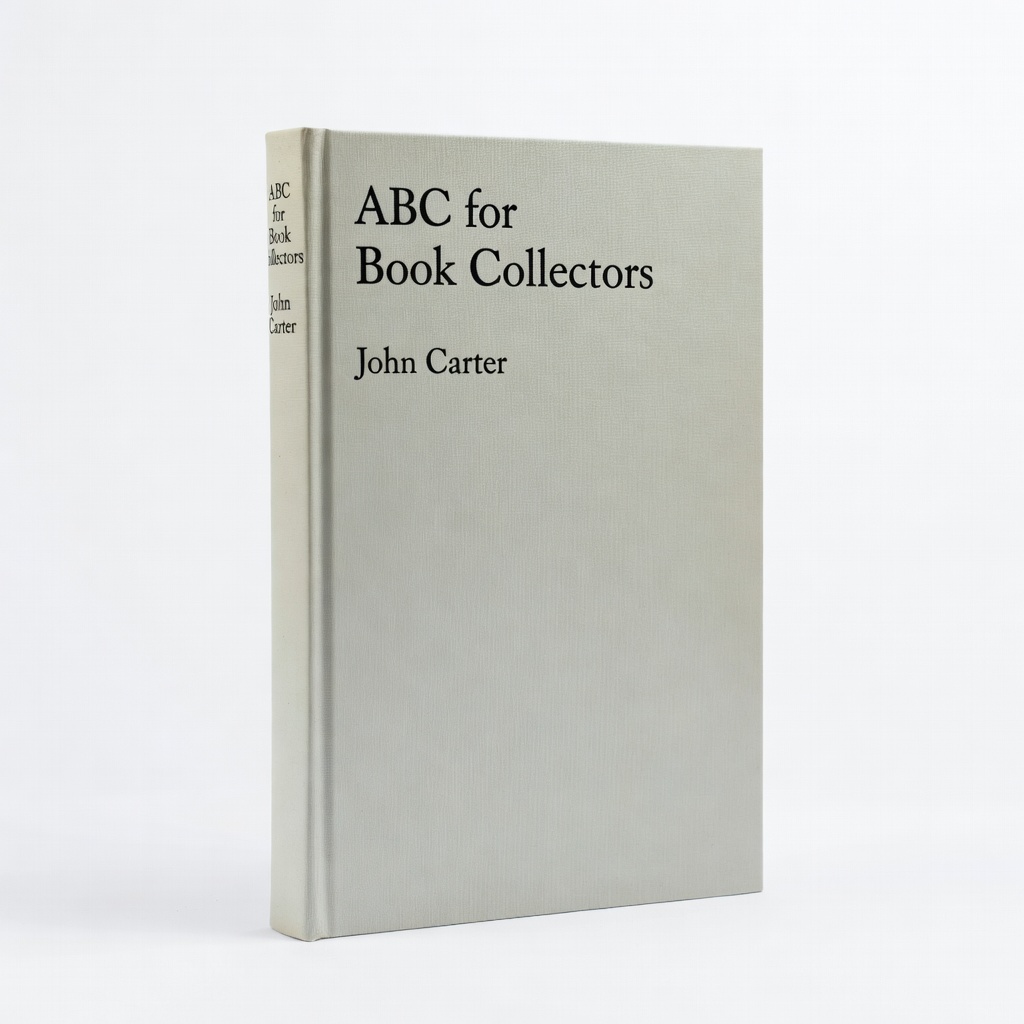
ABC for Book Collectors by John Carter
Comprehensive reference on terminology and identification techniques, indispensable for cross-referencing edition points.
Best for: Consult during colophon and textual analysis for author-specific bibliographies.
Price Range: $18.00
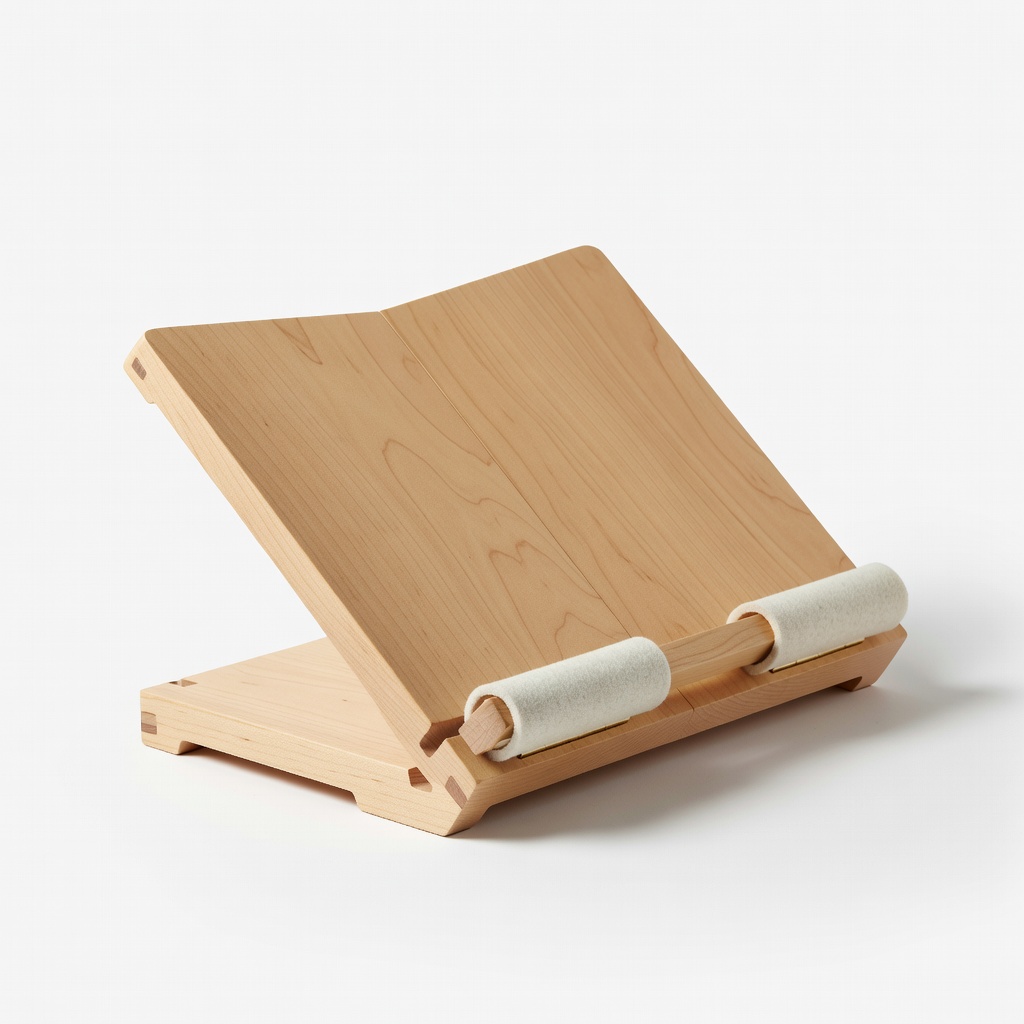
Baumgarten's Book Cradle Support
Supports open books flat without spine damage, ideal for safe handling of fragile antiques.
Best for: Place the book on it while examining pages to prevent creasing or tearing.
Price Range: $25.00-$30.00
South Bay International White Cotton Gloves
Protects books from oils and dirt during hands-on inspection, maintaining condition and value.
Best for: Wear throughout the entire process, especially when turning pages or using tools.
Price Range: $8.99 for pack