
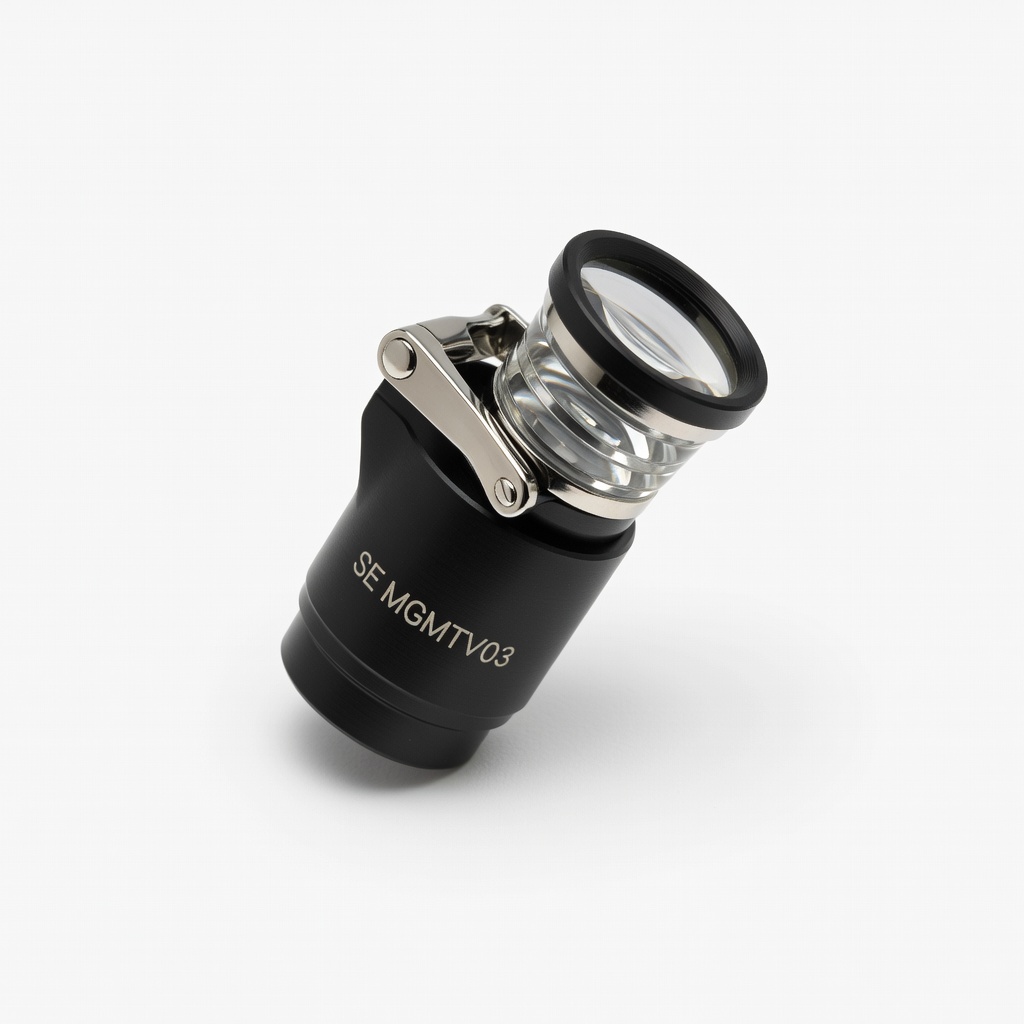
SE MGMTV03 20x Triplet Jewelers Eye Loupe
Close-up checks on hardware and labels during steps 3-6.
$4.99
SE MGMTV03 20x Triplet Jewelers Eye Loupe Essential for inspecting fine joinery, marks, and grain without strain.
Get the App
Better experience on mobile
Master spotting authentic antique styles and estimating values to confidently buy, sell, or appraise furniture treasures.
Have you ever spotted a charming chair at a flea market, only to wonder if it's a genuine antique worth hundreds or just a clever reproduction? Identifying antique furniture styles and values is a skill that separates savvy collectors from those who overpay for fakes. With rising interest in vintage decor, knowing how to spot key markers can save you money and uncover hidden gems.
In this guide, you'll learn to recognize major styles like Queen Anne, Chippendale, and Federal, inspect construction details, and research market values. By the end, you'll confidently assess any piece. The process takes practice but is straightforward for intermediate collectors—no expert degree required.
Expect 45-90 minutes per piece, depending on complexity. You'll combine hands-on inspection with online research for accurate results.
Estimated Time: 45-90 minutes per piece Difficulty: intermediate
Start by familiarizing yourself with key periods and styles: Queen Anne (1700-1750, cabriole legs, pad feet), Chippendale (1750-1790, ball-and-claw feet, carved details), Federal (1780-1820, straight legs, neoclassical motifs), and Victorian (1837-1901, ornate carvings, upholstery). Use free online resources like 1stDibs or Christie's guides.
Why it matters: Styles dictate proportions, ornamentation, and techniques—mismatches scream fake. Expect to spend 10-15 minutes building a mental reference; print a cheat sheet for on-site use.
Success looks like: A quick style match narrowing possibilities.
💡 Tips:
⚠️ Warnings:
Use a measuring tape to note height, width, depth. Compare to period norms: Early pieces are often smaller due to room sizes; Victorian oversized.
Proportions reveal authenticity—e.g., Hepplewhite chairs have shield backs in specific ratios. Record everything.
Success: Measurements match style benchmarks (e.g., via WorthPoint database).
💡 Tips:
Flip the piece (if safe) to check joints: Dovetails (pre-1830s hand-cut, irregular), mortise-and-tenon (common in 17th-18th century). Machine-cut nails or screws post-1830 indicate later pieces.
Why: Handmade joinery shows age. Expect visible tool marks, not perfection.
Success: Spot authentic handcraft vs. modern uniformity.
⚠️ Warnings:
Shine flashlight on surfaces. Common woods: Oak (pre-1700, coarse grain), Mahogany (1700s+, reddish), Walnut (dark, figured). Scratch test gently or use loupe for grain patterns.
Finishes: Shellac (pre-1920s, alcohol-soluble) vs. modern polyurethane.
Success: Wood matches era (e.g., no pine in high-end Georgian).
💡 Tips:
Pull drawers: Wooden knobs (pre-1830), brass pulls (later). Check for dust catchers (ledges catching debris over centuries).
Hardware wear: Patina on brass, not shiny plating.
Success: Age-appropriate fittings with wear patterns.
Use loupe under drawers, backs: Stamps like 'Chippendale' repros or genuine factory labels (post-1850).
Burn marks or brands indicate custom work.
Success: Found mark leads to maker history.
💡 Tips:
Patina: Even darkening, wormholes (natural). Use UV light for glow-invisible repairs (modern glue fluoresces).
Condition: Cracks ok if stable; relining bad.
Success: Natural wear without modern fixes.
⚠️ Warnings:
Search LiveAuctioneers, eBay sold listings, or WorthPoint for similar pieces. Factor style rarity, condition (VG=very good=80% original), provenance.
Values: $500 chair vs. $50k cabinet.
Success: Price range like $2,000-$5,000 based on comps.
💡 Tips:
Problem: Piece seems mixed styles
Solution: Likely period alterations or marriage (two pieces joined)—value drops 30-50%; consult appraiser.
Problem: UV shows repairs everywhere
Solution: Original but restored; value as 'good' condition only. Polish gently if selling.
Problem: No marks or clear style
Solution: Country or vernacular furniture—value via wood/joinery; seek expert for high-stakes.
Problem: Comps vary wildly
Solution: Filter by exact size/condition; average recent sales. Hire appraiser over $1K.
Essential for inspecting fine joinery, marks, and grain without strain.
Best for: Close-up checks on hardware and labels during steps 3-6.
Price Range: $4.99
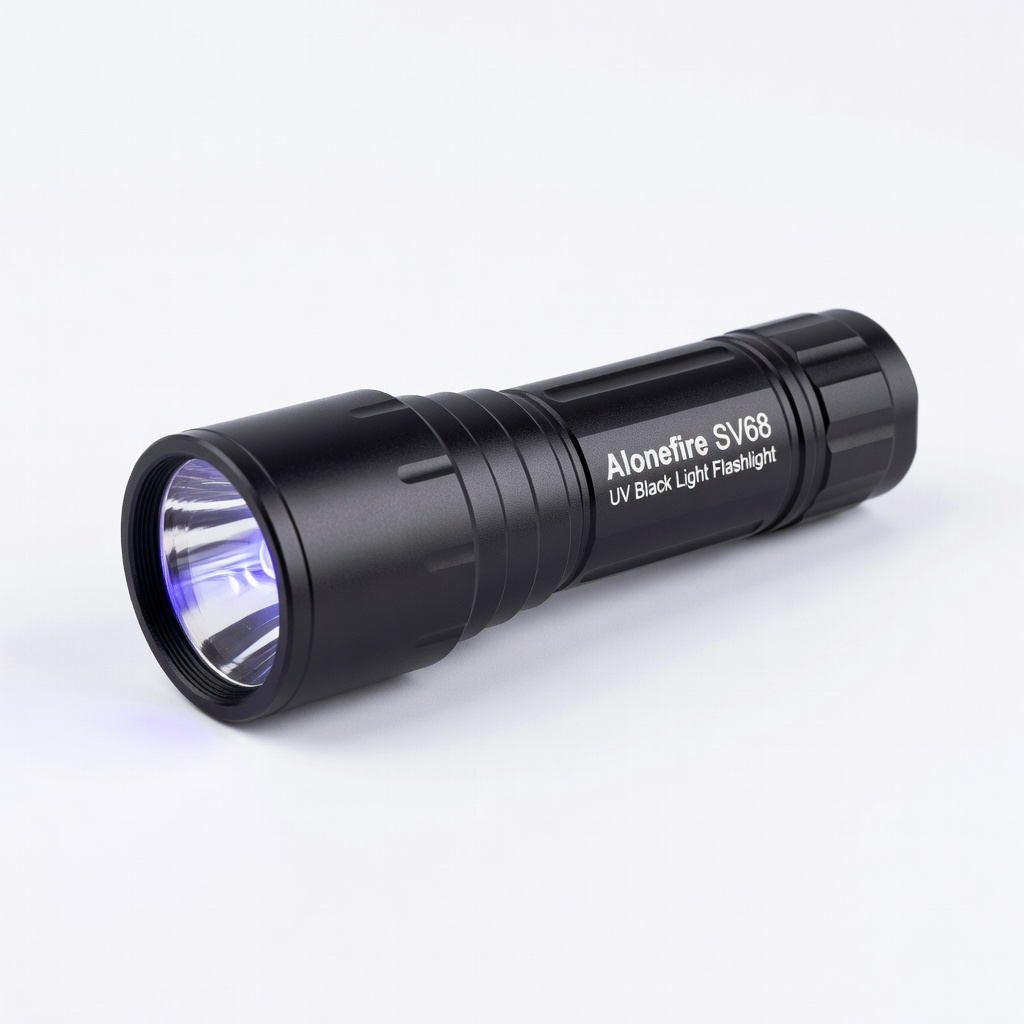
Detects hidden repairs and modern glues that glow under UV.
Best for: Authenticity check in step 7, especially on veneers.
Price Range: $15.99
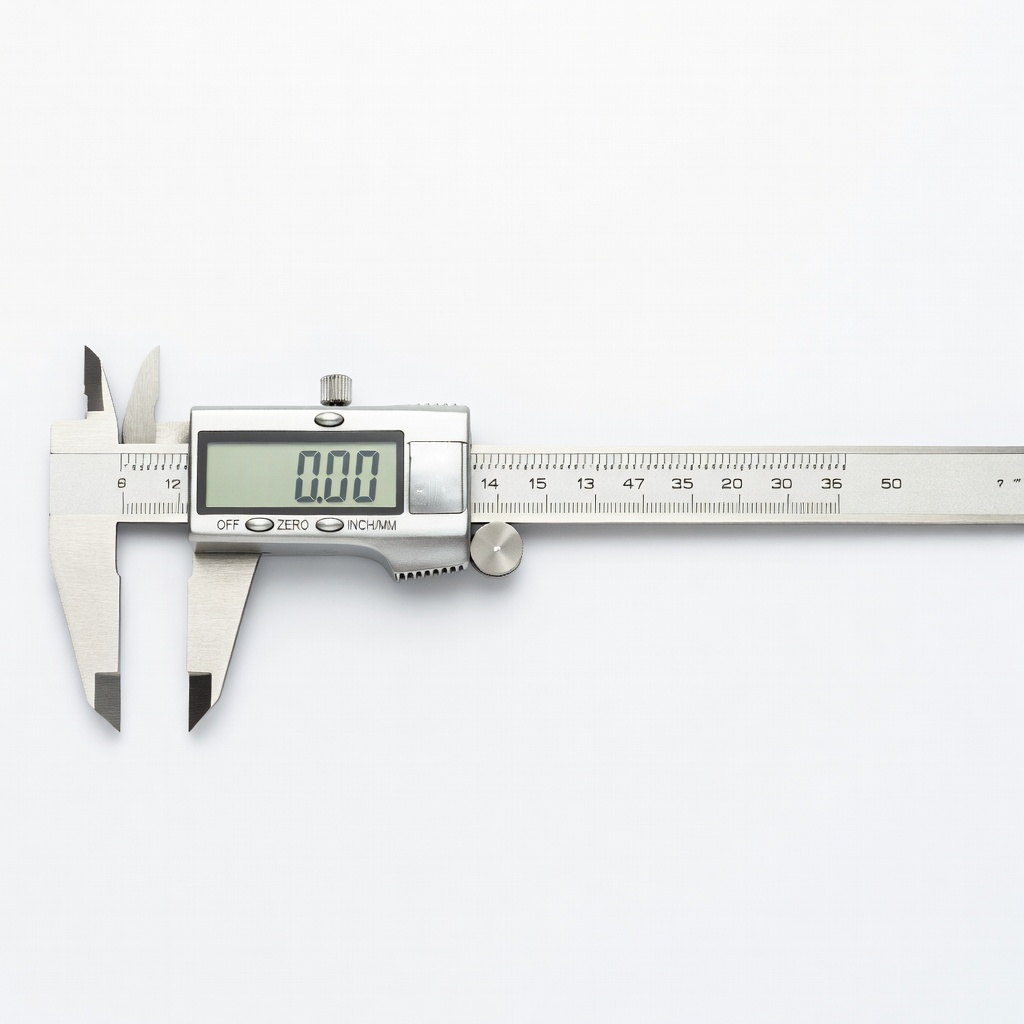
Precise measurements for proportions beyond tape accuracy.
Best for: Step 2 for joinery and drawer sizing verification.
Price Range: $25.99
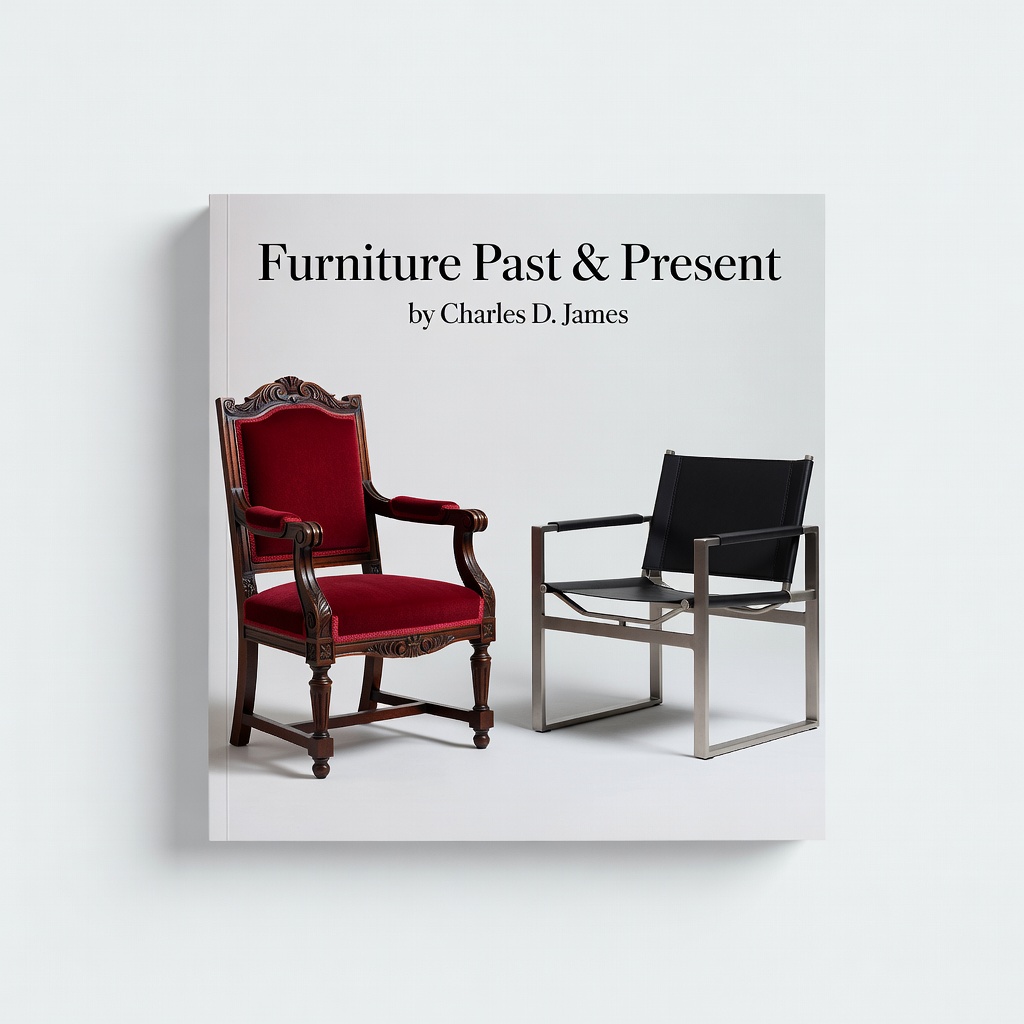
Comprehensive visual guide to styles and details.
Best for: Reference for steps 1 and 8; offline companion.
Price Range: $29.95
Bright, focused beam for dark undersides without shadows.
Best for: All inspection steps, especially joinery.
Price Range: $19.99
Close-up checks on hardware and labels during steps 3-6.
SE MGMTV03 20x Triplet Jewelers Eye Loupe Essential for inspecting fine joinery, marks, and grain without strain.
Authenticity check in step 7, especially on veneers.
Alonefire SV68 UV Black Light Flashlight Detects hidden repairs and modern glues that glow under UV.
Step 2 for joinery and drawer sizing verification.
Neiko 01407A 6" Electronic Digital Caliper Precise measurements for proportions beyond tape accuracy.
Reference for steps 1 and 8; offline companion.
Furniture Past & Present by Charles D. James Comprehensive visual guide to styles and details.
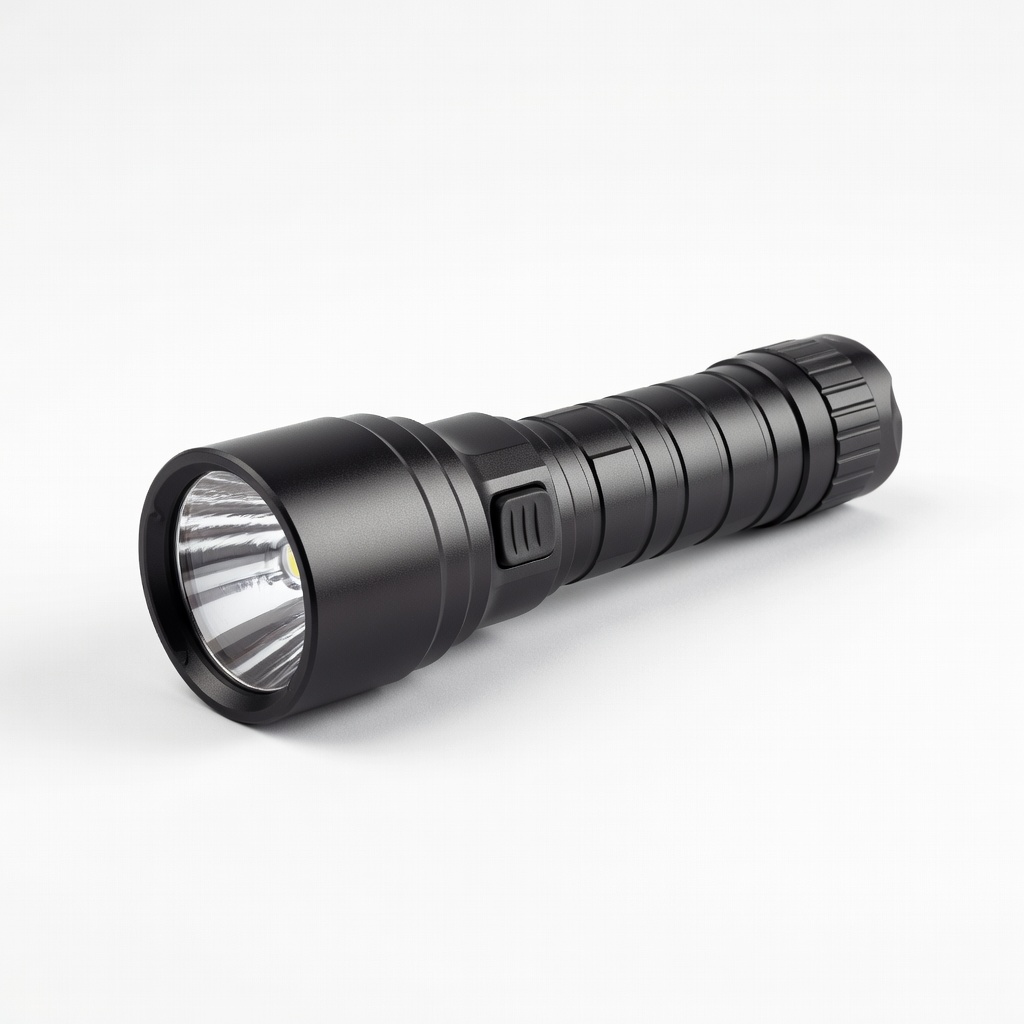
All inspection steps, especially joinery.
Energizer LED Tactical Flashlight Bright, focused beam for dark undersides without shadows.