
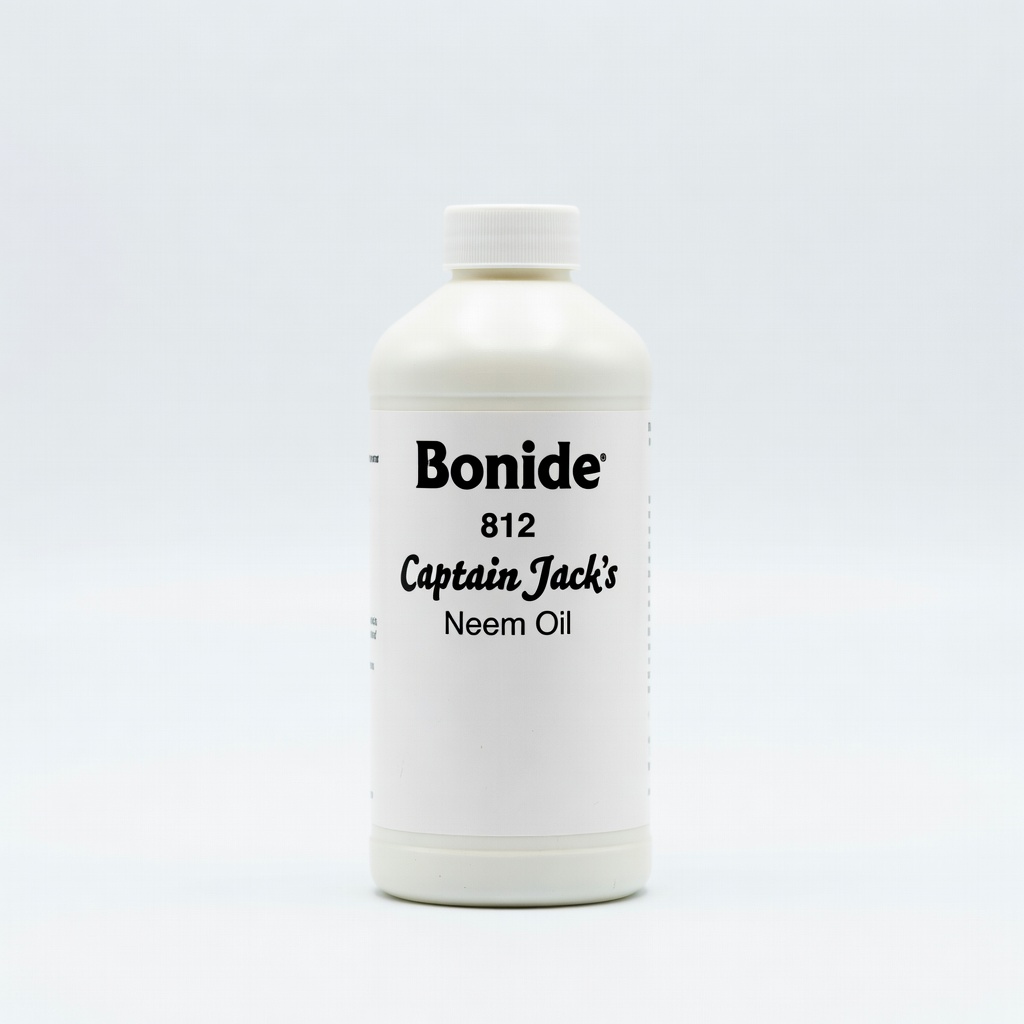
Bonide 812 Captain Jack's Neem Oil
Spray on soft-bodied pests weekly.
$14.99
Bonide 812 Captain Jack's Neem Oil Ready-to-use broad-spectrum organic insecticide effective against aphids, mites, and whiteflies.
Get the App
Better experience on mobile
Spot and eliminate aphids, slugs, spider mites, and more using safe, natural methods to keep your garden thriving without harsh chemicals.
Garden pests can turn your lush paradise into a battleground overnight, munching through leaves, stems, and fruits while spreading diseases. As an intermediate gardener, you know prevention is key, but when infestations hit, organic treatments offer effective, eco-friendly solutions that protect beneficial insects like bees and ladybugs.
In this guide, you'll learn to inspect your garden, identify the most common culprits, and apply targeted organic remedies. By the end, you'll have healthier plants and a sustainable pest management routine. The process involves regular scouting and simple applications—expect 20-30 minutes weekly for inspections and 15-30 minutes per treatment.
No advanced skills needed, just observation and consistency. Follow these steps for chemical-free success.
Estimated Time: 30-60 minutes for initial inspection and treatment; 20 minutes weekly for monitoring Difficulty: intermediate
Start by setting a weekly routine to walk your garden at dawn or dusk when pests are most active. Check under leaves, along stems, and soil surfaces systematically, row by row.
Use your magnifying glass to examine plants closely. Look for clues like sticky honeydew, webbing, holes in leaves, or frass (insect poop). Early detection prevents small issues from becoming infestations—success here means spotting problems before visible damage spreads.
What to expect: Healthy gardens have some pests, but organic control keeps them below damaging levels. Note locations and severity in your notebook.
💡 Tips:
⚠️ Warnings:
Match observations to these top organic-treatable pests:
Why it matters: Wrong ID leads to ineffective treatments. Success: Confident labeling of the pest with photos or sketches.
Use apps like iNaturalist for confirmation if unsure.
💡 Tips:
⚠️ Warnings:
Mix remedies fresh for each use. For neem oil: 1-2 tsp per quart water + 1/4 tsp dish soap (emulsifier), shake well. Insecticidal soap: Dilute per label (usually 1-2 tbsp/gallon). Diatomaceous earth (DE): Dust dry powder directly.
BT for caterpillars: Mix per instructions, refrigerate unused.
Why: Proper dilution ensures efficacy without burning plants. Expect foamy mixes for soaps—test on one leaf first overnight.
💡 Tips:
⚠️ Warnings:
Spray insecticidal soap or neem oil thoroughly on undersides of leaves where pests hide. Reapply every 3-5 days until pests are gone (usually 1-2 weeks).
These contact killers suffocate pests. Success: Pests drop off within hours; no new honeydew after 48 hours.
Pro move: Blast with strong water spray first to dislodge.
💡 Tips:
For mites, repeat neem sprays weekly; increase humidity by misting plants. Dust DE around plant bases for ants, slugs—reapply after rain.
DE dehydrates exoskeletons. Expect: Mites gone in 7-10 days; no new webbing.
💡 Tips:
⚠️ Warnings:
Apply BT spray to leaves for caterpillars—they stop eating within days and die. For slugs, scatter iron phosphate bait (Sluggo) or DE at night.
Success: No new damage after 3-5 days; caterpillars turn black.
💡 Tips:
Re-inspect 3-7 days post-treatment. Reduce if pests decline; stop when gone. Rotate treatments to prevent resistance.
Track in notebook for patterns.
💡 Tips:
Encourage predators with flowers (marigolds), mulch to deter weeds/slugs, and companion planting (basil repels aphids).
Long-term success: Fewer outbreaks next season.
💡 Tips:
Problem: Treatment not working after 1 week
Solution: Re-identify pest; increase frequency or switch (e.g., neem to soap). Check for eggs.
Problem: New infestations spreading fast
Solution: Quarantine plants; improve airflow by pruning.
Problem: Leaf burn or wilting post-treatment
Solution: Dilute more; test small area. Use shade cloth if hot.
Problem: Slugs persist despite bait
Solution: Check for breeding sites under pots; use beer traps as supplement.
Problem: When to call pro: Severe damage or unknown pests
Solution: Contact extension service for samples.
Ready-to-use broad-spectrum organic insecticide effective against aphids, mites, and whiteflies.
Best for: Spray on soft-bodied pests weekly.
Price Range: $14.99
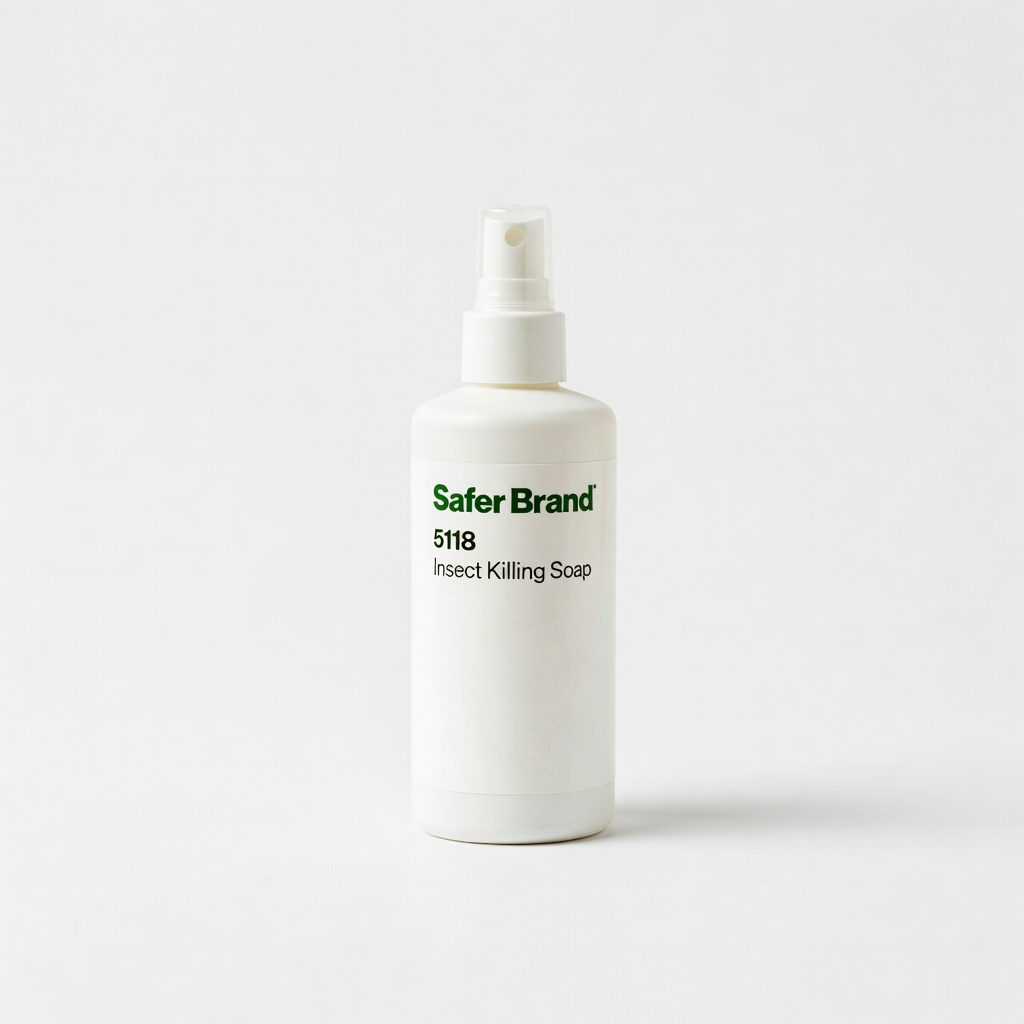
Potassium-based soap kills on contact without residue, safe for edibles.
Best for: Quick knockdown for aphids and whiteflies.
Price Range: $12.97
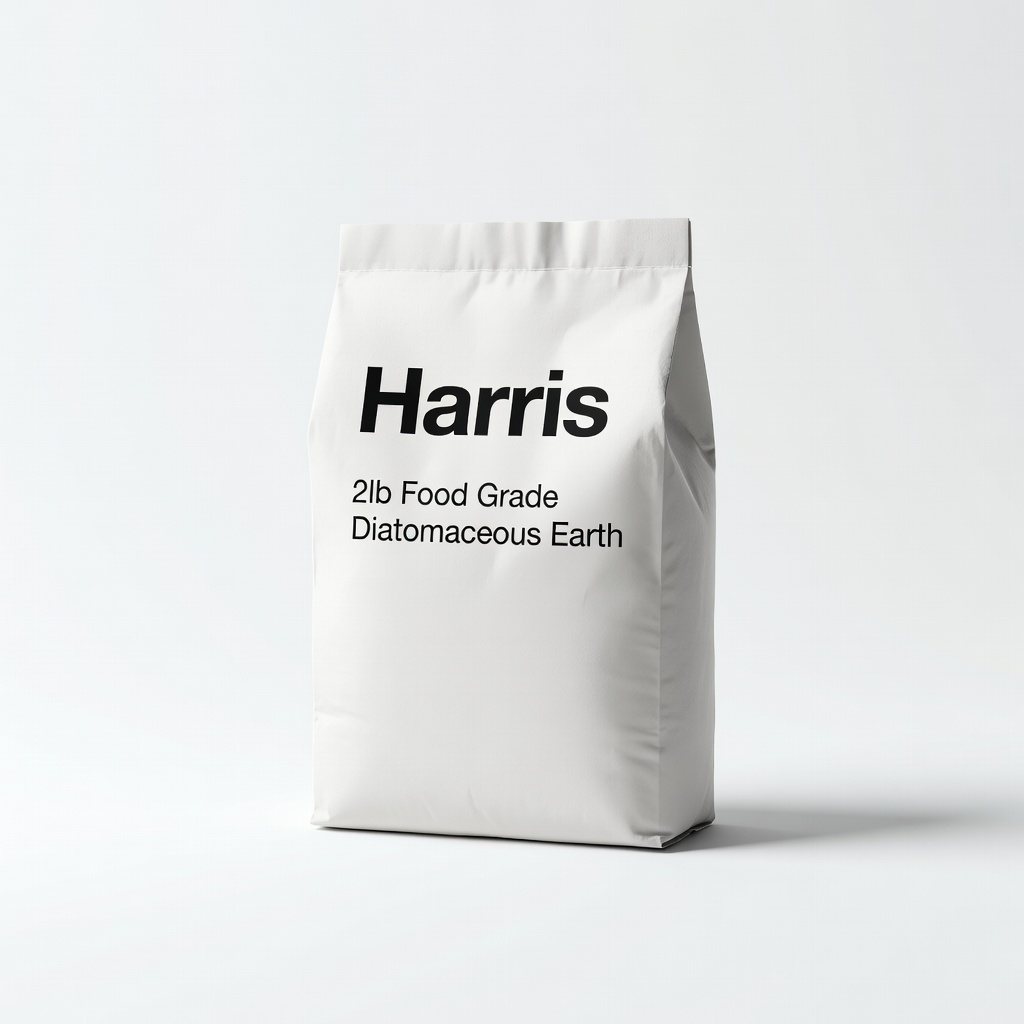
Natural powder dehydrates slugs, ants, and crawling pests mechanically.
Best for: Dust bases of plants; reapply after rain.
Price Range: $12.99
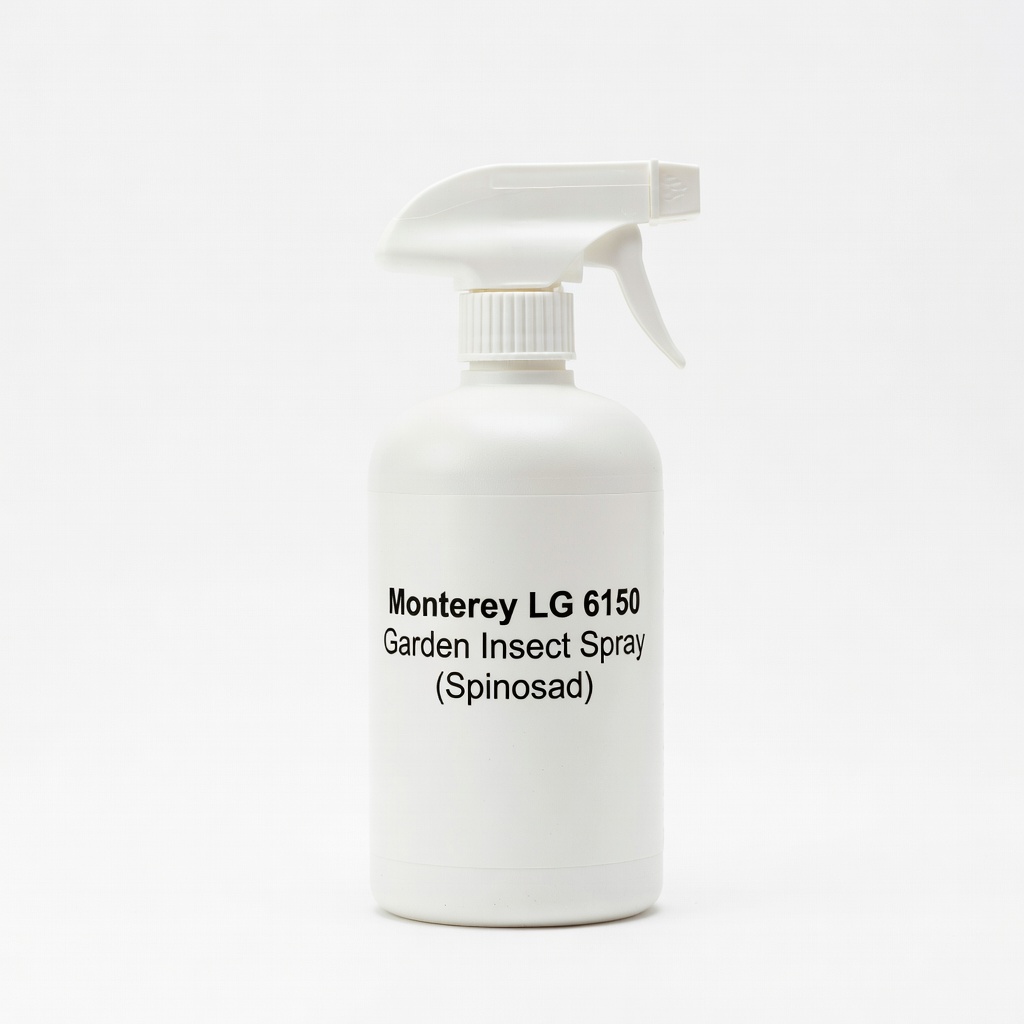
OMRI-listed organic for caterpillars and thrips, fast-acting.
Best for: Targeted spray for chewing insects.
Price Range: $19.99
Iron phosphate pellets safe for pets/kids, attracts and kills slugs organically.
Best for: Evening scatter in moist areas.
Price Range: $9.99
Spray on soft-bodied pests weekly.
Bonide 812 Captain Jack's Neem Oil Ready-to-use broad-spectrum organic insecticide effective against aphids, mites, and whiteflies.
Quick knockdown for aphids and whiteflies.
Safer Brand 5118 Insect Killing Soap Potassium-based soap kills on contact without residue, safe for edibles.
Dust bases of plants; reapply after rain.
Harris 2lb Food Grade Diatomaceous Earth Natural powder dehydrates slugs, ants, and crawling pests mechanically.
Targeted spray for chewing insects.
Monterey LG 6150 Garden Insect Spray (Spinosad) OMRI-listed organic for caterpillars and thrips, fast-acting.
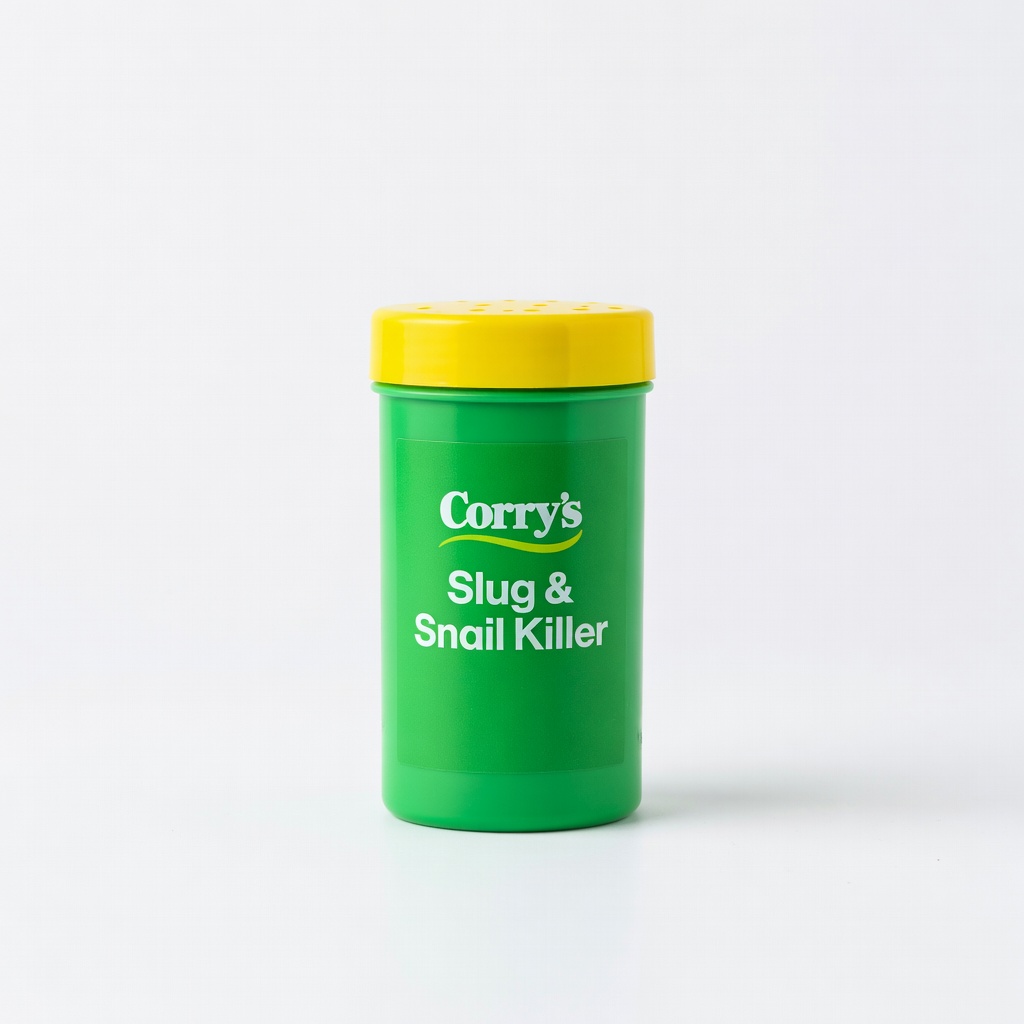
Evening scatter in moist areas.
Corry's Slug & Snail Killer Iron phosphate pellets safe for pets/kids, attracts and kills slugs organically.