
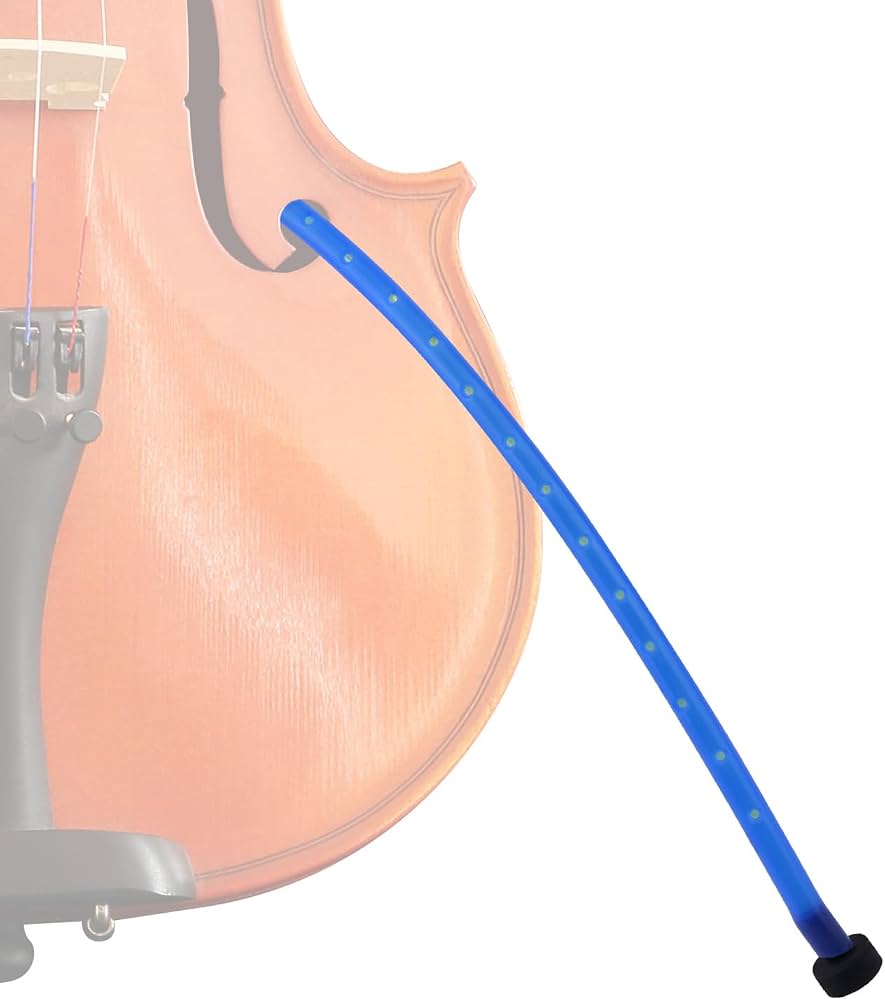
Dampit Violin Humidifier
Ideal for daily case storage in homes below 30% RH.
$17.99
Dampit Violin Humidifier Gold standard tube-style soaker; expands/contracts safely to maintain even internal humidity.
Get the App
Better experience on mobile
Protect your violin from cracks and warping with simple, effective humidification steps for dry environments—achieve stable 45-55% humidity in under 30 minutes.
Dry climates can wreak havoc on acoustic violins, causing the wood to shrink, crack, or warp—especially the delicate spruce top and maple back. If you've noticed buzzing strings, seam separations, or a dull tone, low humidity (below 40%) is likely the culprit. Intermediate players know maintenance is key, but proper humidification prevents costly repairs.
In this guide, you'll learn proven methods to safely raise and maintain humidity levels using tools like a hygrometer and violin-specific humidifiers. We'll cover monitoring, setup, and ongoing care with step-by-step instructions. Expect 20-30 minutes for initial setup, plus 5 minutes weekly checks—easy for intermediate luthier-savvy users.
By the end, your violin will stay protected year-round, sounding its best even in arid winters or heated rooms.
Estimated Time: 20-30 minutes initial setup + 5 minutes weekly maintenance Difficulty: intermediate
Place a digital hygrometer inside your violin's case and another near your practice area. Close the case for 24 hours, then check readings. Ideal humidity for violins is 45-55% RH (relative humidity); below 40% requires immediate action.
This baseline tells you how dry conditions are affecting your instrument. Expect low teens or 20s in winter dry climates like deserts or heated homes.
Pro tip: Position hygrometers away from direct light or drafts for accuracy.
💡 Tips:
⚠️ Warnings:
Select a violin-specific humidifier: tube-style (e.g., Dampit) for inside the instrument or two-way pouches (e.g., Humidipak) for the case. Soak tube humidifiers in lukewarm distilled water for 2-5 minutes until saturated but not dripping.
Why it matters: These maintain even moisture without over-wetting. Squeeze gently to remove excess water—success looks like a moist sponge that doesn't leak.
Tube types insert via f-holes; pouches sit in the case.
💡 Tips:
⚠️ Warnings:
For tube humidifiers, thread slowly through one f-hole, looping inside the body, and out the other f-hole. Hang ends outside evenly. Place the violin in its case.
This positions moisture near the soundpost and plates for even distribution. Expect a slight misty feel inside after 1-2 days—no puddles.
Pouch users: Place 2-3 pouches under the bridge in the case.
💡 Tips:
⚠️ Warnings:
Close the case tightly. Re-check hygrometer after 12-24 hours—aim for 45-55%. Adjust by re-soaking if needed.
A well-sealed case traps humidity like a mini-climate chamber. Success: Steady rise without exceeding 60%.
💡 Tips:
⚠️ Warnings:
Check hygrometer every 3-7 days. Re-soak tube when dry (feels lightweight) or replace pouches every 2-4 weeks.
Consistency prevents fluctuations that stress wood. Track in a notebook for patterns.
In extreme dry (<20%), check daily first week.
💡 Tips:
⚠️ Warnings:
For practice sessions, use a room humidifier set to 40-50%. Wipe violin dry before returning to case.
Prevents shock from dry air exposure. Expect better playability and tone stability.
💡 Tips:
⚠️ Warnings:
Monthly, check for seam gaps, swelling, or white mold. If issues persist, consult luthier.
Ongoing vigilance ensures longevity. Success: No new cracks, stable tone.
💡 Tips:
⚠️ Warnings:
Problem: Humidity won't rise above 30%
Solution: Check case seal with tape test; use larger humidifier or add room unit. Ensure distilled water.
Problem: Mold spots appear
Solution: Dry violin fully in 40% RH; clean with soft cloth. Use two-way pouches to prevent over-humidity.
Problem: Buzzing or open seams
Solution: Stabilize humidity first 2 weeks, then luthier reglue. Don't play until fixed.
Problem: Hygrometer inaccurate
Solution: Replace battery or calibrate in 50% chamber (salt test). Seek pro if persistent.
Gold standard tube-style soaker; expands/contracts safely to maintain even internal humidity.
Best for: Ideal for daily case storage in homes below 30% RH.
Price Range: $17.99
Precise, battery-powered with large display and memory for max/min readings—essential for monitoring.
Best for: Place one in case, one in room for violin-specific tracking.
Price Range: $11.99
Self-regulating pouches absorb/release moisture—no soaking needed, perfect for forgetful users.
Best for: Case-only humidification during travel or gigs.
Price Range: $19.99 (3-pack)
Bluetooth app alerts for out-of-range humidity; set custom violin-safe thresholds.
Best for: Tech-savvy intermediates wanting remote monitoring.
Price Range: $15.99
Affordable clip-on sponge system; easy for quick refills.
Best for: Budget option for secondary violins.
Price Range: $12.99
Ideal for daily case storage in homes below 30% RH.
Dampit Violin Humidifier Gold standard tube-style soaker; expands/contracts safely to maintain even internal humidity.
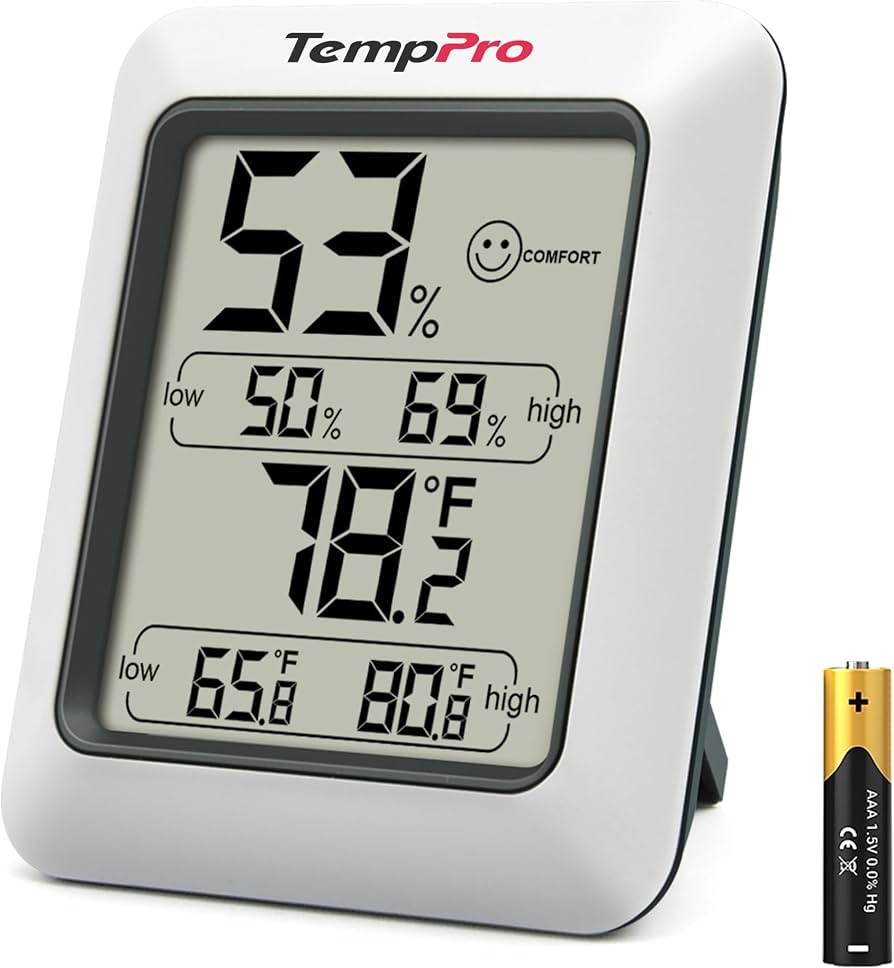
Place one in case, one in room for violin-specific tracking.
ThermoPro TP50 Digital Hygrometer Precise, battery-powered with large display and memory for max/min readings—essential for monitoring.
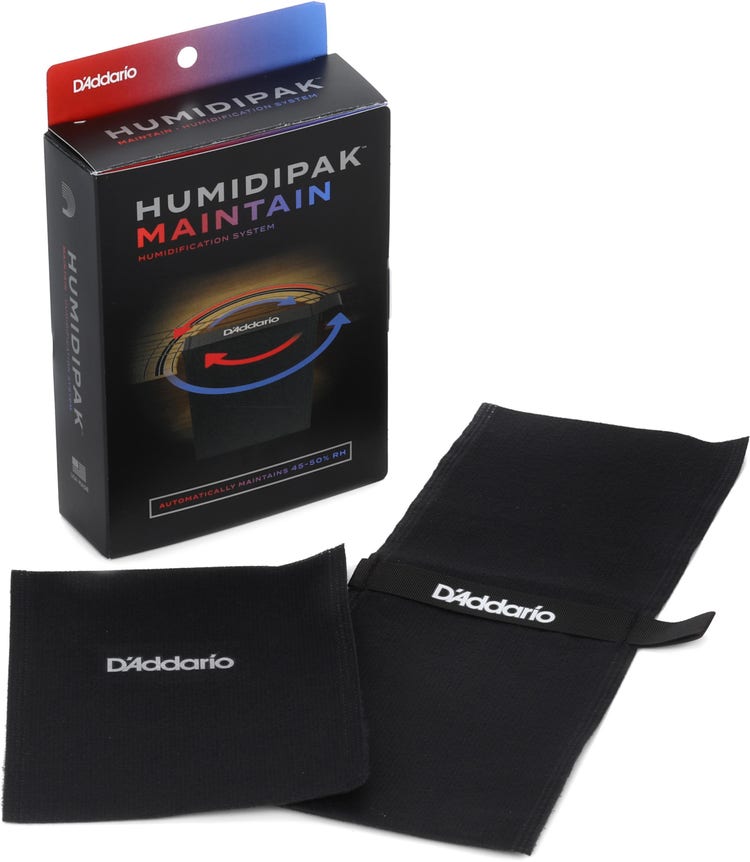
Case-only humidification during travel or gigs.
D'Addario Humidipak Two-Way Humidity Control (Violin) Self-regulating pouches absorb/release moisture—no soaking needed, perfect for forgetful users.
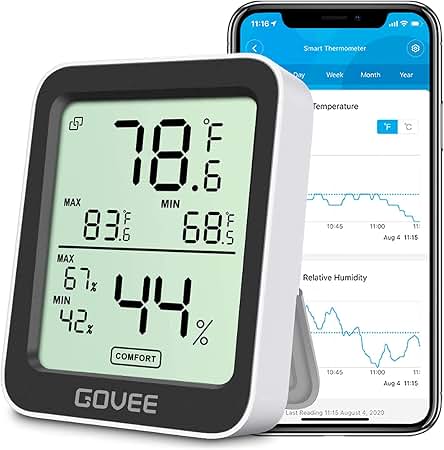
Tech-savvy intermediates wanting remote monitoring.
Govee H5075 Hygrometer Thermometer Bluetooth app alerts for out-of-range humidity; set custom violin-safe thresholds.
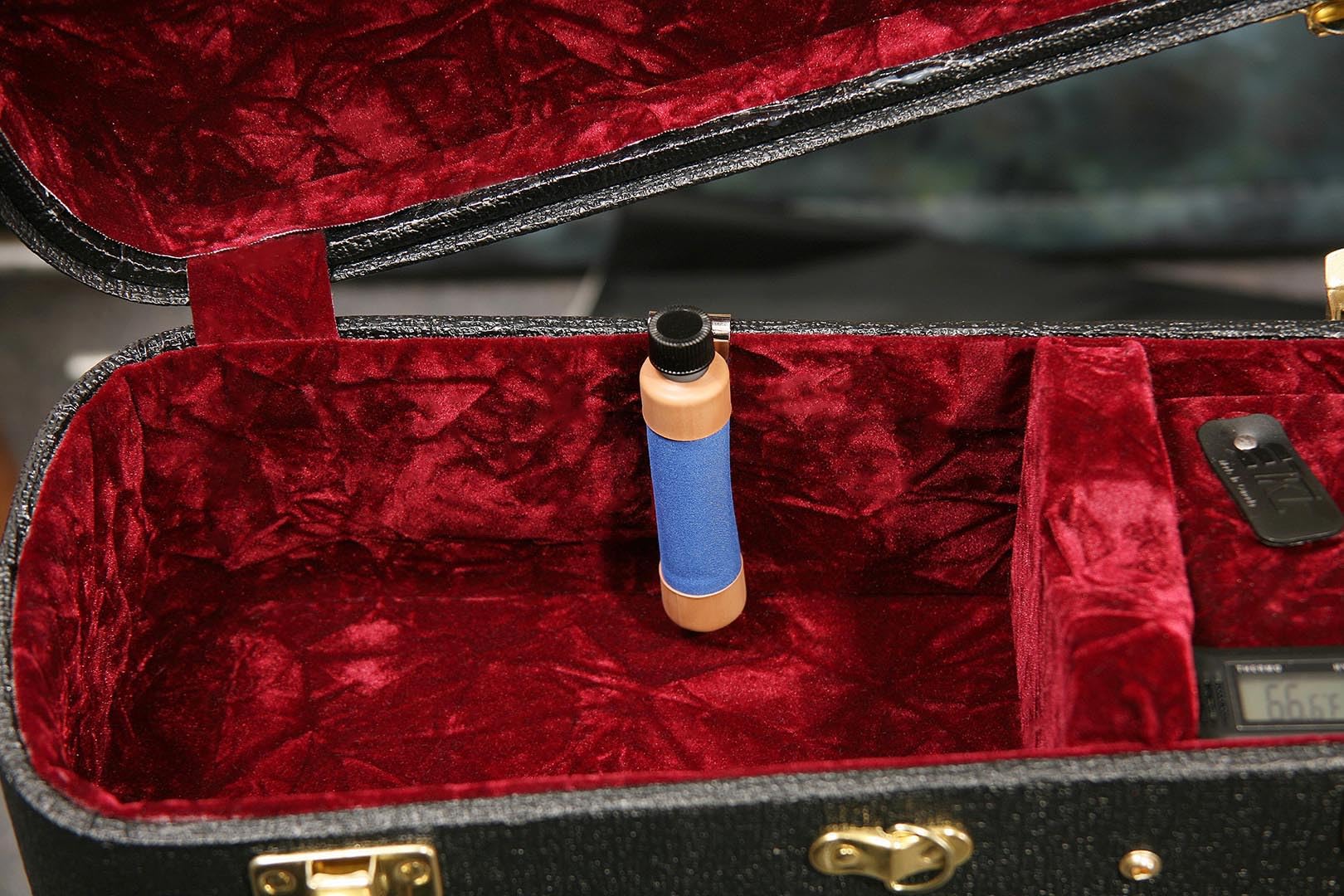
Budget option for secondary violins.
Oasis OH-1C Violin Case Humidifier Affordable clip-on sponge system; easy for quick refills.