Ill-fitting active shorts can bunch up, ride up, or feel restrictive during workouts, throwing off your performance and comfort. Whether you've bought a great pair that's just a tad too long or want to repurpose old favorites, hemming them yourself saves money and ensures a perfect custom fit.
In this guide, you'll learn step-by-step how to hem stretchy active shorts while preserving their flexibility—no more sagging hems or lost elasticity. We'll cover marking, cutting, folding, and sewing with tips for knits. Expect 30-45 minutes per pair, assuming intermediate sewing skills like basic machine operation.
By the end, your shorts will have a clean, durable hem ready for squats, runs, or yoga, looking and feeling custom-made.
▸What You'll Need
- •Sewing machine with zigzag or stretch stitch capability (required)
- •Ballpoint or stretch needles (size 80/12, required for knits)
- •Matching polyester or stretch thread (required)
- •Measuring tape or ruler
- •Fabric chalk or washable marker
- •Sharp fabric scissors or rotary cutter
- •Straight pins or clips (for stretch fabric)
- •Iron and ironing board
- •Seam ripper (optional for adjustments)
Estimated Time: 30-45 minutes per pair
Difficulty: intermediate
▸Step-by-Step Instructions
Step 1: Prepare Your Workspace and Materials
Set up a clean, well-lit area with your ironing board nearby. Gather all tools and thread your sewing machine with stretch-friendly polyester thread. Install a fresh ballpoint needle to prevent skipped stitches on knit fabrics.
Why it matters: Active shorts are typically made from spandex blends, which require specific tools to avoid puckering or breaking elasticity. Test your machine on a scrap of similar fabric.
Success looks like: Machine ready, workspace organized—no hunting for pins mid-project.
💡 Tips:
- •Use clips instead of pins if fabric shifts easily.
⚠️ Warnings:
- •Avoid metal needles; they can snag stretch fibers.
Step 2: Try On Shorts and Mark Desired Length
Wear the shorts (or have a model try them) with shoes or socks you'll use during activity. Fold up the excess fabric to your ideal length—typically 1-2 inches above the knee for optimal mobility.
Mark the fold line lightly with chalk on both legs, inside and out. Stand straight and move around to ensure the length feels right.
Success: Consistent marks on both legs, no bunching when you squat.
💡 Tips:
- •Mark 1/2 inch below your final hem for fold allowance.
Step 3: Measure and Confirm Hemline
Lay shorts flat, legs aligned. Use a measuring tape to measure from the current hem to your mark on both sides of each leg—ensure symmetry within 1/8 inch.
Re-mark if needed. This prevents uneven legs post-hem.
Expect: Precise, mirrored measurements for a pro finish.
⚠️ Warnings:
- •Don't rush—uneven hems are hard to fix later.
Step 4: Cut Off Excess Fabric
Turn shorts inside out. Cut straight across 1 inch below your hem mark (allows for 1/2-inch double-fold hem plus seam allowance).
Cut both legs evenly. For stretch fabric, cut with scissors perpendicular to fibers.
Success: Clean, straight raw edges ready for folding—no jagged cuts.
💡 Tips:
- •Use a rotary cutter on a mat for straighter edges.
Step 5: Fold and Press First Hem Line
Fold the raw edge up 1/4 inch to wrong side and press with medium heat (no steam on synthetics). This encases the cut edge.
Why: Prevents fraying and raveling in activewear washes.
Press firmly for a crisp fold.
Step 6: Fold and Pin Final Hem
Fold up another 1/4-1/2 inch to match your marked hemline, enclosing the raw edge. Pin or clip securely, easing in fullness for stretch.
Check length by flipping right side out.
Success: Smooth, even fold that lays flat.
💡 Tips:
- •Use more clips on curves for better hold.
⚠️ Warnings:
- •Over-tight fold kills stretch—keep it loose.
Step 7: Sew the Hem with Stretch Stitch
Sew from inside, 1/8 inch from folded edge using zigzag, triple stretch, or twin needle stitch (2.5-3mm width, 2.5 length).
Stretch fabric slightly as you sew to mimic wear. Backstitch at ends.
Why: Standard straight stitch breaks on movement.
Test: Hem stretches without popping.
Step 8: Finish, Press, and Test Fit
Trim threads, press hem flat (right side out). Try on and move vigorously.
Adjust if needed with seam ripper.
Success: Invisible, flexible hem that performs like new.
💡 Tips:
- •Topstitch lightly on right side with twin needle for sporty look.
▸Pro Tips
- •Pre-wash shorts to account for shrinkage before hemming.
- •Test stitch tension on scrap—looser for stretch.
- •Use LED light on machine for precise sewing on dark fabrics.
- •Hem while slightly damp for easier pressing.
- •For high-end finish, serge raw edge before folding.
- •Mark with disappearing ink pen for synthetics.
- •Sew hems separately if legs differ slightly.
▸Common Mistakes to Avoid
- •Using straight stitch on stretch fabric—causes breakage; switch to zigzag.
- •Uneven cutting/measuring—leads to crooked legs; double-check flat.
- •Ironing too hot—melts synthetics; use synthetic setting.
- •Skipping press—results in bubbly hems; always press folds.
- •Tight pinning—distorts stretch; use clips loosely.
▸Troubleshooting
Problem: Skipped stitches or puckering
Solution: Switch to ballpoint needle, loosen tension, use stretch thread.
Problem: Uneven hem after sewing
Solution: Rip out with seam ripper, re-pin while stretched evenly, re-measure.
Problem: Hem won't lay flat
Solution: Steam press lightly or topstitch to secure; avoid over-folding.
Problem: Lost stretch in hem
Solution: Resew with wider zigzag or twin needle; don't pull fabric taut.
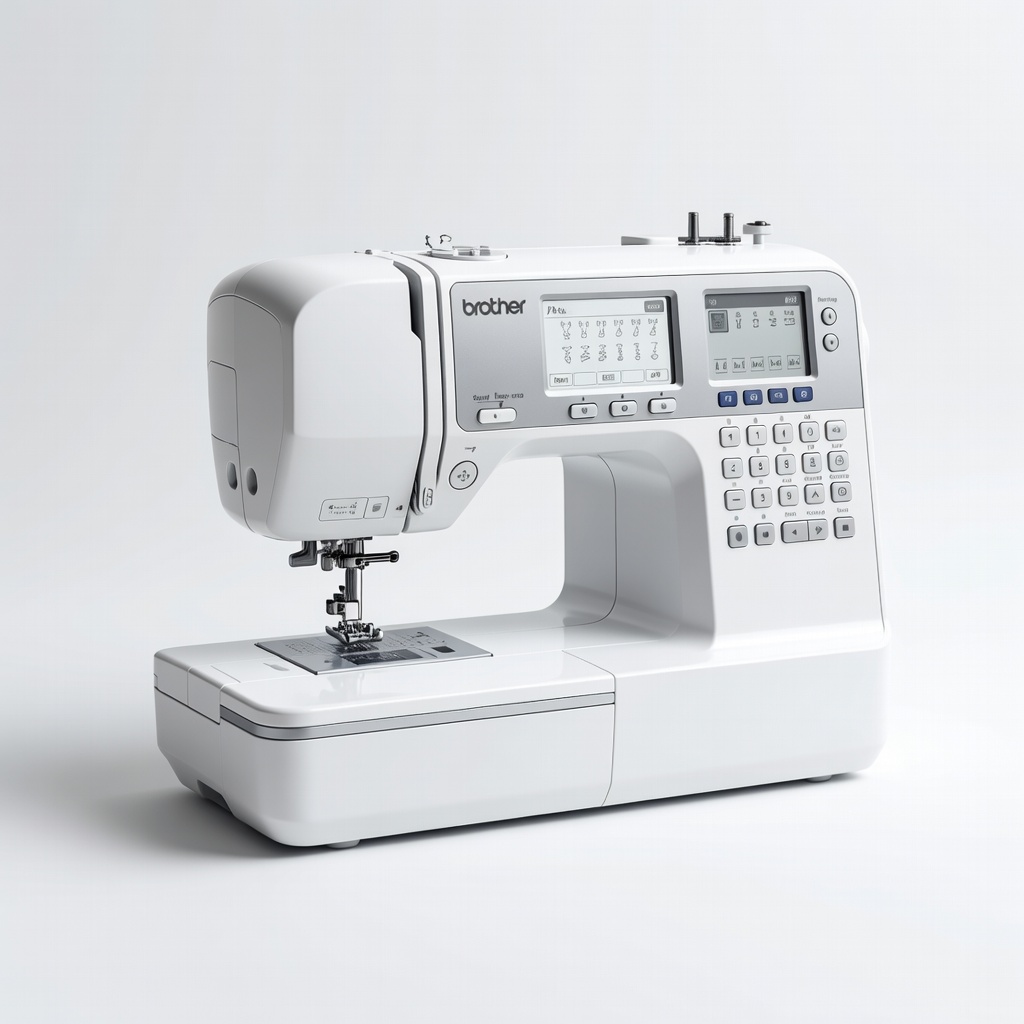
Brother CS6000i Computerized Sewing Machine
Handles stretch fabrics effortlessly with 60 built-in stitches including zigzag and stretch options, perfect for activewear hems.
Best for: Main sewing tool for precise, professional hems on multiple projects.
Price Range: $169.99
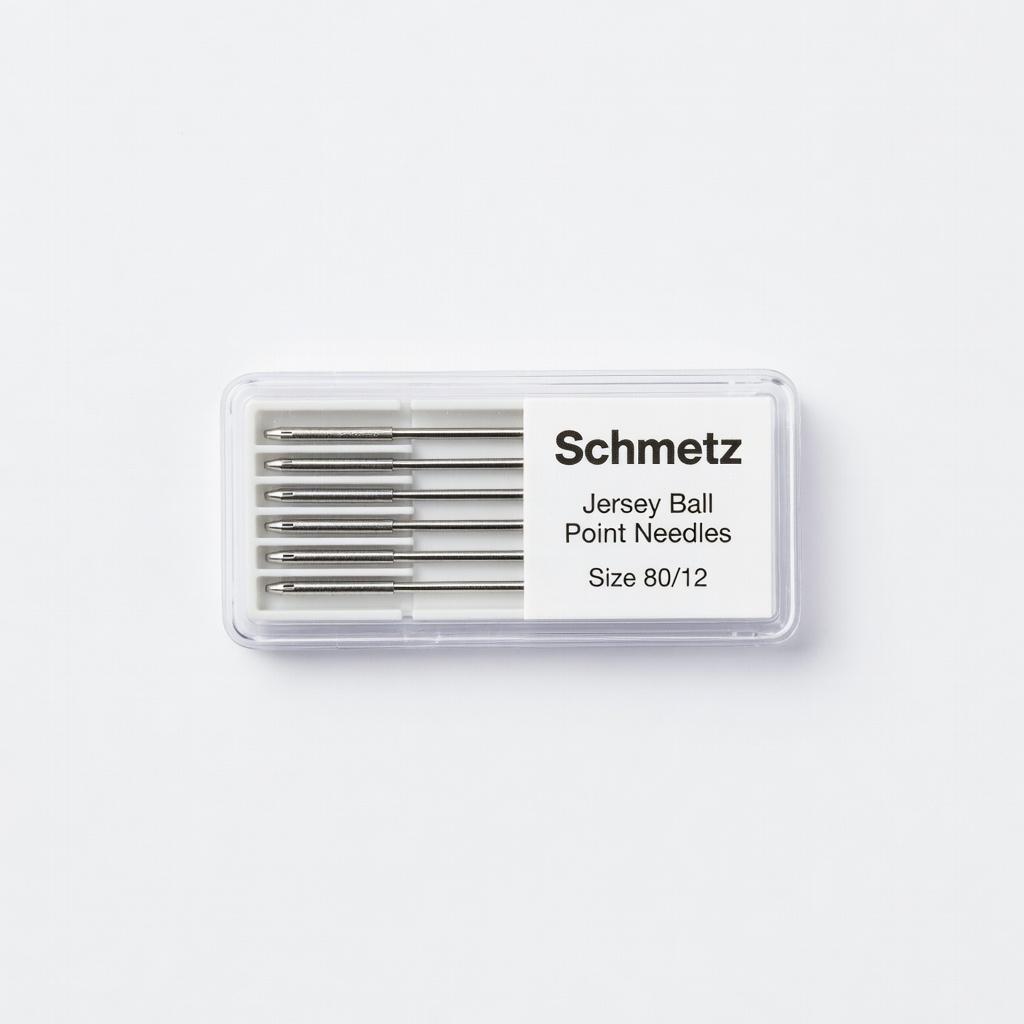
Schmetz Jersey Ball Point Needles Size 80/12
Designed for knits and stretch fabrics, prevents snags and skipped stitches common in active shorts.
Best for: Essential needle swap for hemming synthetics.
Price Range: $4.99-$6.99
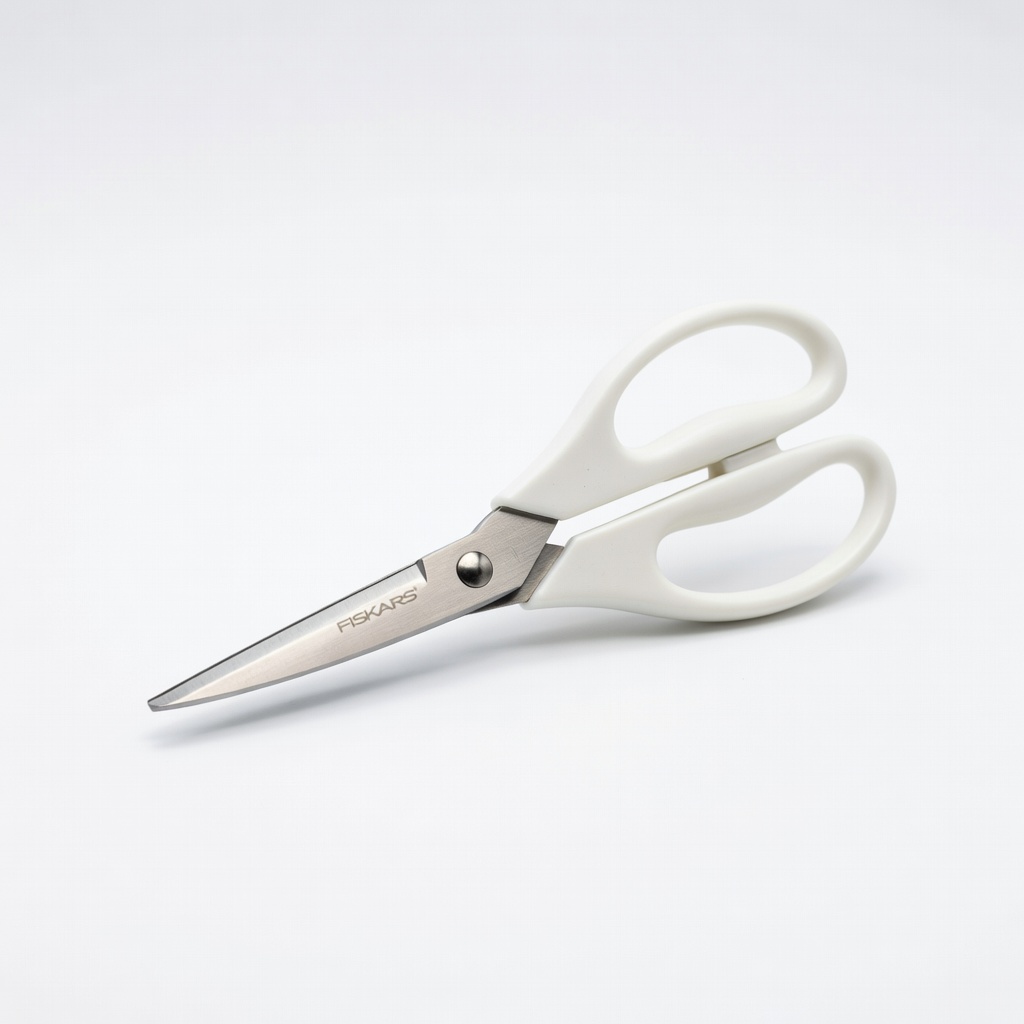
Fiskars 8-Inch Fabric Scissors
Sharp, serrated edge cuts stretch fabric cleanly without fraying.
Best for: Trimming excess length accurately.
Price Range: $14.99
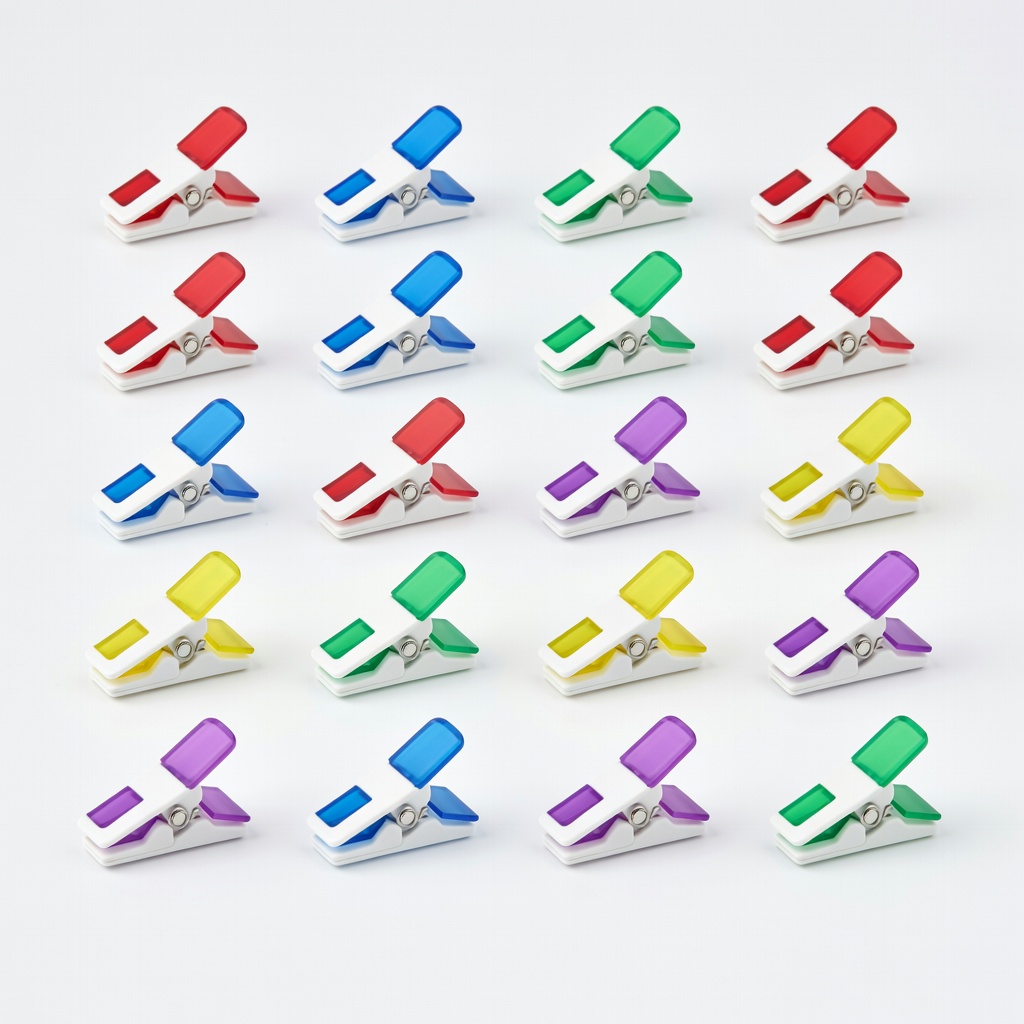
Clover Wonder Clips (20 Pack)
Better than pins for holding stretch hems without distortion.
Best for: Securing folds securely.
Price Range: $9.99
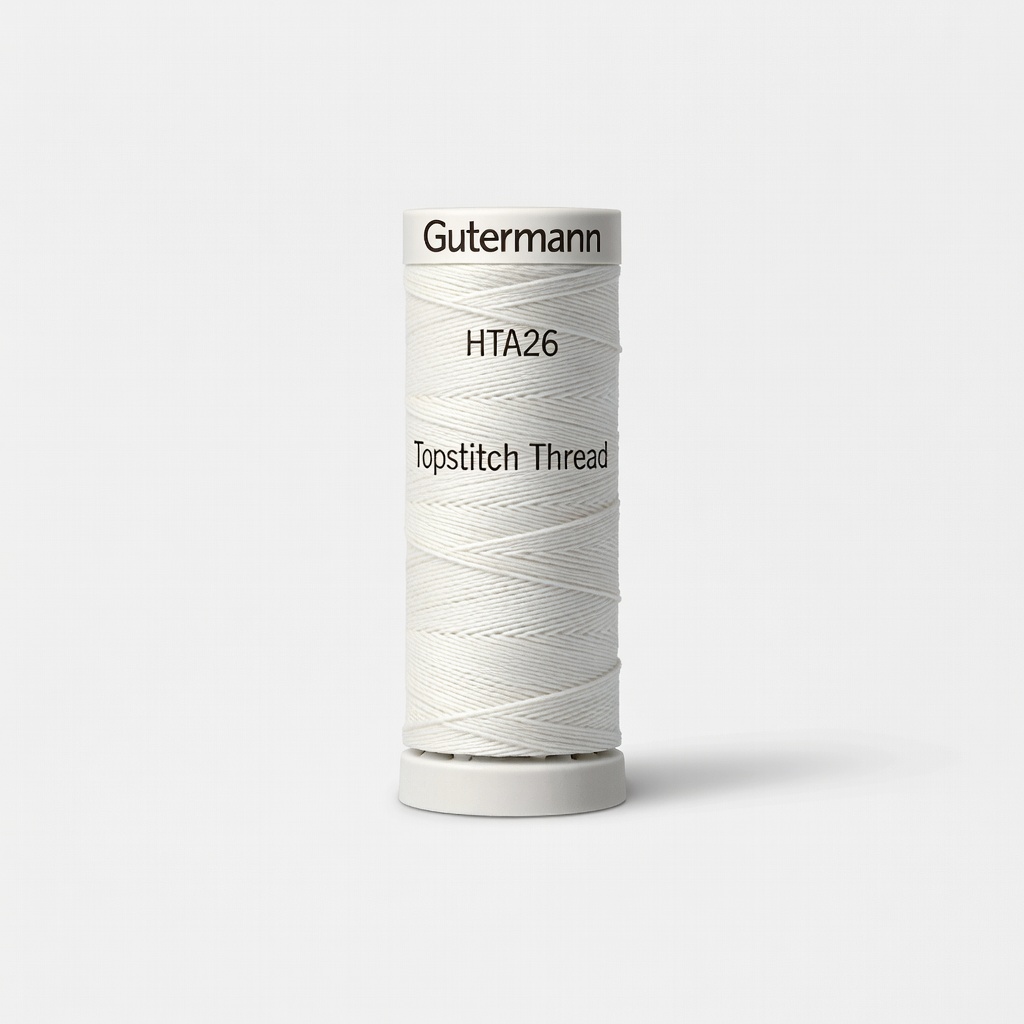
Gutermann HTA26 Topstitch Thread
High-tenacity polyester thread ideal for durable, flexible hems on activewear.
Best for: Matching thread for sewing.
Price Range: $4.49