
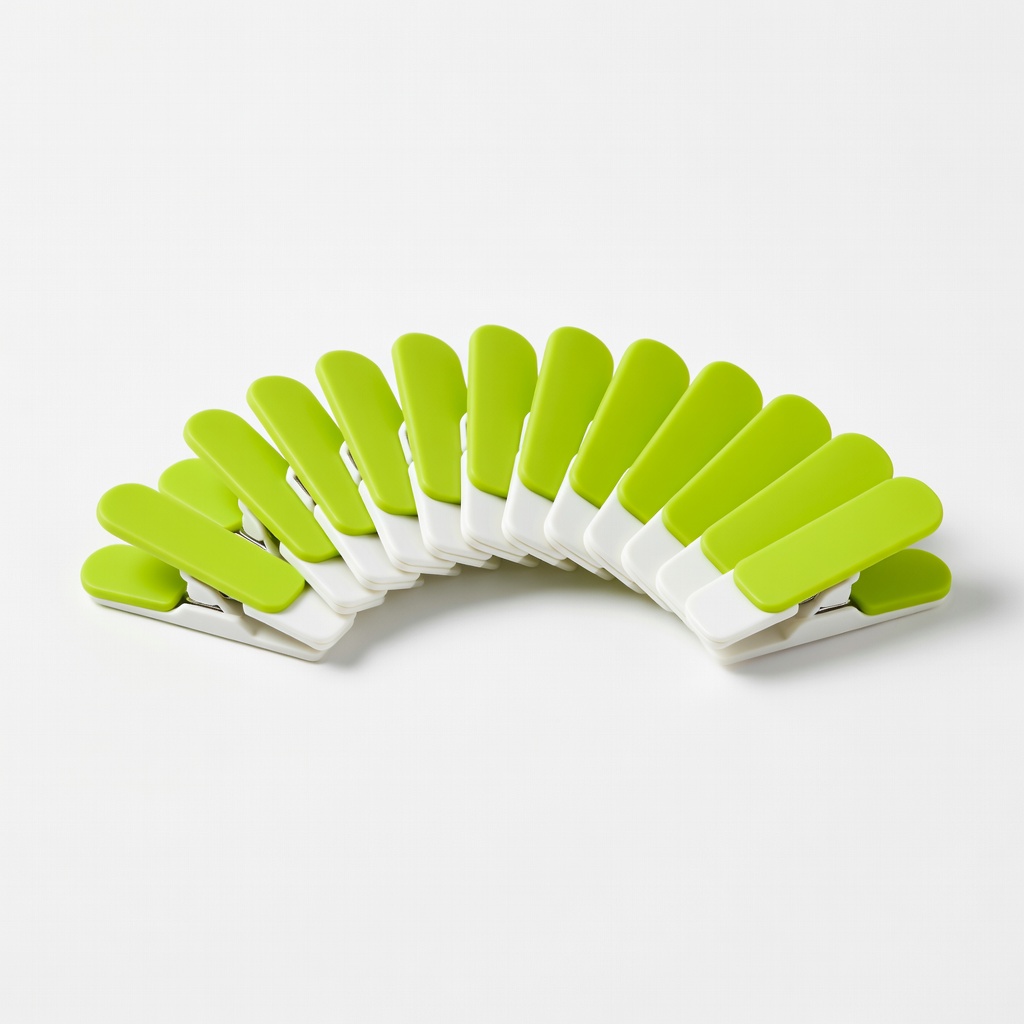
Clover Wonder Clips (50-pack)
Securing folds on spandex cycling pants before sewing.
$8.99
Clover Wonder Clips (50-pack) Essential for holding stretch hems without distorting fabric like pins do.
Get the App
Better experience on mobile
Achieve a custom, bunch-free fit for your cycling pants with this intermediate sewing guide—perfect length in under an hour.
Nothing ruins a cycling ride faster than active pants that bunch at the ankles or drag on your pedals. Whether your favorite pair is too long from the store or you've lost weight, hemming them yourself saves money and ensures a pro-level fit tailored to your bike setup.
In this guide, you'll learn to measure, cut, fold, and sew a stretch-friendly hem that moves with you. We'll cover techniques for activewear fabrics like spandex blends, using a sewing machine for durability. Expect a clean, professional finish that withstands washes and rides.
This intermediate project takes 45-60 minutes if you have basic sewing experience. No serger needed, but a stretch stitch is key.
Estimated Time: 45-60 minutes Difficulty: intermediate
Clear a flat, well-lit surface like a table. Turn your active pants inside out to protect the outer fabric. Wash and dry them first to preshrink any fabric movement—cycling pants often have spandex that relaxes after laundering.
Why it matters: Stretch fabrics shift during wear, so pre-washing prevents your hem from rising post-ride. Lay pants flat and inspect seams for wear; reinforce if needed.
Success: Pants are clean, inside out, and ready—no wrinkles.
💡 Tips:
⚠️ Warnings:
Wear your cycling shoes and stand on your bike or mimic pedaling position. Have a friend mark where the pant leg should end—typically 1/4-1/2 inch above the shoe top to avoid snags.
Measure from crotch seam down both legs for consistency. Mark with chalk. Why? Cycling posture shortens effective leg length.
Success: Even marks on both legs matching your ride-ready height.
💡 Tips:
From your mark, measure up 1-1.5 inches for the hem fold (wider for stretch recovery). Mark a second parallel line. This double-fold prevents raw edges from fraying in activewear.
For cycling pants, use 1 inch to maintain flexibility. Connect marks around the leg.
Success: Two clean parallel lines per leg.
⚠️ Warnings:
Cut straight along the upper mark, leaving the hem allowance. Use sharp scissors for clean edges on stretch fabric—dull blades cause puckering.
Why it matters: Excess length causes drag; precise cuts ensure a tapered cycling fit.
Success: Trimmed legs with 1-inch raw edge.
💡 Tips:
Fold the raw edge up to the first mark (1/2 inch), press with iron on low heat (synthetic setting). Fold again to enclose raw edge, press firmly.
Use tailor's ham for ankle curve. Steam helps spandex set without scorching.
Success: Crisp, double-folded hem ready to pin.
⚠️ Warnings:
Secure the fold with pins perpendicular to edge or wonder clips. Space every 2-3 inches, easing in curves.
Clips are better for stretch—no piercing holes.
Success: Hem holds without slipping.
💡 Tips:
Use sewing machine with stretch/zigzag stitch or blind hem foot. Sew 1/8 inch from folded edge, stretching slightly as you go.
Backstitch at ends. For pro finish, use twin needle topstitching from right side.
Success: Secure, flexible seam that stretches with movement.
💡 Tips:
⚠️ Warnings:
Trim threads, press final hem. Turn right side out, try on with shoes/bike.
Pedal test: No bunching or tightness.
Success: Custom pants ready for the road.
Problem: Puckered seams
Solution: Loosen tension, use stretch stitch, or stretch fabric while sewing. Re-do if needed.
Problem: Uneven hem
Solution: Rip seam with seam ripper, re-press, and re-pin. Hang pants overnight to settle.
Problem: Hem won't stay flat
Solution: Steam press with damp cloth; add hem tape inside fold.
Problem: Too tight after hemming
Solution: Let out seam slightly or start over with wider allowance. Seek tailor for complex fixes.
Essential for holding stretch hems without distorting fabric like pins do.
Best for: Securing folds on spandex cycling pants before sewing.
Price Range: $8.99
Affordable machine with 60 stitches including stretch/zigzag—perfect for activewear.
Best for: Sewing durable, flexible hems on multiple pant pairs.
Price Range: $149.99
Quick iron-on alternative for no-machine hemming stretch fabrics.
Best for: Temporary or permanent fix if you're machine-shy.
Price Range: $5.99
Designed for knits/spandex—won't snap during rides or washes.
Best for: Threading machine for all activewear projects.
Price Range: $2.99
Precise cutting for straight hems on slippery active fabrics.
Best for: Trimming excess length safely.
Price Range: $12.99
Securing folds on spandex cycling pants before sewing.
Clover Wonder Clips (50-pack) Essential for holding stretch hems without distorting fabric like pins do.
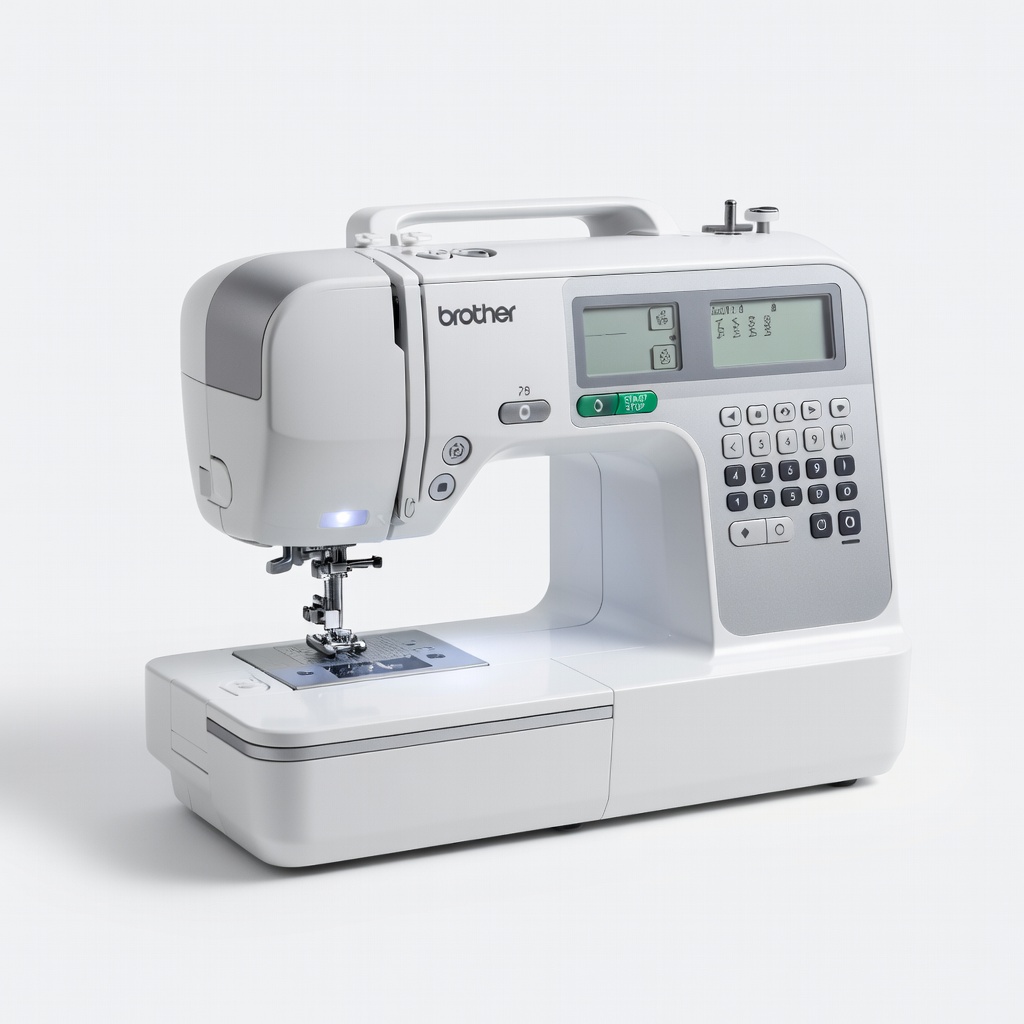
Sewing durable, flexible hems on multiple pant pairs.
Brother CS6000i Sewing Machine Affordable machine with 60 stitches including stretch/zigzag—perfect for activewear.
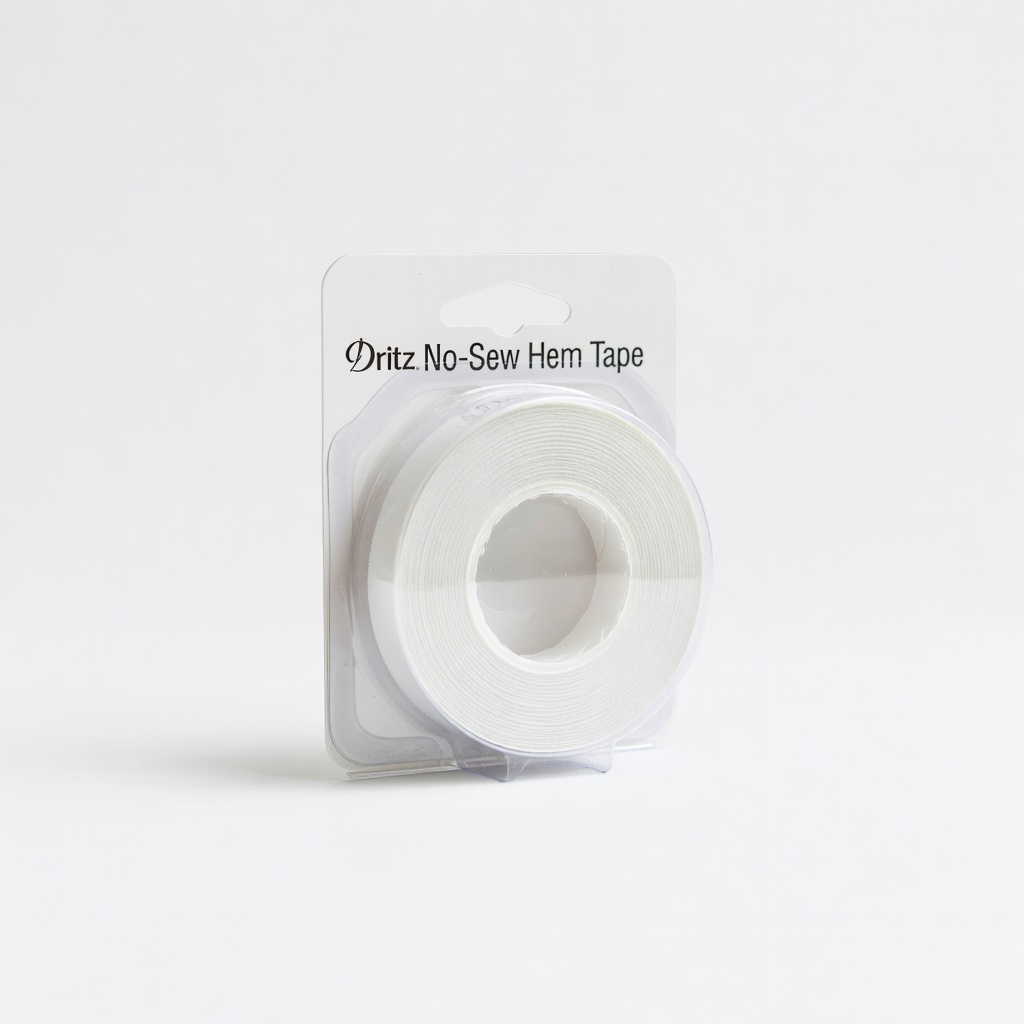
Temporary or permanent fix if you're machine-shy.
Dritz No-Sew Hem Tape Quick iron-on alternative for no-machine hemming stretch fabrics.
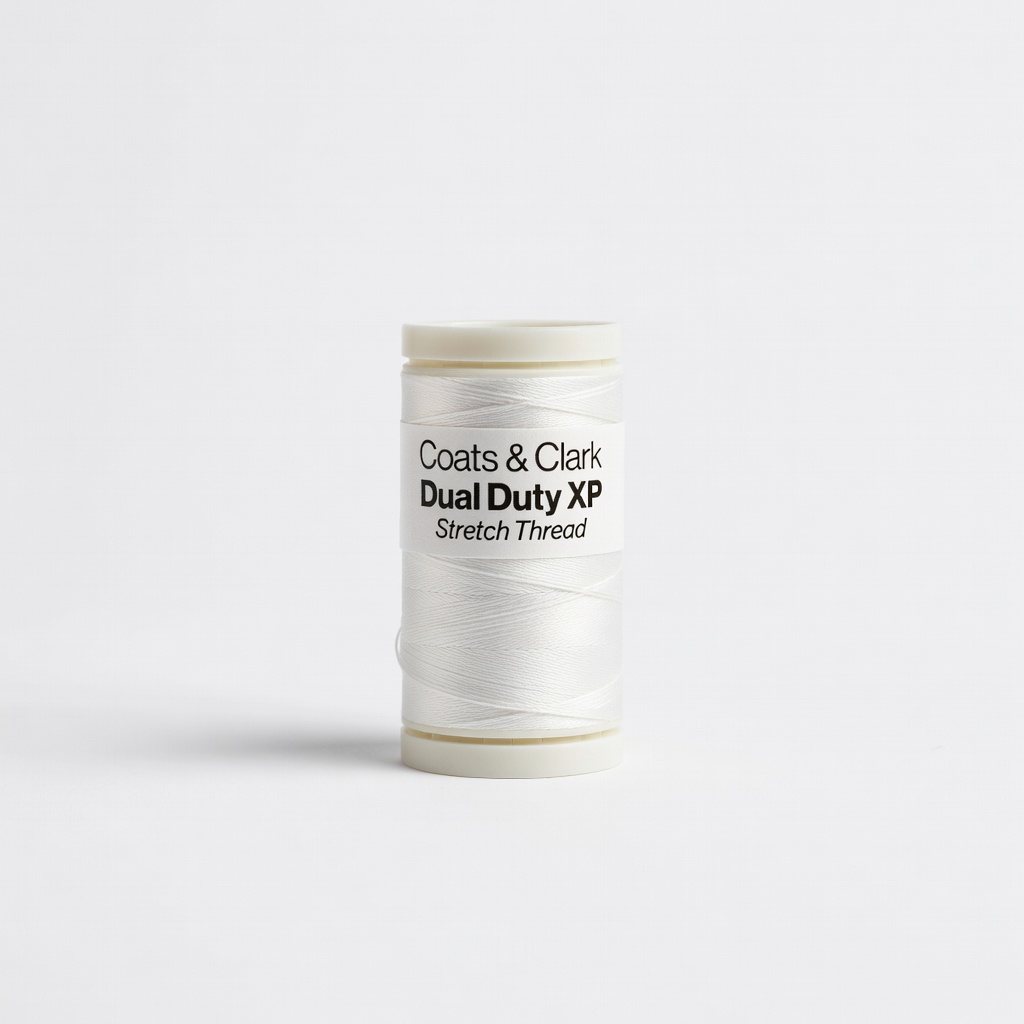
Threading machine for all activewear projects.
Coats & Clark Dual Duty XP Stretch Thread Designed for knits/spandex—won't snap during rides or washes.
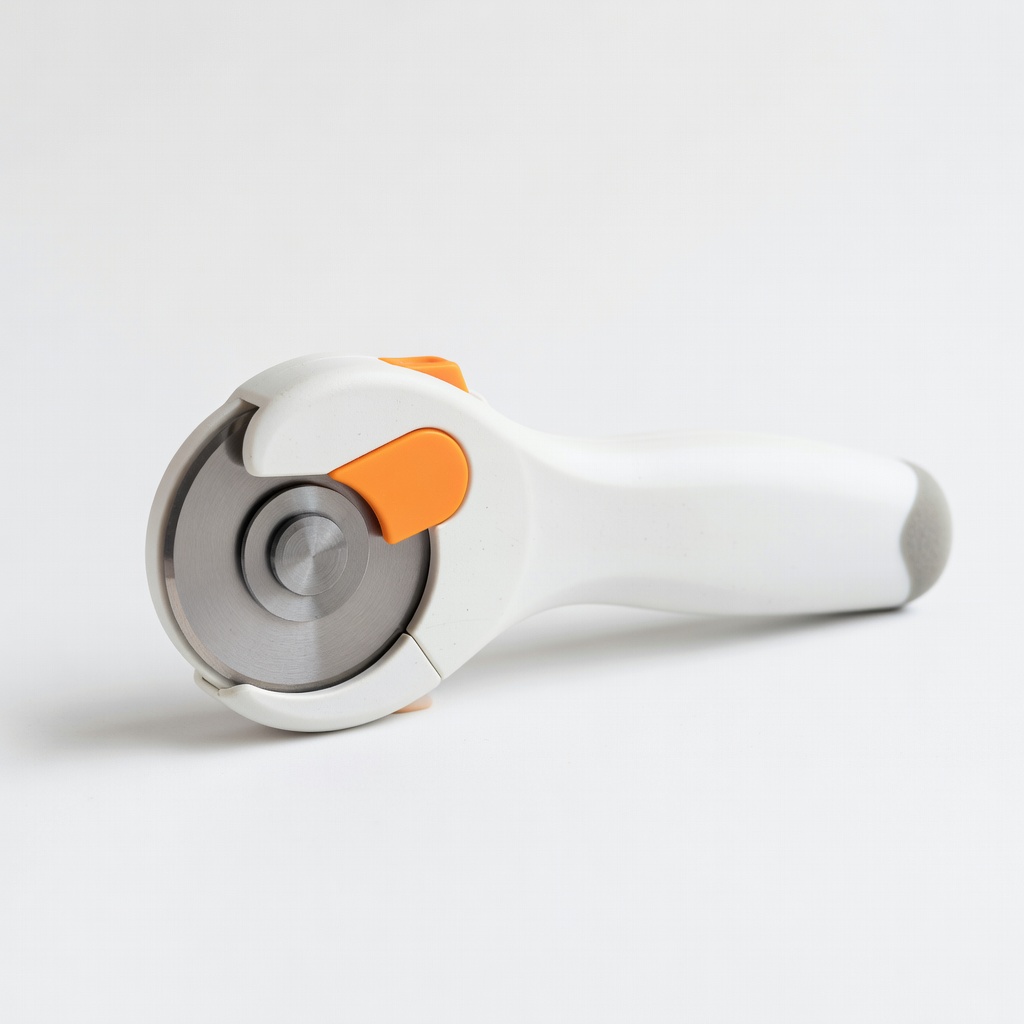
Trimming excess length safely.
Fiskars 45mm Rotary Cutter Precise cutting for straight hems on slippery active fabrics.