Recovering from narcissistic abuse can leave you feeling confused, worthless, and emotionally drained, with gaslighting and manipulation lingering in your mind. You're not alone—millions struggle to heal from these toxic dynamics. This guide empowers you with daily journaling, a proven, beginner-friendly tool backed by therapists to validate your experiences and foster self-compassion.
You'll learn a step-by-step journaling practice tailored for narcissistic abuse survivors, focusing on emotional processing, pattern recognition, and growth. No prior experience needed—just consistency. Expect subtle shifts in clarity and confidence within 1-2 weeks, with deeper healing over 30 days. Commit to 10-15 minutes daily for transformative results.
This method draws from cognitive behavioral techniques and trauma-informed practices, helping you rewrite your narrative without professional therapy (though it's a great complement).
▸What You'll Need
- •A dedicated notebook or journal (lined or dotted, 100+ pages)
- •Comfortable pen or pencil
- •Quiet, private space (5-10 minutes daily)
- •Optional: Timer app on your phone
- •Optional: Printed guided prompts (free online templates)
Estimated Time: 30 minutes for setup + 10-15 minutes daily
Difficulty: beginner
▸Step-by-Step Instructions
Step 1: Set Up Your Safe Journaling Space
Choose a quiet, comfortable spot where you won't be interrupted—your bedroom, a cozy chair, or even a park bench. Clear clutter to create a sanctuary that feels nurturing. Light a candle or play soft music if it helps you relax.
This space signals to your brain it's time for healing, reducing anxiety from past abuse triggers. Expect to feel a sense of control right away, as you're claiming a personal ritual.
Pro tip: Personalize it with a small item like a crystal or photo that represents strength.
💡 Tips:
- •Keep it consistent—same time, same place builds habit.
- •Dim lights if evenings work best.
⚠️ Warnings:
- •Avoid public spaces initially to prevent overwhelm.
Step 2: Choose and Prepare Your Journal
Select a simple notebook dedicated solely to this practice—no reusing for grocery lists. Write the title 'My Healing Journey from Narcissistic Abuse' on the first page, along with today's date and a short intention like 'I am reclaiming my truth.'
Why it matters: A fresh journal symbolizes a new chapter, separating abuse memories from your present self. You'll feel empowered flipping to blank pages.
If using a guided journal, skim prompts but start free-form today.
💡 Tips:
- •Opt for acid-free paper to prevent fading over months.
Step 3: Begin with Free-Writing Your Story
Set a 5-minute timer. Write freely about your abuse experience: 'What happened? How did it make me feel?' Don't edit—let it flow. Spill doubts, anger, confusion.
This validates suppressed emotions, countering gaslighting. Expect tears or relief; it's normal as your brain processes trauma.
End by circling 3 emotions you felt—name them to own them.
💡 Tips:
- •Use present tense for vividness: 'I feel...'
⚠️ Warnings:
- •If too intense, stop and breathe deeply for 1 minute.
Step 4: Identify Abuse Patterns Daily
Review yesterday's entry or recall a recent trigger. List 3 patterns: manipulation tactics, your responses, red flags you ignored. Ask: 'What was really said vs. what I believed?'
Recognizing cycles breaks their power, rebuilding trust in your perception. Success: You'll spot 'aha' moments, like repeated blame-shifting.
Draw a simple table: Column 1 'Their Action', Column 2 'My Feeling', Column 3 'Truth Now'.
Step 5: Practice Emotional Validation
Write: 'My feelings are valid because...' List evidence against self-doubt. Then, respond as a compassionate friend: 'Dear [Your Name], you deserved better because...'
This counters the narcissist's invalidation, fostering self-compassion. Expect growing warmth toward yourself over days.
Key phrase: 'It wasn't my fault.' Repeat as needed.
💡 Tips:
- •Read aloud for deeper impact.
Step 6: Craft and Write Daily Affirmations
List 5 affirmations: 'I am worthy of respect', 'I trust my reality'. Write why each is true, based on your strengths outside the abuse.
Affirmations rewire neural pathways for confidence. Feel them shift from forced to believable after a week.
Place them on a colorful page for visual appeal.
Step 7: End with Gratitude and Progress Check
Note 3 things you're grateful for today (small wins count). Rate your emotional state 1-10, note improvements.
Gratitude balances trauma focus, tracking shows healing progress. Success: Seeing your rating rise over time.
Weekly: Review entries for themes.
💡 Tips:
- •Use stickers for visual progress tracking.
Step 8: Review and Adjust Weekly
Every Sunday, read the week's entries. Highlight wins, adjust prompts if needed. Celebrate: Treat yourself.
This sustains momentum, preventing burnout. Long-term: Reduced triggers, stronger boundaries.
Burn or shred old pages if ready to release.
⚠️ Warnings:
- •Don't skip reviews—it's where insights emerge.
▸Pro Tips
- •Journal at the same time daily (morning for reflection, evening for release) to build neural habit.
- •Use colored pens for sections: blue for facts, red for emotions, green for affirmations.
- •If stuck, start with 'Today I noticed...' to ease in.
- •Pair with deep breathing: 4-7-8 technique before writing.
- •Share anonymized insights in online support groups for extra validation.
- •Track mood with emojis for quick visual trends.
- •Extend to 20 minutes once comfortable for deeper dives.
▸Common Mistakes to Avoid
- •Judging your writing as 'not good enough'—avoid by reminding 'progress over perfection'.
- •Skipping days due to busyness—set phone reminders; even 2 minutes counts.
- •Over-analyzing instead of feeling—focus on emotions first, analysis second.
- •Expecting instant healing—patience is key; track small wins.
- •Sharing journal prematurely—keep private until boundaries solidify.
▸Troubleshooting
Problem: Feeling overwhelmed by memories
Solution: Pause, do grounding exercise (name 5 things you see), limit to 5 minutes. Consult therapist if persistent.
Problem: No motivation to start
Solution: Commit to 1 sentence daily; momentum builds. Pair with favorite tea.
Problem: Doubting if it's working
Solution: Review weekly ratings; if no change after 2 weeks, add variety like voice notes.
Problem: Triggers intensify
Solution: Stop journaling, seek professional help immediately (therapist specializing in trauma).
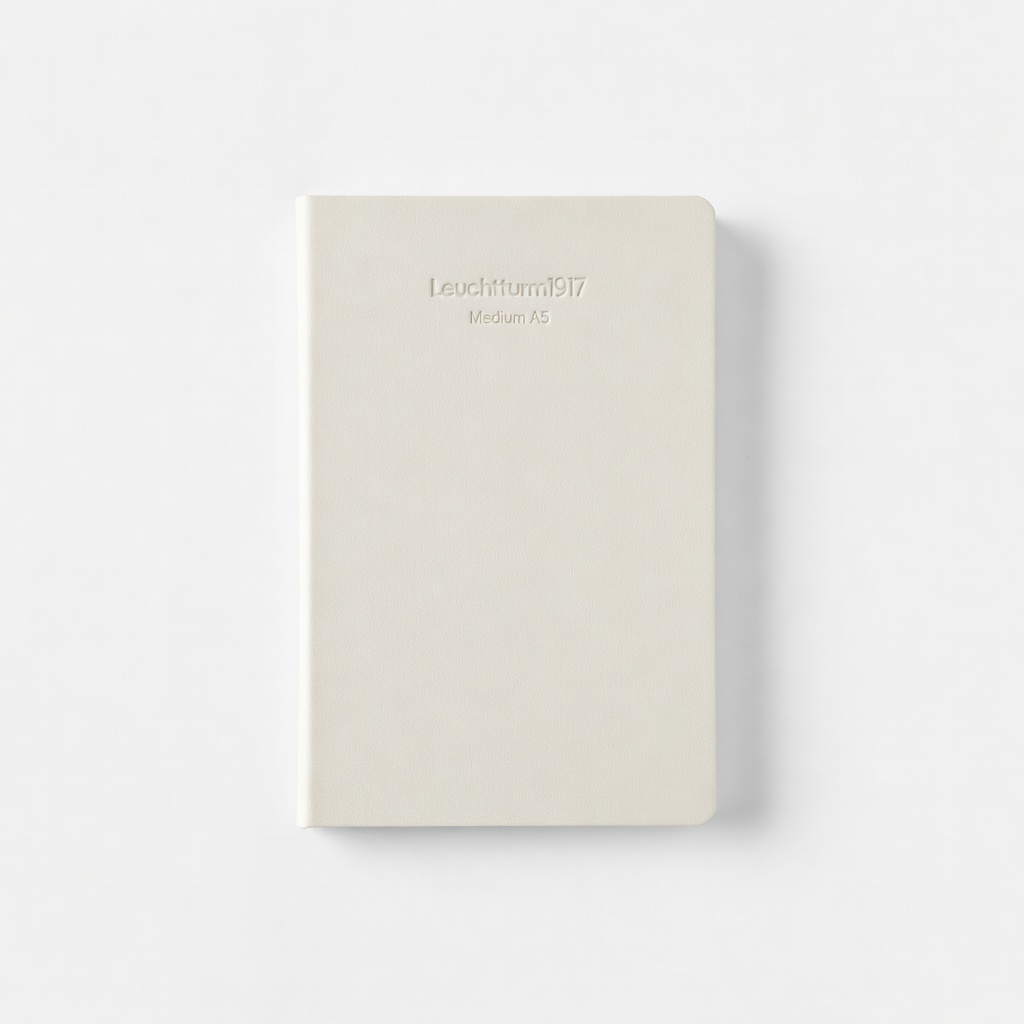
Leuchtturm1917 Medium A5 Dotted Notebook
Durable, numbered pages with index for easy progress tracking—ideal for long-term healing journals.
Best for: Daily entries without pages tearing; great for beginners organizing thoughts.
Price Range: $19.95-$22
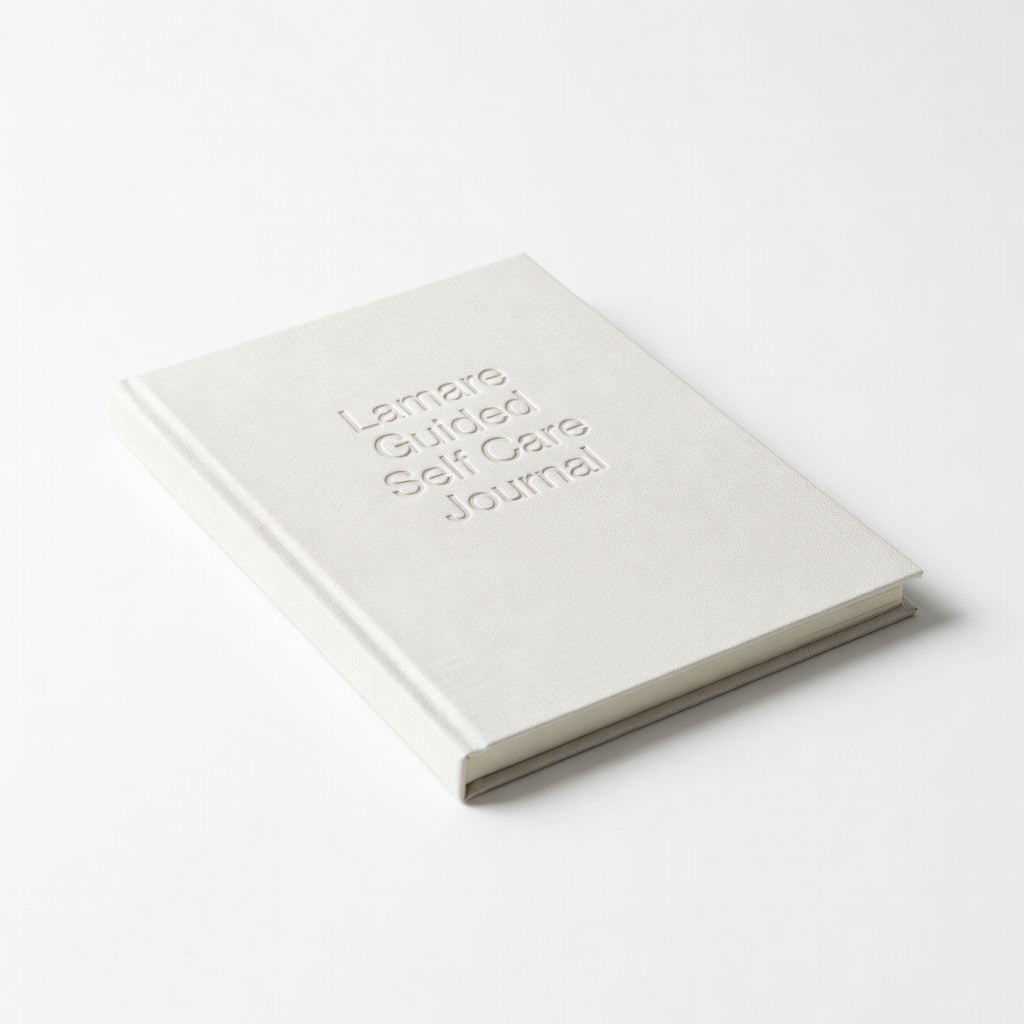
Lamare Guided Self Care Journal
Pre-made prompts for gratitude and self-reflection, perfectly suited for abuse recovery structure.
Best for: When free-writing feels daunting; 120-day guided format builds habit.
Price Range: $19.99
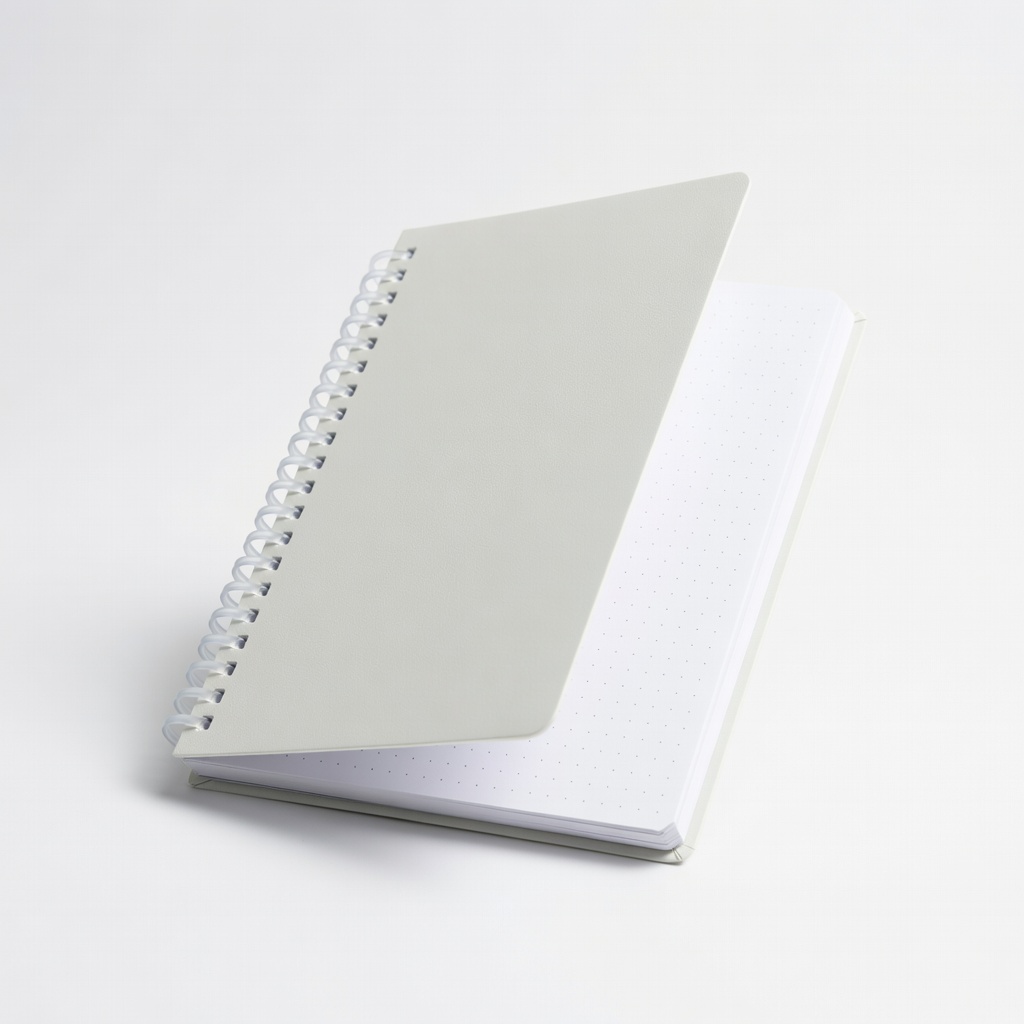
Rocketbook Core Reusable Notebook
Eco-friendly, erasable pages with app scan—scan entries for digital backup, erase to continue indefinitely.
Best for: Ongoing therapy without buying new journals; share scans with therapist.
Price Range: $25-$30
Complex PTSD Recovery Workbook
Evidence-based exercises complement journaling, with trauma-specific tools for narcissistic abuse.
Best for: Weekly deep dives alongside daily journal for structured healing.
Price Range: $15.99
The Body Keeps the Score by Bessel van der Kolk
Explains trauma science, inspiring journaling motivation and understanding body-mind connection.
Best for: Bedside reading to deepen why journaling heals; reference during stuck moments.
Price Range: $18