
Fiskars Ergo Garden Fork (Model 7540)
Primary tool for gentle harvesting of heavy clay soils.
$35-$45
Fiskars Ergo Garden Fork (Model 7540) Ergonomic D-handle and sharp tines lift roots without back strain or damage.
Get the App
Better experience on mobile
Master harvesting carrots, beets, potatoes, and more at peak ripeness, then store them for months of fresh, homegrown eating without waste.
Nothing beats the satisfaction of pulling vibrant root vegetables from your garden, but harvesting too early or storing improperly leads to waste and disappointment. Intermediate gardeners often struggle with timing and preservation, resulting in soft, sprouted, or rotten produce. This guide solves that with proven techniques to maximize yield and longevity.
You'll learn to identify readiness, harvest without damage, clean effectively, and store using simple methods that mimic root cellar conditions. Expect crisp veggies lasting 3-6 months. The process suits medium garden beds (100-200 sq ft) and takes 2-4 hours harvesting plus 30-60 minutes setup, depending on crop volume.
Perfect for carrots, beets, potatoes, turnips, parsnips, and radishes—follow these steps for bountiful results.
Estimated Time: 2-4 hours for harvesting a medium bed + 30-60 minutes for cleaning and storage setup Difficulty: intermediate
Inspect plants for harvest readiness to ensure optimal flavor and texture. For carrots and beets, check shoulder size peeking above soil (1-2 inches diameter). Potatoes are ready when foliage yellows and dies back. Turnips and parsnips should have firm, sizable roots after light frost for sweeter taste.
Why it matters: Harvesting immature roots stunts flavor; overripe ones split or pith. Success looks like uniform, firm roots without woody cores.
Tip: Use a soil probe or trowel to gently check a few plants first.
💡 Tips:
⚠️ Warnings:
Collect all items in one spot near the garden to streamline workflow. Sharpen pruners and ensure fork tines are straight. Line baskets with newspaper or cloth to cushion roots.
Preparation prevents damage and contamination. Expect a organized setup reducing total time by 20-30%.
💡 Tips:
Insert fork 6-8 inches from plant base, angled outward, and lever up slowly. Shake off loose soil; avoid washing yet. Harvest in cool weather.
This minimizes skin breaks that invite rot. Success: intact roots with minimal nicks, greens attached if storing short-term.
For potatoes, fork deeper and roll out gently.
💡 Tips:
⚠️ Warnings:
Brush off soil with a soft brush or rub with cloth. For stubborn dirt, rinse quickly in cool water and pat dry. Remove greens 1/2 inch above crown to prevent moisture draw.
Dry cleaning preserves natural skin protection. Expect clean, dry roots ready for curing/storage—no mud clumps.
💡 Tips:
⚠️ Warnings:
Spread in single layer in a dark, humid spot (60-70°F, 85-95% humidity) for 1-2 weeks. Use boxes with ventilation.
Curing toughens skins for storage. Success: firm, dry skins without sprouts.
💡 Tips:
Discard damaged, soft, or pest-ridden roots. Separate by size/type for storage.
Sorting prevents spoilage spread. Expect 80-90% keeper rate with proper harvest.
💡 Tips:
⚠️ Warnings:
Layer damp (not wet) sand, sawdust, or vermiculite in bins. Ideal conditions: 32-40°F, 90% humidity, dark.
This mimics natural hibernation. Use fridge for small batches or root cellar.
💡 Tips:
Nestle roots in medium without touching. Seal bins loosely for air. Check monthly.
Proper packing yields 3-6 months storage. Success: roots firm when sampled.
💡 Tips:
⚠️ Warnings:
Inspect bi-weekly; remove any softening roots. Ventilate if humid.
Ongoing care extends life. Expect minimal loss with vigilance.
Problem: Roots softening or molding in storage
Solution: Reduce humidity, remove affected roots, ensure good airflow. Use drier medium.
Problem: Sprouts appearing early
Solution: Lower temp to 32-35°F, block all light. Trim sprouts if minor.
Problem: Fork damage during harvest
Solution: Use sharper fork next time, fork farther from plants. Eat nicked roots soon.
Problem: Pests in stored roots
Solution: Freeze roots 48 hours before storing, inspect thoroughly. Consult extension service if infestation.
Ergonomic D-handle and sharp tines lift roots without back strain or damage.
Best for: Primary tool for gentle harvesting of heavy clay soils.
Price Range: $35-$45
Stiff/soft bristles clean soil without abrading delicate skins.
Best for: Quick dry-cleaning post-harvest for all root veggies.
Price Range: $6-$8
Air-tight seal with vents maintains humidity; stackable for root cellars.
Best for: Long-term sand-packed storage of 20-50 lbs carrots/beets.
Price Range: $20-$25
Rugged, rust-proof for repeated use in tough soils.
Best for: Pro-level harvesting in rocky or compacted gardens.
Price Range: $45-$55
Sterile, moisture-retaining medium superior to sand for small-space storage.
Best for: Compact fridge or pantry storage without mess.
Price Range: $15-$20
Primary tool for gentle harvesting of heavy clay soils.
Fiskars Ergo Garden Fork (Model 7540) Ergonomic D-handle and sharp tines lift roots without back strain or damage.
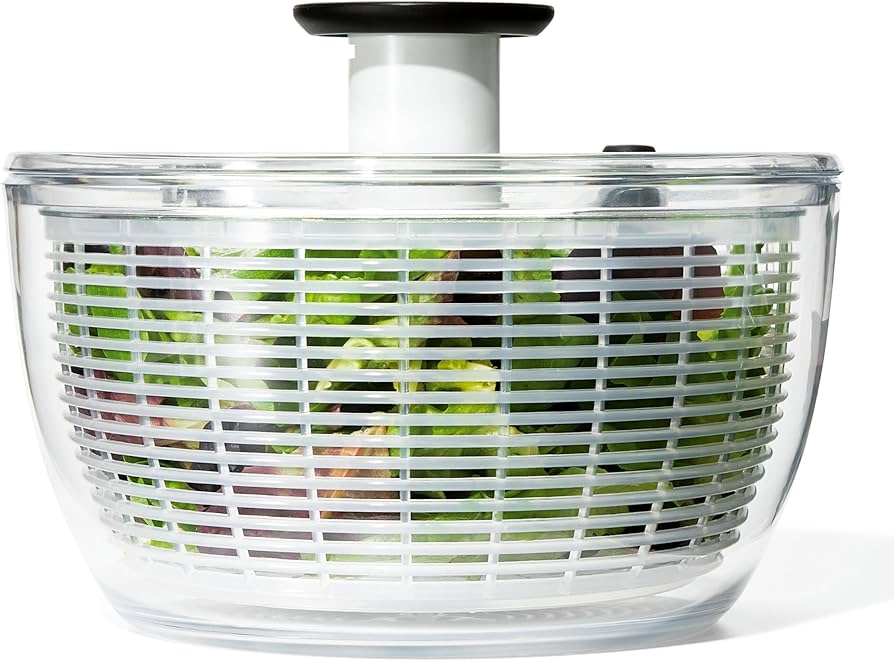
Quick dry-cleaning post-harvest for all root veggies.
OXO Good Grips Vegetable Brush Stiff/soft bristles clean soil without abrading delicate skins.
Long-term sand-packed storage of 20-50 lbs carrots/beets.
IRIS USA WeatherPro Storage Bin (66 Qt) Air-tight seal with vents maintains humidity; stackable for root cellars.
Pro-level harvesting in rocky or compacted gardens.
Radius Garden 21811 Stainless Steel Fork Rugged, rust-proof for repeated use in tough soils.
Compact fridge or pantry storage without mess.
Espoma VM8 Vermiculite (8 Qt) Sterile, moisture-retaining medium superior to sand for small-space storage.