
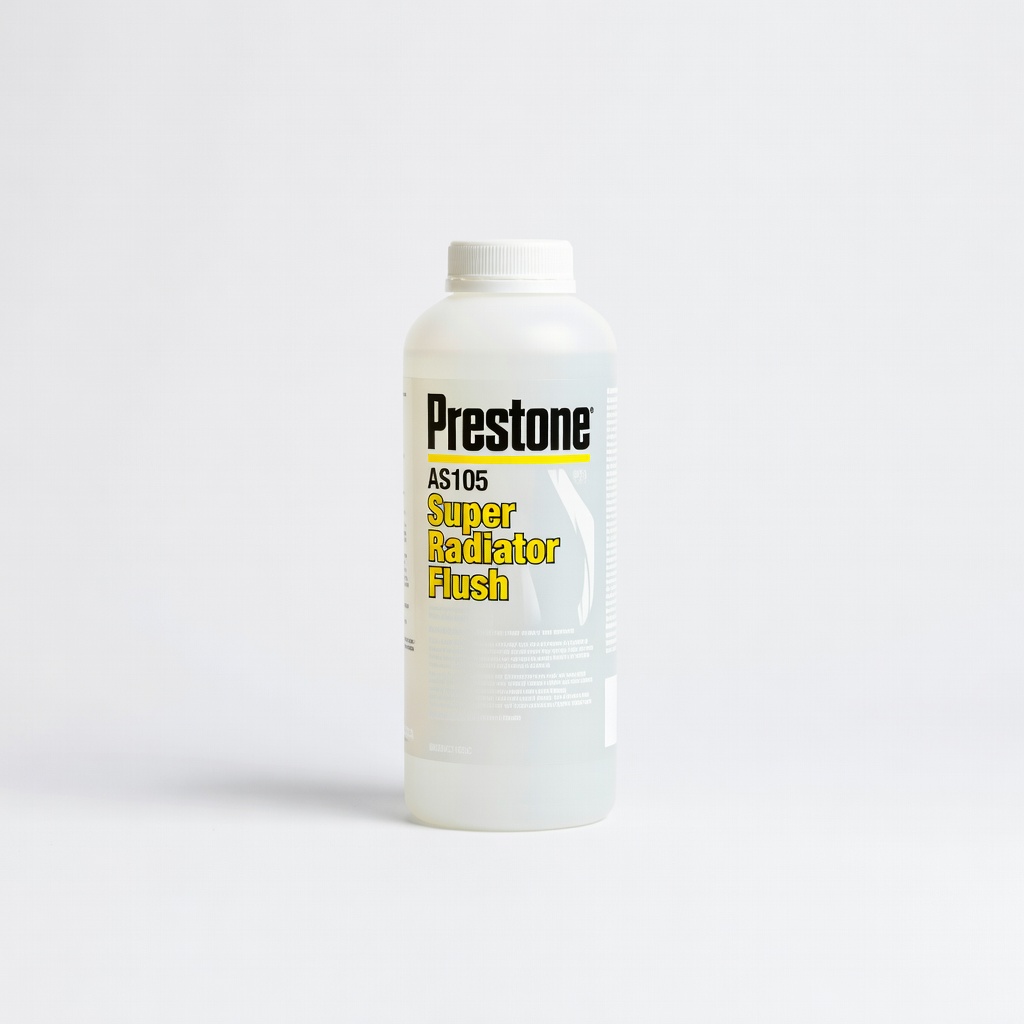
Prestone AS105 Super Radiator Flush (ASIN: B000C21GSC)
One-bottle treatment for most cars during routine flush.
$6-8
Prestone AS105 Super Radiator Flush (ASIN: B000C21GSC) Proven formula dissolves rust and scale safely without damaging seals.
Get the App
Better experience on mobile
Master the step-by-step process to safely remove old coolant, prevent overheating, and extend your engine's life in just 1-2 hours.
Old antifreeze in your car's radiator can turn acidic, causing corrosion, clogs, and overheating that leads to costly engine repairs. If your coolant looks dirty, rusty, or hasn't been changed in 2-5 years, it's time for a flush. This guide teaches intermediate DIYers how to do it right at home, saving $100+ on shop labor.
You'll learn to drain, flush, and refill your system using simple tools and a radiator cleaner. The process takes 1-2 hours, depending on your vehicle, and requires basic mechanical knowledge like locating hoses and running the engine safely. No special skills beyond that—no lifting the radiator or advanced diagnostics.
Expect a cleaner cooling system, better temperature control, and peace of mind. Always prioritize safety: hot coolant burns badly.
Estimated Time: 1-2 hours Difficulty: intermediate
Park your car on a flat, level surface and let the engine cool completely (at least 2-3 hours after driving). Engage the parking brake and disconnect the negative battery cable to prevent accidental starts.
Put on gloves and goggles—coolant is toxic and slippery. Place a large drain pan under the radiator. This step ensures safety and catches every drop, preventing environmental spills or garage messes.
What success looks like: Engine cold to touch, workspace protected with cardboard or towels.
💡 Tips:
⚠️ Warnings:
Locate the radiator petcock or drain plug at the bottom (consult your owner's manual). Turn it counterclockwise slowly with pliers or a wrench. Let the coolant drain fully into the pan—expect 1-2 gallons.
Why it matters: This removes the bulk of contaminated fluid. Old antifreeze loses its anti-corrosion properties, leading to sludge buildup.
Success: Drain pan about half full with dark green/pink/orange fluid; radiator mostly empty.
💡 Tips:
⚠️ Warnings:
Remove the reservoir cap (engine cold!) and siphon or turkey-baster out the remaining coolant. Rinse the reservoir with distilled water and drain it too.
This captures trapped old fluid that could contaminate the new mix. Success: Reservoir clean and empty.
💡 Tips:
Close the drain petcock securely. Pour the full bottle of radiator flush into the radiator neck using a funnel, then fill the rest with distilled water until full.
Flush chemicals dissolve rust, scale, and gunk without harsh acids. Replace radiator cap loosely. Success: Radiator filled to top, cap in place.
💡 Tips:
⚠️ Warnings:
Start the engine and set heater to max hot. Idle for 10-15 minutes until the thermostat opens (feel upper hose warm). Rev gently to 2000 RPM periodically.
This circulates the flush to loosen deposits. Monitor temp gauge—shut off if overheating. Success: Warm hoses, no leaks, engine at normal temp.
💡 Tips:
⚠️ Warnings:
Shut off engine, let cool 30 mins, then drain radiator and reservoir again. The fluid should be dirtier now.
Repeat draining until flow slows. Success: Blackish, gritty fluid in pan—proof it's working.
Fill radiator with distilled water, run engine 5-10 mins with heater on, then drain. Repeat 2-3 times until water runs clear.
Plain water rinses residues. Garden hose speeds this. Success: Crystal-clear drain water, no color or particles.
💡 Tips:
⚠️ Warnings:
Fill radiator and reservoir with 50/50 new coolant mix (vehicle spec). Start engine, heater on, top off as air bubbles escape (burp).
Run 10 mins, check levels cold. Success: Gauge steady, no bubbles.
💡 Tips:
Drive 10-20 miles, monitor temp. Recheck levels after cooling. Top off if needed.
Success: Stable temps, no leaks, smooth idle.
⚠️ Warnings:
Problem: Overheating after flush
Solution: Air pockets—run with cap off, squeeze hoses to burp. Retest.
Problem: Leaks from hoses
Solution: Tighten clamps; replace cracked hoses. Use thread sealant on petcock.
Problem: Flush won't drain clear
Solution: Repeat flush cycle or use stronger cleaner. Pro if severe clog.
Problem: Milky coolant
Solution: Head gasket issue—stop and tow to mechanic.
Proven formula dissolves rust and scale safely without damaging seals.
Best for: One-bottle treatment for most cars during routine flush.
Price Range: $6-8
Prevents spills and air pockets during refill with extendable neck.
Best for: Essential for precise, mess-free coolant changes.
Price Range: $18-22
Large capacity with no-spill lip catches 100% fluid for eco-friendly disposal.
Best for: Under-radiator collection during draining.
Price Range: $25-30
Universal compatibility, silicate-free for modern engines.
Best for: Direct refill after flush—no mixing needed.
Price Range: $18-25 per gallon
Affordable, sturdy 5-gal pan with handles for easy transport.
Best for: Budget option for multiple drains.
Price Range: $12-15
One-bottle treatment for most cars during routine flush.
Prestone AS105 Super Radiator Flush (ASIN: B000C21GSC) Proven formula dissolves rust and scale safely without damaging seals.
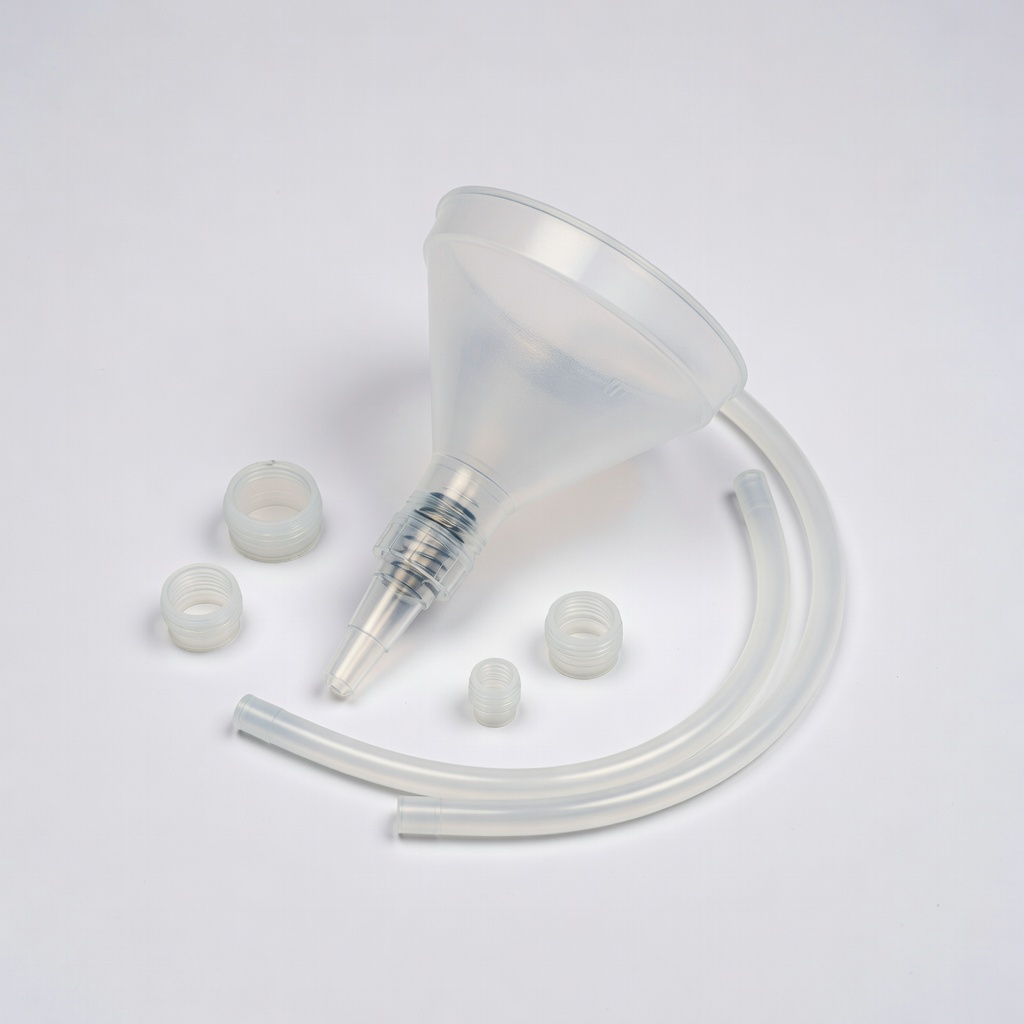
Essential for precise, mess-free coolant changes.
OEMTools 24397 Coolant Spill Proof Funnel Kit (ASIN: B00N4QJ6ZQ) Prevents spills and air pockets during refill with extendable neck.
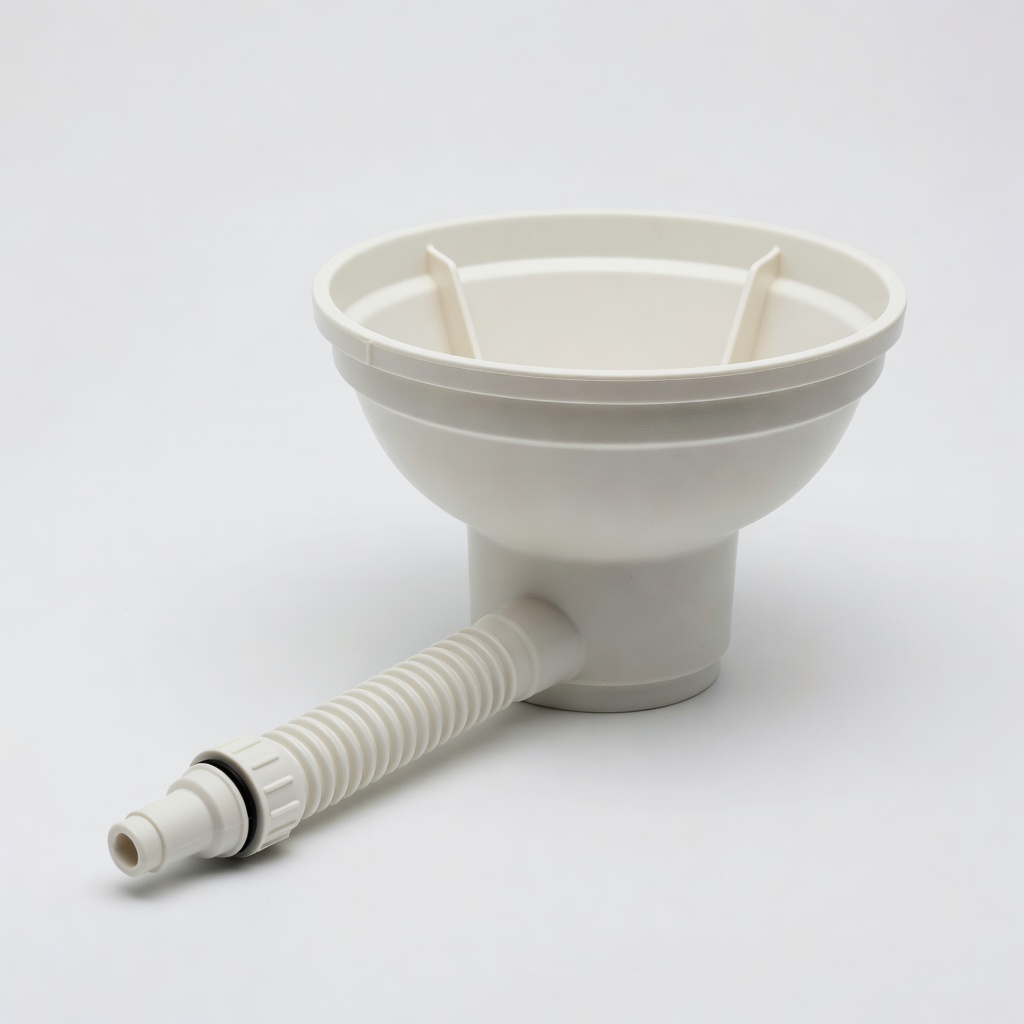
Under-radiator collection during draining.
Lisle 24680 Spill-Free Coolant Drain Pan (ASIN: B0002SQV1K) Large capacity with no-spill lip catches 100% fluid for eco-friendly disposal.
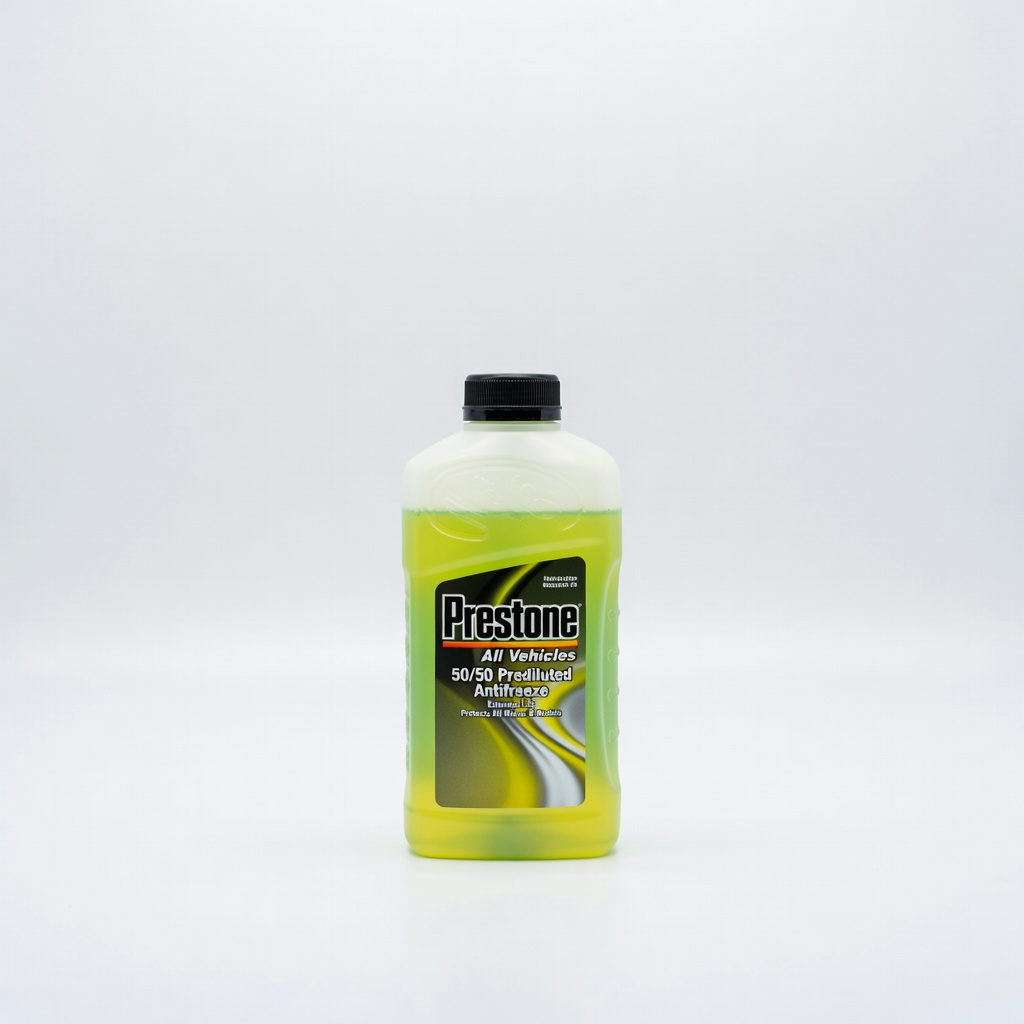
Direct refill after flush—no mixing needed.
Prestone All Vehicles 50/50 Prediluted Antifreeze (ASIN: B07G9N9N9N) Universal compatibility, silicate-free for modern engines.
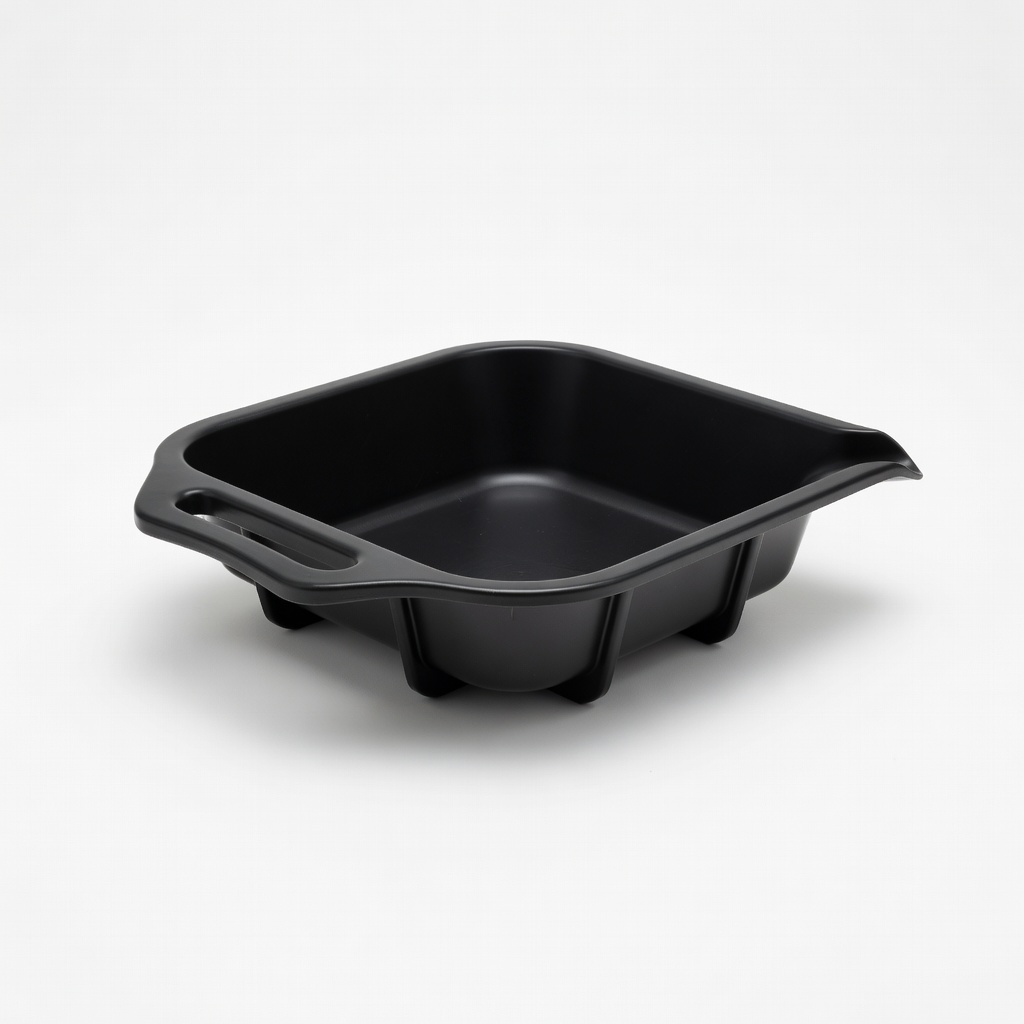
Budget option for multiple drains.
Performance Tool W1148 Coolant Drain Pan (ASIN: B0002UEA7O) Affordable, sturdy 5-gal pan with handles for easy transport.