Fingerpicking transforms simple chords into intricate, emotive melodies, adding depth to your acoustic-electric guitar playing. If you're tired of strumming the same old patterns and want to unlock folk, blues, or classical styles like Travis picking, this guide is for you. Intermediate players often struggle with thumb independence and clean note separation—master these, and you'll sound professional fast.
In this step-by-step tutorial, you'll learn proper posture, essential patterns, and exercises tailored for acoustic-electric guitars, including pickup considerations for amplified play. Expect 45-60 minutes for initial practice, with daily 15-minute sessions for mastery. No prior fingerstyle experience needed beyond basic chords.
By the end, you'll play flowing arpeggios and bass lines effortlessly, ready to tackle songs like 'Dust in the Wind' or 'Blackbird.'
▸What You'll Need
- •Acoustic-electric guitar (with piezo pickup and preamp)
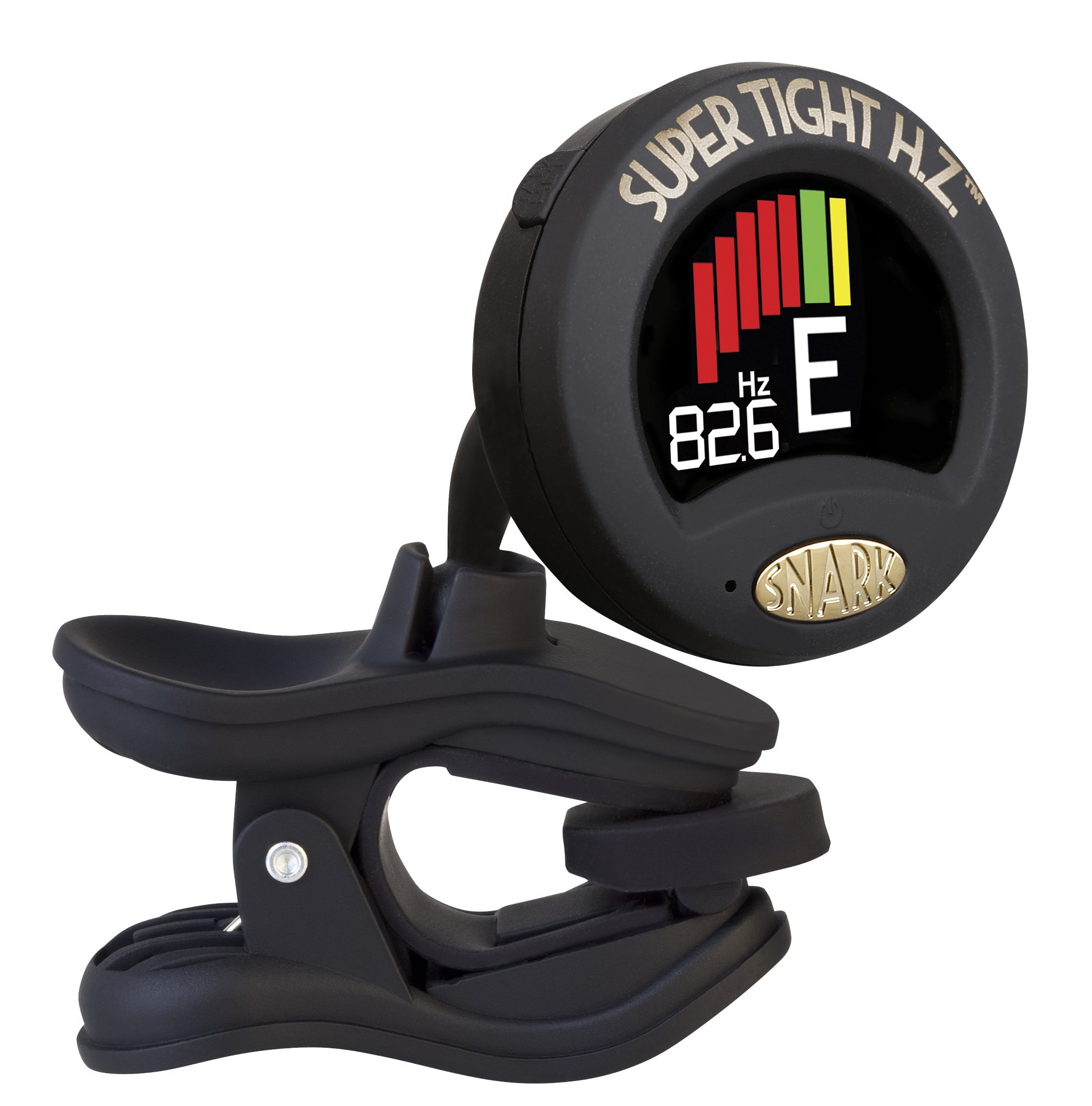
- •Clip-on tuner (required for accurate intonation)
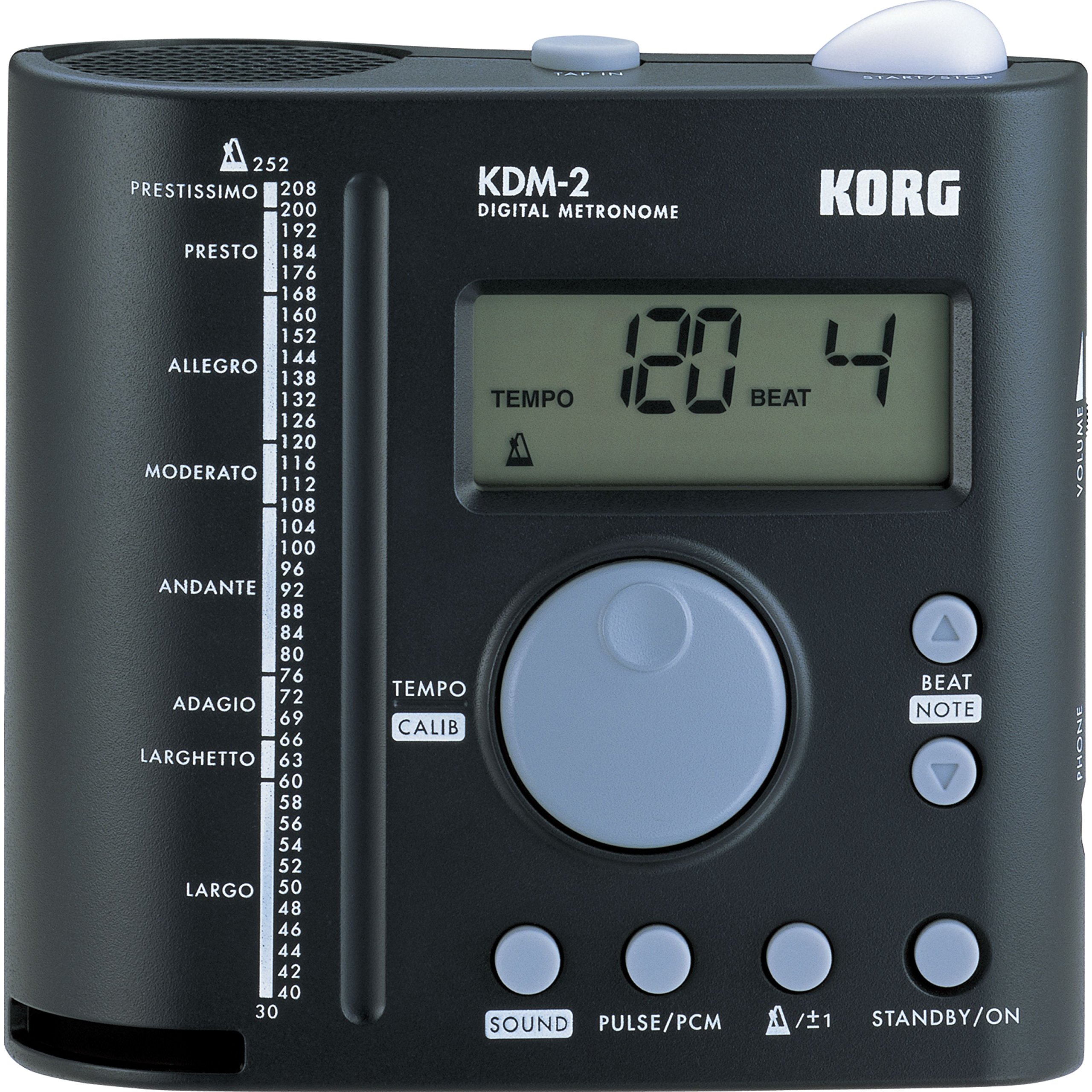
- •Metronome or app (required for rhythm)
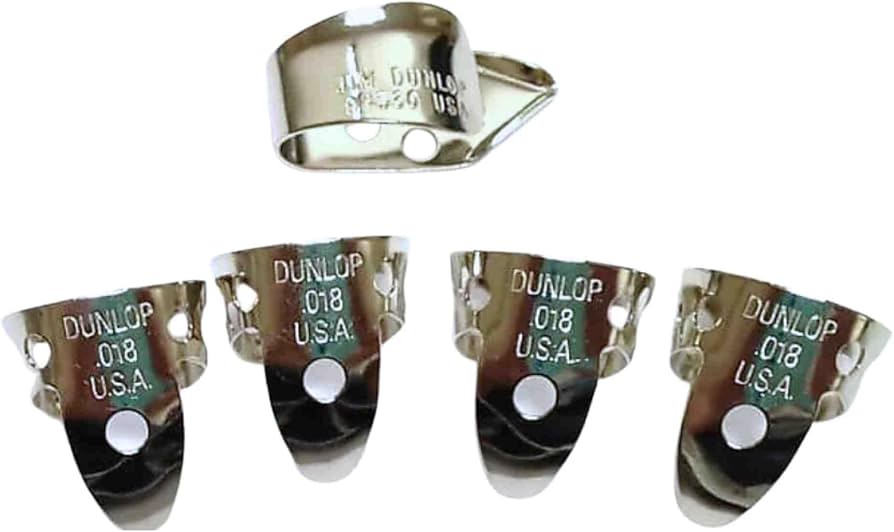
- •Finger picks or nails filed smooth (optional but recommended for clarity)
- •String lubricant like D'Addario Finger Ease (optional for smooth play)
Estimated Time: 45-60 minutes for basics + 15 minutes daily practice
Difficulty: intermediate
▸Step-by-Step Instructions
Step 1: Set Up Proper Posture and Guitar Position
Sit comfortably with your acoustic-electric guitar on your right thigh (for right-handers), neck angled slightly upward at 45 degrees. Relax your shoulders and keep your fretting hand thumb behind the neck. This setup prevents tension and ensures clean picking.
Why it matters: Poor posture leads to fatigue and sloppy technique. Expect your plucking hand to hover naturally over the soundhole.
Image description: Side-view photo of a guitarist seated with acoustic-electric guitar positioned correctly, right hand relaxed over strings.
💡 Tips:
- •Use a footstool for better elevation if needed.
- •Keep wrists straight to avoid strain.
⚠️ Warnings:
- •Don't hunch—check your posture in a mirror.
Step 2: Tune Your Guitar Precisely
Use a clip-on tuner to standard tune (EADGBE). Pluck each string open and adjust until the tuner shows green. For acoustic-electrics, check intonation by fretting at the 12th fret—octave should match open string.
Accuracy ensures patterns sound harmonic. Success: All strings ring clear without buzzing.
Image description: Close-up of clip-on tuner on guitar headstock displaying tuned E string.
💡 Tips:
- •Tune up slightly if using lighter gauge strings.
⚠️ Warnings:
- •Avoid bending the neck—tune gently.
Step 3: Assign Fingers Using PIMA Notation
Label: P (thumb for bass), I (index for G/B strings), M (middle for B high E), A (ring for high E). Rest unused fingers lightly on the pickguard. Practice plucking each in sequence slowly.
This builds independence. Expect initial awkwardness—slow is smooth.
Image description: Diagram labeling PIMA on right hand over guitar strings.
💡 Tips:
- •Start with free stroke: pluck inward toward palm.
⚠️ Warnings:
- •Don't anchor pinky on body yet.
Step 4: Master Thumb Alternation for Bass
Pluck 6th string (P), then 4th (P), alternating at 60 BPM with metronome. Add fretting: root notes of Am chord (A on 5th fret low E, etc.).
Thumb drives rhythm like a bass line. Success: Steady 'boom-chuck' without pausing.
Image description: Video still of thumb alternating between low E and D strings.
💡 Tips:
- •Use wrist pivot, not arm motion.
⚠️ Warnings:
- •Avoid muting bass with fretting hand.
Step 5: Add Melody with Index and Middle Fingers
Over Am thumb pattern, pluck G string (I) then B string (M) on beats 2 and 4. Chord: x02210. Pattern: P (6th)-I (3rd)-M (2nd)-P (4th).
Layers melody over bass. Expect cleaner sound after 5 minutes.
Image description: Finger close-up showing PIMA plucking Am arpeggio.
💡 Tips:
- •Support stroke: pluck outward for volume.
⚠️ Warnings:
- •Keep thumb independent—don't sync with fingers.
Step 6: Practice Classic Patterns: Travis Picking
For C chord (x32010): Thumb alternates 5th-4th strings, fingers arpeggiate 3rd-2nd-1st. Metronome at 80 BPM. Repeat 4x per chord.
Iconic folk style. Success: Flowing, piano-like roll.
Image description: Tab notation for Travis picking in C major.
💡 Tips:
- •Record yourself to check evenness.
⚠️ Warnings:
- •Don't rush—prioritize tone over speed.
Step 7: Incorporate Chord Changes
Transition Am to C to G: Maintain thumb pattern, pivot fretting hand. Practice loop 10x slowly.
Builds songs. Expect smooth shifts after reps.
Image description: Sequence of chord diagrams Am-C-G with fingerstyle notation.
💡 Tips:
- •Lift fingers minimally during changes.
Step 8: Amplify and Refine with Pickup
Plug into amp via 1/4" jack, adjust preamp EQ (boost mids for fingerstyle clarity). Compare acoustic vs. electric tone.
Acoustic-electrics shine amplified. Success: Balanced, stage-ready sound.
Image description: Guitar plugged into amp, preamp controls visible.
💡 Tips:
- •Use compressor pedal for even dynamics.
⚠️ Warnings:
- •Avoid feedback—point guitar away from speakers.
▸Pro Tips
- •File nails to 2-3mm or use thumb/finger picks for consistent attack.
- •Practice with eyes closed to build muscle memory.
- •Slow motion at half speed doubles retention.
- •Lubricate strings weekly for smoother glide.
- •Warm up with spider exercises for finger stretch.
- •Use a mirror for hand position checks.
- •Incorporate dynamics: vary volume per note.
▸Common Mistakes to Avoid
- •Tensing shoulders—causes fatigue; relax with deep breaths.
- •Uneven thumb rhythm—use metronome strictly.
- •Muting strings with palm—lift hand slightly.
- •Rushing changes—prioritize accuracy.
- •Ignoring EQ on preamp—leads to muddy amplified tone.
▸Troubleshooting
Problem: Finger fatigue or cramps
Solution: Take 1-minute breaks every 5 minutes; stretch hands. Build endurance gradually.
Problem: Buzzing or dead notes
Solution: Check tuning and fretting pressure. Clean strings if oxidized.
Problem: Muddy amplified sound
Solution: Boost treble/mids on preamp; change to phosphor bronze strings.
Problem: Thumb overpowering fingers
Solution: Reduce thumb force; focus on light touch.
Fender CD-60SCE Dreadnought Acoustic-Electric Guitar
Versatile cutaway design with Fishman pickup perfect for fingerstyle projection.
Best for: Daily practice and gigs needing clear bass/melody separation.
Price Range: $350-$400
D'Addario EJ16 Phosphor Bronze Light Acoustic Strings
Warm tone and smooth feel ideal for fingerpicking without finger fatigue.
Best for: Replace strings every 1-3 months for best playability.
Price Range: $6-$8
Dunlop 5001 Nylon Thumb & Finger Picks
Flexible nylon provides natural nail-like attack with durability.
Best for: Thumbpick for bass, fingerpicks for melody on longer sessions.
Price Range: $5-$7
Snark ST-8HZ Clip-On Tuner
Accurate, vibration-based tuning works unplugged for acoustic-electrics.
Best for: Quick setups before every practice.
Price Range: $15-$20
Korg KDM-2 Metronome
Loud tap and rhythm patterns essential for precise fingerstyle timing.
Best for: Build speed from 60-120 BPM gradually.
Price Range: $30-$35