

Pirastro Evah Pirazzi Gold Violin Strings 4/4 Set
Primary strings for projection without boom.
$150-$170
Pirastro Evah Pirazzi Gold Violin Strings 4/4 Set Exceptional even response across registers with clear mids ideal for chamber blending.
Get the App
Better experience on mobile
Master tonal balancing techniques to make your violin blend seamlessly in chamber ensembles without electronics.
In chamber music, your violin's tone must integrate perfectly with piano, cello, and winds—too boomy lows overpower the bass, harsh highs cut through unpleasantly, and muddy mids kill clarity. Many advanced players struggle with 'voicing' their instrument acoustically, leading to frustrating rehearsals. This guide fixes that.
You'll learn to analyze your violin's frequency response and make precise adjustments to bridge, soundpost, strings, and more for optimal chamber balance: clear mids (500-2kHz for melody), controlled lows (<300Hz), and smooth highs (>5kHz). No amps needed.
We'll cover assessment, adjustments, and testing in 10 steps. As an advanced player/luthier hobbyist, expect 2-4 hours initially (less with practice). Requires steady hands and ear training; irreversible tweaks? Minimal if careful.
Estimated Time: 2-4 hours for initial setup and testing Difficulty: advanced
Clear a quiet, well-lit space with good acoustics (e.g., small room, not deadened). Place your violin on a stand, mic 1-2 feet away at ear height (f-hole level). Install spectrum analyzer and recorder apps.
Why? Baseline measurements need consistency. Expect a clean signal without room reverb muddying data.
Launch apps: Tune to A=440Hz, record 10s of each open string (G,D,A,E) at mf dynamic, arco.
💡 Tips:
⚠️ Warnings:
Play long bows on open strings, record simultaneously. Import to analyzer: View FFT spectrum (20Hz-20kHz).
Key chamber targets: Boost 800-1.5kHz (presence), cut <250Hz (boom), tame 3-5kHz peaks (nasality). Success: Smooth curve rising to 2kHz, even across strings.
Note peaks/dips per string.
💡 Tips:
⚠️ Warnings:
Swap to synthetic strings (e.g., Evah Pirazzi) for even response. Remove old strings carefully, clean nut/bridge grooves.
Why? Gut strings boom in chamber; synthetics offer controllable EQ. Expect brighter A/E, warmer G/D post-install. Tune up gradually over 24hrs.
💡 Tips:
⚠️ Warnings:
Measure height: 32-34mm total (E=5.5mm clearance). Plane feet if needed for 1.5-2mm kidney notch.
Tilt toward tailpiece 1-2° for projection. Why? Bridge height shapes lows/mids; position affects highs. Success: Even string clearance, no buzzing.
Re-analyze spectrum—aim for -3dB low cut.
💡 Tips:
⚠️ Warnings:
Insert via f-hole (1.5cm behind bridge foot, aligned with G-string). Nudge with setter: Forward for brilliance, back for warmth.
Why? Soundpost is acoustic EQ pivot—shifts resonance 250-400Hz. Test: Play scales; success is balanced registers without wolf tone.
💡 Tips:
⚠️ Warnings:
Add mass (clip) to tailgut for damped lows. Adjust fine tuner height for even action.
Why? Reduces sympathetic buzz, cleans <200Hz. Expect tighter low-end response.
💡 Tips:
⚠️ Warnings:
Record scales/arpeggios across positions. Compare spectra: Target flat 200-5kHz shelf.
Play mock chamber excerpt (e.g., Beethoven Op.18). Success: No overpowering string, blends hypothetically.
💡 Tips:
⚠️ Warnings:
File nut slots if high action pinches highs. Polish fingerboard lightly.
Why? Smooth action preserves overtones. Expect effortless highs without squeal.
💡 Tips:
⚠️ Warnings:
Play with recordings (cello/piano tracks). Adjust iteratively.
Success: Your violin sits equally without EQ pedals.
💡 Tips:
⚠️ Warnings:
Document settings (photos, notes). Play in 1hr sessions to settle.
Re-check monthly as wood ages.
💡 Tips:
⚠️ Warnings:
Problem: Persistent wolf tone around 300Hz
Solution: Nudge soundpost 1-2mm toward bridge foot or lighten bridge.
Problem: Weak highs, dull projection
Solution: Raise E-string clearance 0.2mm or shorten post slightly.
Problem: Buzzing after bridge fit
Solution: Check slot depth; add thin paper shim under foot.
Problem: Uneven string balance
Solution: Swap mismatched set; try hybrid (synthetic + steel E).
Exceptional even response across registers with clear mids ideal for chamber blending.
Best for: Primary strings for projection without boom.
Price Range: $150-$170
High-quality maple with precise voicing for customizable EQ.
Best for: Fitting new bridges for height/tone tweaks.
Price Range: $25-$35
Precision hook for safe, accurate post adjustments without damage.
Best for: Daily fine-tuning soundpost position.
Price Range: $20-$30
Budget-friendly synthetic with warm yet clear tone for versatile chamber work.
Best for: Alternative/test strings for low-end control.
Price Range: $70-$90
Accurate chromatic tuning essential for spectrum stability.
Best for: Quick checks during adjustments.
Price Range: $15-$20
Primary strings for projection without boom.
Pirastro Evah Pirazzi Gold Violin Strings 4/4 Set Exceptional even response across registers with clear mids ideal for chamber blending.
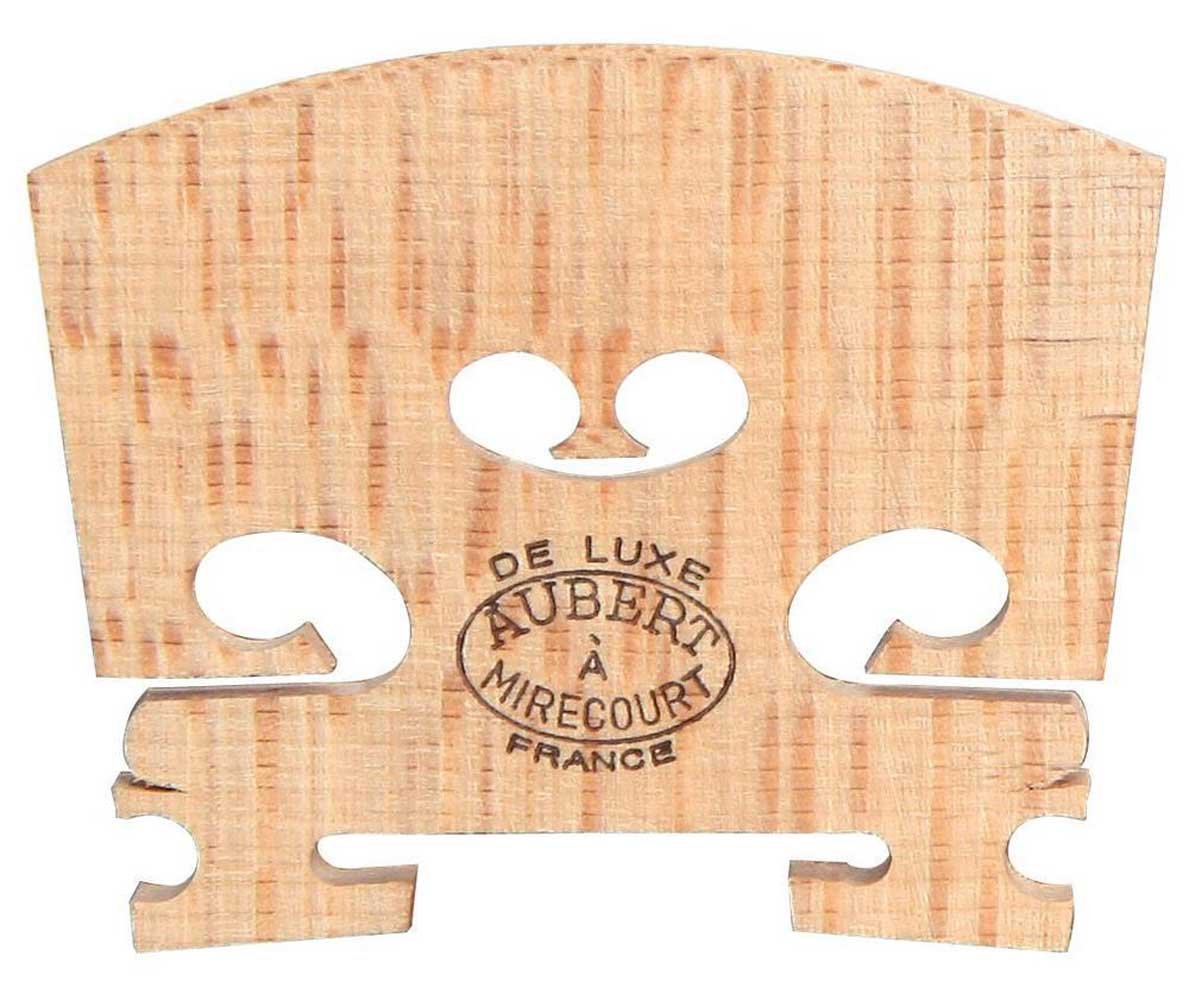
Fitting new bridges for height/tone tweaks.
Aubert 3 Star Deluxe Violin Bridge 4/4 High-quality maple with precise voicing for customizable EQ.
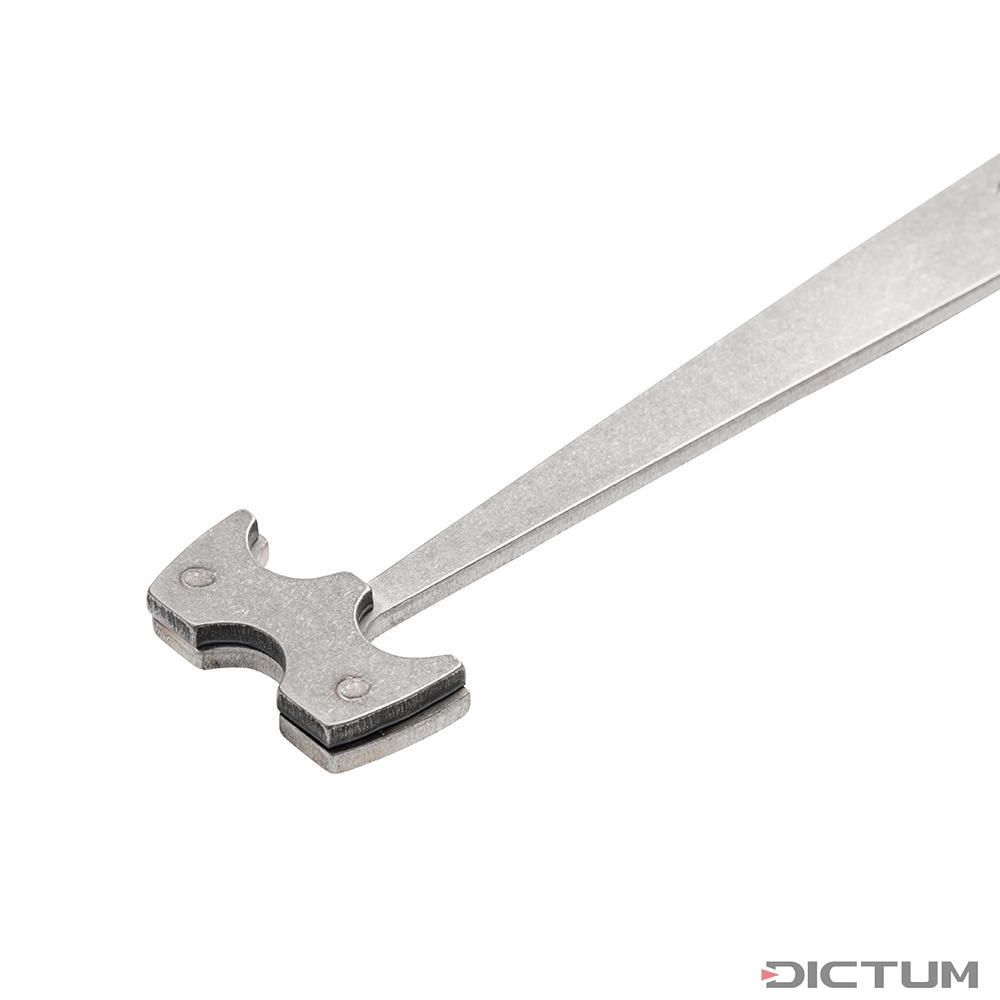
Daily fine-tuning soundpost position.
Herdim Violin Soundpost Setter Tool Precision hook for safe, accurate post adjustments without damage.

Alternative/test strings for low-end control.
Thomastik-Infeld Dominant Violin Strings 4/4 Medium Budget-friendly synthetic with warm yet clear tone for versatile chamber work.
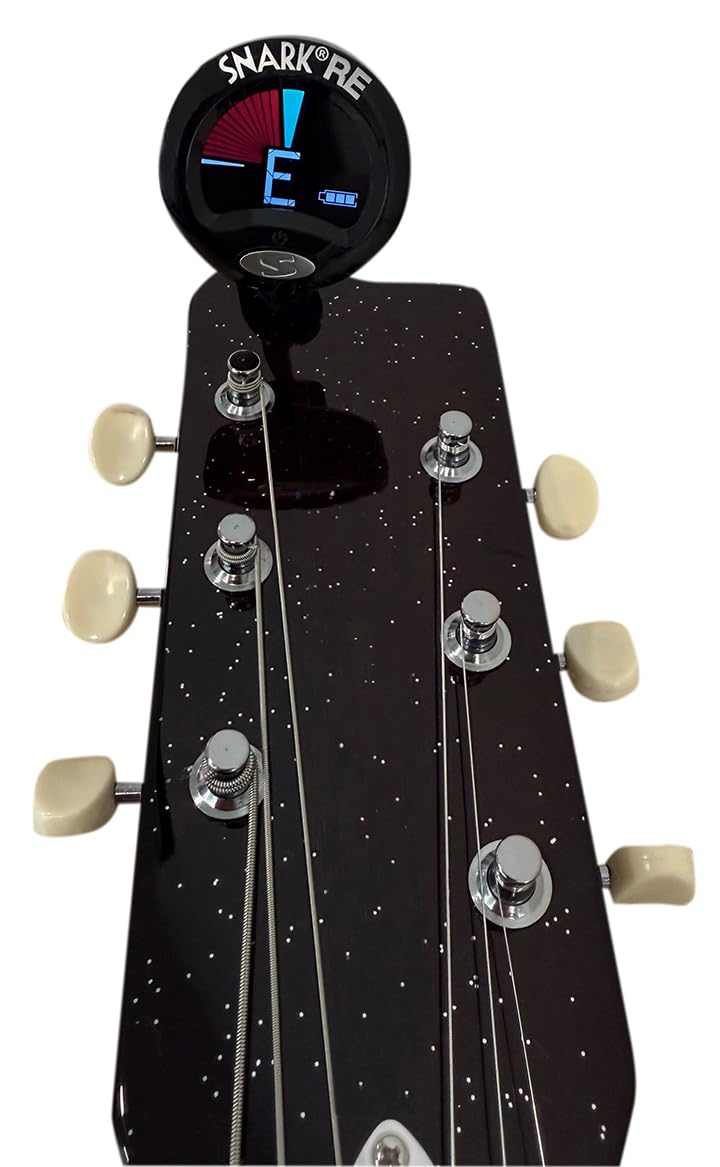
Quick checks during adjustments.
Snark SN5X Clip-On Tuner Accurate chromatic tuning essential for spectrum stability.