
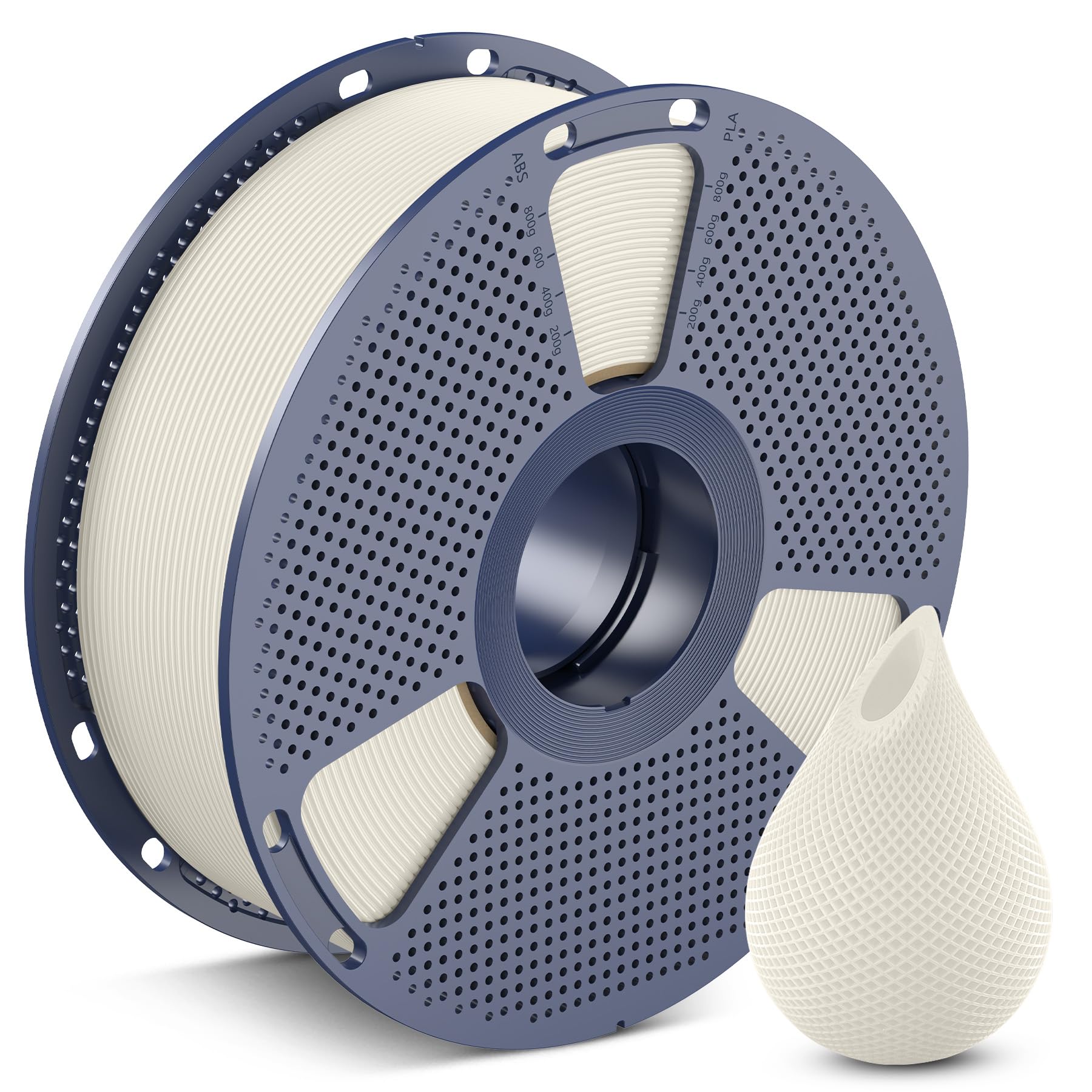
SUNLU FilaDryer S2
Daily use for PLA/PETG; dries in 4-6 hours.
$49.99
SUNLU FilaDryer S2 Compact, affordable active dryer with precise 35-70°C control and spool rotation—perfect for beginners drying 1kg spools.
Get the App
Better experience on mobile
Restore print quality by drying wet 3D filament with simple, beginner-friendly methods in just 4-12 hours.
Wet 3D filament is a common nightmare for beginners— it causes stringing, popping noises during printing, bubbles in layers, and failed prints that waste time and material. Humidity absorbs into hygroscopic filaments like PLA, Nylon, or PETG, ruining your projects. Don't toss it; drying it properly can save hundreds in filament costs.
In this guide, you'll learn easy, step-by-step methods to dry filament using household items or affordable tools, from oven drying to dedicated dryers. Whether you have a partial spool or a full one, these techniques work for most materials. Expect 4-24 hours total time (mostly hands-off drying), and it's beginner-level—no advanced skills needed.
By the end, your filament will print smoothly again, with crisp details and no moisture issues. Let's get your prints back on track!
Estimated Time: 4-12 hours (mostly passive drying time) Difficulty: beginner
Before drying, confirm moisture is the issue. Look for signs like hissing/popping during extrusion, stringy prints, brittle filament, or water droplets on the spool when flexed.
Why it matters: Not all print issues are moisture—skipping this wastes time. Test by heating a small length (5-10cm) in your hotend; steam or bubbles mean it's wet.
Success: You'll know exactly if drying is needed. Expect visible symptoms on 80% of stored filament in humid areas.
💡 Tips:
⚠️ Warnings:
Select based on what you have: Dedicated filament dryer (best, 45-60°C), food dehydrator (50-60°C), oven (40-55°C, lowest setting), or DIY desiccant box (room temp, slower).
Why it matters: Different filaments have temp limits—PLA: 45-55°C, ABS: 80-90°C, Nylon: 70-80°C. Overheating warps spools.
Success: Method picked matches your filament type (check label). Dryers are foolproof for beginners.
💡 Tips:
⚠️ Warnings:
Remove any plastic bag or loose ends. If partially used, consider snapping off wet outer layers (flex to break). Place spool on a flat surface.
Why it matters: Outer layers absorb most moisture; prepping speeds drying.
Success: Spool is clean, ready to insert into dryer without tangles. Takes 2 minutes.
💡 Tips:
⚠️ Warnings:
For filament dryer: Insert spool, set temp (e.g., 50°C for PLA) and timer. For oven/dehydrator: Place on parchment-lined tray, use thermometer to verify temp.
Why it matters: Precise temp prevents damage while evaporating moisture.
Success: Device beeps ready or reaches target temp (use hygrometer inside if available—aim for <10% RH).
💡 Tips:
⚠️ Warnings:
Run for 4-6 hours (PLA), 6-12 hours (PETG/Nylon). Rotate spool halfway if not auto-rotating.
Why it matters: Moisture evaporates slowly; rushing under-dries.
Success: Filament feels dry (no flexibility change), no steam smell. Test extrude a bit—no pops.
💡 Tips:
⚠️ Warnings:
Remove with tongs, let cool 30 mins in a dry area. Print a small test (calibration cube).
Why it matters: Confirms dryness before big prints.
Success: Clean extrusion, no strings/pops, solid layers.
💡 Tips:
⚠️ Warnings:
Seal in vacuum bag with desiccant or airtight box. Add hygrometer.
Why it matters: Dry filament re-absorbs moisture in hours.
Success: Stored spool ready for months of use.
💡 Tips:
⚠️ Warnings:
Problem: Filament still popping after drying
Solution: Re-dry 2-4 more hours or check for inner moisture—unspool partially.
Problem: Spool warped or soft
Solution: Temp too high. Cool immediately; use lower setting next time.
Problem: No improvement in prints
Solution: Not moisture—check nozzle clogs or bed leveling. Clean hotend.
Problem: Dryer not heating evenly
Solution: Rotate spool manually; upgrade to active heater model.
Compact, affordable active dryer with precise 35-70°C control and spool rotation—perfect for beginners drying 1kg spools.
Best for: Daily use for PLA/PETG; dries in 4-6 hours.
Price Range: $49.99
Multi-spool capacity (up to 2kg), app control, and fast heating—handles larger projects reliably.
Best for: High-volume printing or humid environments.
Price Range: $89.99
Budget oven alternative with even airflow at 50-60°C; trays fit spools perfectly.
Best for: Household option without buying 3D-specific gear.
Price Range: $69.99
Rechargeable packs for storage/vacuum bags—keeps filament dry long-term cheaply.
Best for: Post-drying storage or DIY dry boxes.
Price Range: $14.99
Daily use for PLA/PETG; dries in 4-6 hours.
SUNLU FilaDryer S2 Compact, affordable active dryer with precise 35-70°C control and spool rotation—perfect for beginners drying 1kg spools.
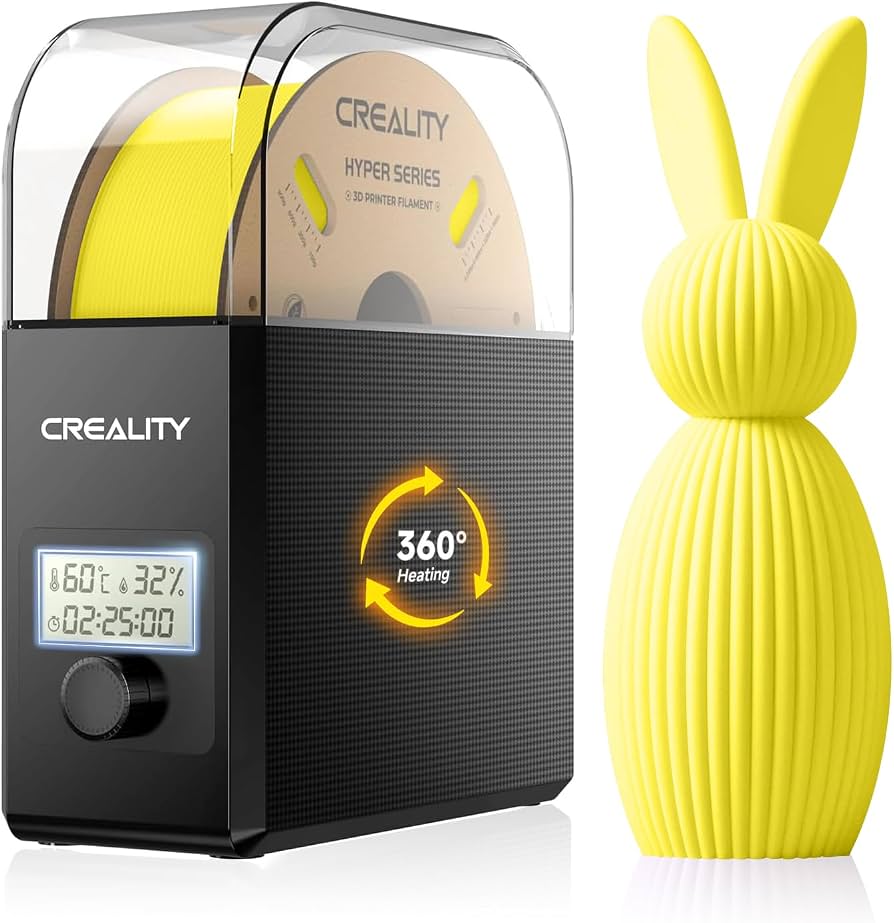
High-volume printing or humid environments.
Creality Filament Dryer Box S1 Multi-spool capacity (up to 2kg), app control, and fast heating—handles larger projects reliably.
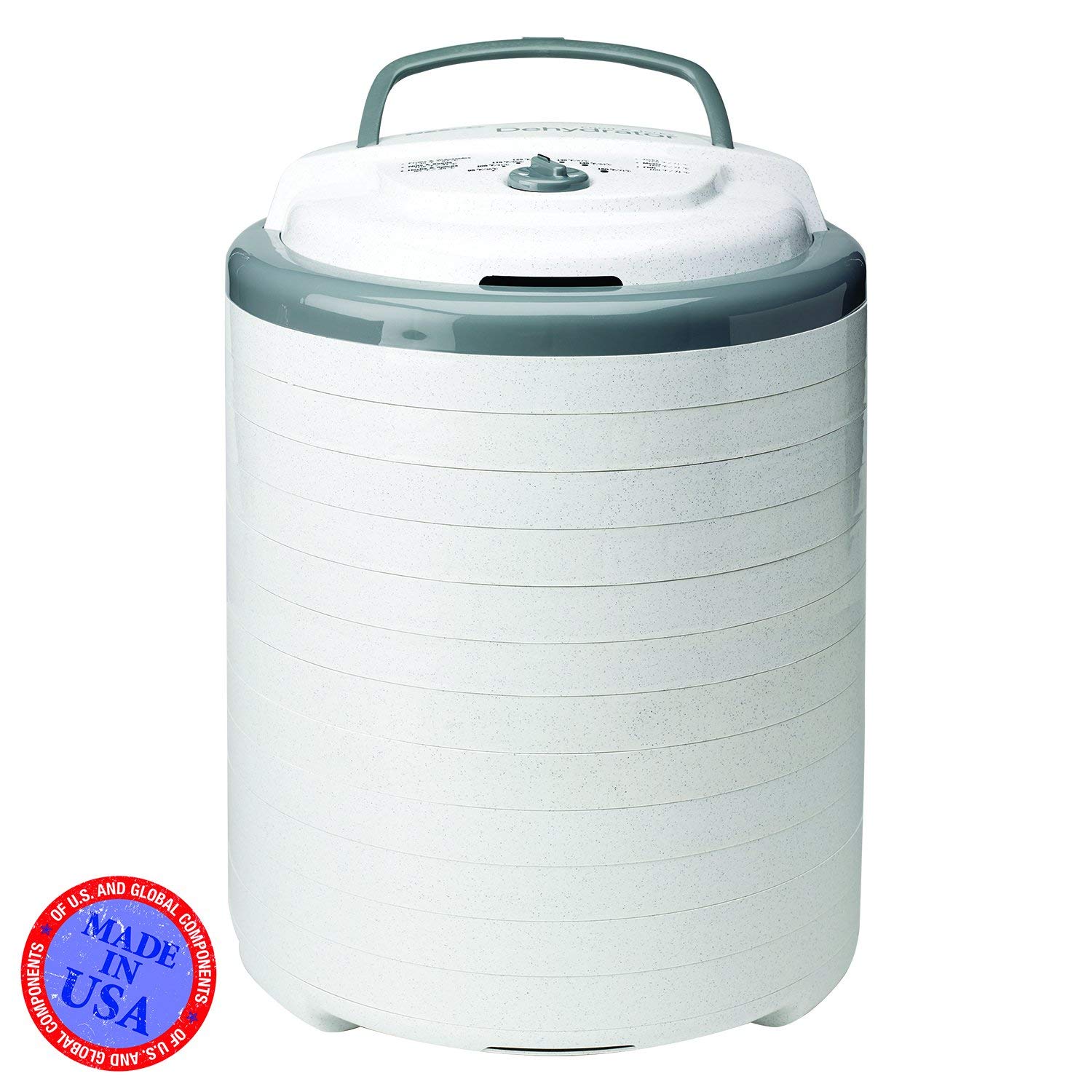
Household option without buying 3D-specific gear.
Nesco FD-75A Food Dehydrator Budget oven alternative with even airflow at 50-60°C; trays fit spools perfectly.

Post-drying storage or DIY dry boxes.
Wisedry Silica Gel Desiccant Packs Rechargeable packs for storage/vacuum bags—keeps filament dry long-term cheaply.