
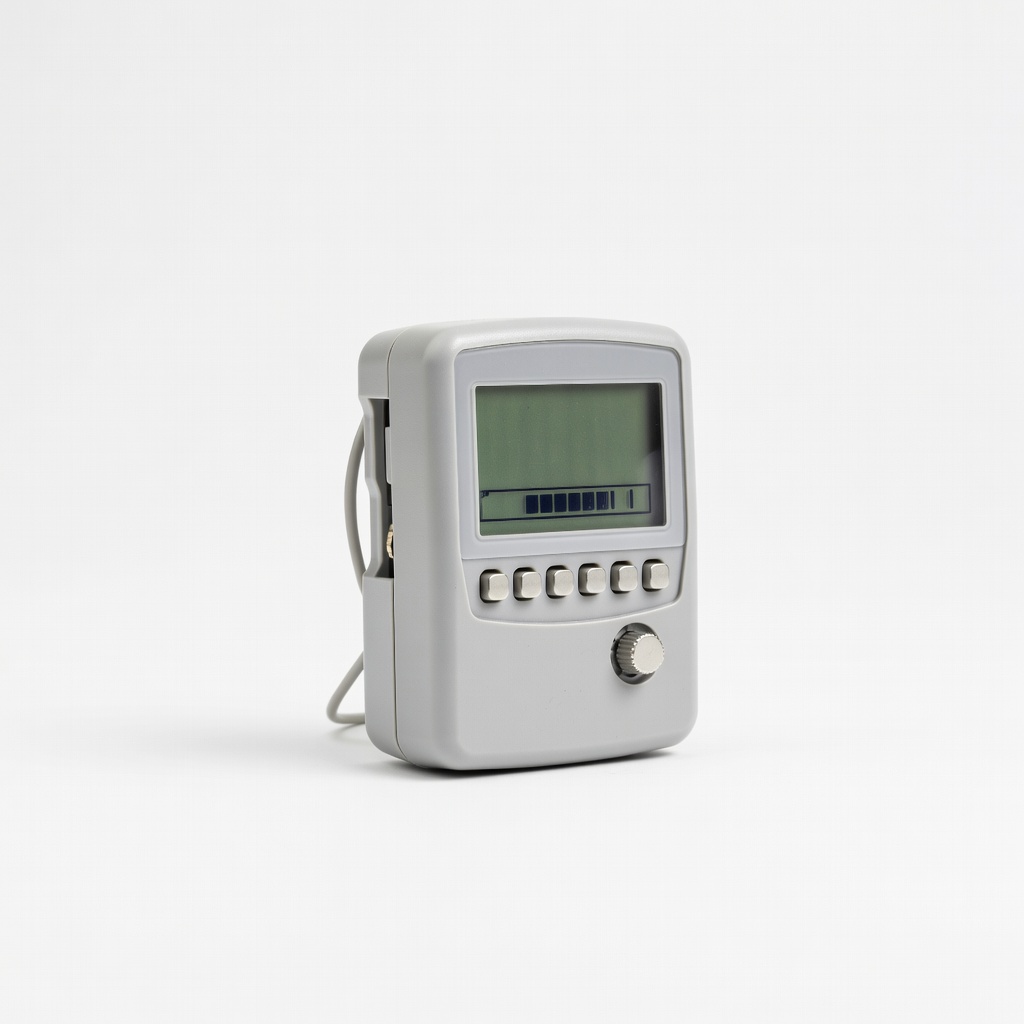
Powerextra Digital Battery Tester
Step 2 testing—works on AA/AAA/9V/C/D.
$9.99
Powerextra Digital Battery Tester Quickly checks if 9V batteries are truly dead before disposal, saving usable ones.
Get the App
Better experience on mobile
Safely recycle your old 9V batteries in 10 minutes to protect the environment, prevent fires, and follow local laws—no more landfill guilt.
Throwing old 9V batteries in the trash might seem convenient, but it's dangerous. These batteries contain toxic chemicals like mercury, cadmium, and lead that can leach into soil and water, harming wildlife and humans. Plus, short-circuiting 9V batteries in trash can cause fires. Proper disposal keeps you safe and eco-friendly.
In this beginner-friendly guide, you'll learn step-by-step how to identify, prepare, and recycle 9V batteries correctly. Whether alkaline, lithium, or rechargeable, we'll cover all types. The process is simple, takes just 10-20 minutes, and uses free local resources.
Expect easy steps anyone can follow—no special tools needed beyond gloves and a phone for locations. By the end, your batteries will be responsibly recycled.
Estimated Time: 10-20 minutes Difficulty: beginner
Start by checking the label on your 9V batteries. Look for markings like 'Alkaline,' 'Lithium,' 'NiMH,' or 'NiCd.' Alkaline are single-use (most common), lithium are high-power single-use, and NiMH/NiCd are rechargeable.
Why it matters: Different types have specific recycling rules—rechargeables go to special programs, while alkaline can often go to household hazardous waste.
Expect to see a square battery with snap connectors. If unsure, note the brand (e.g., Energizer, Duracell).
💡 Tips:
⚠️ Warnings:
Use a battery tester or multimeter to check voltage. For alkaline 9V, below 7V means it's dead. Insert into a device like a smoke detector—if it doesn't work, it's likely done.
Why it matters: Usable batteries shouldn't be tossed; recharge or store them.
Success: Tester shows low voltage or device fails to power on.
💡 Tips:
Cover the positive (+) and negative (-) snap connectors with non-conductive tape like electrical tape. Wrap each terminal separately or cover the whole top.
Why it matters: Prevents accidental short-circuiting, which causes heat, leaks, or fires during storage/transport.
Expect a secure cover—no metal exposed. Do this for each battery.
⚠️ Warnings:
Place taped batteries in a clear plastic bag or dedicated container. Label it 'Used 9V Batteries for Recycling.' Keep in a cool, dry place away from kids/pets.
Why it matters: Safe interim storage prevents hazards while you find a recycler.
Success: Batteries contained and labeled.
💡 Tips:
Search call2recycle.org or earth911.com, enter your ZIP code and '9V batteries.' Common spots: Home Depot, Lowe's, Best Buy, Staples, or household hazardous waste events.
Why it matters: Most areas have free drop-offs; laws require recycling over landfilling.
Expect 5-10 options nearby. Call to confirm they take 9V.
💡 Tips:
Wear gloves, put the bag in your car (not trunk heat), and drive to the center. Hand over to staff—mention taped 9V batteries.
Why it matters: Proper handover ensures certified recycling (materials recovered for new batteries).
Success: Receipt or confirmation from staff.
⚠️ Warnings:
Ask for a receipt or note the location/date. Check your city's recycling report online if available.
Why it matters: Proof for audits or tax deductions (rarely) and peace of mind.
You're done—environment protected!
💡 Tips:
Problem: No nearby recycler found
Solution: Ship via Call2Recycle mail-back (prepaid) or attend city hazardous waste day. Store safely meanwhile.
Problem: Battery leaks during handling
Solution: Wipe with vinegar/baking soda, neutralize, double-bag, and dispose as hazmat. Wear gloves.
Problem: Store won't accept 9V
Solution: Try another chain or search 'battery recycling near me' again—lithium may need special spots.
Quickly checks if 9V batteries are truly dead before disposal, saving usable ones.
Best for: Step 2 testing—works on AA/AAA/9V/C/D.
Price Range: $9.99
Secure storage for taped batteries until drop-off, with slots for 9V.
Best for: Steps 4 & 6—organizes and prevents movement.
Price Range: $12.99
Durable nitrile-coated gloves protect hands from leaks during handling.
Best for: All steps involving touch—reusable for multiple disposals.
Price Range: $19.99
Best non-conductive tape for terminals—sticks strong, no residue.
Best for: Step 3—essential for fire prevention.
Price Range: $8.99
For remote areas—mail batteries safely with prepaid label.
Best for: If no local drop-off (troubleshooting).
Price Range: $15-$25
Step 2 testing—works on AA/AAA/9V/C/D.
Powerextra Digital Battery Tester Quickly checks if 9V batteries are truly dead before disposal, saving usable ones.
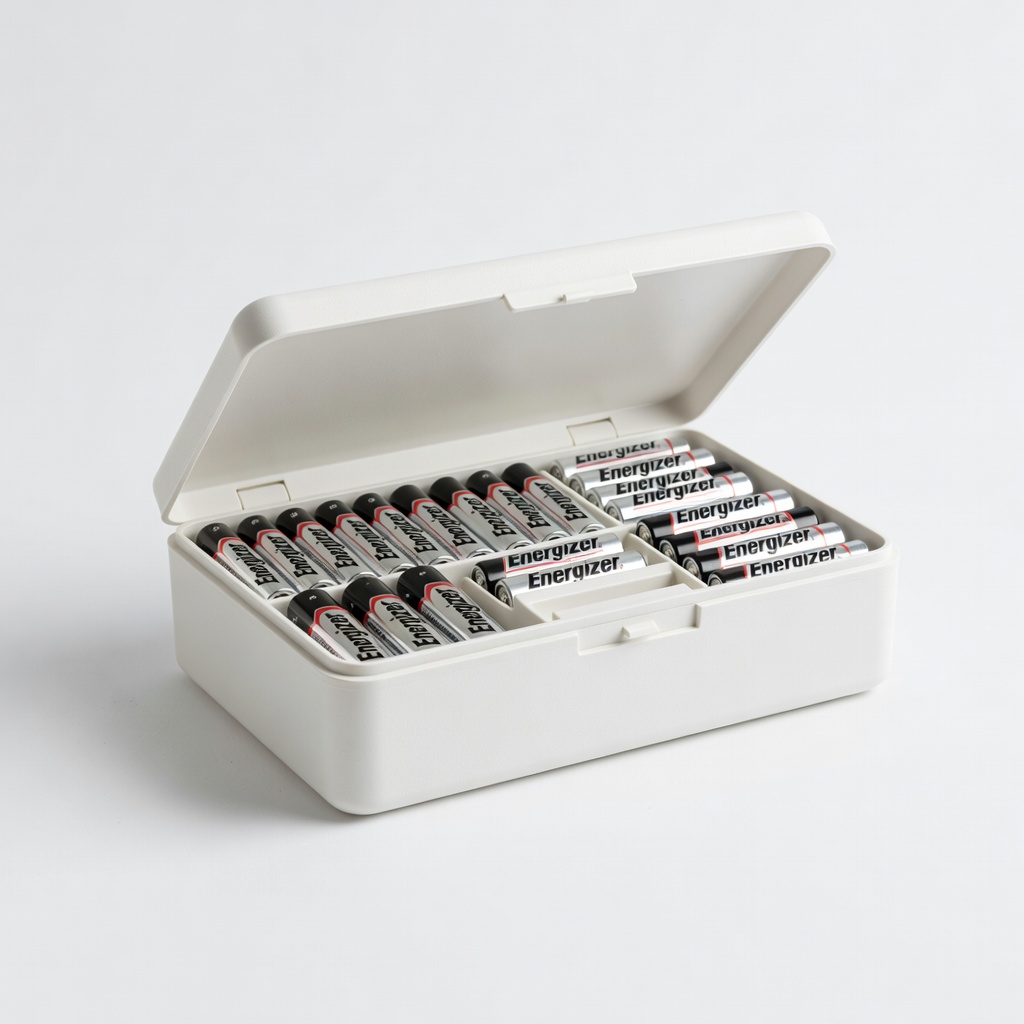
Steps 4 & 6—organizes and prevents movement.
Energizer Battery Organizer Deluxe Secure storage for taped batteries until drop-off, with slots for 9V.
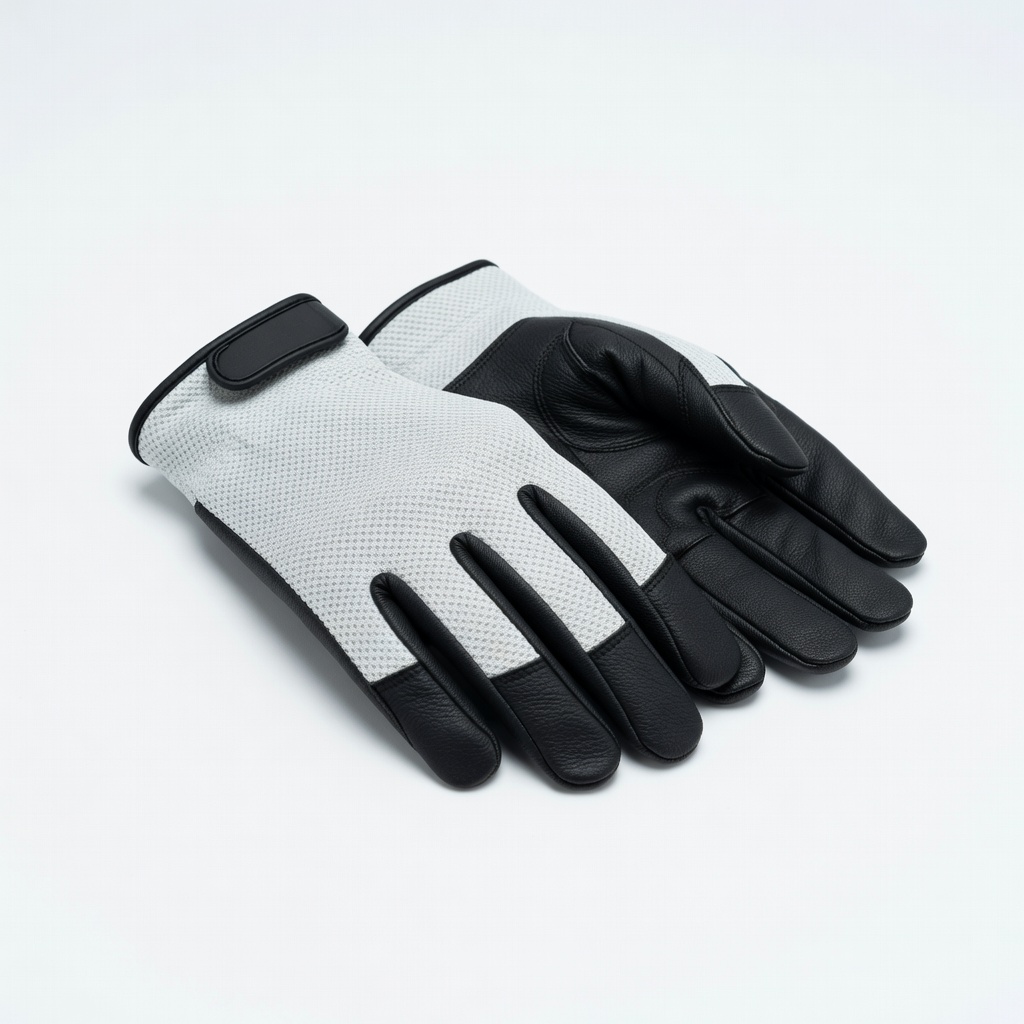
All steps involving touch—reusable for multiple disposals.
Mechanix Wear FastFit Work Gloves Durable nitrile-coated gloves protect hands from leaks during handling.
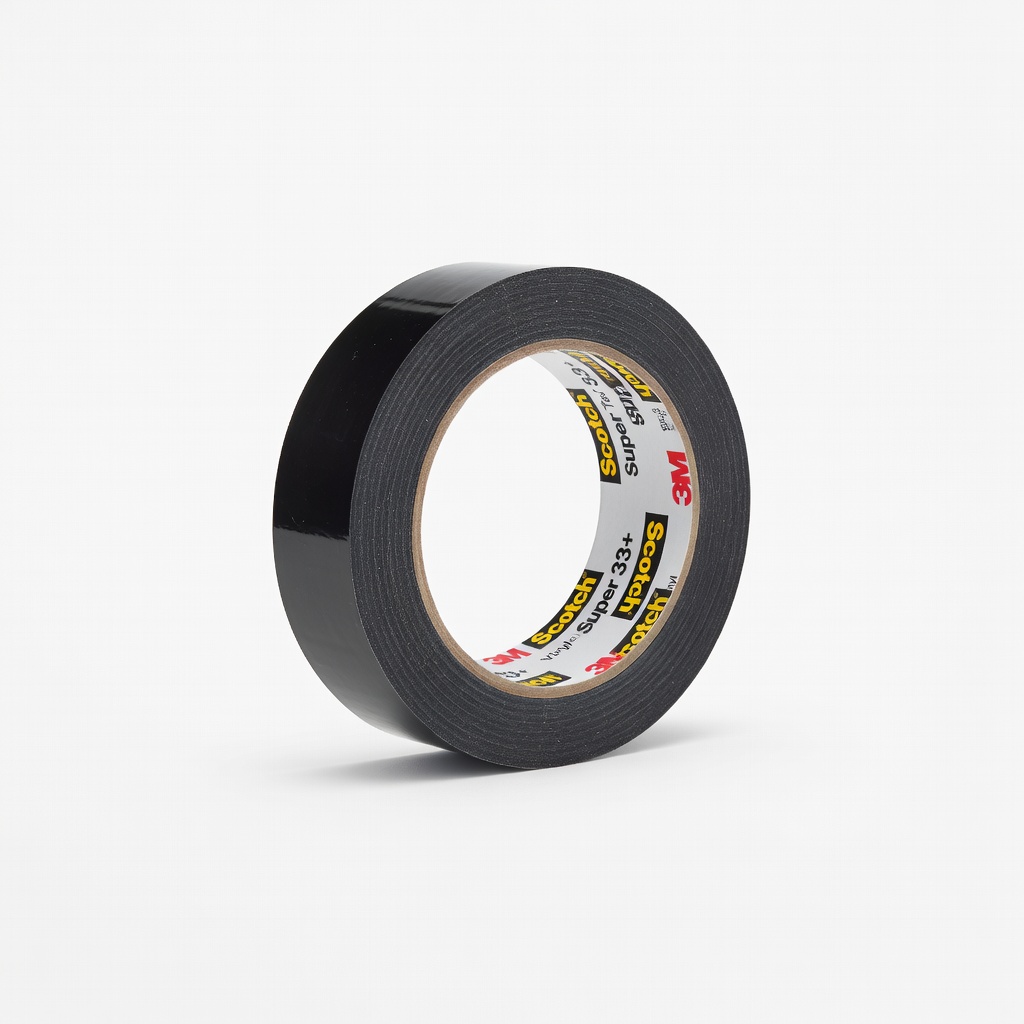
Step 3—essential for fire prevention.
3M Scotch Super 33+ Electrical Tape Best non-conductive tape for terminals—sticks strong, no residue.
If no local drop-off (troubleshooting).
Call2Recycle Prepaid Mail-Back Kit For remote areas—mail batteries safely with prepaid label.