
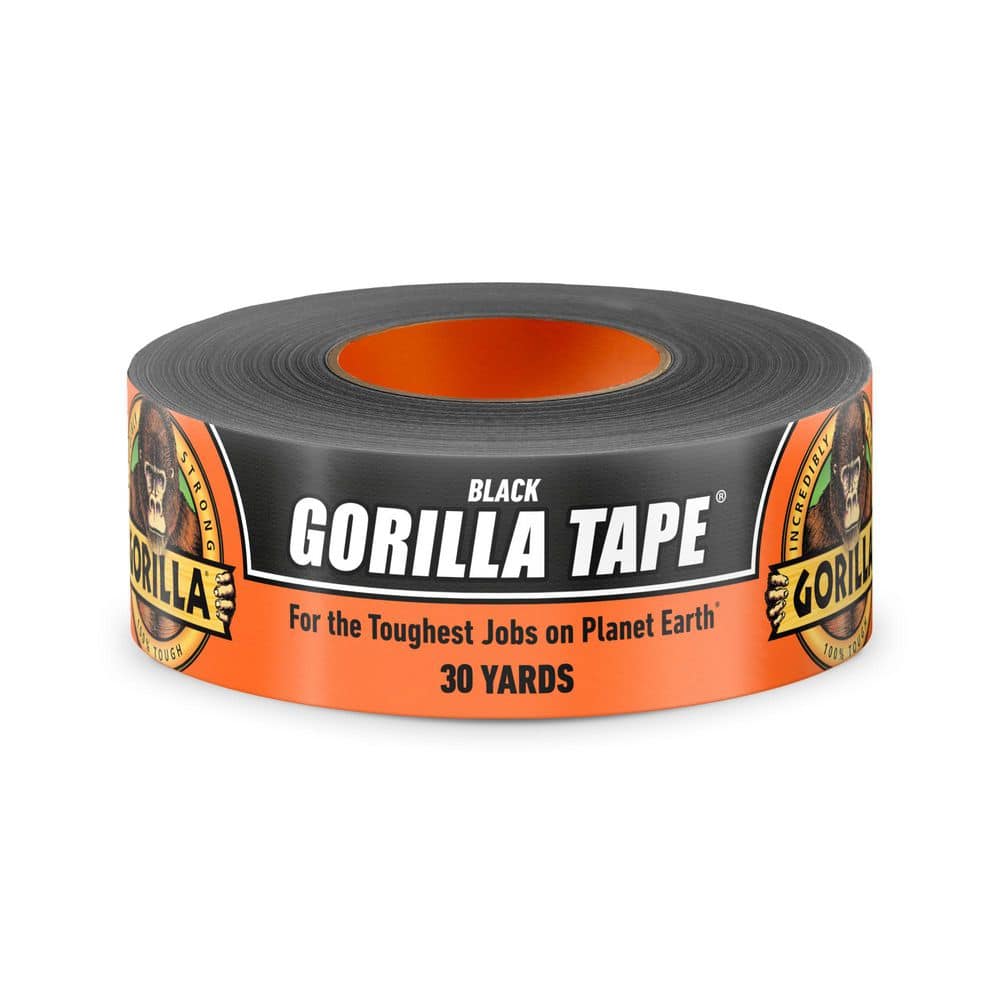
Gorilla Tape (Black)
Taping + and - ends on all AAA batteries during prep.
$12.99
Gorilla Tape (Black) Extra-strong adhesive sticks to curved battery terminals securely, preventing shorts better than regular tape.
Get the App
Better experience on mobile
Master simple steps to safely prepare and store AAA batteries for recycling, protecting your home and the environment in just 10 minutes.
Throwing AAA batteries in the trash might seem convenient, but it risks fires from short-circuiting and pollutes landfills with toxic chemicals like mercury and cadmium. With millions of batteries discarded yearly, safe disposal is crucial for beginners to prevent hazards and comply with local laws.
In this guide, you'll learn how to identify, prepare, and store AAA batteries (alkaline or rechargeable) at home until recycling. The process is straightforward, taking 10-15 minutes with household items. No special skills needed—just follow these steps for peace of mind.
Expect clear success markers like taped batteries in a secure container, ready for drop-off at stores like Home Depot or recycling centers.
Estimated Time: 10-15 minutes Difficulty: beginner
Start by collecting all materials in a well-ventilated, dry area like a garage or kitchen counter covered with newspaper. Put on nitrile gloves to protect your skin from potential leaks.
This prevents accidents and contamination. Success looks like everything organized and you gloved up, ready to handle batteries without direct skin contact.
Tip: Lay down old newspapers to catch any residue.
💡 Tips:
⚠️ Warnings:
Separate your AAA batteries into piles: alkaline (single-use, often labeled Duracell or Energizer), rechargeables (NiMH or NiCd, labeled 'rechargeable'), and any damaged/leaking ones.
Inspect for leaks (white/green powder or swelling). Why? Different types need specific handling to avoid fires or chemical reactions. Expect to identify 80% accurately by labels; success is sorted piles with no mixing.
Remove from devices first if still inserted.
💡 Tips:
⚠️ Warnings:
If you suspect rechargeables, use a battery tester to check voltage. Insert AAA battery; good ones read above 1.2V for NiMH.
This confirms if they're dead or savable, reducing waste. Skip if no tester—assume dead for disposal. Success: Tester shows low voltage, confirming disposal need.
Pro tip: Test in good light for accurate readings.
💡 Tips:
For each AAA battery (alkaline or rechargeable), cut a small piece of duct tape and firmly cover the positive (+) terminal. Repeat for negative (-) if space allows, or one strip across both.
Short-circuiting causes heat/fire—taping insulates. Press firmly; expect batteries with shiny taped ends. Do one at a time to avoid mix-ups.
This is the core safety step for home storage.
💡 Tips:
⚠️ Warnings:
Place taped AAA batteries in a clear ziplock bag, separated by type (one bag for alkaline, one for rechargeables). Label with date and type using marker.
Bagging contains leaks and organizes for recycling. Success: Sealed, labeled bags with no exposed terminals.
Keep away from kids/pets.
💡 Tips:
Put bagged batteries in a sturdy plastic container with a tight lid, placed in a cool, dry spot like a shelf away from heat sources.
Proper storage prevents accidents until drop-off. Expect a secure 'battery disposal bin' setup. Label container 'For Recycling Only.'
Max storage: 6 months.
💡 Tips:
⚠️ Warnings:
Search 'AAA battery recycling near me' or use Call2Recycle.org to find free spots like Home Depot, Lowe's, or Best Buy.
Most accept AAA batteries curbside or in-store. Success: List of 2-3 local sites with hours. Transport in original container.
Drop off promptly for eco-impact.
💡 Tips:
Problem: Battery is leaking during handling
Solution: Wipe with vinegar-damp cloth (gloves on), neutralize powder, then tape and bag. Dispose as hazardous waste.
Problem: No local recycling found
Solution: Mail-back kits via Call2Recycle or store at home safely up to 6 months; check earth911.com.
Problem: Tape won't stick
Solution: Clean terminals with dry cloth first; use electrical tape for better adhesion.
Problem: Unsure if rechargeable
Solution: Assume alkaline for safety; look for 'NiMH' label or test voltage >1.0V.
Extra-strong adhesive sticks to curved battery terminals securely, preventing shorts better than regular tape.
Best for: Taping + and - ends on all AAA batteries during prep.
Price Range: $12.99
Quickly tests AAA voltage to confirm dead rechargeables vs. savable ones, saving money and waste.
Best for: Step 3 verification for NiMH AAA batteries.
Price Range: $9.99-$12.99
Compartmented box holds taped/bagged AAA batteries organized by type, ideal for safe home storage.
Best for: Long-term storage in Step 6 before drop-off.
Price Range: $14.99
Powder-free, puncture-resistant protection against leaks, essential for safe handling.
Best for: All steps involving direct battery contact.
Price Range: $15.99 for 100ct
Long-life rechargeables (2100 cycles) reduce future disposals; prep same way when dead.
Best for: Replacement to minimize waste long-term.
Price Range: $24.99 for 8-pack
Taping + and - ends on all AAA batteries during prep.
Gorilla Tape (Black) Extra-strong adhesive sticks to curved battery terminals securely, preventing shorts better than regular tape.
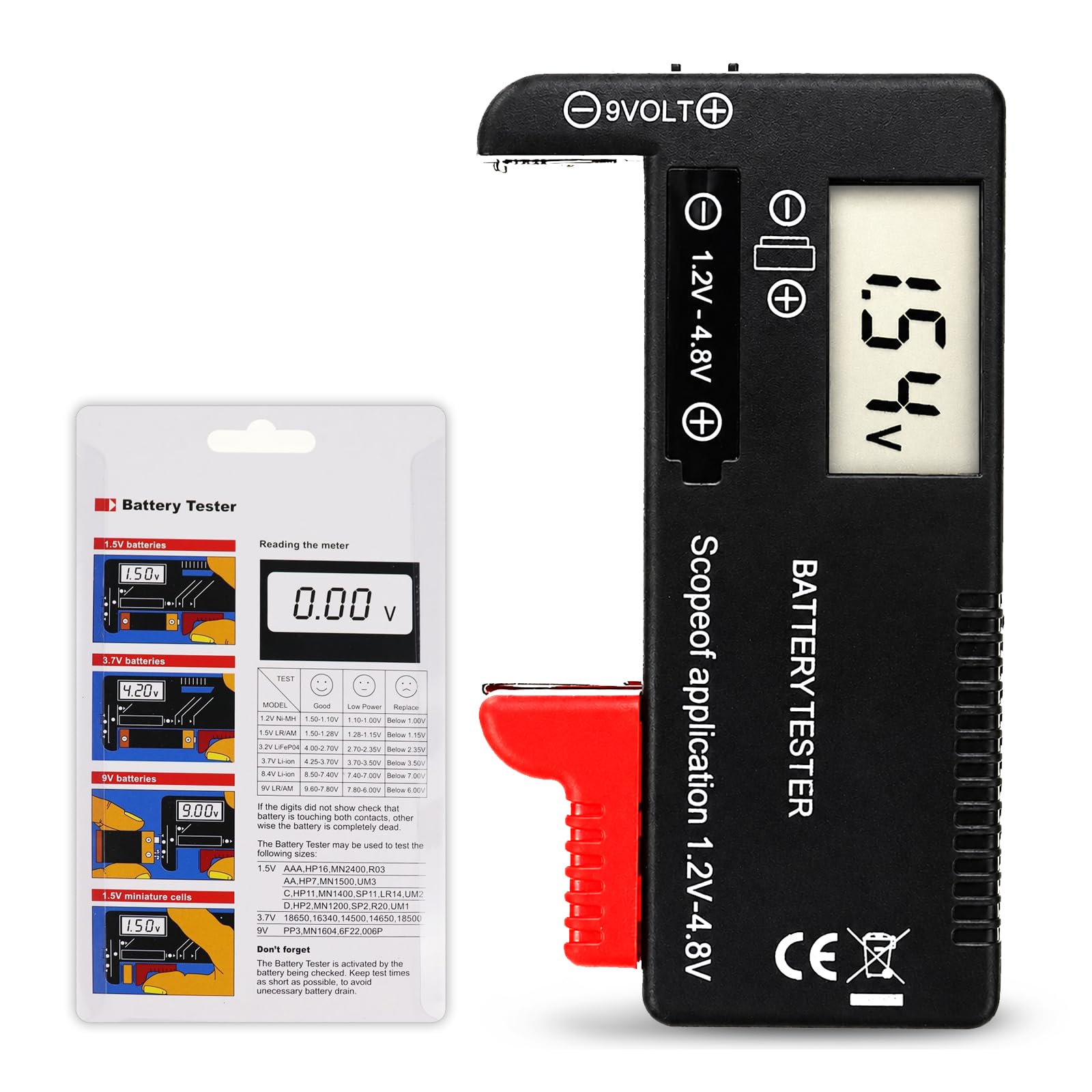
Step 3 verification for NiMH AAA batteries.
Accutest Digital Battery Tester Quickly tests AAA voltage to confirm dead rechargeables vs. savable ones, saving money and waste.

Long-term storage in Step 6 before drop-off.
Battery Buddy Organizer 90264 Compartmented box holds taped/bagged AAA batteries organized by type, ideal for safe home storage.

All steps involving direct battery contact.
MedPride Nitrile Exam Gloves Powder-free, puncture-resistant protection against leaks, essential for safe handling.

Replacement to minimize waste long-term.
Panasonic Eneloop AAA Rechargeable Batteries Long-life rechargeables (2100 cycles) reduce future disposals; prep same way when dead.