Daisy-chaining power strips and adapters—plugging one into another—is a common temptation when outlets are scarce, but it often leads to overheating, tripped breakers, or even fires. According to the NFPA, electrical issues cause over 44,000 home fires yearly, many from overloaded circuits. This guide equips you with intermediate-level knowledge to do it right or know when to avoid it.
You'll learn to calculate loads, select quality gear, and set up chains that comply with safety standards like UL and NEC guidelines (which discourage but don't ban it if done properly). Expect a quick assessment and setup process that's safer than random plugging.
Time: 10-15 minutes. Difficulty: Intermediate (basic electrical math required). Prioritize permanent solutions like adding outlets over daisy-chaining.
▸What You'll Need
- •High-quality surge-protected power strips (15A, 1800W rated)
- •Digital multimeter or plug-in circuit tester (required for load checks)
- •Extension cord rated for your total load (optional, 14-gauge or thicker)
- •Tape measure or notepad for calculations
- •Your devices' wattage ratings (from labels or manuals)
Estimated Time: 10-15 minutes
Difficulty: intermediate
▸Step-by-Step Instructions
Step 1: Calculate Your Total Power Load
List all devices you plan to connect and note their wattage (W) from labels or manuals. Multiply watts by amps if needed (use P = V × I; 120V standard in US). Sum them up—never exceed 80% of your circuit's 1800W (15A) limit for safety.
Example: Laptop (60W) + Monitor (50W) + Lamp (60W) + Charger (20W) = 190W. Safe for most chains.
Success: Total under 1440W (80% rule). This prevents overloads, the #1 daisy-chain killer.
💡 Tips:
- •Use an app like Kill A Watt for precise measurements.
- •Factor in startup surges (e.g., motors draw 2-3x running watts).
⚠️ Warnings:
- •Exceeding 15A trips breakers or melts plugs—fire hazard!
Step 2: Select Compatible, High-Quality Strips
Choose UL-listed power strips rated 15A/1800W minimum with surge protection (>1000 joules). Avoid cheap no-name adapters; they lack internal breakers.
Check labels: Circuit breaker, grounded plugs, 14-gauge wire. For daisy-chaining, max 2-3 levels deep.
Success: All strips match wall outlet rating (usually 15A).
💡 Tips:
- •Opt for ones with individual outlet switches for easy load balancing.
⚠️ Warnings:
- •Never chain surge protectors without breakers—they cascade failures.
Step 3: Test Your Wall Outlet
Plug in a circuit tester. Verify it's grounded (hot, neutral, ground lights correct) and on a 15A/20A circuit (not shared with high-draw appliances like AC).
Use multimeter: Voltage ~120V, no open grounds.
Success: Green 'safe' light or stable readings. Skip if faulty—call electrician.
💡 Tips:
- •Test multiple outlets; dedicate one circuit to your chain.
⚠️ Warnings:
- •Daisy-chaining on kitchen/bathroom circuits (GFCI) amplifies risks.
Step 4: Plug the First Strip into the Wall
Directly connect the primary power strip to the wall outlet—no adapters here. Ensure full insertion, no wobble.
Distribute heavy loads (heaters, etc.) across outlets evenly.
Success: Strip powers on, no heat after 5 mins idle.
💡 Tips:
- •Use a short, heavy-duty cord to minimize voltage drop.
Step 5: Daisy-Chain Secondary Strips
Plug secondary strip into primary's outlet. Limit to one secondary per primary outlet. Repeat for tertiary if needed (rare).
Balance loads: High-draw on primary, low on secondary.
Success: All power up without buzzing, warmth, or dimming lights.
💡 Tips:
- •Rotate plugs 90° if space-tight for better airflow.
⚠️ Warnings:
- •No more than 3 levels; each adds resistance/heat.
Step 6: Connect Devices and Monitor
Plug devices starting low-power. Run 10 mins, feel cords/plugs for heat (>warm = unplug immediately).
Use Kill A Watt on chain to verify <80% load.
Success: Stable operation, <95°F on surfaces.
💡 Tips:
- •Label strips with max load for future.
⚠️ Warnings:
- •Unplug nightly if possible; heat builds overnight.
Step 7: Secure and Ventilate Setup
Use zip ties to bundle cords neatly, avoiding coils (traps heat). Keep 6+ inches clearance from walls/carpet.
Success: Tidy, airflow-optimized chain.
▸Pro Tips
- •Prioritize wall outlets over chains—use [power audit guide] for alternatives.
- •Invest in smart plugs for remote load monitoring via app.
- •Color-code strips (e.g., blue primary) for quick identification.
- •Annual inspection: Replace if cords stiffen or insulation cracks.
- •For offices, use rack-mount PDU strips designed for chaining.
- •Combine with UPS for backups, but calculate total VA.
- •Time-save: Pre-label devices by wattage groups.
▸Common Mistakes to Avoid
- •Overloading without math: Leads to fires; always calculate 80% rule.
- •Using daisy-chains long-term: Causes wear; add outlets instead.
- •Ignoring heat checks: Warm = danger; unplug and redistribute.
- •Chaining cheap strips: No breakers fail silently; buy UL-listed.
- •Coiling cords: Traps heat like toaster; always uncoil fully.
▸Troubleshooting
Problem: Chain trips breaker immediately
Solution: Reduce load below 1440W or spread across outlets/circuits. Test individually.
Problem: Plugs get hot
Solution: Unplug all, let cool, redistribute loads. Replace if damaged. Improve ventilation.
Problem: Lights dim or buzzing
Solution: Voltage drop—shorten chain, use thicker wire (14AWG). Seek electrician if persists.
Problem: Surge protector won't reset
Solution: Overloaded permanently; replace. Don't bypass button.
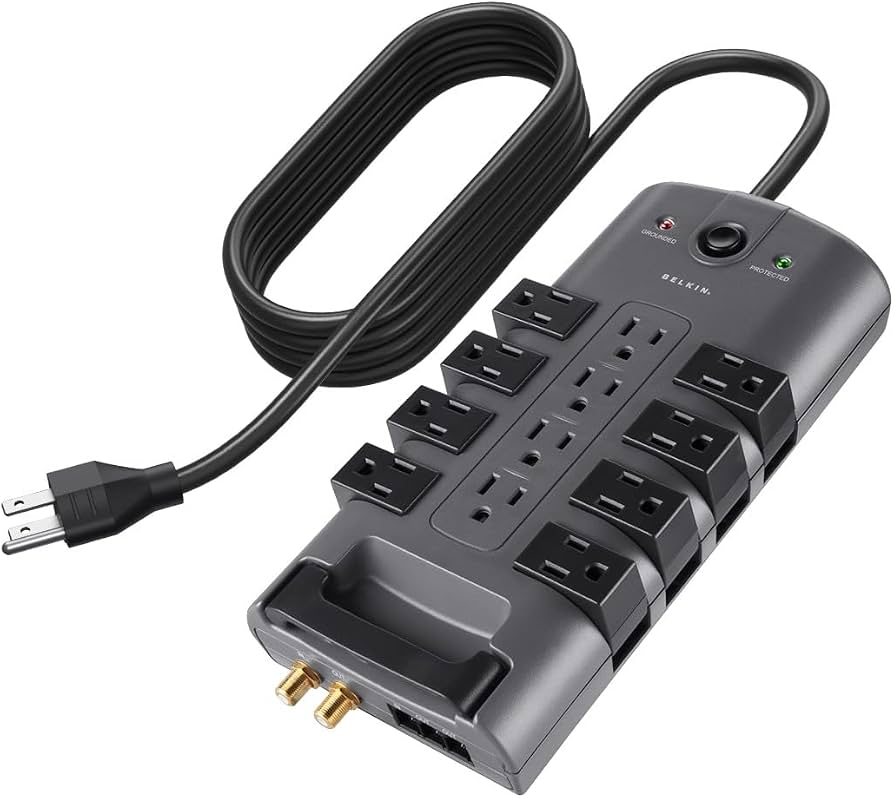
Belkin 12-Outlet Surge Protector Power Strip
12 outlets, 4320 joules surge protection, 15A circuit breaker—ideal for safe primary chaining with ample space.
Best for: Home office setups needing multiple device support without overload.
Price Range: $25-$30
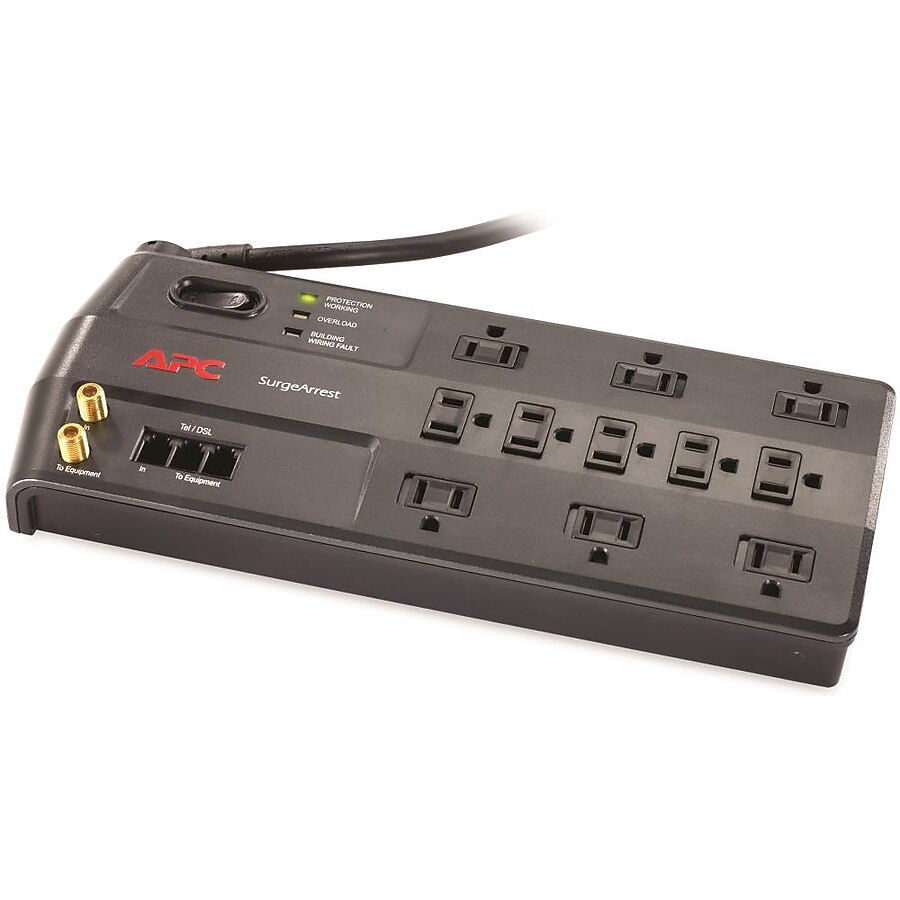
APC SurgeArrest Performance 11-Outlet
Right-angle plug saves space, 2880 joules, metal housing for durability in chains.
Best for: Tight desk areas where straight plugs cause clutter.
Price Range: $15-$20
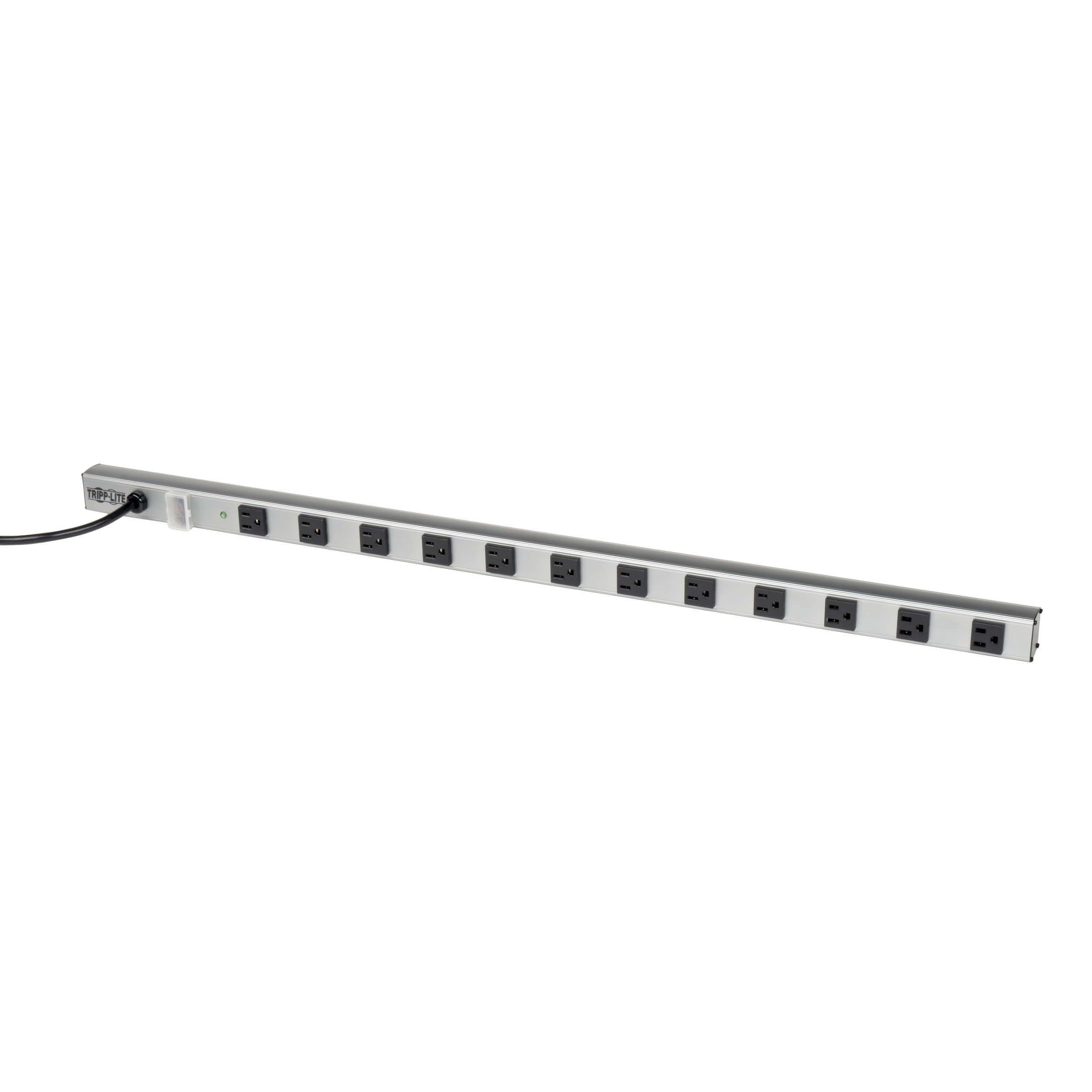
Tripp Lite Protect It 12-Outlet Surge Protector
Heavy-duty 3840 joules, diagnostic LEDs show wiring issues—perfect for monitoring daisy-chains.
Best for: High-load tech setups like gaming rigs.
Price Range: $35-$45
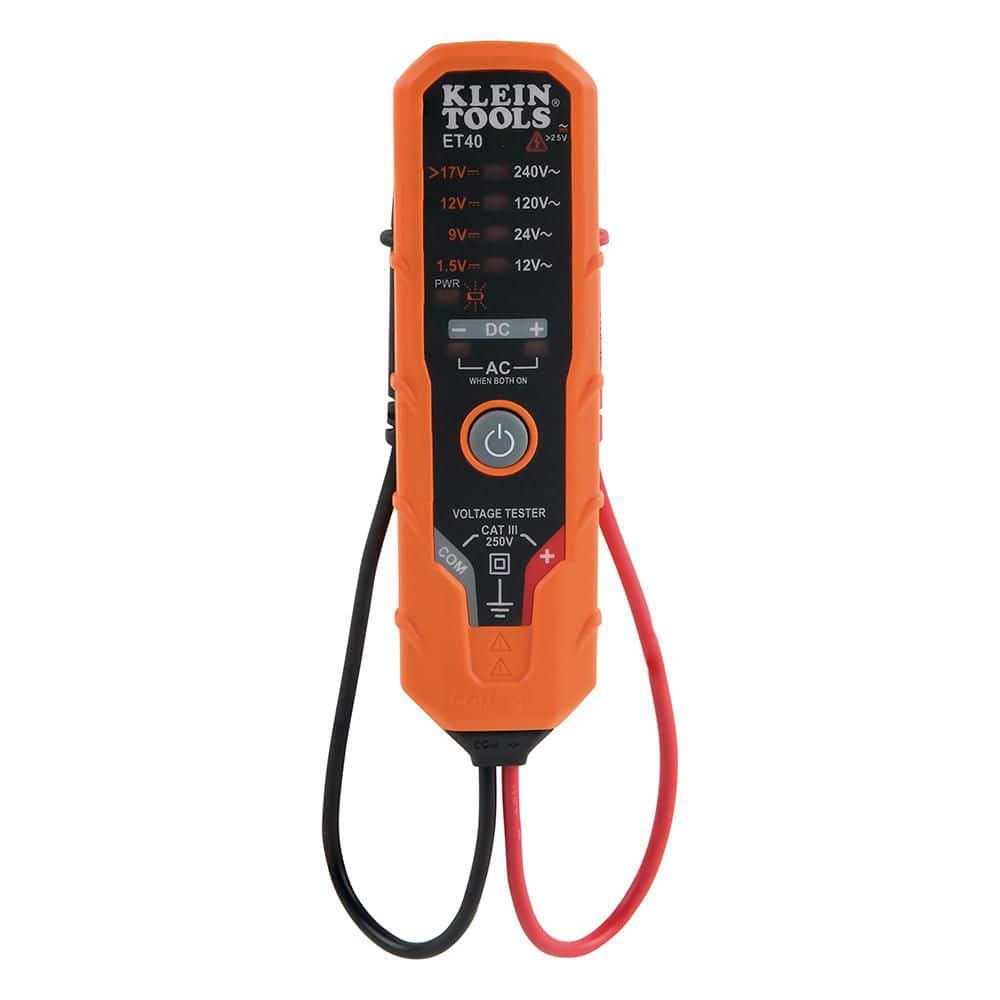
Klein Tools ET40 Circuit Tester
Accurate outlet tester detects faults before chaining, preventing hazards.
Best for: Initial safety checks on any wall outlet.
Price Range: $20-$25
Amazon Basics 14-Gauge Extension Cord
Reduces voltage drop in longer chains, 15A rated for safety.
Best for: Bridging wall to primary strip.
Price Range: $15-$20