
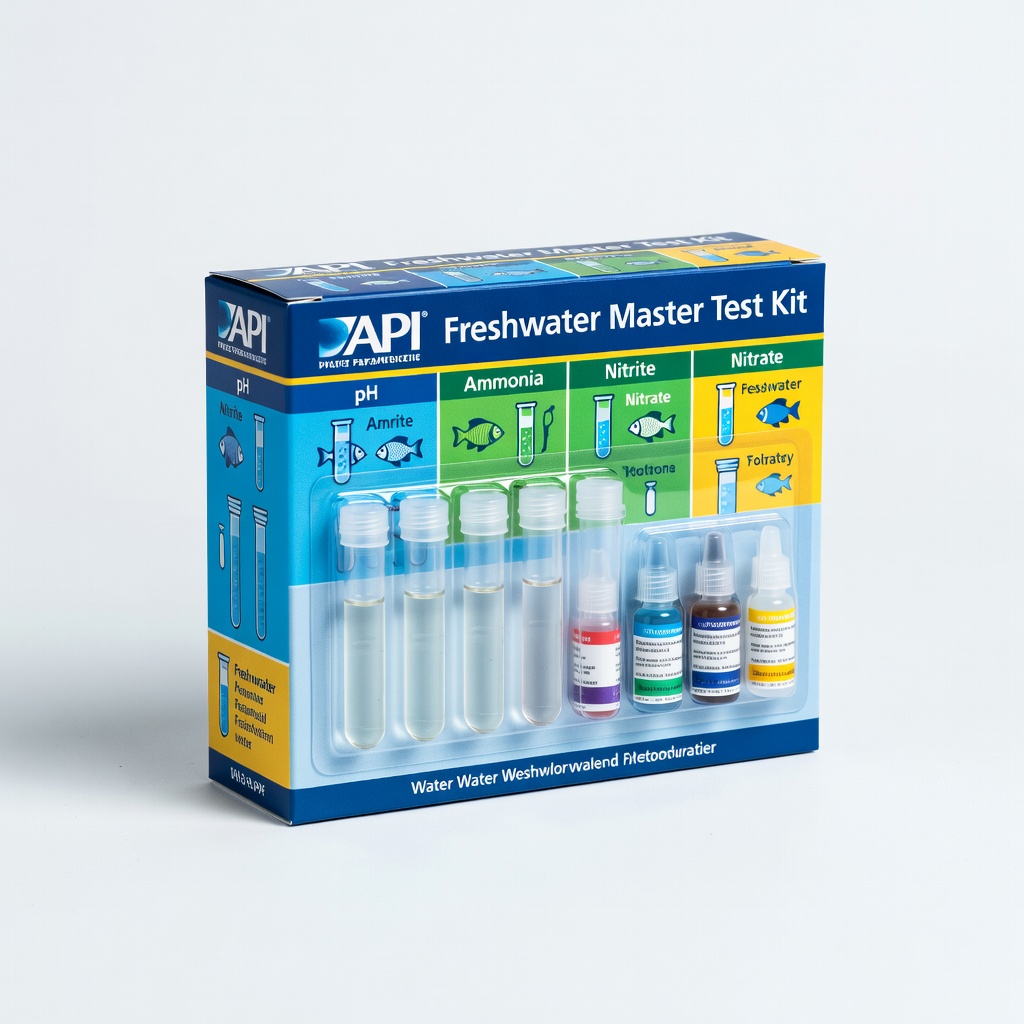
API Freshwater Master Test Kit
Track cycle progress precisely during 7 days.
$30-$35
API Freshwater Master Test Kit Accurate liquid tests for ammonia, nitrite, nitrate—essential for daily monitoring.
Get the App
Better experience on mobile
Master fishless cycling to build a safe, bacteria-filled aquarium ready for fish in just one week without risking new pets.
Adding fish to a new tank too soon is a common beginner mistake that leads to 'new tank syndrome,' where deadly ammonia spikes wipe out your aquatic friends. Cycling establishes beneficial bacteria that convert toxic ammonia and nitrite into harmless nitrate, creating a stable environment. This guide teaches you the fishless method using ammonia, proven faster and safer for novices.
You'll learn a simple 7-day process with daily checks, requiring just 10-15 minutes per day. No prior experience needed—we break it down into clear steps, what to watch for, and pro tips. By day 7, your tank will be cycled, passing tests for zero ammonia and nitrite with rising nitrates.
Expect realistic results: most tanks cycle in 7-14 days, but bottled bacteria boosters can speed it to 7. Patience pays off for healthy fish long-term.
Estimated Time: 7 days total, 10-15 minutes daily plus 30 minutes setup Difficulty: beginner
Start with a thoroughly cleaned tank—no soaps or chemicals, just hot water. Rinse substrate, decorations, and filter media separately to remove dust. Place the tank on a level stand away from direct sunlight or drafts.
Why? Cleanliness prevents contaminants that could derail bacteria growth. Expect a bare tank ready for water—success looks like spotless glass and rinsed gravel piled nearby.
Pro tip: Use a bucket for rinsing to avoid sink clogs.
💡 Tips:
⚠️ Warnings:
Add substrate and decorations, then slowly fill with room-temperature tap water using a plate to prevent disturbing gravel. Dose dechlorinator per instructions (e.g., 1 capful per 10 gallons). Aim for 78°F water temp.
Chlorine kills bacteria, so conditioning is crucial. Water should be crystal clear—no bubbles or residue.
Install heater and thermometer now, but don't plug in yet.
💡 Tips:
⚠️ Warnings:
Set up filter per manual—ensure media is in place (bio-media key for bacteria). Plug in heater (set to 78°F) and filter. Run for 24 hours without ammonia to stabilize.
Flow creates oxygen for bacteria; heat speeds growth. Bubbles and circulation mean success—no leaks!
Day 0 complete.
💡 Tips:
⚠️ Warnings:
Test water: ammonia 0 ppm. Add ammonia to reach 2-4 ppm (follow product dosing chart; e.g., 1 tsp 5% ammonia per 10 gallons ≈3 ppm). Add optional bacteria booster now.
This mimics fish waste, kickstarting bacteria. Recheck in 1 hour—target stable 2-4 ppm.
Why 7 days? Boosters colonize fast.
💡 Tips:
⚠️ Warnings:
Each morning: Test ammonia, nitrite, nitrate. If ammonia <2 ppm, redose to 2-4. Expect Day 2-3: ammonia drops to 0, nitrite rises (0.25+ ppm)—first bacteria wave!
Nitrosomonas convert ammonia to nitrite. Log trends; water may smell.
Success: Clear nitrite spike by Day 4.
💡 Tips:
⚠️ Warnings:
Continue daily tests/dosing. Nitrite should peak then drop to 0 as Nitrospira convert it to nitrate (5-40 ppm). Ammonia stays low.
Full cycle nears! Expect stable readings.
Boost oxygen with airstone if stalled.
💡 Tips:
⚠️ Warnings:
Test: 0 ammonia, 0 nitrite, 5+ ppm nitrate after 12 hours without dosing. Redose ammonia—if gone in 24h with nitrite/nitrate cycle, done!
Tank ready for fish. Add gradually.
Congrats!
💡 Tips:
⚠️ Warnings:
Problem: No nitrite after Day 4
Solution: Add bacteria booster, ensure 78°F, strong filtration. Redose ammonia. Wait 2 more days.
Problem: Ammonia won't drop
Solution: Check for chlorine residue (retest source water), increase oxygen/aeration. Partial change and restart.
Problem: Nitrite stuck high
Solution: 50% water change, add bacteria booster. Patience—second bacteria slower.
Problem: Algae bloom
Solution: Reduce light to 6 hours, no fertilizer. Normal early; fades post-cycle.
Accurate liquid tests for ammonia, nitrite, nitrate—essential for daily monitoring.
Best for: Track cycle progress precisely during 7 days.
Price Range: $30-$35
Live bacteria booster jumpstarts cycle to 7 days reliably.
Best for: Dose on Day 1 and Day 4 for fastest results.
Price Range: $14-$20
Pure, pH-neutral ammonia source sized for aquariums—no dilution math.
Best for: Precise 2-4 ppm dosing without household risks.
Price Range: $10-$15
Removes chlorine/chloramine instantly, detoxifies minor ammonia.
Best for: Initial fill and any water changes.
Price Range: $8-$15
Reliable temp control at 78°F crucial for bacteria growth.
Best for: Maintain optimal cycling temperature.
Price Range: $20-$40
Track cycle progress precisely during 7 days.
API Freshwater Master Test Kit Accurate liquid tests for ammonia, nitrite, nitrate—essential for daily monitoring.
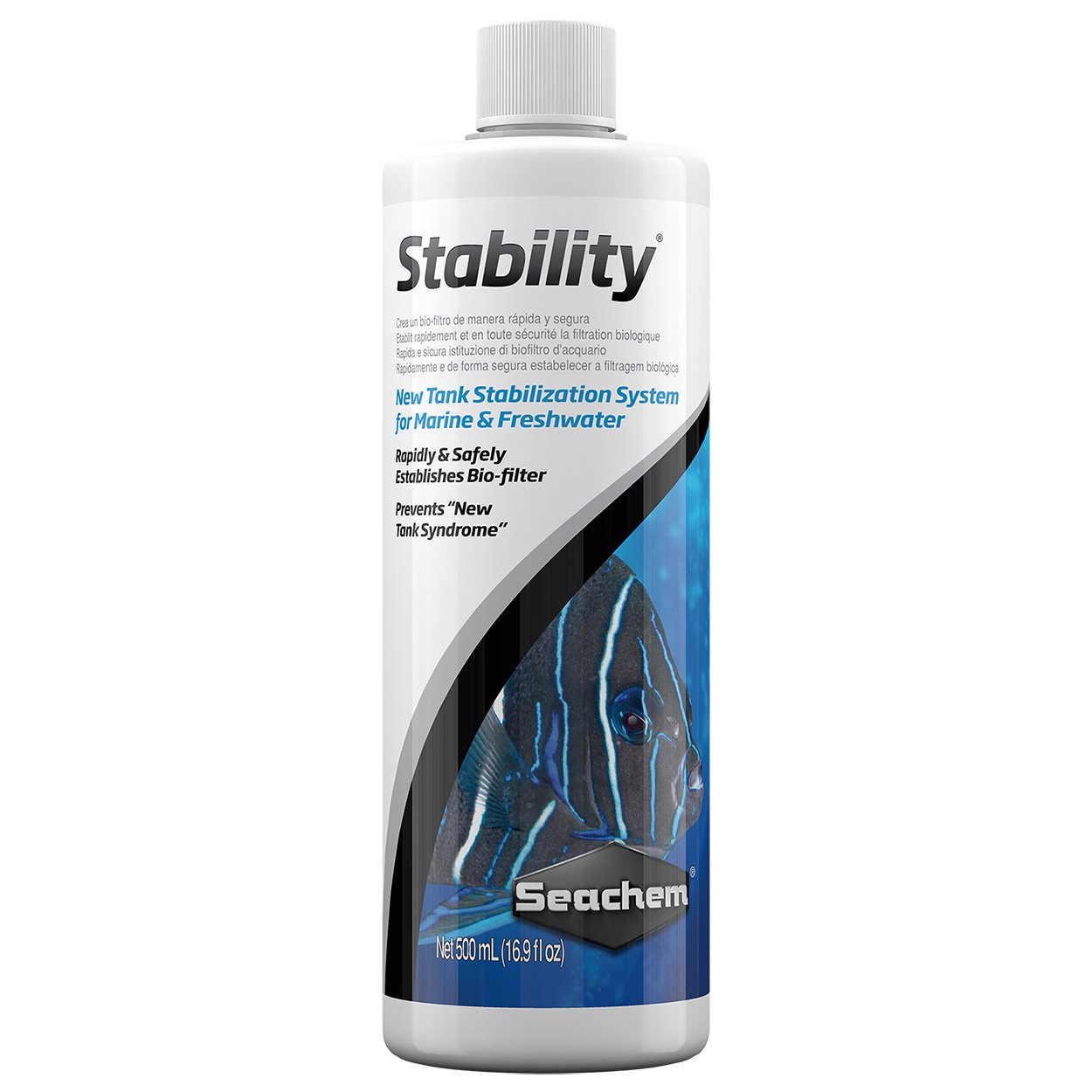
Dose on Day 1 and Day 4 for fastest results.
Seachem Stability Live bacteria booster jumpstarts cycle to 7 days reliably.
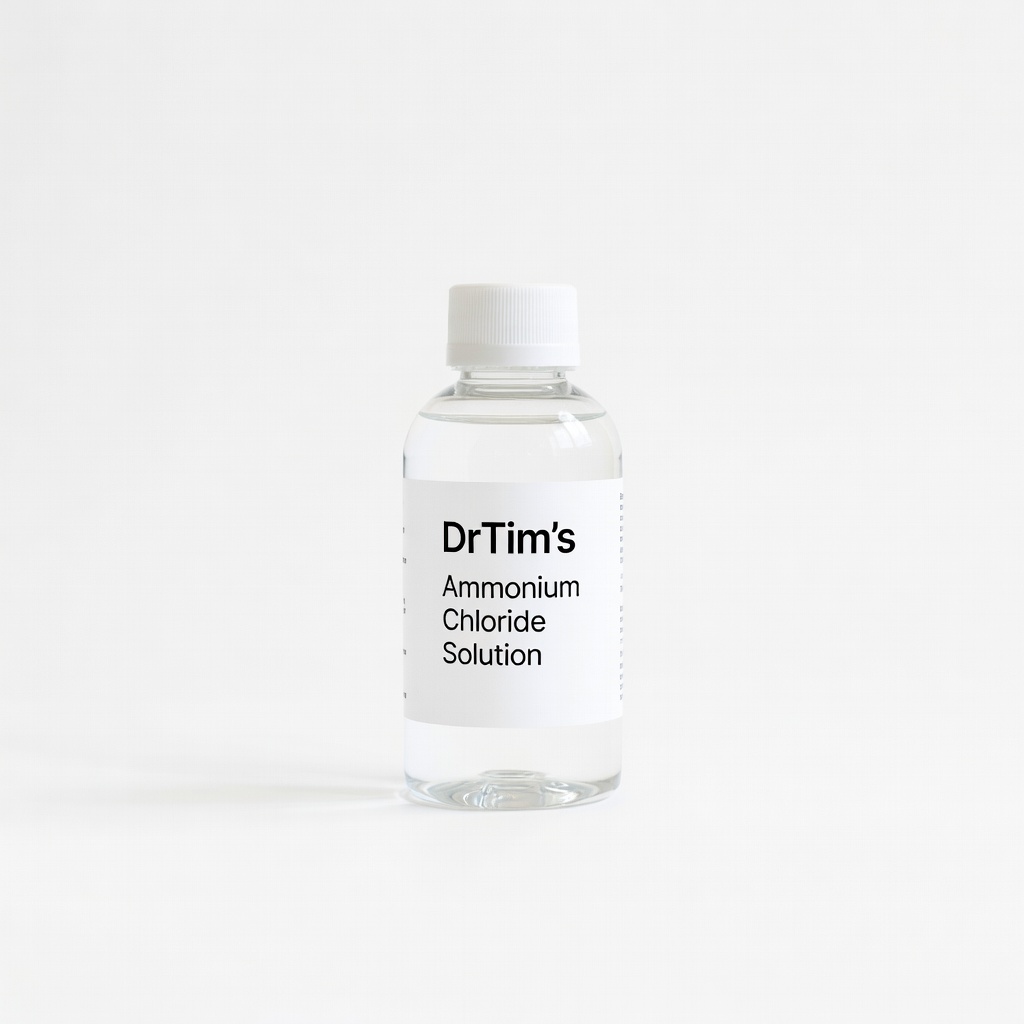
Precise 2-4 ppm dosing without household risks.
DrTim's Ammonium Chloride Solution Pure, pH-neutral ammonia source sized for aquariums—no dilution math.
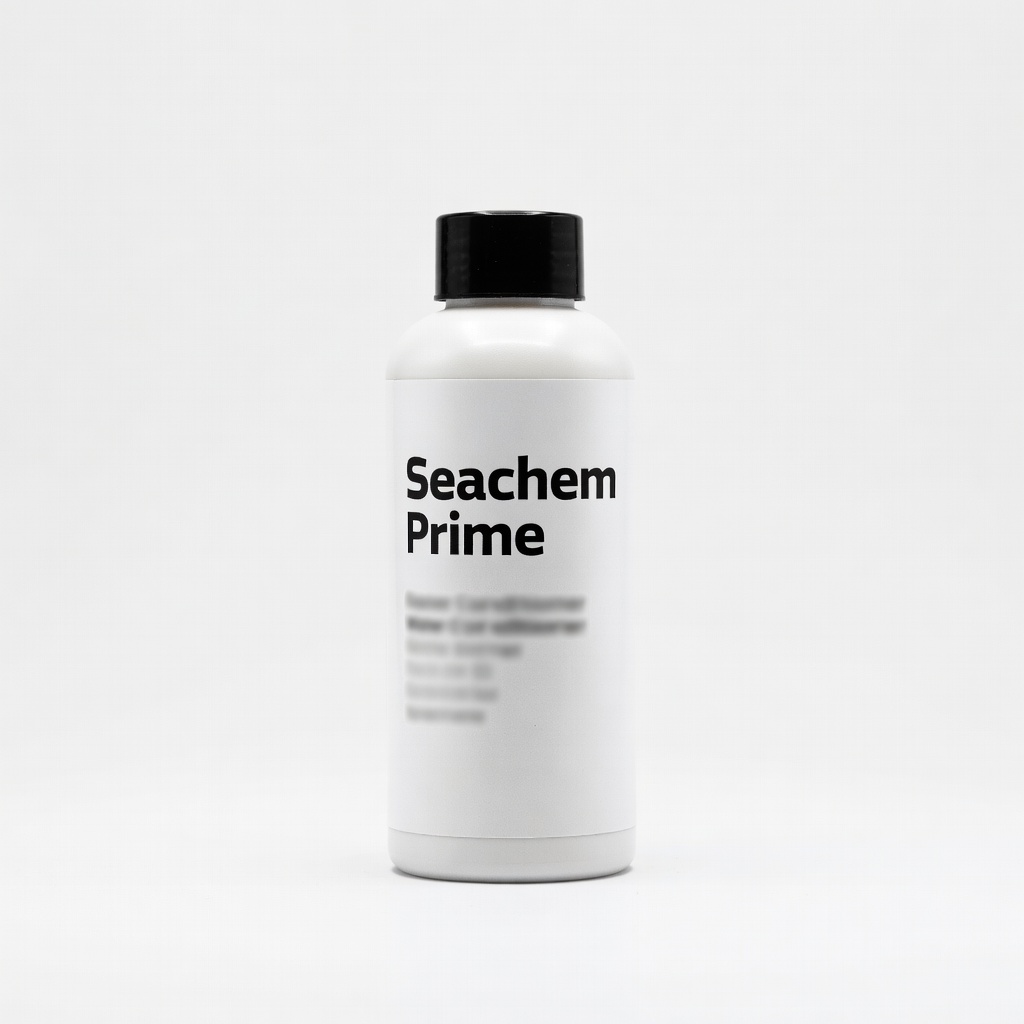
Initial fill and any water changes.
Seachem Prime Water Conditioner Removes chlorine/chloramine instantly, detoxifies minor ammonia.
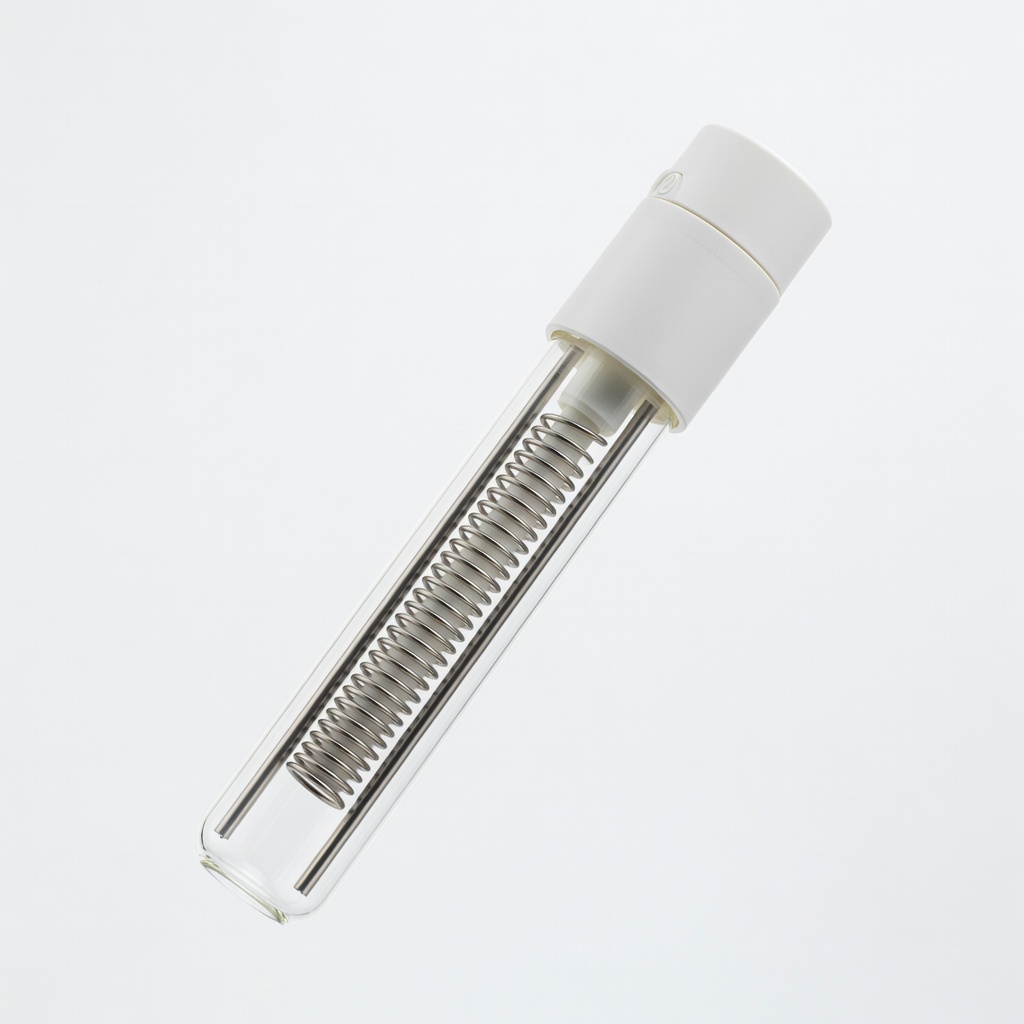
Maintain optimal cycling temperature.
Aqueon Aquarium Heater Reliable temp control at 78°F crucial for bacteria growth.