Setting up a new aquarium is exciting, but rushing to add fish can lead to disaster. Without a proper nitrogen cycle, toxic ammonia and nitrites build up, stressing or killing your aquatic pets. This is a common pain point for hobbyists—many lose their first fish due to 'new tank syndrome.' By cycling without fish, you establish beneficial bacteria that convert harmful waste into safer nitrates, creating a stable home before inhabitants arrive.
In this guide, you'll learn the fishless cycling process step by step, tailored for intermediate aquarists familiar with basic setup but new to water chemistry. We'll cover everything from sourcing ammonia to monitoring parameters, using simple tools and tests. The process mimics natural bacterial colonization, typically taking 4-6 weeks with daily checks, but it's straightforward and rewarding—your tank will be ready for fish when levels stabilize.
Expect some patience; success means zero ammonia and nitrites with rising nitrates, signaling a cycled ecosystem. No advanced skills needed beyond reading test results, but accuracy is key for your future fish's safety.
▸What You'll Need
- •New aquarium tank (20-55 gallons recommended for starters)
- •Aquarium substrate (gravel or sand, rinsed)
- •Hang-on-back or canister filter with media
- •Aquarium heater set to 78-82°F
- •Dechlorinator/water conditioner (e.g., Seachem Prime)
- •Ammonia source: Pure ammonia (5% household, unscented) or stability alternative like decaying fish food
- •Test kit for ammonia, nitrite, and nitrate (liquid preferred for accuracy)
- •Siphon or gravel vacuum for water changes
- •Optional: Beneficial bacteria booster (e.g., API Quick Start)
Estimated Time: 4-6 weeks total, with 10-15 minutes daily for monitoring and dosing
Difficulty: intermediate
▸Step-by-Step Instructions
Step 1: Set Up Your Empty Aquarium
Begin by placing your rinsed substrate into the empty tank, then install the filter and heater. Fill the tank with dechlorinated tap water or treated water up to the recommended level—leave space for equipment. Plug in the heater and filter, setting the temperature to 78-82°F to mimic ideal bacterial growth conditions.
This foundation is crucial because it creates a stable environment for bacteria to colonize the filter media and substrate. Without proper setup, temperature fluctuations or chlorine can kill emerging bacteria. Expect the water to look clear but untested; you're building the habitat now.
Why it matters: Cycling relies on surfaces like filter sponges for bacterial attachment. Success here looks like a running system with steady warmth—no bubbles or leaks.
💡 Tips:
- •Rinse substrate thoroughly outdoors to avoid cloudy water.
- •Use an airline tube to gently fill the tank and prevent substrate displacement.
⚠️ Warnings:
- •Avoid using well water without testing; it may contain metals harmful to bacteria.
- •Don't overcrowd with decor yet—add after cycling to prevent trapping waste.
Step 2: Add Initial Ammonia Dose
Once the tank is running for 24 hours, test the water for baseline ammonia (should be 0 ppm). Add your ammonia source to reach 2-4 ppm ammonia—use about 2 tablespoons of 5% pure ammonia per 10 gallons, or bury a pinch of fish food to decompose naturally.
Ammonia kickstarts the cycle by simulating fish waste, feeding nitrifying bacteria (Nitrosomonas) that convert it to nitrite. This is the 'food' phase; without it, bacteria won't grow. Expect no immediate changes—levels will hold steady at first.
Success: Test strip or kit shows 2-4 ppm ammonia, water remains clear. This step establishes the cycle's engine.
💡 Tips:
- •Calculate precisely: 1/4 teaspoon of pure ammonia per 10 gallons hits ~3 ppm.
- •If using fish food, use high-protein flakes and replace weekly to maintain levels.
⚠️ Warnings:
- •Overdosing ammonia (>5 ppm) can inhibit bacteria; always test after adding.
- •Skip scented or sudsy ammonia—it's toxic to aquatic life.
Step 3: Monitor Daily and Maintain Ammonia
Starting day 2, test ammonia, nitrite, and nitrate daily. Top up ammonia to 2-4 ppm if it drops below 2 ppm, as bacteria consume it. Keep the light cycle at 8-10 hours to support subtle algae that aids bacteria without overwhelming the tank.
Daily checks track the cycle's progress: Ammonia should start dropping after week 1 as bacteria multiply. This vigilance prevents stalls. Expect gradual shifts—ammonia high, nitrite zero, nitrate zero initially.
Why it matters: Consistent dosing ensures steady bacterial growth. Success is seeing ammonia hold or slowly decline without spikes in other toxins.
💡 Tips:
- •Log results in a notebook or app for patterns.
- •Test at the same time daily for consistency.
⚠️ Warnings:
- •Don't skip tests—unseen spikes can crash the cycle.
- •Avoid large water changes (>20%) early on; they dilute bacteria.
Step 4: Watch for the Nitrite Spike
Around days 7-14, ammonia will drop to 0 ppm while nitrite rises to 0.25-1 ppm or higher. Continue dosing ammonia to keep feeding the next bacteria wave (Nitrobacter), which converts nitrite to nitrate. This 'second stage' can last 1-2 weeks.
The nitrite phase is sneaky—it's toxic like ammonia but marks progress. Expect water to stay clear, but tests show the shift. This confirms the cycle is advancing.
Success: Zero ammonia, peaking nitrite, and trace nitrates appearing.
💡 Tips:
- •Boost with a bacteria starter if nitrite stalls for over a week.
- •Aerate water well; oxygen helps nitrifying bacteria.
⚠️ Warnings:
- •High nitrite (>5 ppm) stresses the system—perform a 25% water change if needed, then resume dosing.
Step 5: Observe Nitrate Buildup and Cycle Completion
By weeks 3-6, nitrite drops to 0 ppm, nitrates rise above 20 ppm, and ammonia stays at 0 even without dosing for 24 hours. Perform a 25-50% water change to lower nitrates below 40 ppm, then retest.
This final stage shows full cycling: Bacteria are established and self-sustaining. Nitrates indicate waste processing. Expect stable parameters post-change.
Why it matters: A cycled tank is fish-ready. Success: All tests zero except nitrates <40 ppm after 48 hours without ammonia.
💡 Tips:
- •Add plants or snails now to naturally reduce nitrates.
- •Celebrate with a full clean—vacuum substrate lightly.
⚠️ Warnings:
- •Don't add fish until 0/0/20+ is consistent for days.
- •If cycle stalls, check pH (ideal 7.0-8.0) and restart dosing.
Step 6: Perform Final Water Change and Prep for Fish
Once confirmed cycled, do a 50% water change with dechlorinated water at matching temperature. Reinstall any decor, and test again to ensure stability. Your tank is now primed for gradual fish addition.
This cleans residual nitrates and refreshes the system. Expect pristine water and steady params.
Success: Ready for livestock—add hardy fish slowly over days.
💡 Tips:
- •Quarantine new fish separately to avoid introducing diseases.
- •Maintain weekly 25% changes post-cycling.
⚠️ Warnings:
- •Rush additions can overload the new bacteria colony.
▸Pro Tips
- •Use a digital thermometer for precise temp control—bacteria thrive at 80°F.
- •Seed your filter with established media from another tank to speed up by 50%.
- •Track pH weekly; drops below 6.5 can halt bacteria—buffer if needed.
- •Add an airstone for extra oxygenation, reducing dead zones.
- •For faster cycles, dose bacteria supplements every 3 days.
- •Keep notes on dosing amounts to refine future tanks.
- •Test water source first—hard water may need softening for optimal cycling.
▸Common Mistakes to Avoid
- •Adding fish too early: Leads to ammonia poisoning; wait for confirmed 0/0 levels.
- •Inconsistent testing: Misses spikes; test daily without fail.
- •Using chlorinated water: Kills bacteria; always dechlorinate fully.
- •Overlooking temperature: Cold water slows cycle to months; maintain 78°F+.
- •Wrong ammonia source: Sudsy cleaners introduce toxins; stick to pure 5%.
▸Troubleshooting
Problem: Cycle stalls with high ammonia for weeks
Solution: Check for low oxygen or wrong pH; add aeration, dose bacteria booster, and ensure steady ammonia input. If persists, restart with fresh media.
Problem: Sudden nitrite crash without nitrate rise
Solution: Likely bacterial die-off from temp drop; warm water gradually, avoid changes, and resume dosing. Retest in 48 hours.
Problem: Cloudy water during cycle
Solution: Usually bacterial bloom—harmless; reduce light and wait 3-5 days. If persists, do small water change but don't disrupt filter.
Problem: No progress after 6 weeks
Solution: Possible contamination; clean and restart. Seek forum advice or pro if using well water—test for inhibitors. Professional water analysis if needed.
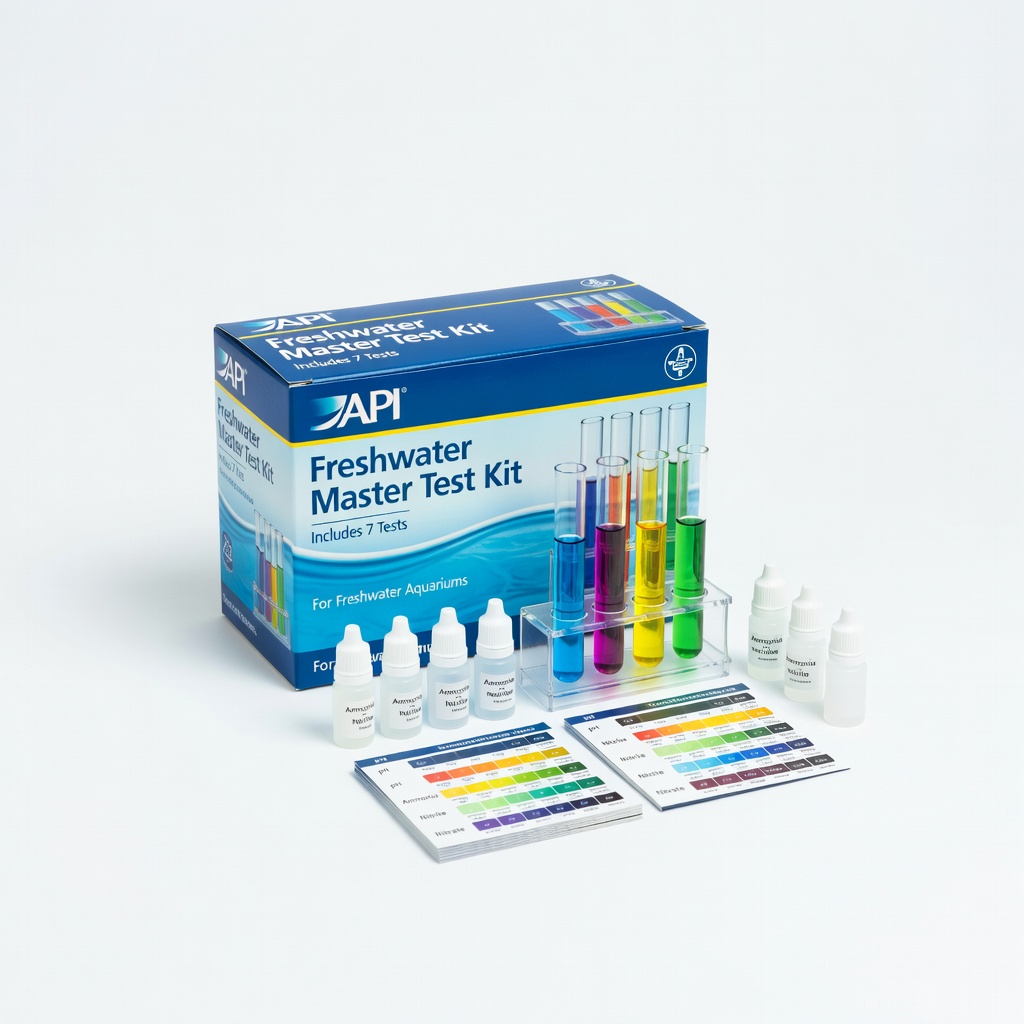
API Freshwater Master Test Kit
Essential for accurate daily monitoring of ammonia, nitrite, and nitrate—liquid tests are more reliable than strips for intermediate users.
Best for: Use during all testing phases to track cycle progress precisely.
Price Range: $28-$35
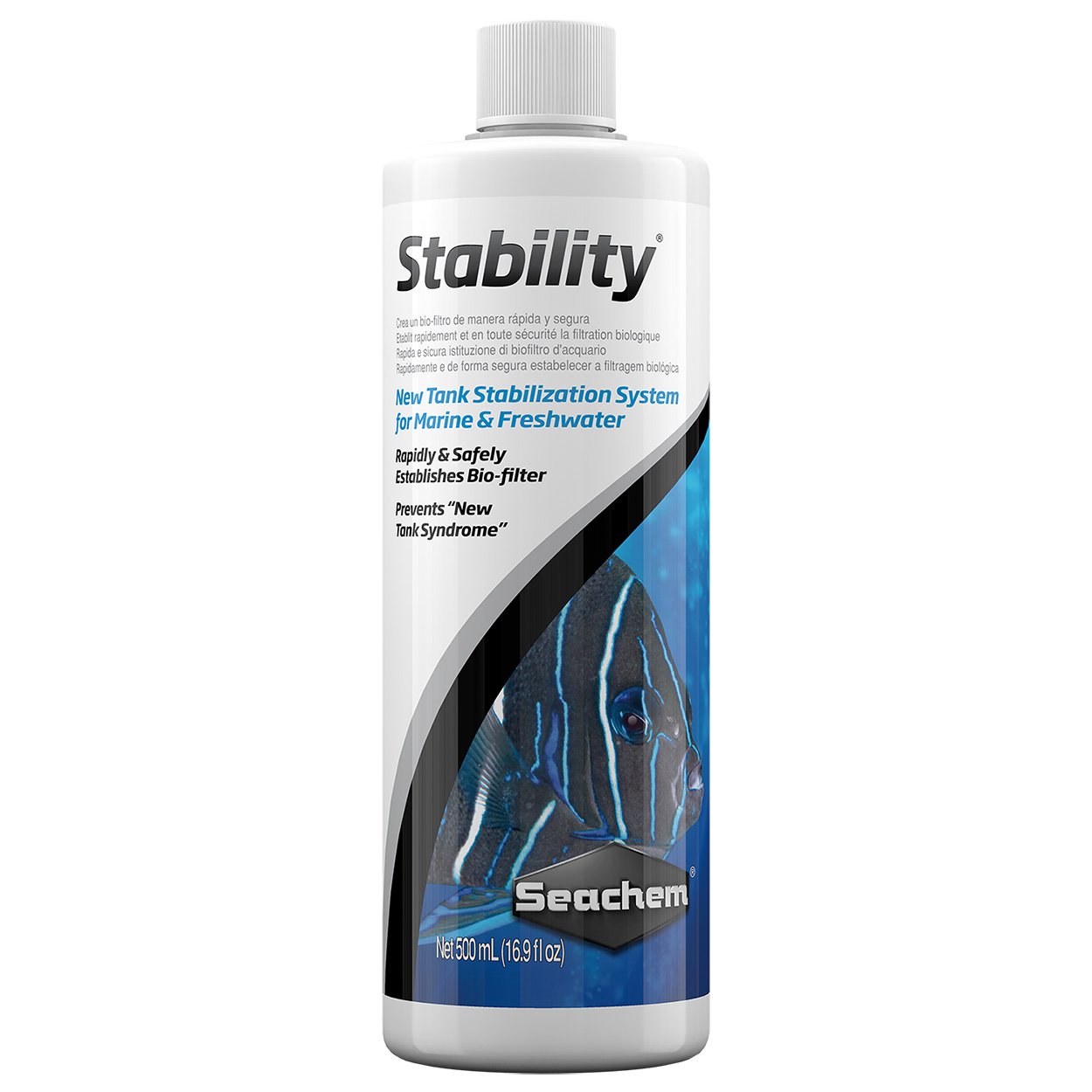
Seachem Stability
Bacterial booster that jumpstarts nitrifying bacteria, shortening cycle time by weeks without risking overgrowth.
Best for: Add weekly during ammonia and nitrite phases for faster establishment.
Price Range: $12-$18
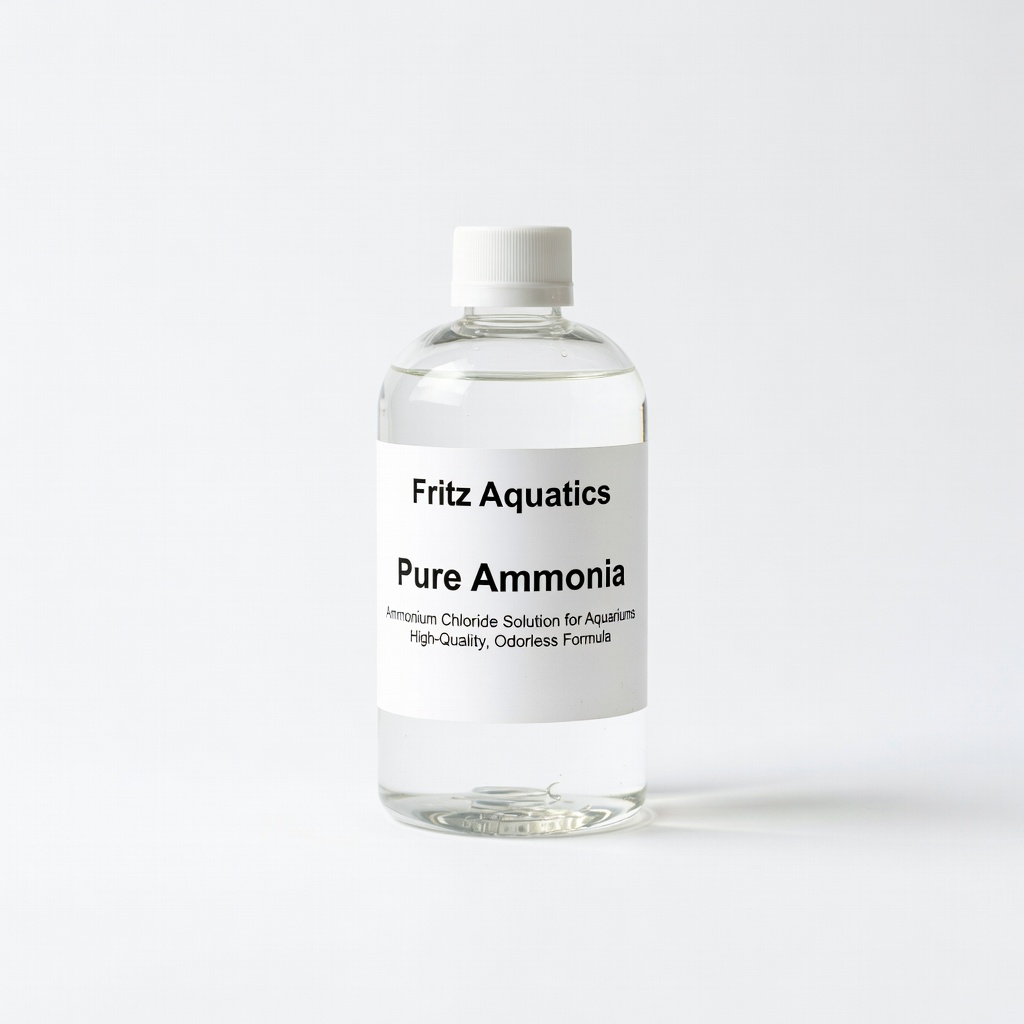
Fritz Aquatics Pure Ammonia
Safe, fishless ammonia source formulated for aquariums—precise dosing without household impurities.
Best for: Primary method for maintaining 2-4 ppm ammonia throughout the cycle.
Price Range: $8-$12
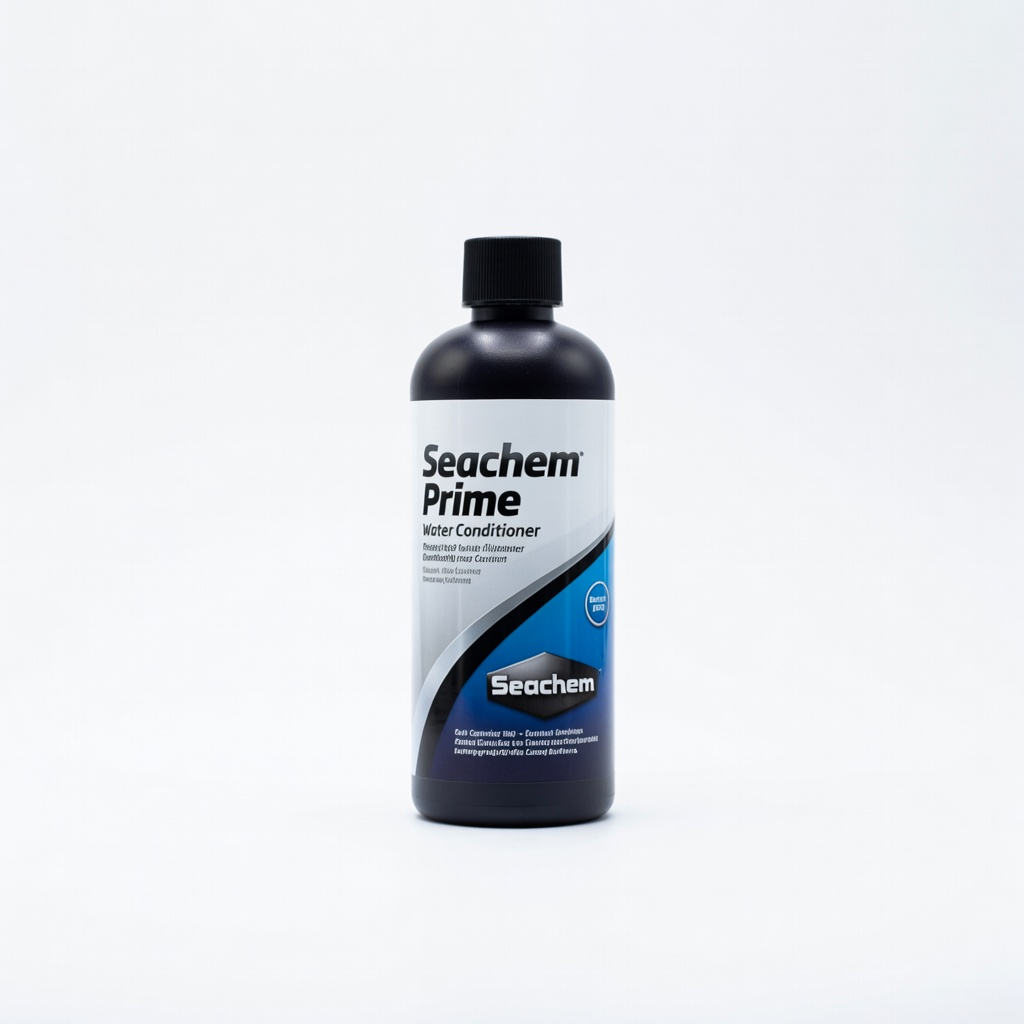
Seachem Prime Water Conditioner
Removes chlorine/chloramine instantly and detoxifies any minor ammonia/nitrite spikes during setup.
Best for: For all water additions and changes to protect emerging bacteria.
Price Range: $10-$15
Aqueon Aquarium Heater 50W
Reliable submersible heater maintains consistent 78-82°F, critical for bacterial activity without fluctuations.
Best for: Ongoing temp control during the entire 4-6 week process.
Price Range: $20-$25