
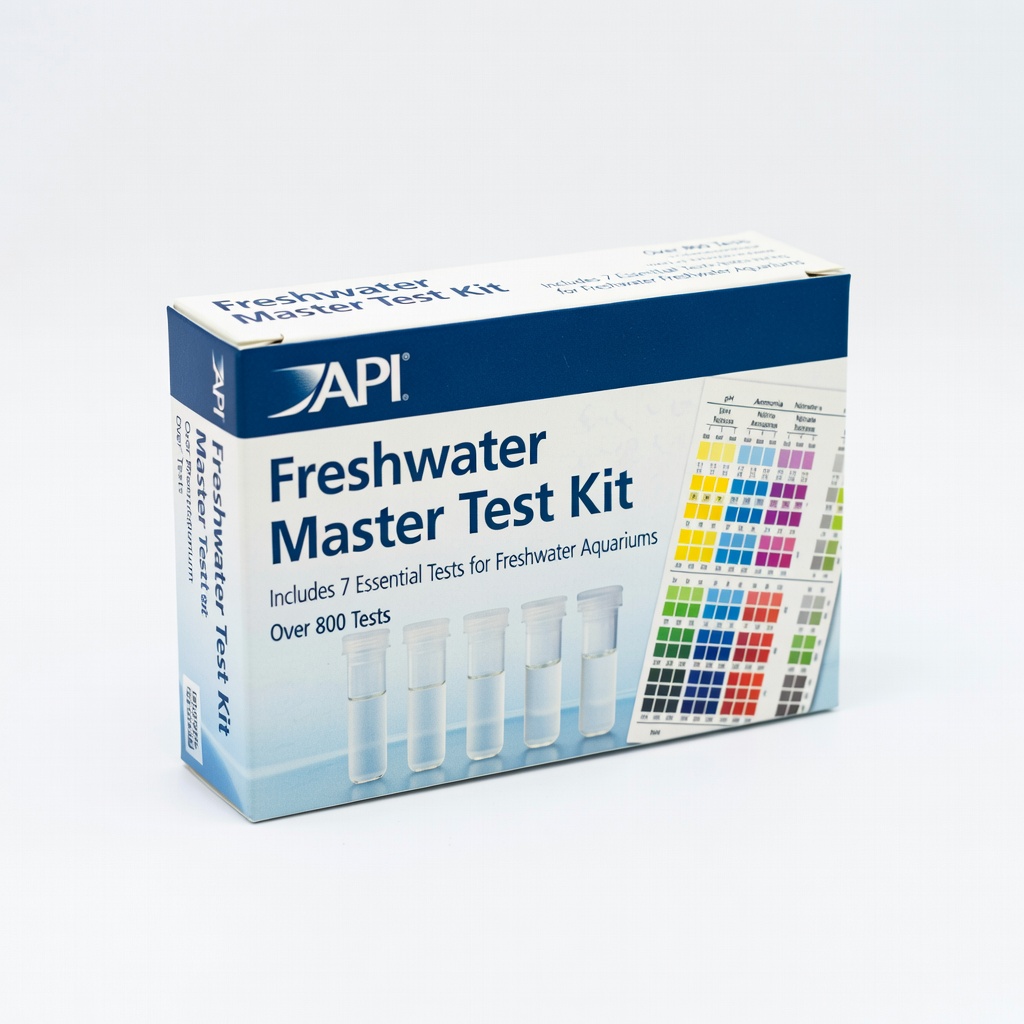
API Freshwater Master Test Kit
Core tool for tracking cycle progress precisely.
$27-$35
API Freshwater Master Test Kit Essential for accurate daily monitoring of ammonia, nitrite, nitrate—over 800 tests per kit.
Get the App
Better experience on mobile
Safely establish a healthy nitrogen cycle in 2-6 weeks to prevent fish deaths from ammonia toxicity—perfect for beginners.
Setting up a new aquarium is exciting, but adding fish too soon can be deadly. Without proper cycling, harmful ammonia and nitrites build up, stressing or killing your fish. This fishless cycling method lets beneficial bacteria colonize your tank first, creating a safe environment.
In this guide, you'll learn the step-by-step process to cycle your aquarium safely using ammonia dosing. It's beginner-friendly, requires minimal daily effort, and takes 2-6 weeks depending on temperature and bacteria growth. By the end, you'll have a cycled tank ready for fish, with zero risk to livestock.
Expect to check water parameters daily (5 minutes), but the setup is straightforward. Patience is key—rushing leads to crashes.
Estimated Time: 2-6 weeks total (5-10 minutes daily monitoring) Difficulty: beginner
Rinse the aquarium, lid, and decorations with warm water—no soap. Add 1-2 inches of substrate to the bottom. Install the filter, heater, and any decorations or plants. Plug everything in but don't add water yet.
This creates a stable base for bacteria growth. Why it matters: Clean setup prevents contaminants that could stall the cycle.
Success looks like: A fully assembled, empty tank ready for water.
💡 Tips:
⚠️ Warnings:
Fill the tank with room-temperature tap water to about 3/4 full. Add dechlorinator per instructions (e.g., 1 capful per 10 gallons). Turn on heater to 78-82°F, filter, and air pump for gentle circulation.
Dechlorination removes chlorine/chloramines that kill beneficial bacteria. Expect clear water with steady temperature.
Success: Water at target temp, equipment running quietly.
💡 Tips:
⚠️ Warnings:
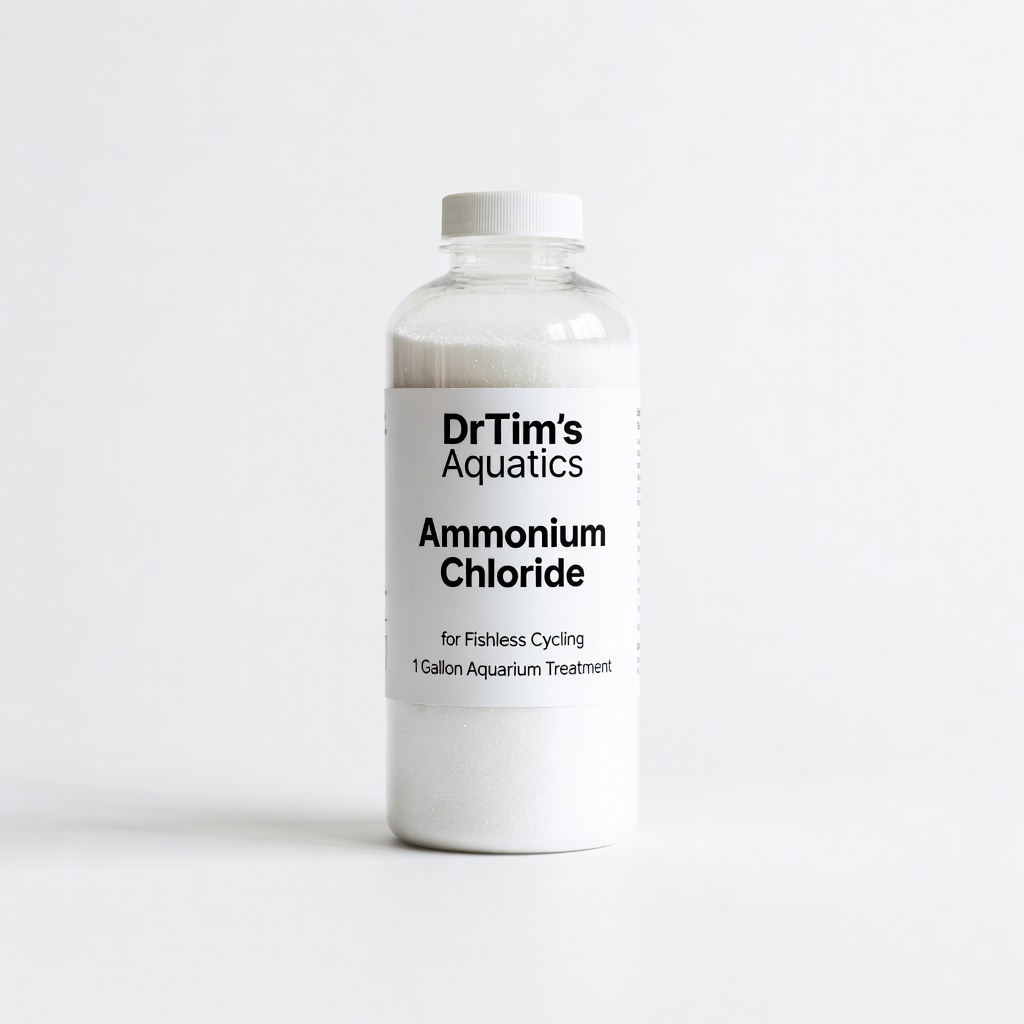
Add ammonia to reach 2-4 ppm. Use pure 5% ammonia (check label: no soaps/fragrances) or a product like Dr. Tim's. Test with your kit to confirm levels.
Ammonia simulates fish waste, kickstarting bacteria growth (ammonia-eating Nitrosomonas). It should hold steady initially.
Success: Test strips/cards show 2-4 ppm ammonia, 0 nitrite/nitrate.
💡 Tips:
⚠️ Warnings:
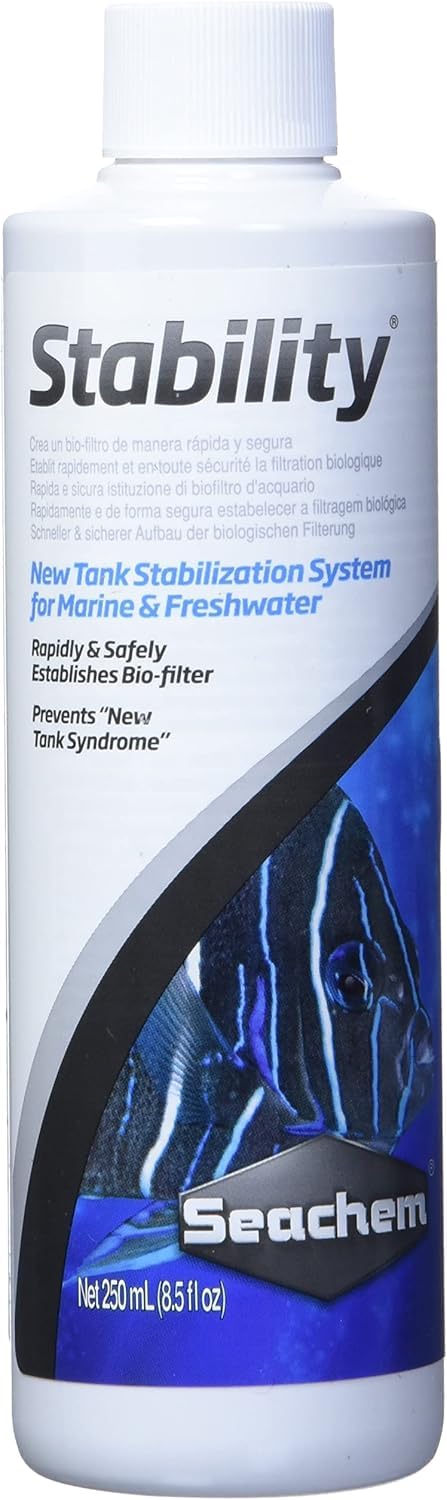
Add a bacteria starter like Seachem Stability daily for the first week per bottle instructions.
This seeds the tank with live Nitrosomonas and Nitrospira, speeding up the cycle from weeks to days.
Success: No immediate change in tests, but faster drops in ammonia later.
💡 Tips:
⚠️ Warnings:
Test ammonia, nitrite, nitrate daily. When ammonia drops to 0, re-dose to 2-4 ppm. Continue until ammonia and nitrite both drop to 0 within 12-24 hours after dosing, with nitrates >20 ppm.
This tracks the cycle: Ammonia → Nitrite (week 1-2) → Nitrate (week 3+). Water changes (25%) if ammonia >5 ppm.
Success: Zero ammonia/nitrite, rising nitrates = cycled!
💡 Tips:
⚠️ Warnings:
Once cycled (0 ammonia/nitrite after 24h dose), do a 25-50% water change. Test again over 2-3 days.
Removes built-up nitrates; confirms stability.
Success: Stable parameters—tank ready for fish!
💡 Tips:
Problem: Cycle stalls (ammonia not dropping after 2 weeks)
Solution: Check temp (raise to 82°F), add bacteria booster, ensure good flow. Partial water change if ammonia >5 ppm.
Problem: Nitrite spikes but no ammonia drop
Solution: Normal phase 2; be patient, keep dosing ammonia. Boost oxygen with air stone.
Problem: Funky smells or cloudy water
Solution: 25% water change, check for dead spots in filter. Clean media gently if needed.
Problem: Tests inaccurate (faded colors)
Solution: Replace kit (lasts 6-12 months). Use fresh reagents, follow shake times.
Essential for accurate daily monitoring of ammonia, nitrite, nitrate—over 800 tests per kit.
Best for: Core tool for tracking cycle progress precisely.
Price Range: $27-$35
Pure, stable ammonia source designed for fishless cycling—no label-checking needed.
Best for: Dosage for 2-4 ppm without guesswork; lasts months.
Price Range: $14-$18
Live bacteria booster cuts cycling time in half for beginners.
Best for: Daily dosing first week to jumpstart colony.
Price Range: $13-$20
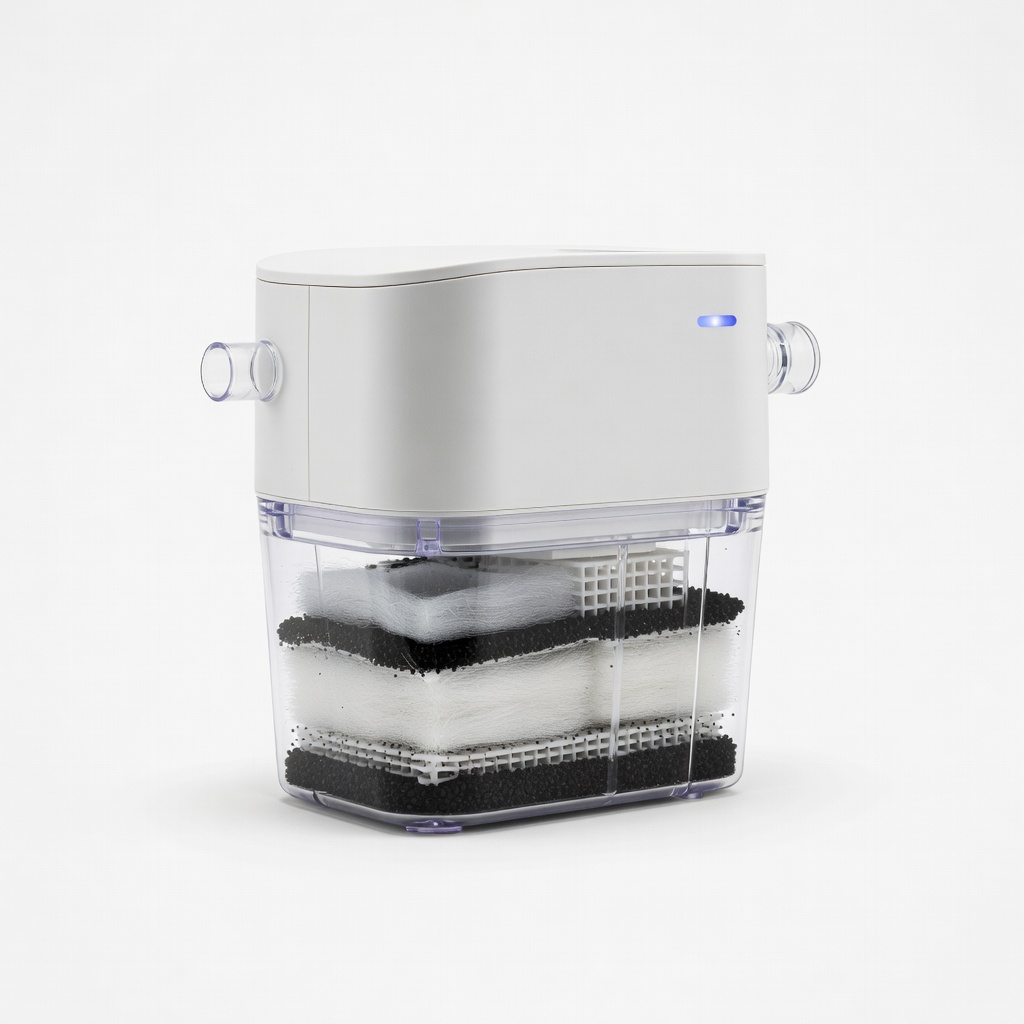
Reliable filtration with quiet operation and easy maintenance for new tanks.
Best for: Provides necessary water flow and media for bacteria.
Price Range: $25-$35
Removes chlorine/chloramines instantly and detoxifies ammonia during cycling mishaps.
Best for: Initial setup and emergency water changes.
Price Range: $10-$15
Core tool for tracking cycle progress precisely.
API Freshwater Master Test Kit Essential for accurate daily monitoring of ammonia, nitrite, nitrate—over 800 tests per kit.
Dosage for 2-4 ppm without guesswork; lasts months.
DrTim's Aquatics Ammonium Chloride Pure, stable ammonia source designed for fishless cycling—no label-checking needed.
Daily dosing first week to jumpstart colony.
Seachem Stability Live bacteria booster cuts cycling time in half for beginners.
Provides necessary water flow and media for bacteria.
Aqueon QuietFlow LED Pro Aquarium Fish Tank Power Filter Reliable filtration with quiet operation and easy maintenance for new tanks.
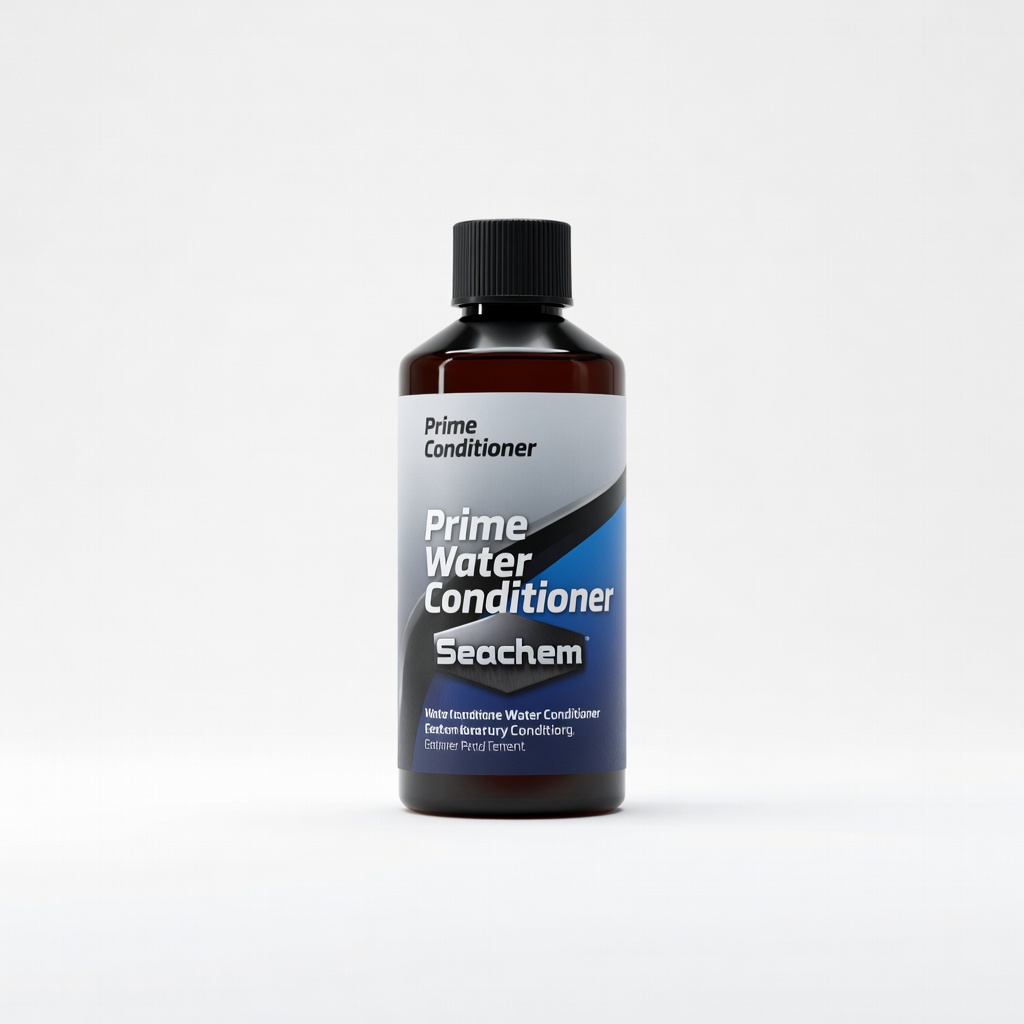
Initial setup and emergency water changes.
Seachem Prime Water Conditioner Removes chlorine/chloramines instantly and detoxifies ammonia during cycling mishaps.